
1.153.427
kiadvánnyal nyújtjuk Magyarország legnagyobb antikvár könyv-kínálatát

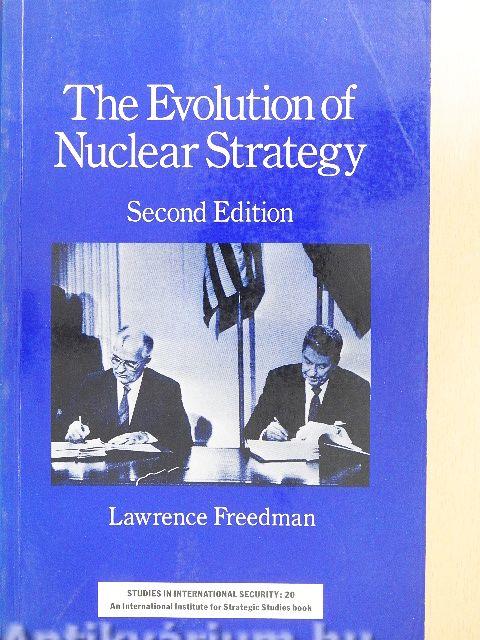
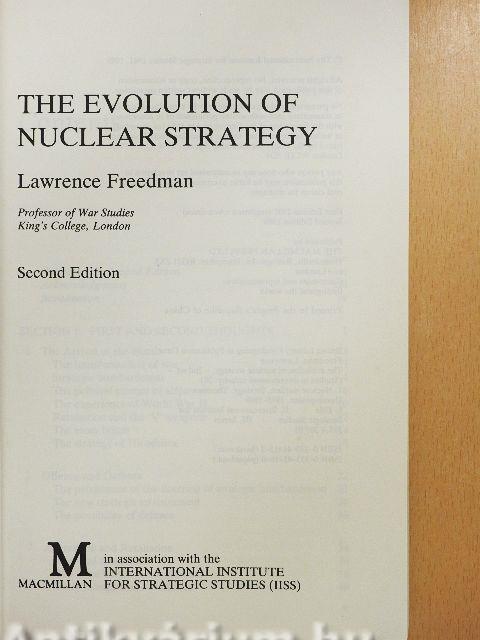
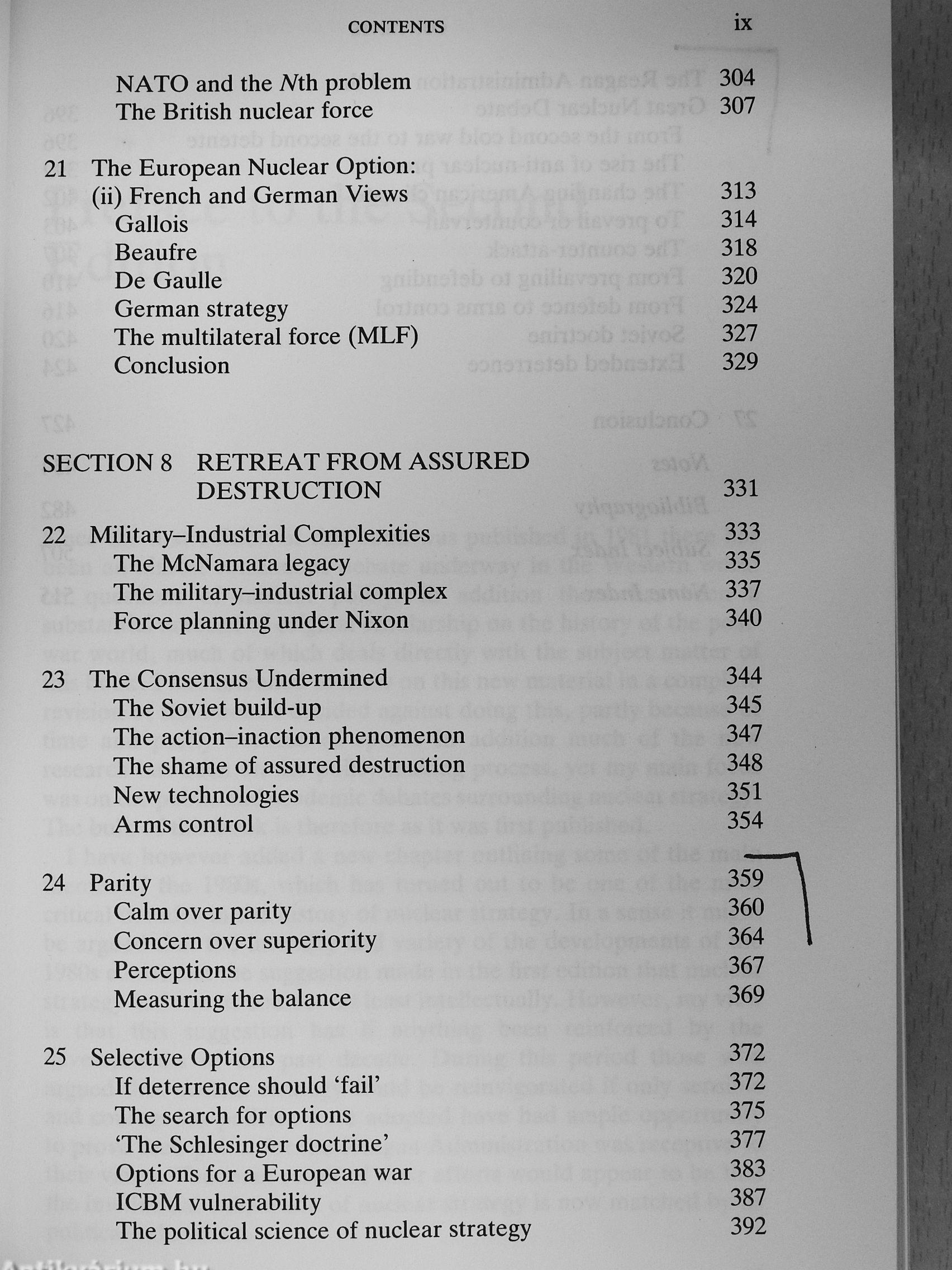
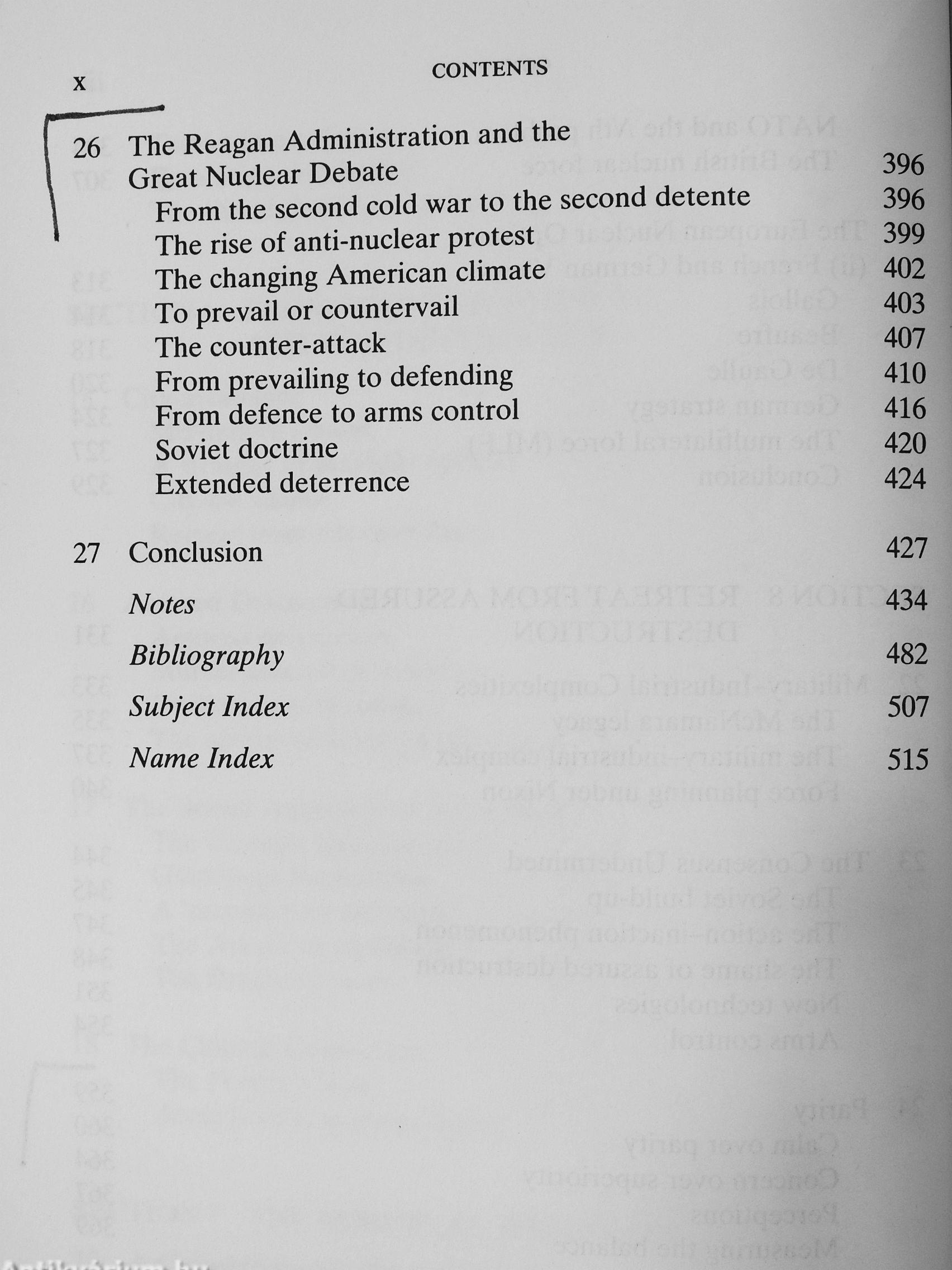
The Evolution of Nuclear Strategy
Houndmills
| Kiadó: | The Macmillan Press Ltd |
|---|---|
| Kiadás helye: | Houndmills |
| Kiadás éve: | |
| Kötés típusa: | Varrott papírkötés |
| Oldalszám: | 522 oldal |
| Sorozatcím: | Studies in International Security |
| Kötetszám: | 20 |
| Nyelv: | Angol |
| Méret: | 22 cm x 14 cm |
| ISBN: | 0-333-41416-0 |
| Megjegyzés: | 2. kiadás. |
Értesítőt kérek a kiadóról
Értesítőt kérek a sorozatról
A beállítást mentettük,
naponta értesítjük a beérkező friss
kiadványokról
naponta értesítjük a beérkező friss
kiadványokról
A beállítást mentettük,
naponta értesítjük a beérkező friss
kiadványokról
naponta értesítjük a beérkező friss
kiadványokról
Előszó
Tovább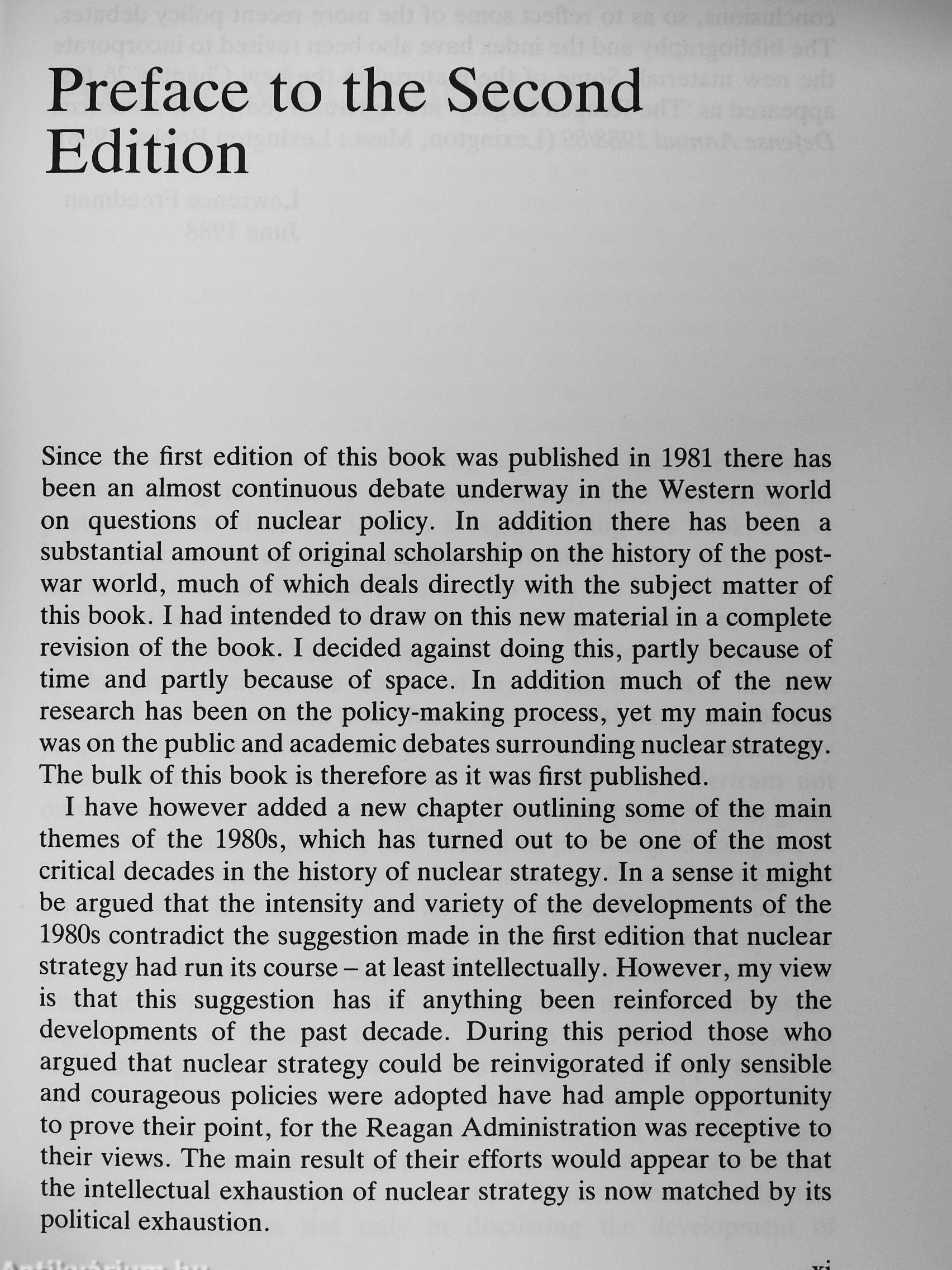
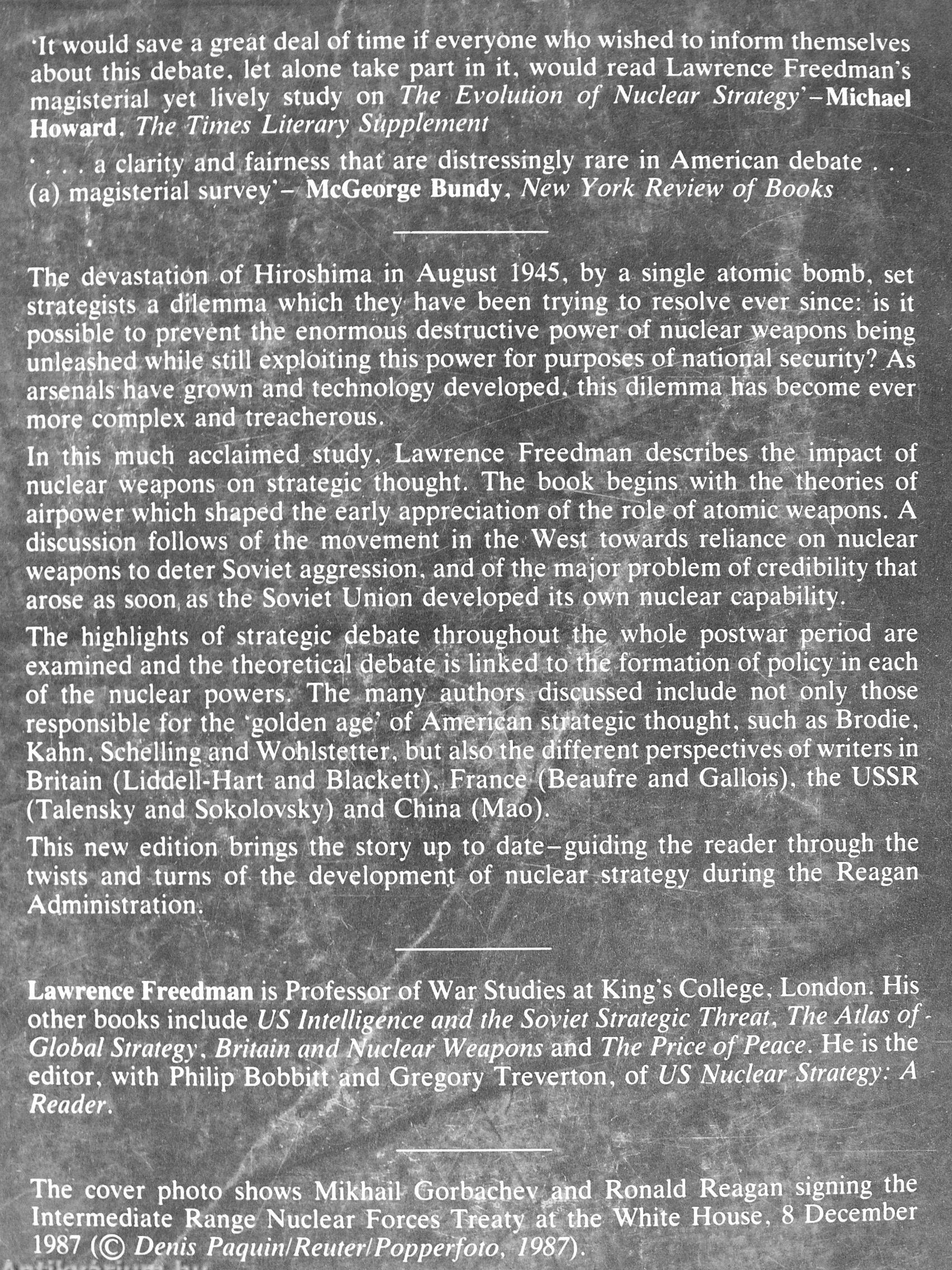
Fülszöveg
''It would save a great deal of time if everyone who wished to inform themselves about this debate, let alone take part in it. would read Lawrence Freedman's magisterial yet lively study on The Evolution of Nuclear 5/raiegy'-Michael Hov/arA, The Times Literary supplement ;
' . . . a clarity dndiairness that are distressingly rare in American debate . . (a) magisterial survey'-' McGeorge Bundy., New York Review of Books i ,
Th,e devastation of Hiroshima in August 1945, by a single atomic bomB, set strategists a dilemma which they have been trying to resolve ever since: is it ^ possible to prevent the enormous destructive power of nuclear jveapons being unleashed while still exploiting this power for purposes of national security? As arsenals have grown and technology developed^ this dilemma has become ever; more coniplex and treacherous. - ^ " ^ • / * '
In this much acclaimed, study, Lawrence Freedman describes the impact of nuclear weapons on strategic thought. The book begins,... Tovább
Fülszöveg
''It would save a great deal of time if everyone who wished to inform themselves about this debate, let alone take part in it. would read Lawrence Freedman's magisterial yet lively study on The Evolution of Nuclear 5/raiegy'-Michael Hov/arA, The Times Literary supplement ;
' . . . a clarity dndiairness that are distressingly rare in American debate . . (a) magisterial survey'-' McGeorge Bundy., New York Review of Books i ,
Th,e devastation of Hiroshima in August 1945, by a single atomic bomB, set strategists a dilemma which they have been trying to resolve ever since: is it ^ possible to prevent the enormous destructive power of nuclear jveapons being unleashed while still exploiting this power for purposes of national security? As arsenals have grown and technology developed^ this dilemma has become ever; more coniplex and treacherous. - ^ " ^ • / * '
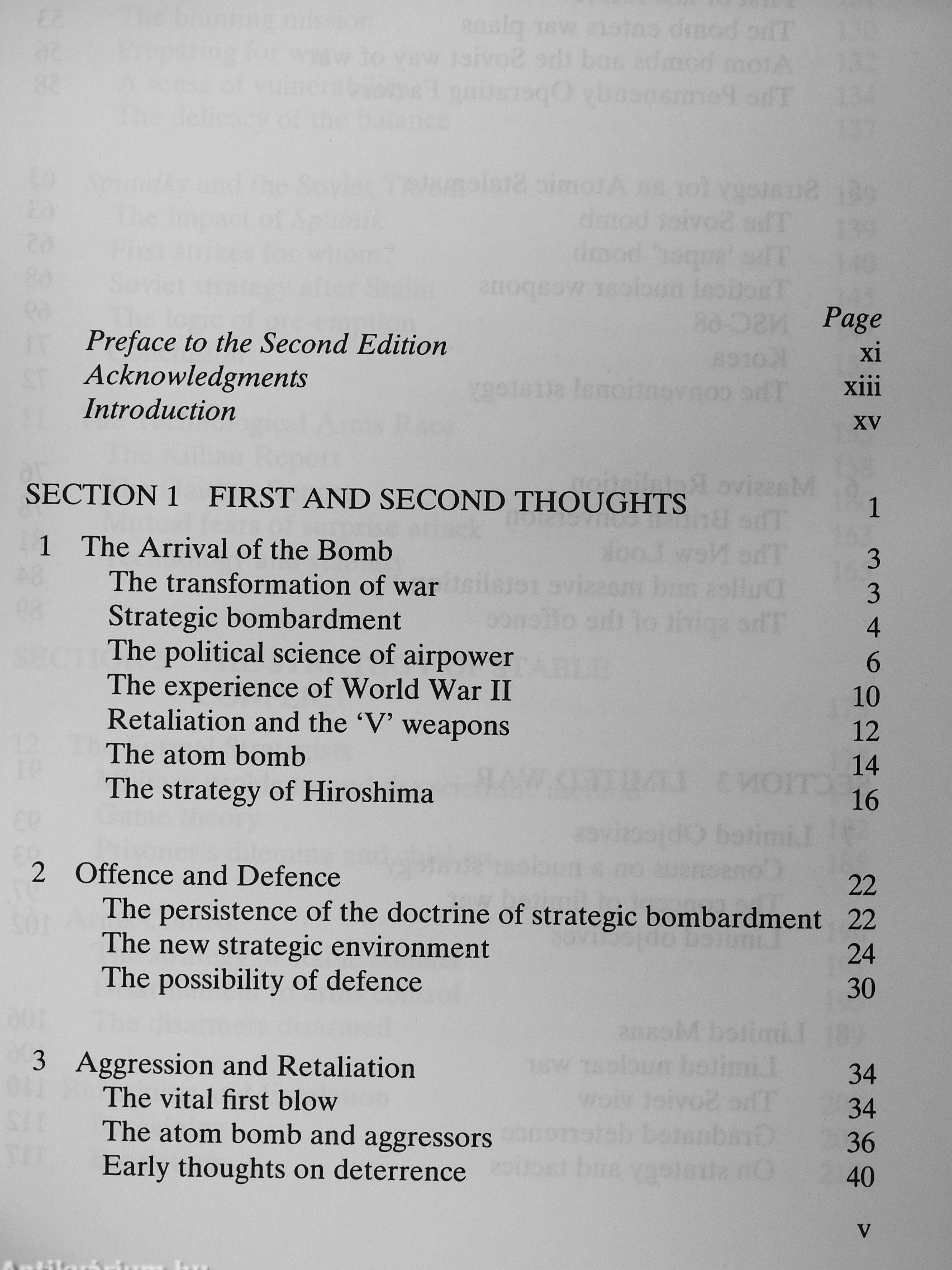
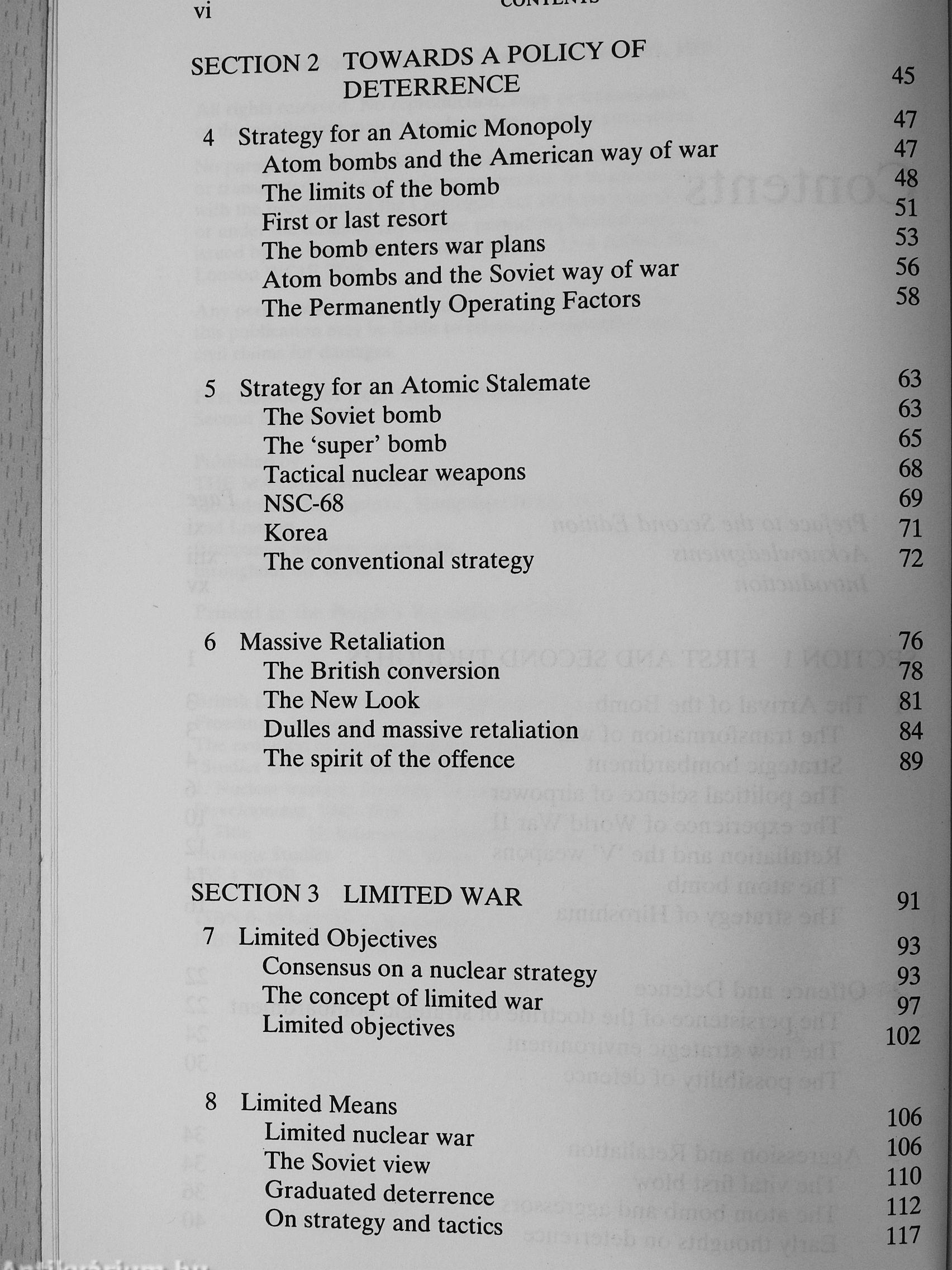
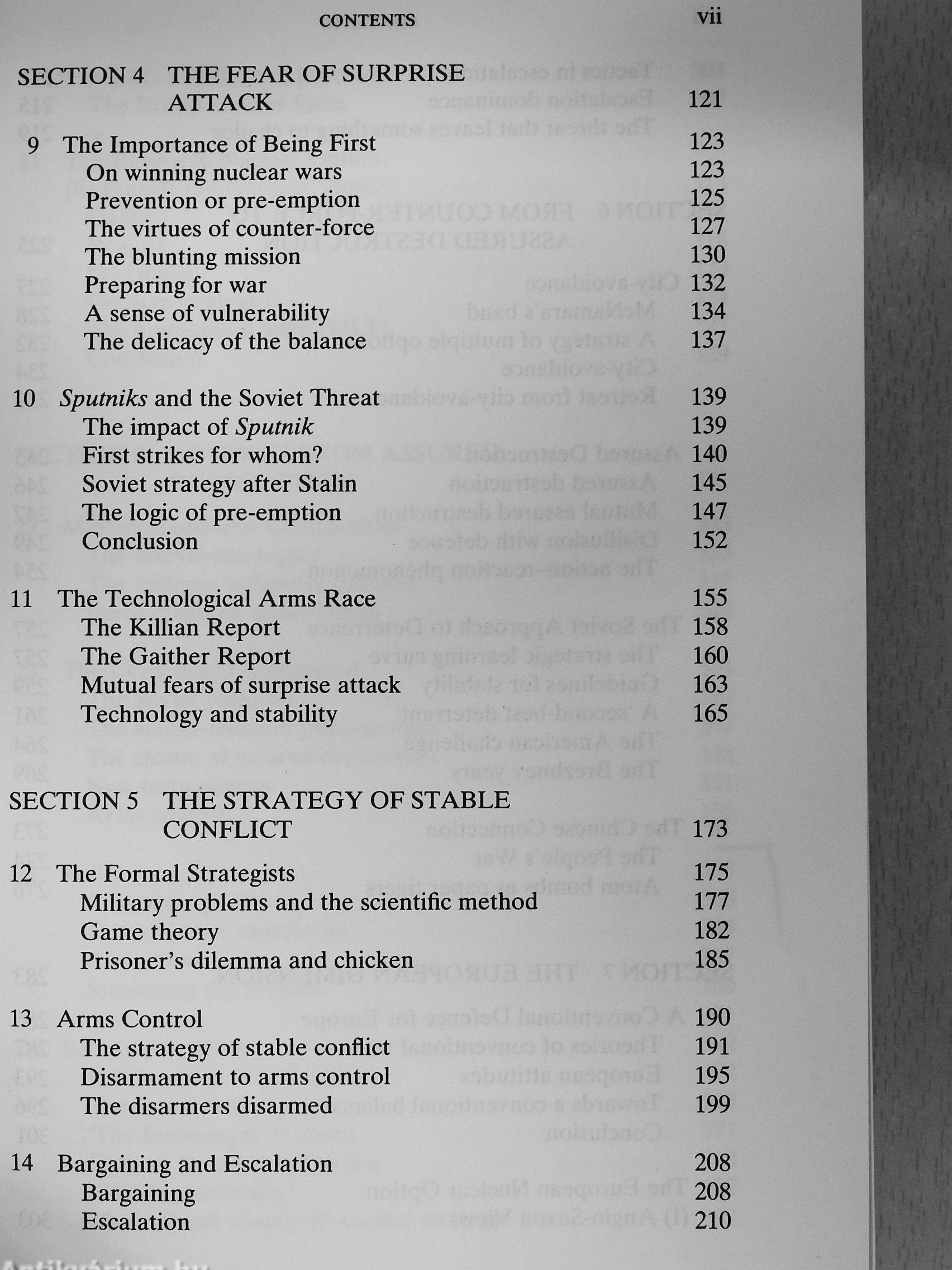
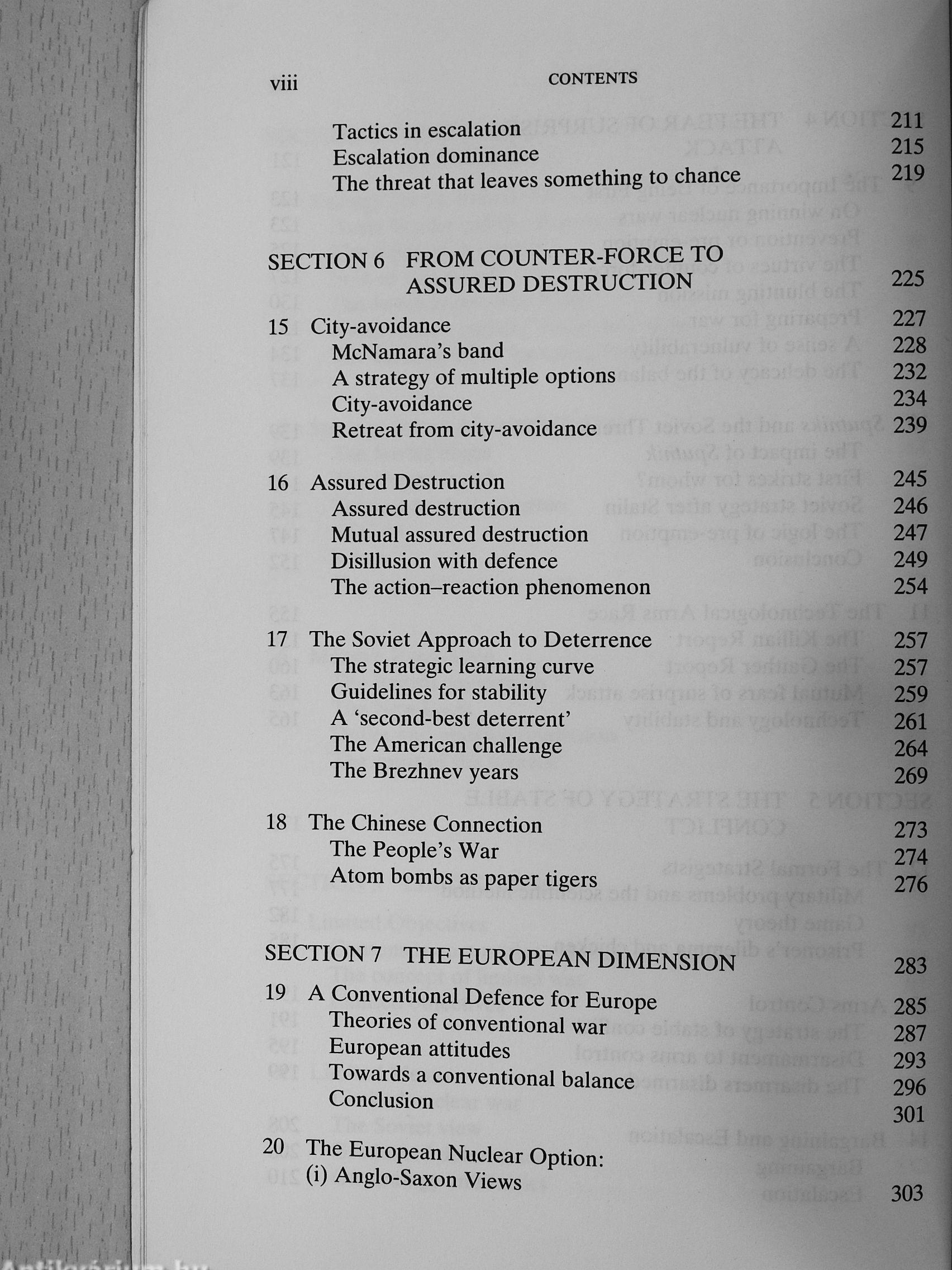
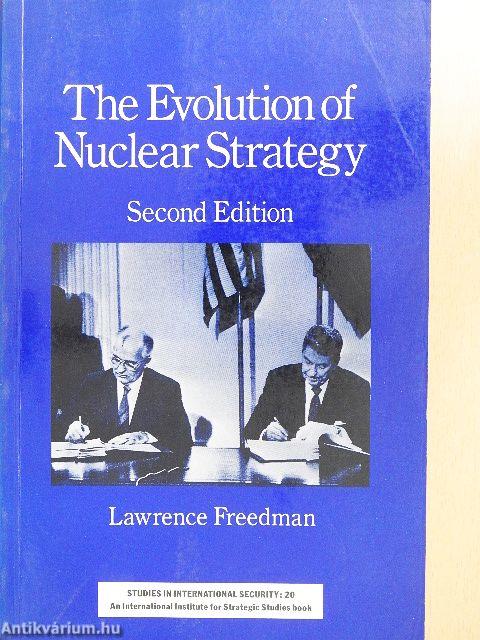
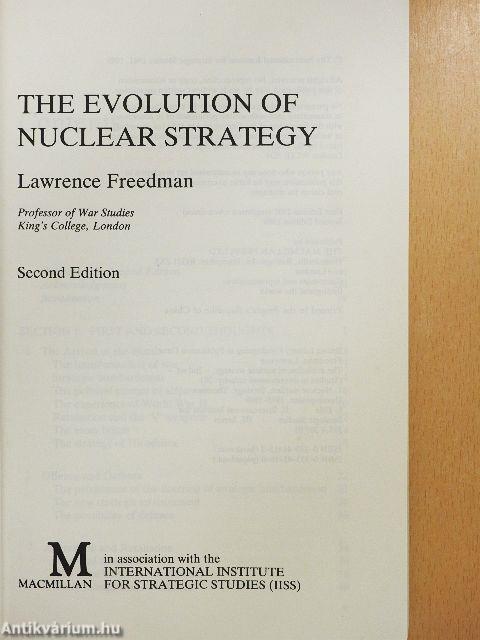
In this much acclaimed, study, Lawrence Freedman describes the impact of nuclear weapons on strategic thought. The book begins, with the theories of airpower which shaped the early appreciation of the role of atomic weapons. A discussion follows of the movemeht in the West towards reliance on nuclear weapons to deter Soviet aggression, and of the majoi problem of credibility that arose as soon, as the Soviet Union developed its own nuclear capability.
The highlights of strategic jjlebate throughout tire, w^ postwar period are examined and the theoretic^l jdebat^ islinked to the formation of policy in each of the nuclear powers. The • many authors ^dispussed include not only those responsible for the 'golden age' of AnTerigafn strategic thought, such as Brodie, Kahn. Schelling and Wohlstetter, blit also the different perspectives of writers in Britain (Liddell-Hart and Blackett). France (Beaufre and Gallois), the USSR (Talensky and Sokolovsky) j^nd China (Mao),. ' . '
This new edition brings the story up to date-guiding the reader through the twists and turns of the development^ of nuclear ^strategy during the Reagan Administration; / ,
Lawrence Freedman is Professpr of War Studies at King's College, London. His other books include US huelligerice and the Soviet Strategic Threat, The Atlas of-Global Strategy. Britain and ffuclear Weapons dii\A The Price of Peace. He is the editor, with Philip Bobbitt sind Gregory Treverton, of US Nuclear Strategy: A Reader. »-i "
The cover photo shows Mikhail- iiorhachev ^d Ronald Reagan signing the li ermediate Range Nuclear Forces Treaty at the White House, 8 December {©Dmis Paquin!RenteriPopperfoto, 1987). , { Vissza
Témakörök
- Idegennyelv > Idegennyelvű könyvek > Angol > Műszaki
- Idegennyelv > Idegennyelvű könyvek > Angol > Történelem > Egyéb
- Műszaki > Ipar > Nehézipar > Energiaipar > Atomenergia
- Történelem > Idegennyelvű > Angol
- Történelem > Legújabb kor > A hidegháború kora (1946-1991)
- Történelem > Hadtörténet > Fegyverek, fegyvernemek
- Történelem > Hadtörténet > Hadügy, hadviselés
- Történelem > Tanulmányok
- Műszaki > Idegennyelv > Angol
- Műszaki > Hadászat, hadtörténet
- Műszaki
Lawrence Freedman
Lawrence Freedman műveinek az Antikvarium.hu-n kapható vagy előjegyezhető listáját itt tekintheti meg: Lawrence Freedman könyvek, művekMegvásárolható példányok
Állapotfotók
Jó állapotú példány.
Állapot:
Jó
6.400 ,-Ft
32
pont kapható
Kosárba
 Folytatás Microsoft-tal