
1.150.760
kiadvánnyal nyújtjuk Magyarország legnagyobb antikvár könyv-kínálatát

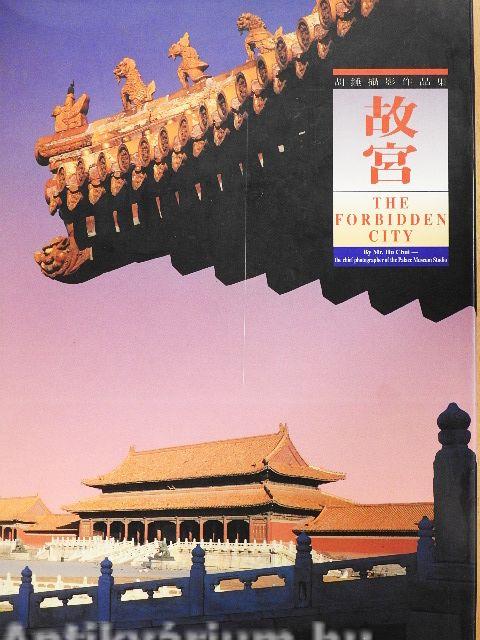
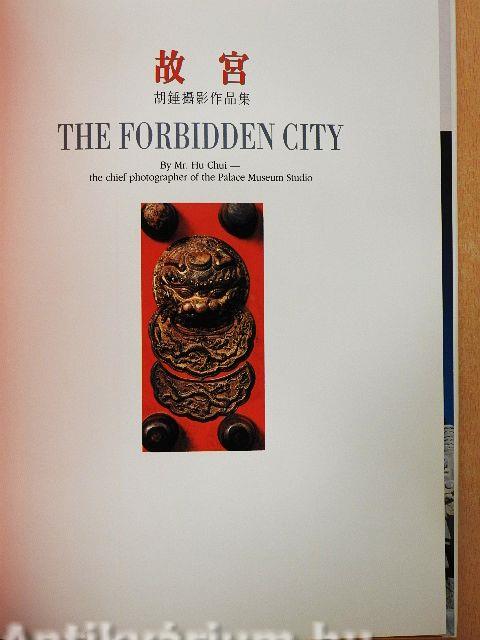
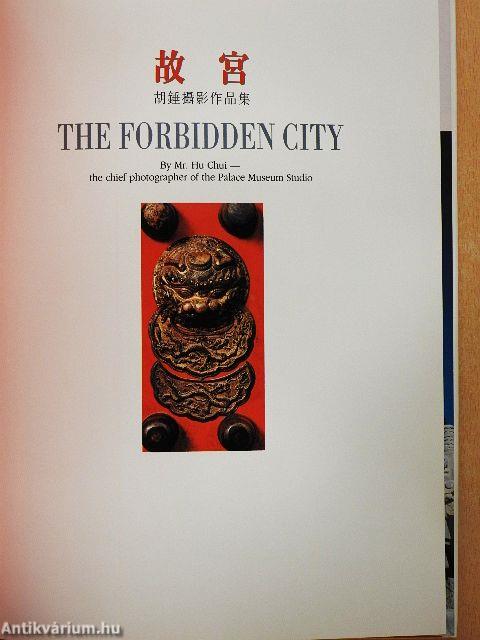
The Forbidden City
Peking
| Kiadó: | China Photographic Publishing House |
|---|---|
| Kiadás helye: | Peking |
| Kiadás éve: | |
| Kötés típusa: | Varrott keménykötés |
| Oldalszám: | 94 oldal |
| Sorozatcím: | |
| Kötetszám: | |
| Nyelv: | Angol Kínai |
| Méret: | 29 cm x 22 cm |
| ISBN: | 7-80007-079-079-4 |
| Megjegyzés: | Színes fotókkal. |
Értesítőt kérek a kiadóról
A beállítást mentettük,
naponta értesítjük a beérkező friss
kiadványokról
naponta értesítjük a beérkező friss
kiadványokról
A beállítást mentettük,
naponta értesítjük a beérkező friss
kiadványokról
naponta értesítjük a beérkező friss
kiadványokról
Előszó
Tovább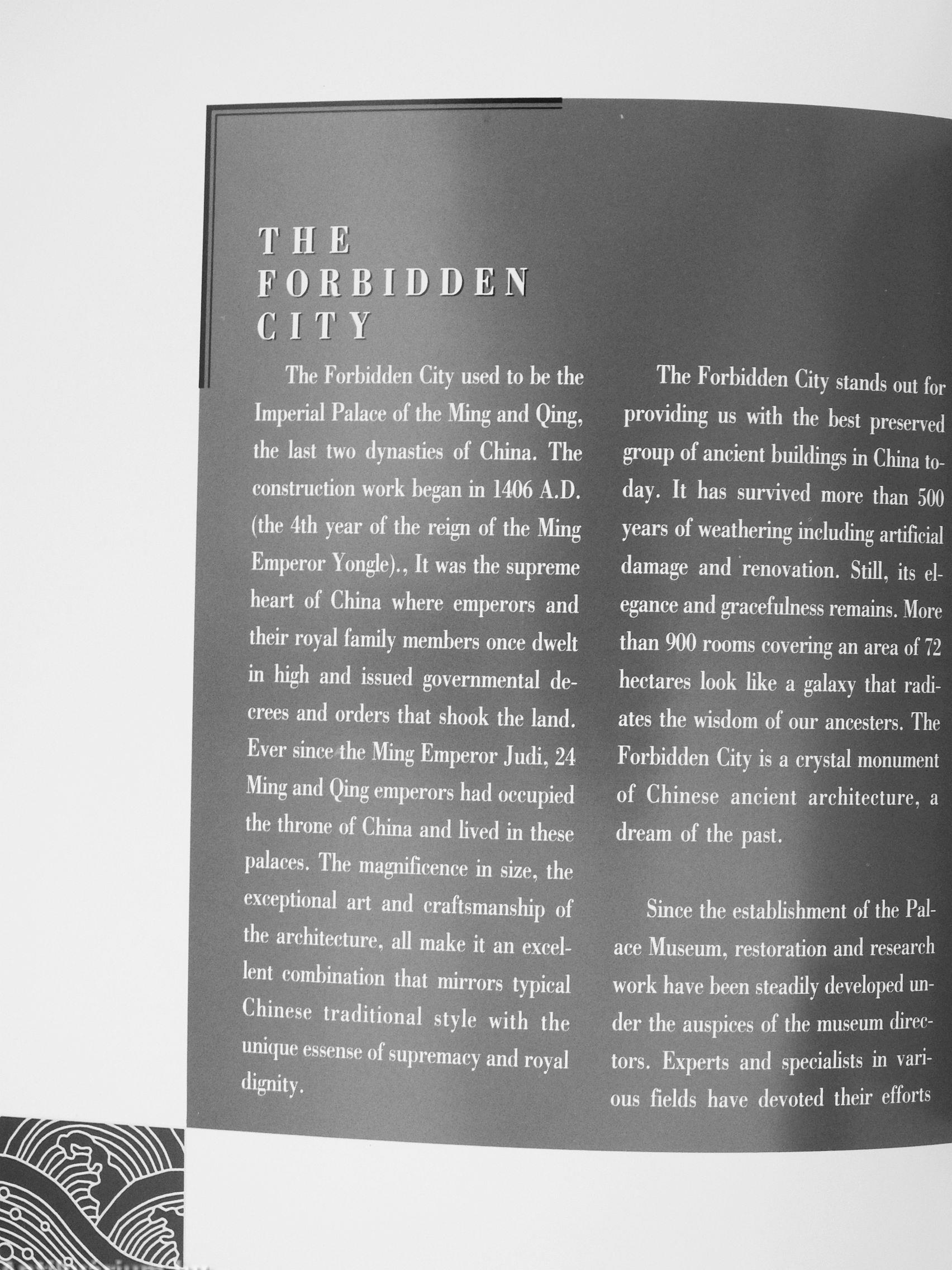
Fülszöveg
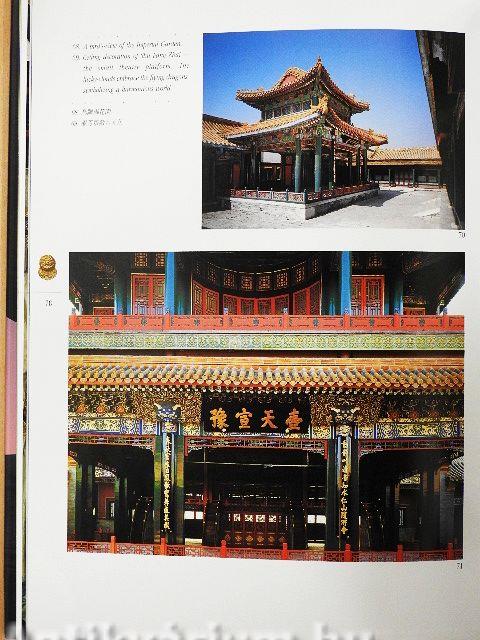
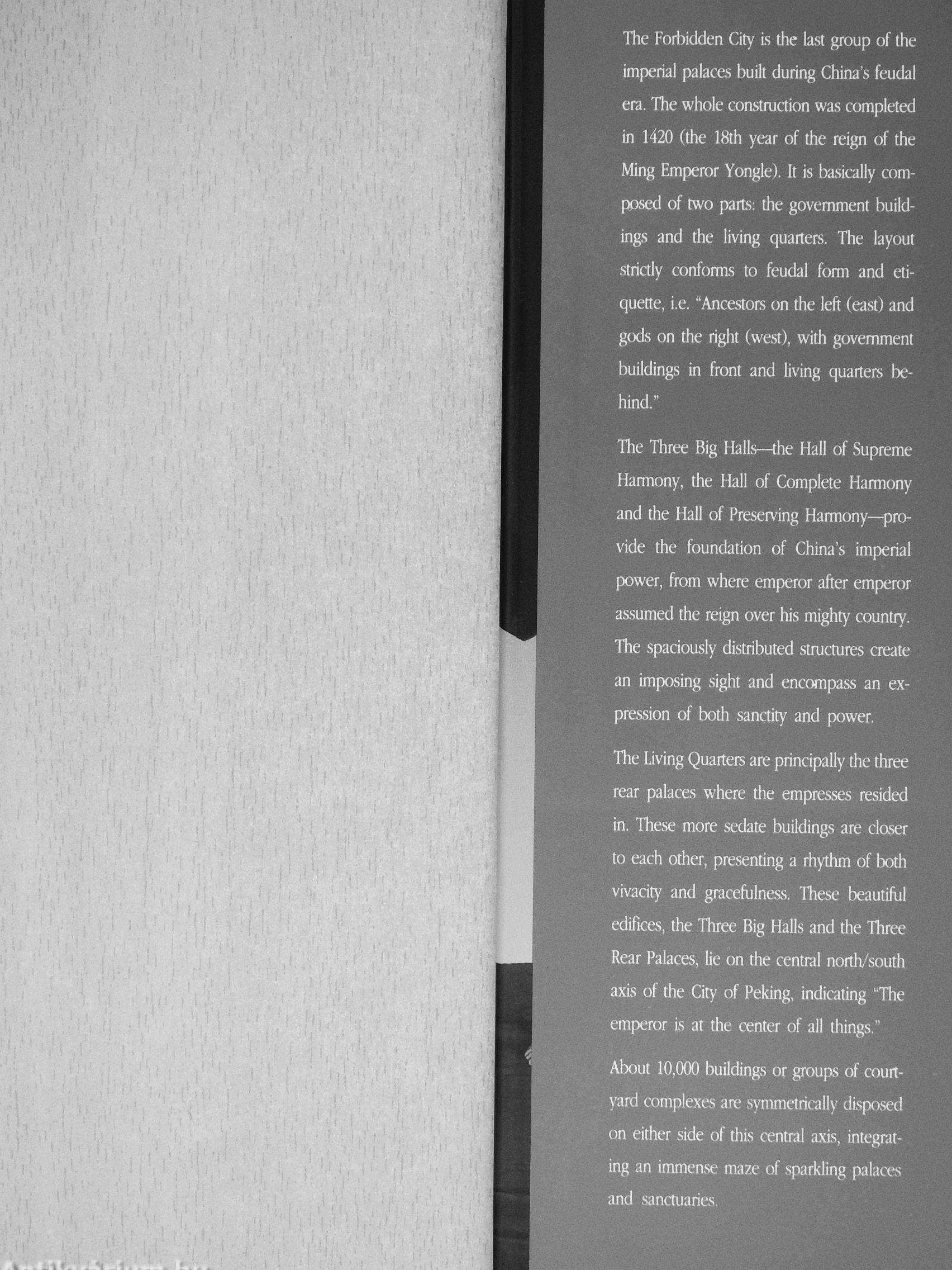
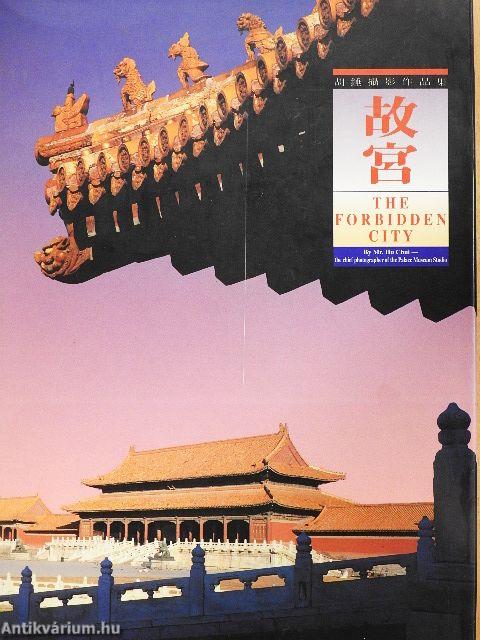
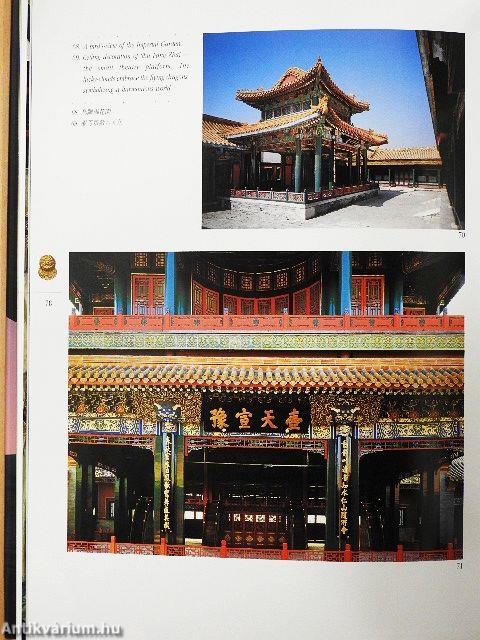
The Forbidden City is the last group of the imperial palaces built during China's feudal era. The whole construction was completed in 1420 (the 18th year of the reign of the Ming Emperor Yongle). It is basically composed of two parts: the government buildings and the living quarters. The layout strictly confomis to feudal fomi and etiquette, i.e. "Ancestors on the left (ea.st) and gods on the right (west), with government buildings in front and living quarters be-
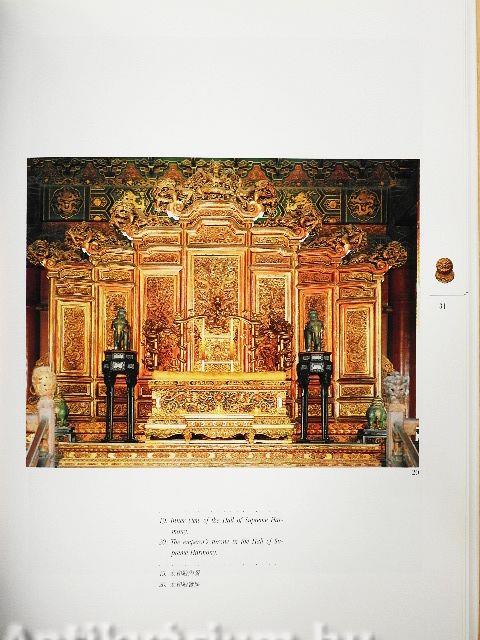
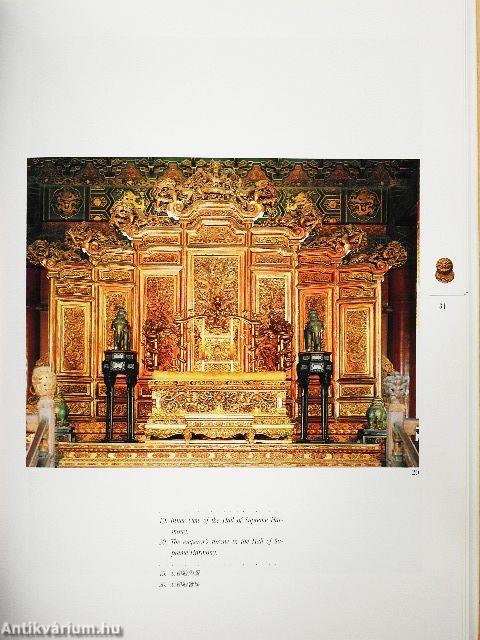
The Three Big Halls-the Hall of Supreme Hamiony, the Hall of Complete Harmony and the Hall of Preserving Harmony—provide the foundation of China's imperial power, from where emperor after emperor assumed the reign over his mighty country. The spaciously distributed structures create an imposing sight and encompass an expression of both sanctity and power.
The Living Quarters are principally the three rear palaces where the empresses resided in. These more sedate buOdings are closer to each other, presenting a rhythm of... Tovább
Fülszöveg
The Forbidden City is the last group of the imperial palaces built during China's feudal era. The whole construction was completed in 1420 (the 18th year of the reign of the Ming Emperor Yongle). It is basically composed of two parts: the government buildings and the living quarters. The layout strictly confomis to feudal fomi and etiquette, i.e. "Ancestors on the left (ea.st) and gods on the right (west), with government buildings in front and living quarters be-
The Three Big Halls-the Hall of Supreme Hamiony, the Hall of Complete Harmony and the Hall of Preserving Harmony—provide the foundation of China's imperial power, from where emperor after emperor assumed the reign over his mighty country. The spaciously distributed structures create an imposing sight and encompass an expression of both sanctity and power.
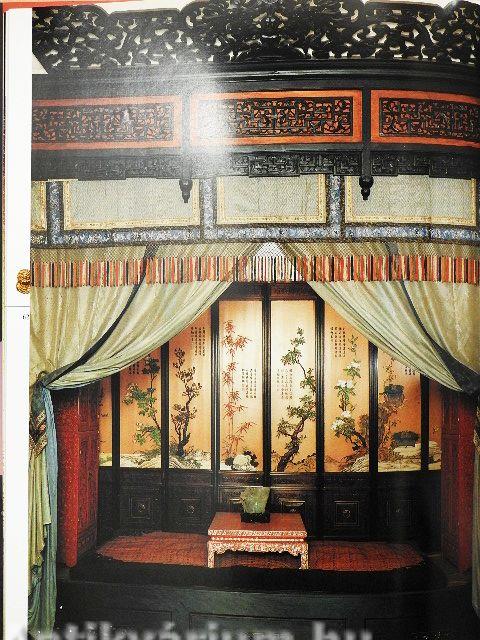
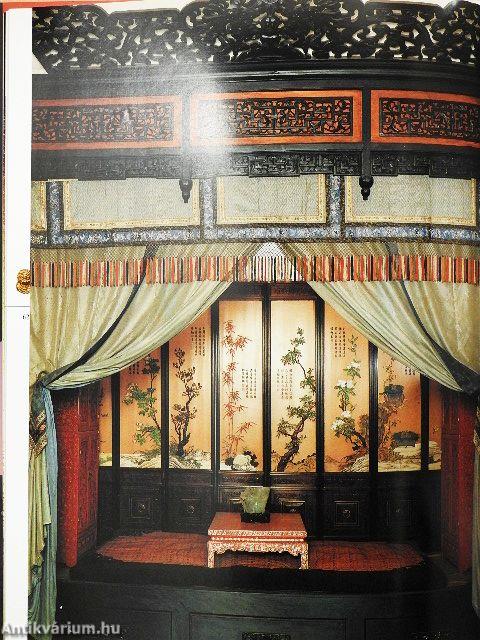
The Living Quarters are principally the three rear palaces where the empresses resided in. These more sedate buOdings are closer to each other, presenting a rhythm of bodi vivacity and graceftilness. These beautiftil edifices, the Three Big Halls and the Three Rear Palaces, lie on the central north/south axis of the City of Peking, indicating "The emperor is at the center of all things."
About 10,000 buildings or groups of courtyard complexes are symmetrically disposed on either side of this central axis, integrating an immense maze of sparkling palaces and sanctuaries.
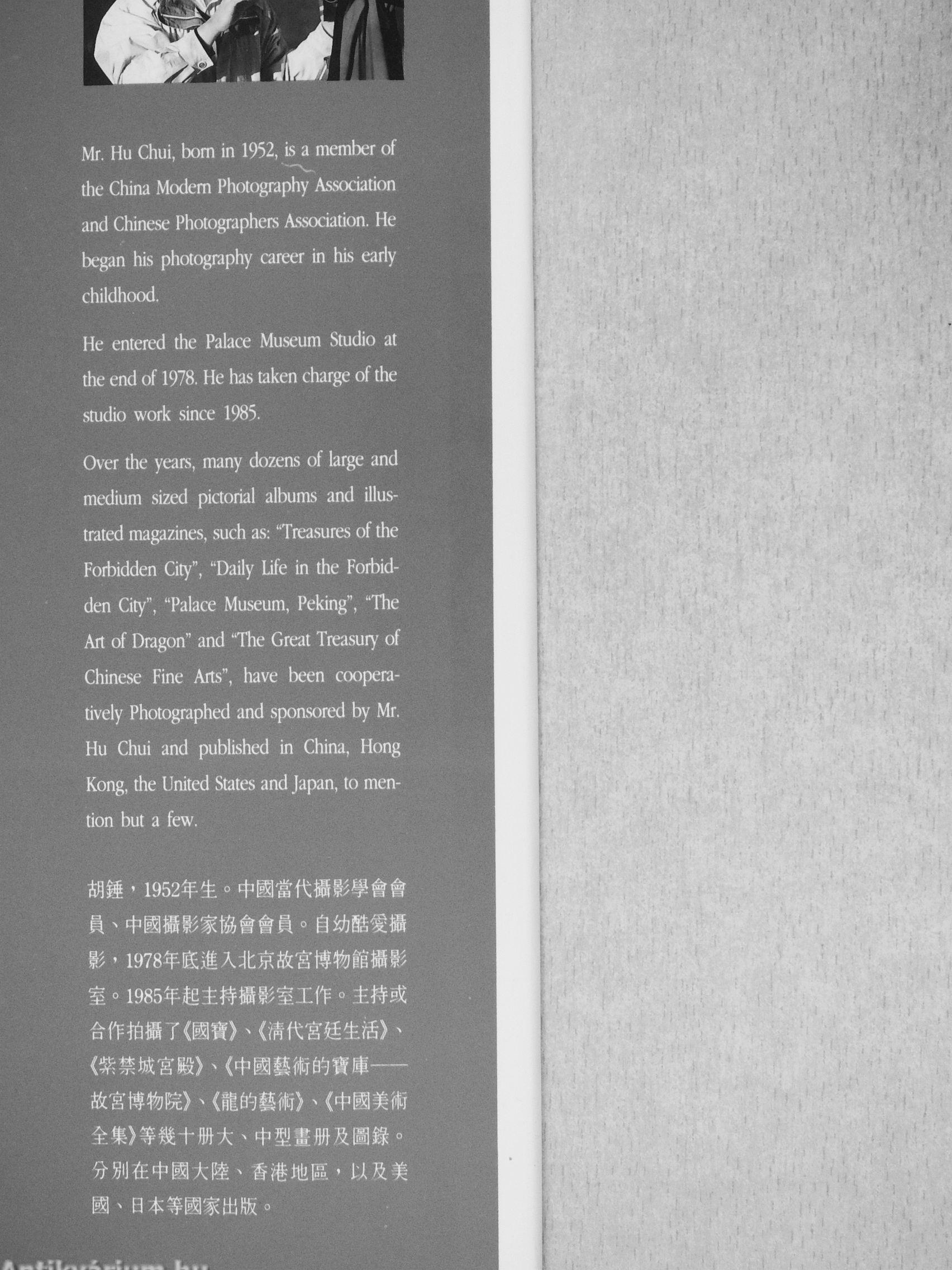
Mr. Hu Chui, bom in 1952, is a member of the China Modem Photography Association and Chinese Photographers Association. He began his photography career in his early childhood.
He entered the Palace Museum Studio at the end of 1978. He has taken chaige of the studio wortt since 1985.
Over the years, many dozens of large and medium sized pictorial albums and illustrated magazines, such as: Treasures of the Foibidden City", "Daily Life in the Forbidden City", "Palace Museum, Peidng", "The Art of Dragon" and "The Great Treasury of Chinese Fine Arts", have been cooperatively Photographed and sponsored by Mr. Hu Chui and published in China, Hong Kong, the United States and Japan, to mention but a few.
I'-'I. f'ft®
m • 1952^4 0
* > '^mmsMm^M. ° mmm ^' im^mxittM-^mmW'
^ tiSlfelS . lUai Vissza
Témakörök
- Idegennyelv > Idegennyelvű könyvek > Többnyelvű könyvek
- Művelődéstörténet > Civilizációtörténet > Keleti
- Művelődéstörténet > Kultúra > Története
- Helytörténet > Külföldi > Városok
- Művészetek > Fotóművészet > Albumok > Tematikus
- Művészetek > Fotóművészet > Idegen nyelv > Többnyelvű
- Művészetek > Fotóművészet > Témái > Városok > Külföldi
Megvásárolható példányok
Nincs megvásárolható példány
A könyv összes megrendelhető példánya elfogyott. Ha kívánja, előjegyezheti a könyvet, és amint a könyv egy újabb példánya elérhető lesz, értesítjük.
 Folytatás Microsoft-tal