
1.154.235
kiadvánnyal nyújtjuk Magyarország legnagyobb antikvár könyv-kínálatát

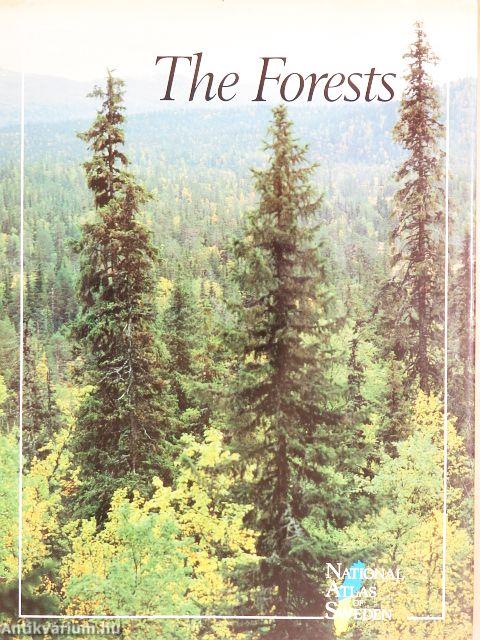
The Forests
Stockholm
| Kiadó: | SNA Publishing |
|---|---|
| Kiadás helye: | Stockholm |
| Kiadás éve: | |
| Kötés típusa: | Fűzött keménykötés |
| Oldalszám: | 144 oldal |
| Sorozatcím: | National Atlas of Sweden |
| Kötetszám: | |
| Nyelv: | Angol |
| Méret: | 33 cm x 25 cm |
| ISBN: | 91-87760-06-1 |
| Megjegyzés: | Színes és fekete-fehér fotókkal, térképekkel, illusztrációkkal. További kapcsolódó személyek a könyvben. |
Értesítőt kérek a kiadóról
Értesítőt kérek a sorozatról
A beállítást mentettük,
naponta értesítjük a beérkező friss
kiadványokról
naponta értesítjük a beérkező friss
kiadványokról
A beállítást mentettük,
naponta értesítjük a beérkező friss
kiadványokról
naponta értesítjük a beérkező friss
kiadványokról
Előszó
Tovább
Fülszöveg
The Forests
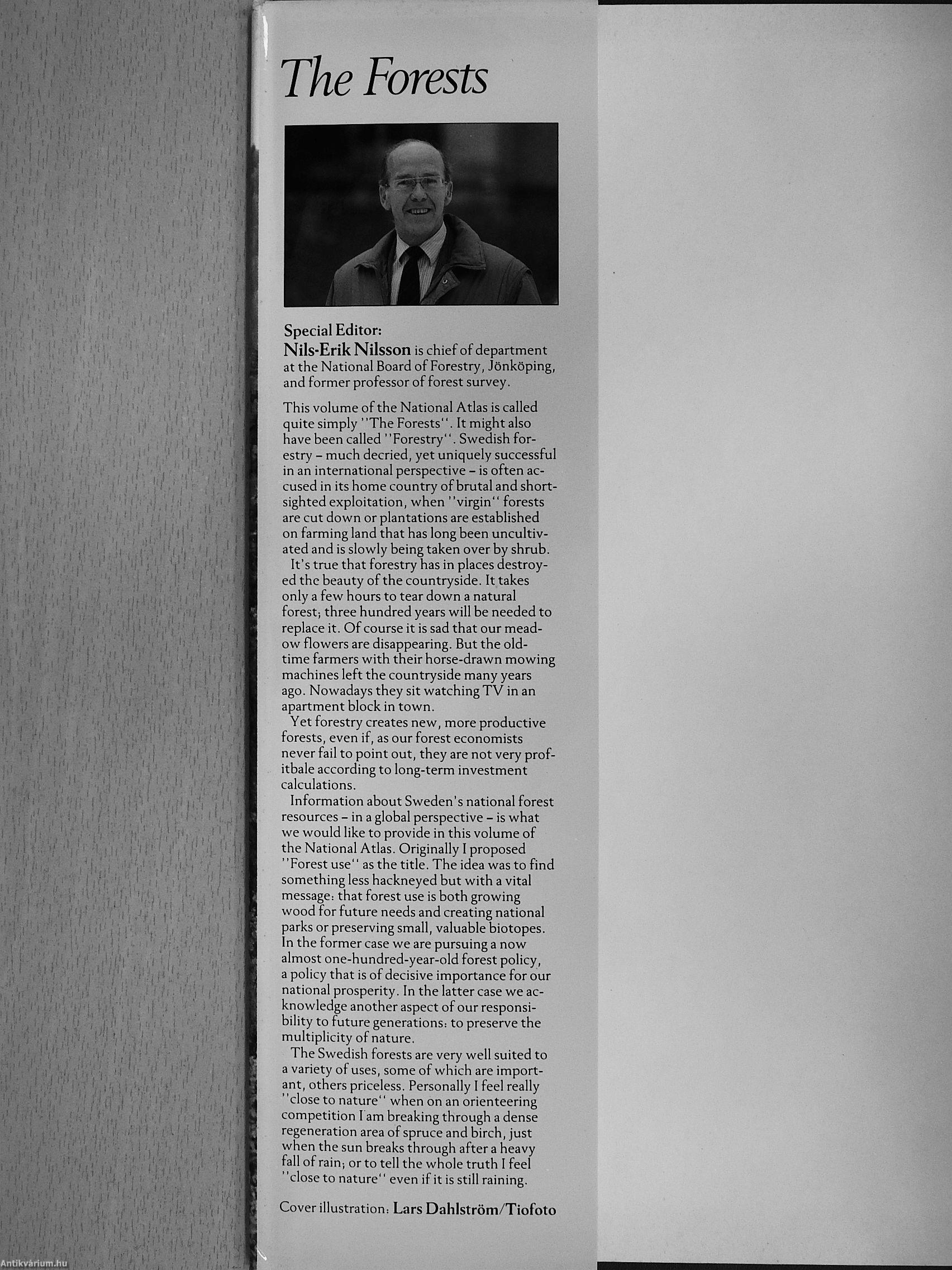
Special Editor:
Nils-Erik Nilsson is chief of department at the National Board of Forestry, JCnkOping, and former professor of forest survey.
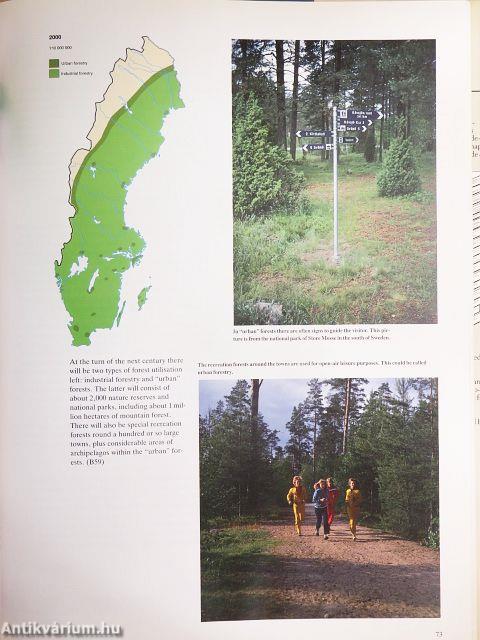
This volume of the National Atlas is called quite simply ' The Forests''. It might also have been called "Forestry". Swedish forestry - much decried, yet uniquely successful in an international perspective - is often accused in its home country of brutal and shortsighted exploitation, v/hen "virgin" forests are cut down or plantations are established on farming land that has long been uncultivated and is slowly being taken over by shrub.
It's true that forestry has in places destroyed the beauty of the countryside. It takes only a few hours to tear down a natural forest; three hundred years will be needed to replace it. Of course it is sad that our meadow flowers are disappearing. But the old-time farmers with their horse-drawn mowing machines left the countryside many years ago. Nowadays they sit watching TV in an... Tovább
Fülszöveg
The Forests
Special Editor:
Nils-Erik Nilsson is chief of department at the National Board of Forestry, JCnkOping, and former professor of forest survey.
This volume of the National Atlas is called quite simply ' The Forests''. It might also have been called "Forestry". Swedish forestry - much decried, yet uniquely successful in an international perspective - is often accused in its home country of brutal and shortsighted exploitation, v/hen "virgin" forests are cut down or plantations are established on farming land that has long been uncultivated and is slowly being taken over by shrub.
It's true that forestry has in places destroyed the beauty of the countryside. It takes only a few hours to tear down a natural forest; three hundred years will be needed to replace it. Of course it is sad that our meadow flowers are disappearing. But the old-time farmers with their horse-drawn mowing machines left the countryside many years ago. Nowadays they sit watching TV in an apartment block in town.
Yet forestry creates new, more productive forests, even if, as our forest economists never fail to point out, they are not very prof-itbale according to long-term investment calculations.
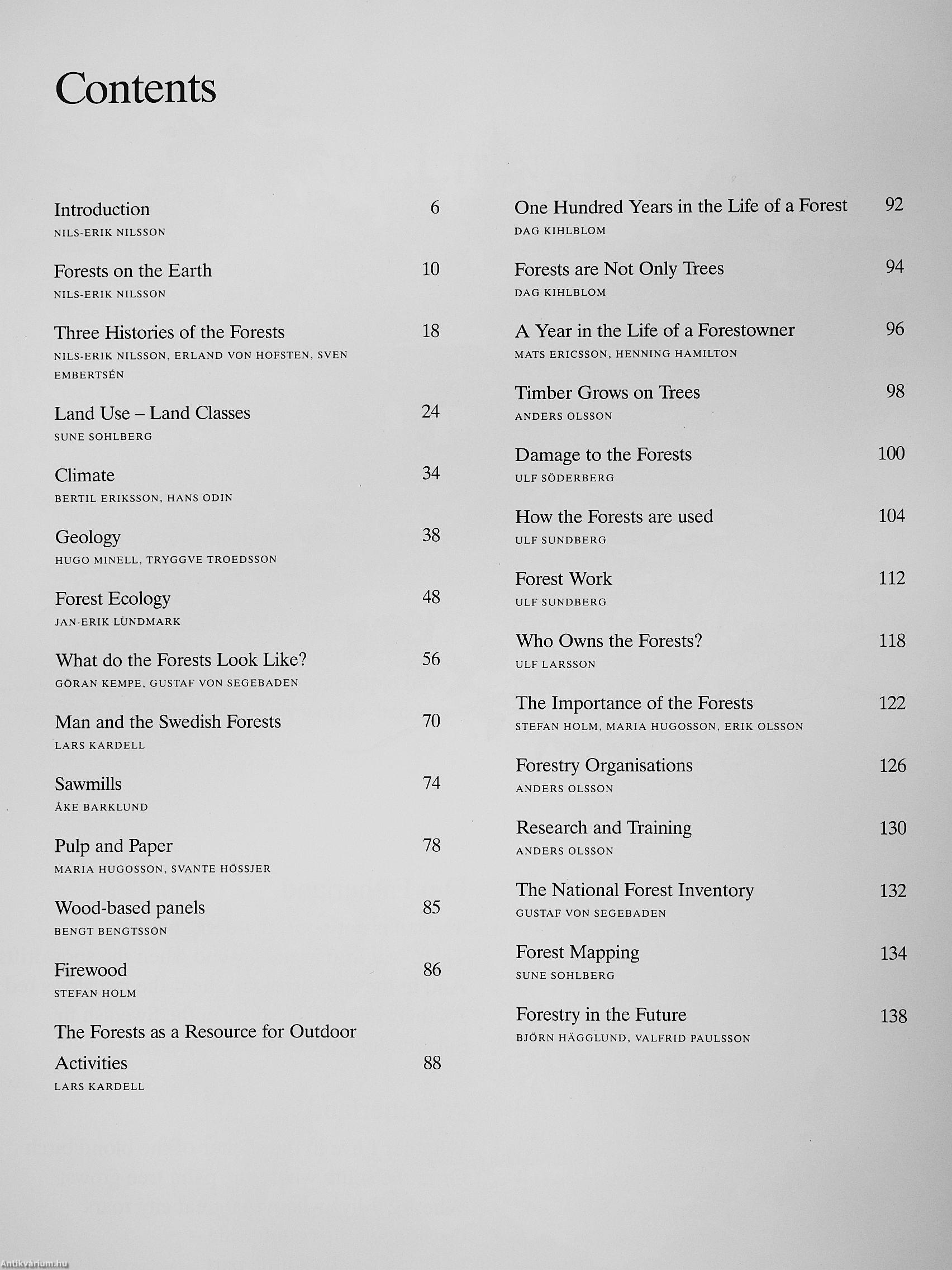
Information about Sweden's national forest resources - in a global perspective - is what we would like to provide in this volume of the National Atlas. Originally I proposed "Forest use" as the title. The idea was to find something less hackneyed but with a vital message: that forest use is both growing wood for future needs and creating national parks or preserving small, valuable biotopes. In the former case we are pursuing a now almost one-hundred-year-old forest policy, a policy that is of decisive importance for our national prosperity. In the latter case we acknowledge another aspect of our responsibility to future generations: to preserve the multiplicity of nature.
The Swedish forests are very well suited to a variety of uses, some of which are important, others priceless, Personally I feel really "close to nature" when on an orienteering competition l am breaking through a dense regeneration area of spruce and birch, just when the sun breaks through after a heavy fall of rain; or to tell the whole truth I feel "close to nature" even if it is still raining.
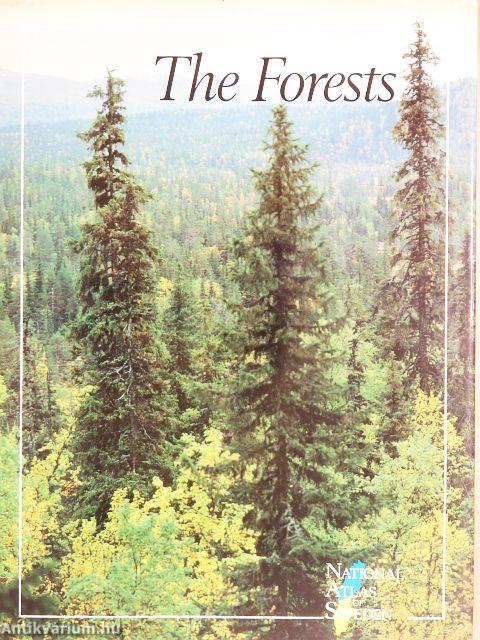
Cover illustration: Lars Dalilstrom/Tiofoto Vissza
Témakörök
- Idegennyelv > Idegennyelvű könyvek > Angol > Egyéb
- Idegennyelv > Idegennyelvű könyvek > Angol > Természettudományok > Földrajz
- Idegennyelv > Idegennyelvű könyvek > Angol > Természettudományok > Egyéb
- Mezőgazdaság > Erdőgazdálkodás > Egyéb
- Természettudomány > Növényvilág > Fák > Egyéb
- Természettudomány > Növényvilág > Növénytan > Növényföldrajz
- Természettudomány > Földrajz > Kontinensek földrajza > Téma szerint > Növényzet, állatvilág
- Természettudomány > Földrajz > Kontinensek földrajza > Topográfia szerint > Európa
- Természettudomány > Földrajz > Idegen nyelv > Angol
Megvásárolható példányok
Állapotfotók
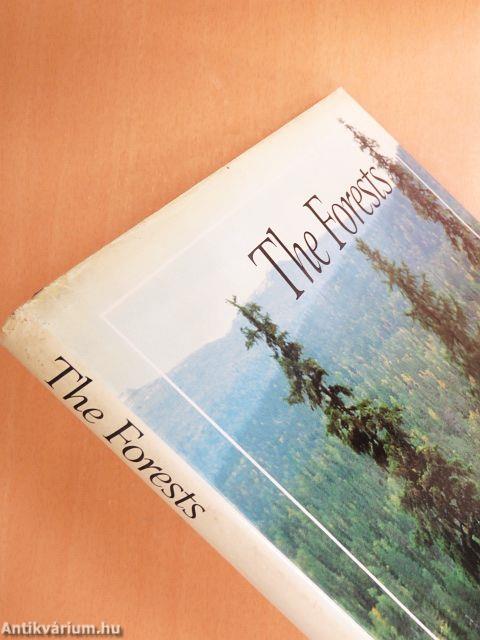
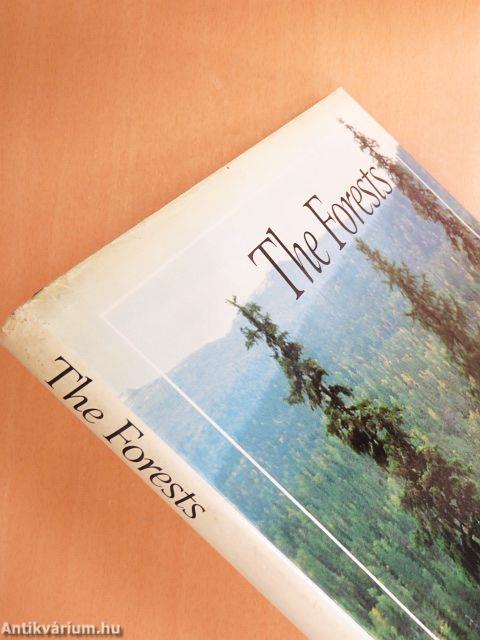
A védőborító foltos.
Állapot:
Jó
15.000 ,-Ft
75
pont kapható
Kosárba
 Folytatás Microsoft-tal