
1.152.548
kiadvánnyal nyújtjuk Magyarország legnagyobb antikvár könyv-kínálatát

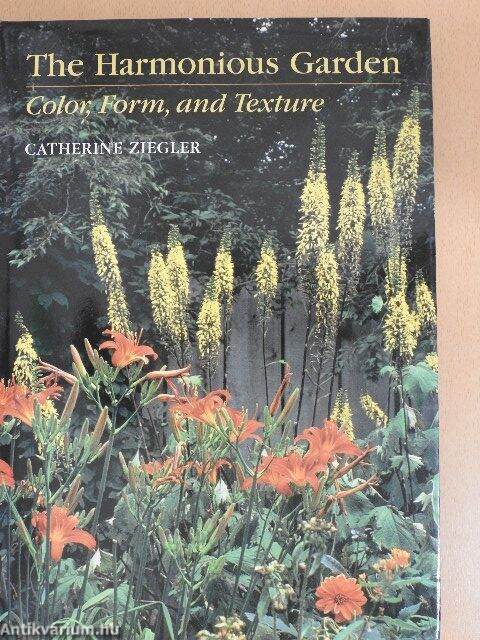
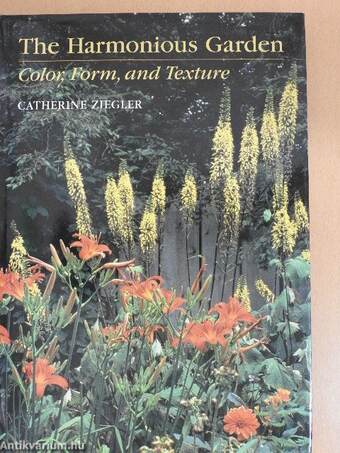
The Harmonious Garden
Color, Form, and Texture

Oregon
| Kiadó: | Timber Press |
|---|---|
| Kiadás helye: | Oregon |
| Kiadás éve: | |
| Kötés típusa: | Varrott keménykötés |
| Oldalszám: | 292 oldal |
| Sorozatcím: | |
| Kötetszám: | |
| Nyelv: | Angol |
| Méret: | 27 cm x 19 cm |
| ISBN: | 0-88192-348-6 |
| Megjegyzés: | A szerző színes fotóival, és fekete-fehér ábrákkal illusztrálva. |
Értesítőt kérek a kiadóról
A beállítást mentettük,
naponta értesítjük a beérkező friss
kiadványokról
naponta értesítjük a beérkező friss
kiadványokról
A beállítást mentettük,
naponta értesítjük a beérkező friss
kiadványokról
naponta értesítjük a beérkező friss
kiadványokról
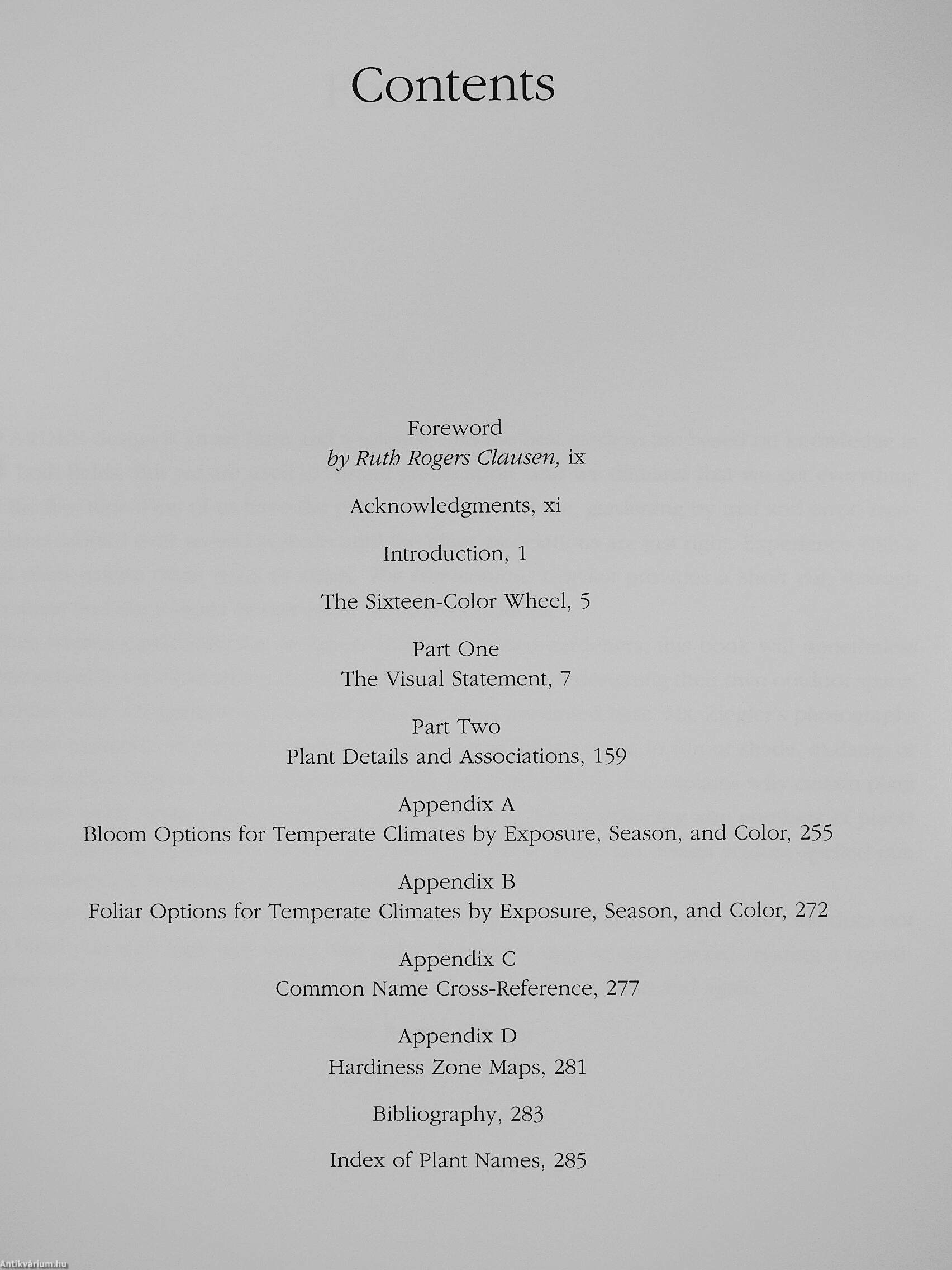
Előszó
Tovább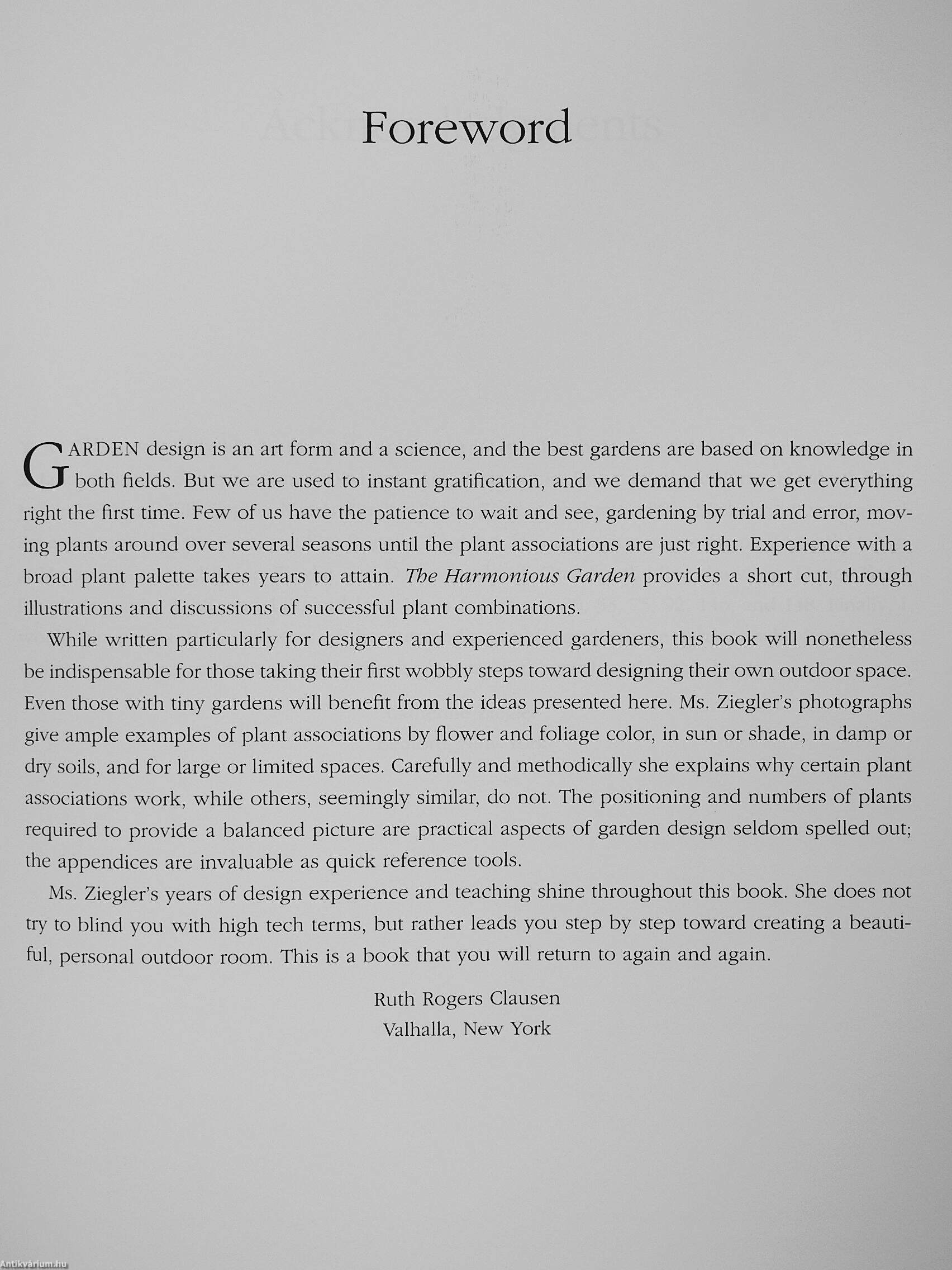
Fülszöveg
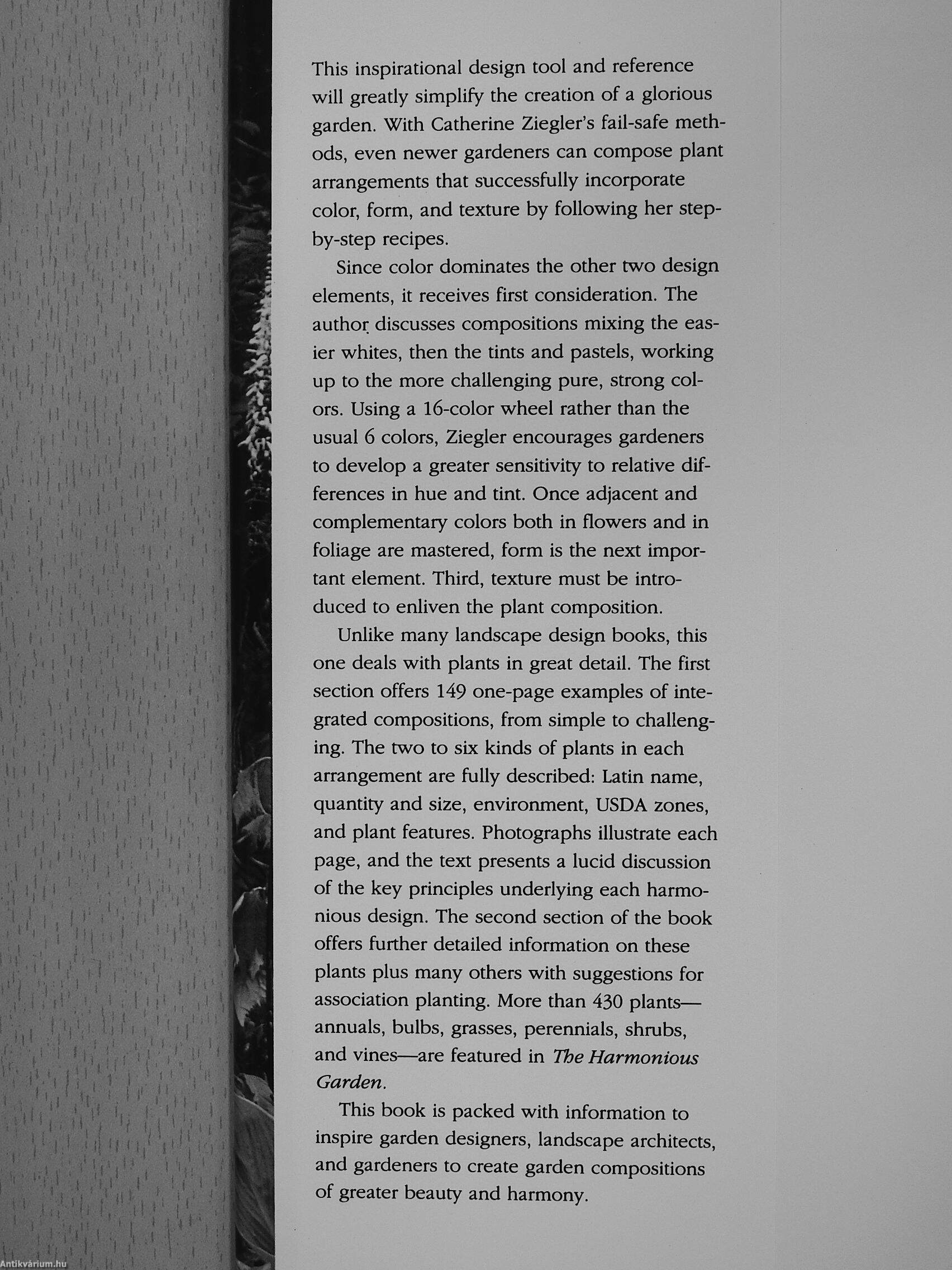
This inspirational design tool and reference will greatly simplify the creation of a glorious garden. With Catherine Ziegler's fail-safe methods, even newer gardeners can compose plant arrangements that successfully incorporate color, form, and texture by following her step-by-step recipes.
Since color dominates the other two design elements, it receives first consideration. The author discusses compositions mixing the easier whites, then the tints and pastels, working up to the more challenging pure, strong colors. Using a l6-color wheel rather than the usual 6 colors, Ziegler encourages gardeners to develop a greater sensitivity to relative differences in hue and tint. Once adjacent and complementary colors both in flowers and in foliage are mastered, form is the next important element. Third, texture must be introduced to enliven the plant composition.
Unlike many landscape design books, this one deals with plants in great detail. The first section offers 149 one-page... Tovább
Fülszöveg
This inspirational design tool and reference will greatly simplify the creation of a glorious garden. With Catherine Ziegler's fail-safe methods, even newer gardeners can compose plant arrangements that successfully incorporate color, form, and texture by following her step-by-step recipes.
Since color dominates the other two design elements, it receives first consideration. The author discusses compositions mixing the easier whites, then the tints and pastels, working up to the more challenging pure, strong colors. Using a l6-color wheel rather than the usual 6 colors, Ziegler encourages gardeners to develop a greater sensitivity to relative differences in hue and tint. Once adjacent and complementary colors both in flowers and in foliage are mastered, form is the next important element. Third, texture must be introduced to enliven the plant composition.
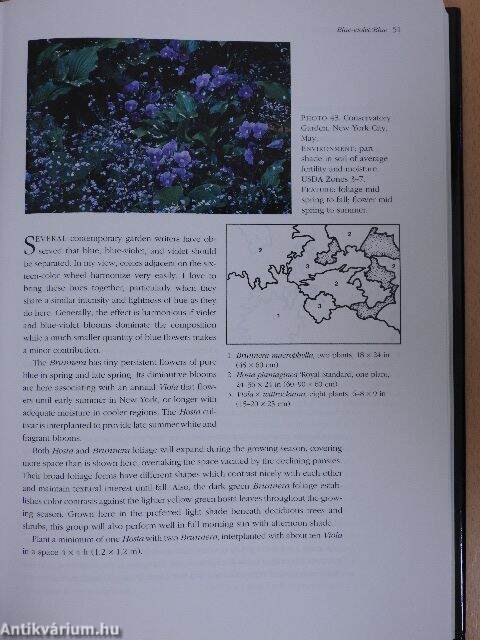
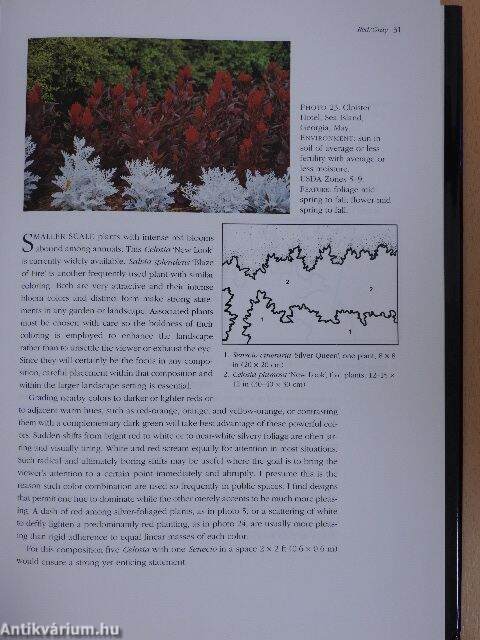
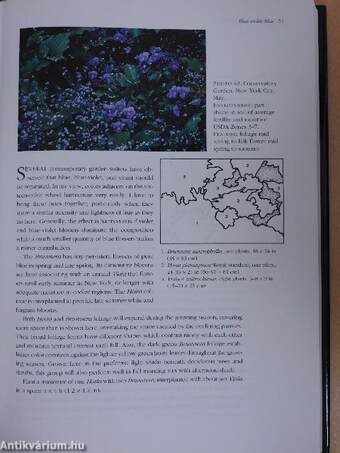
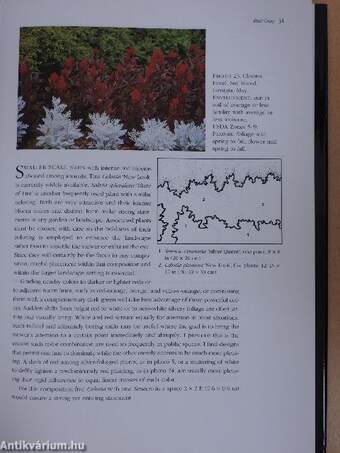
Unlike many landscape design books, this one deals with plants in great detail. The first section offers 149 one-page examples of integrated compositions, from simple to challenging. The two to six kinds of plants in each arrangement are fully described: Latin name, quantity and size, environment, USDA zones, and plant features. Photographs illustrate each page, and the text presents a lucid discussion of the key principles underlying each harmonious design. The second section of the book offers further detailed information on these plants plus many others with suggestions for association planting. More than 430 plants— annuals, bulbs, grasses, perennials, shrubs, and vines—are featured in The Harmonious Garden.
This book is packed with information to inspire garden designers, landscape architects, and gardeners to create garden compositions of greater beauty and harmony. Vissza
Témakörök
- Idegennyelv > Idegennyelvű könyvek > Angol > Művészetek > Építészet
- Idegennyelv > Idegennyelvű könyvek > Angol > Természettudományok > Egyéb
- Természettudomány > Növényvilág > Kertépítés, parképítés
- Művészetek > Építészet > Idegen nyelv > Angol
- Művészetek > Építészet > Épületek > Családi házak > Kert
- Hobbi > Egyéb
- Idegennyelv > Idegennyelvű könyvek > Angol > Hobbi > Egyéb

Catherine Ziegler
Catherine Ziegler műveinek az Antikvarium.hu-n kapható vagy előjegyezhető listáját itt tekintheti meg: Catherine Ziegler könyvek, művekMegvásárolható példányok
Nincs megvásárolható példány
A könyv összes megrendelhető példánya elfogyott. Ha kívánja, előjegyezheti a könyvet, és amint a könyv egy újabb példánya elérhető lesz, értesítjük.
 Folytatás Microsoft-tal