
1.148.381
kiadvánnyal nyújtjuk Magyarország legnagyobb antikvár könyv-kínálatát

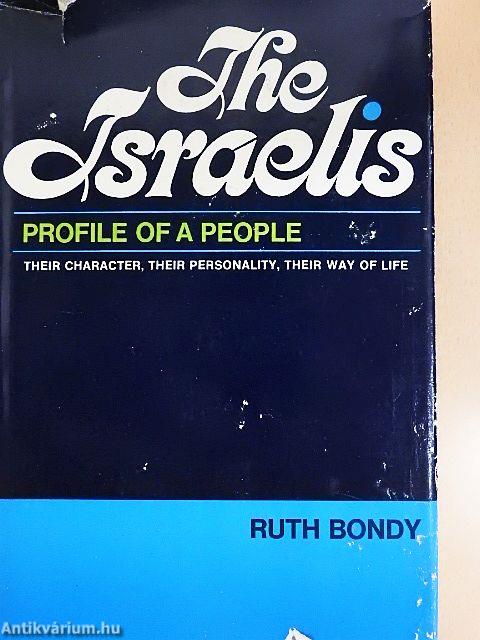
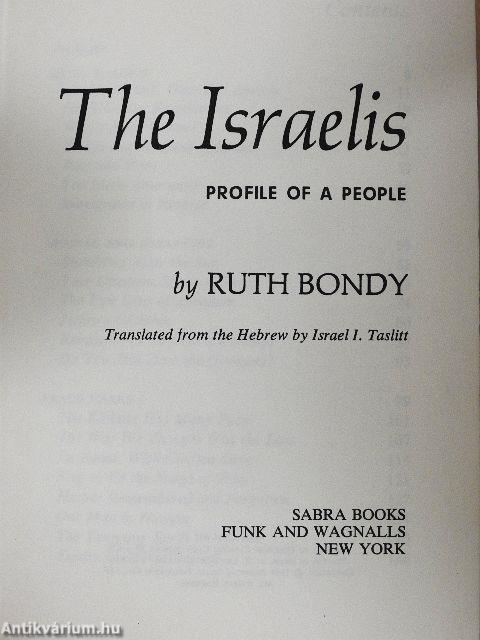
The Israelis
Profile of a People/Their character, their personality, their way of life
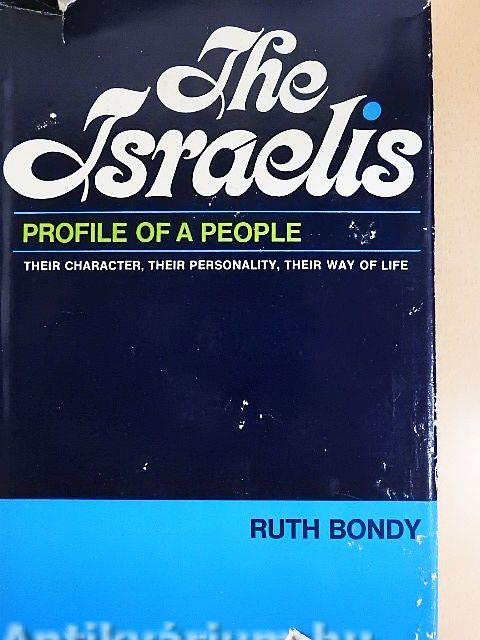
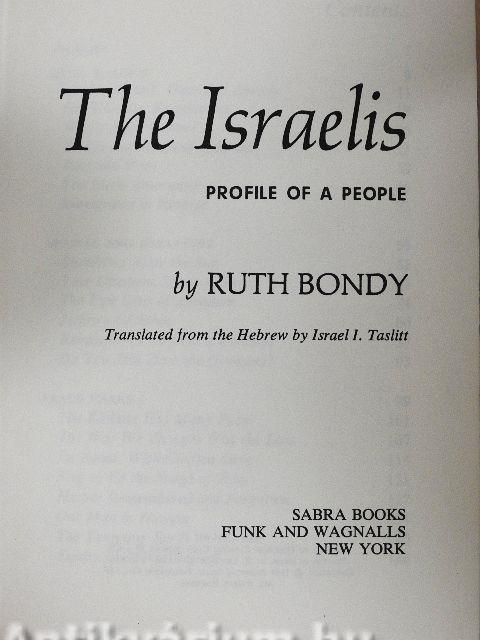
New York
| Kiadó: | Sabra Books-Funk and Wagnalls |
|---|---|
| Kiadás helye: | New York |
| Kiadás éve: | |
| Kötés típusa: | Vászon |
| Oldalszám: | 319 oldal |
| Sorozatcím: | |
| Kötetszám: | |
| Nyelv: | Angol |
| Méret: | 22 cm x 14 cm |
| ISBN: | |
Értesítőt kérek a kiadóról
A beállítást mentettük,
naponta értesítjük a beérkező friss
kiadványokról
naponta értesítjük a beérkező friss
kiadványokról
A beállítást mentettük,
naponta értesítjük a beérkező friss
kiadványokról
naponta értesítjük a beérkező friss
kiadványokról
Előszó
Tovább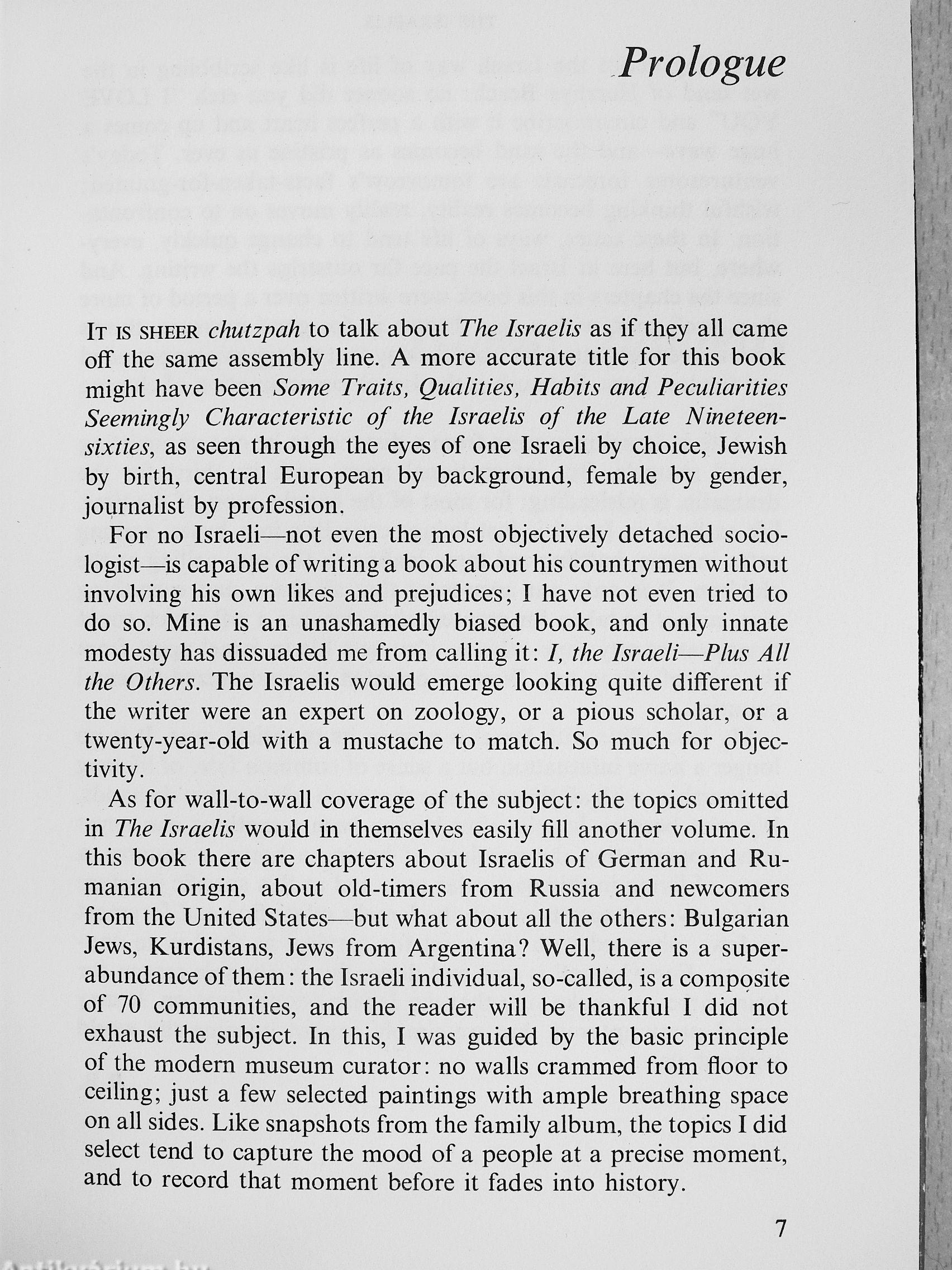
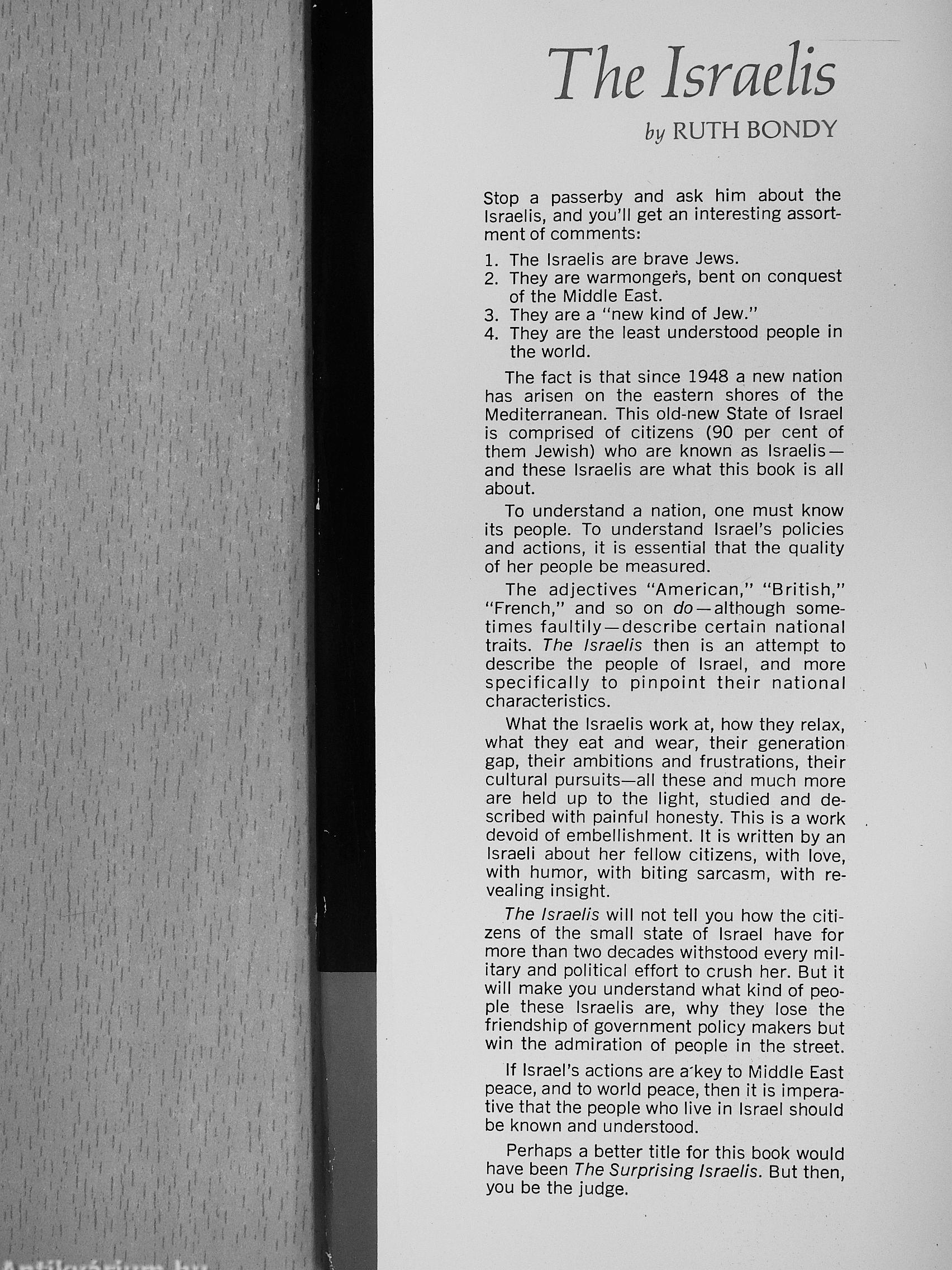
Fülszöveg
The Israelis
by RUTH BONDY
stop a passerby and ask him about the Israelis, and you'll get an Interesting assortment of comments:
1. The Israelis are brave Jews.
2. They are warmongers, bent on conquest
of the Middle East.
3. They are a "new kind of Jew."
4. They are the least understood people in
the world.
The fact is that since 1948 a new nation has arisen on the eastern shores of the Mediterranean. This old-new State of Israel is comprised of citizens (90 per cent of them Jewish) who are known as Israelis — and these Israelis are what this book Is all about.
To understand a nation, one must know its people. To understand Israel's policies and actions, it is essential that the quality of her people be measured.
The adjectives "American," "British," "French," and so on do —although sometimes faultily —describe certain national traits. The Israelis then is an attempt to describe the people of Israel, and more specifically to pinpoint their national characteristics.... Tovább
Fülszöveg
The Israelis
by RUTH BONDY
stop a passerby and ask him about the Israelis, and you'll get an Interesting assortment of comments:
1. The Israelis are brave Jews.
2. They are warmongers, bent on conquest
of the Middle East.
3. They are a "new kind of Jew."
4. They are the least understood people in
the world.
The fact is that since 1948 a new nation has arisen on the eastern shores of the Mediterranean. This old-new State of Israel is comprised of citizens (90 per cent of them Jewish) who are known as Israelis — and these Israelis are what this book Is all about.
To understand a nation, one must know its people. To understand Israel's policies and actions, it is essential that the quality of her people be measured.
The adjectives "American," "British," "French," and so on do —although sometimes faultily —describe certain national traits. The Israelis then is an attempt to describe the people of Israel, and more specifically to pinpoint their national characteristics.
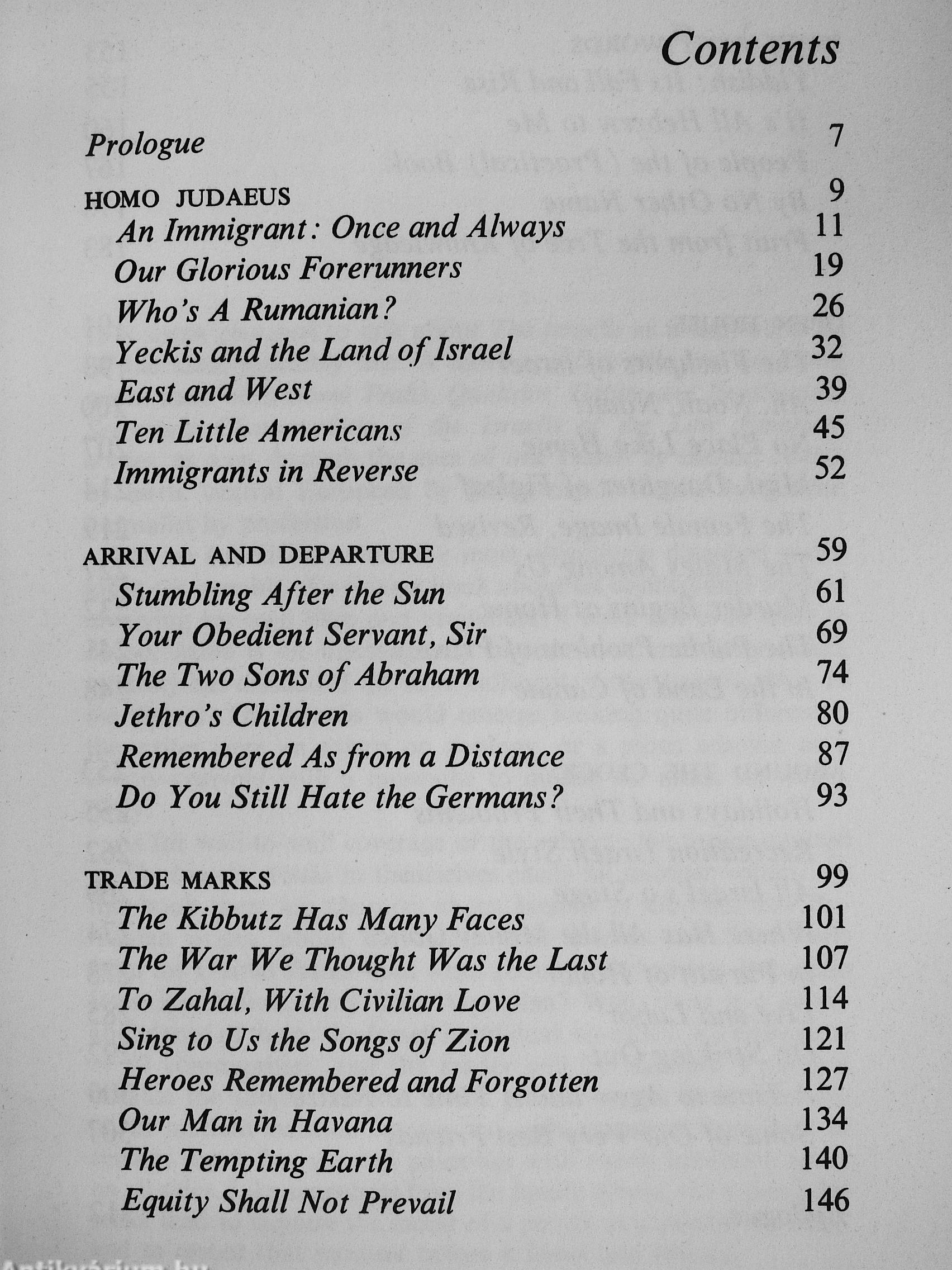
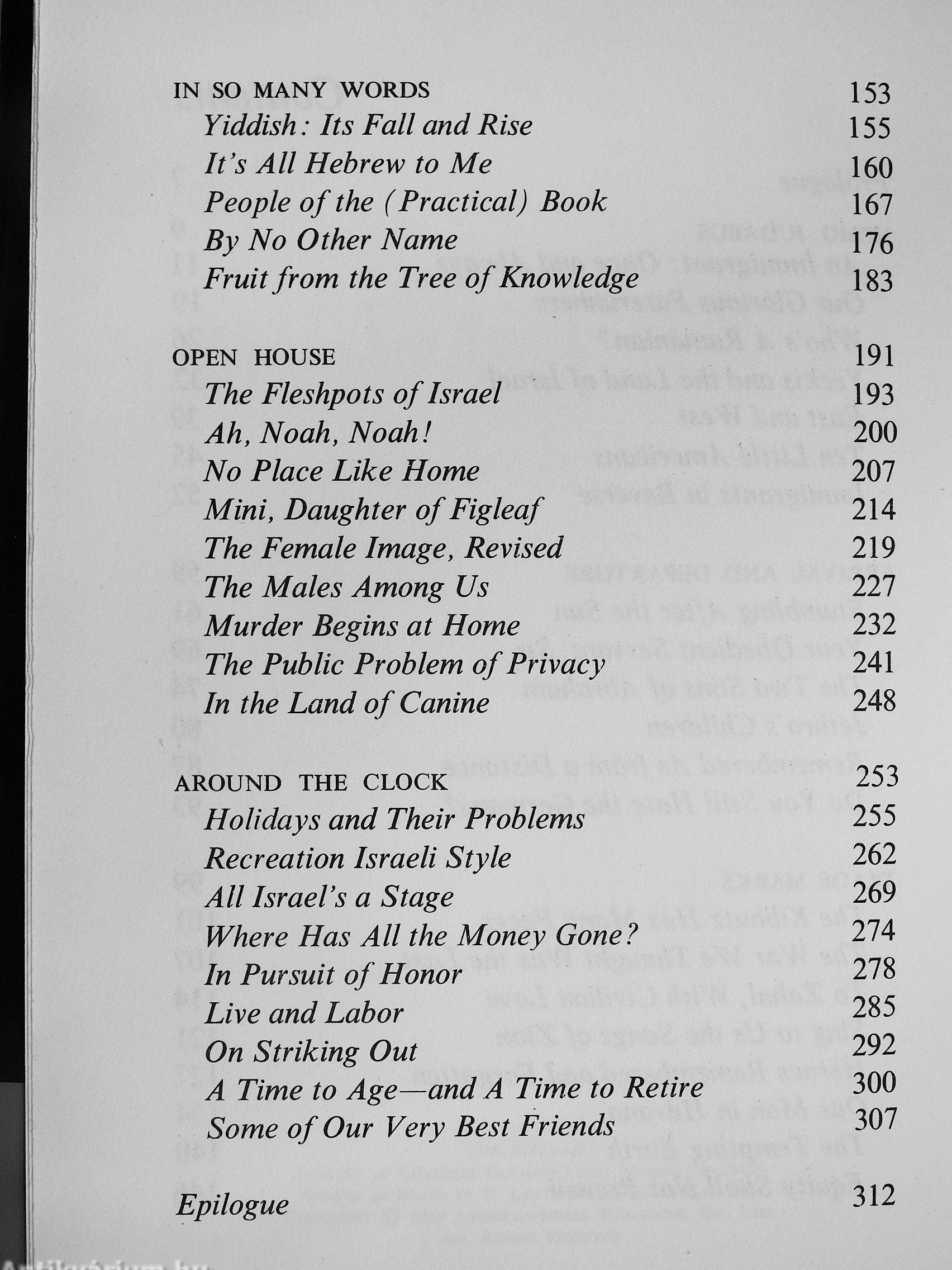
What the Israelis work at, how they relax, what they eat and wear, their generation gap, their ambitions and frustrations, their cultural pursuits—all these and much more are held up to the light, studied and described with painful honesty. This is a work devoid of embellishment. It is written by an Israeli about her fellow citizens, with love, with humor, with biting sarcasm, with revealing insight.
The Israelis will not tell you how the citizens of the small state of Israel have for more than two decades withstood every military and political effort to crush her. But it will make you understand what kind of people these Israelis are, why they lose the friendship of government policy makers but win the admiration of people in the street.
If Israel's actions are a'key to Middle East peace, and to world peace, then It is imperative that the people who live in Israel should be known and understood.
Perhaps a better title for this book would have been The Surprising Israelis. But then, you be the judge.
RUTH BONDY
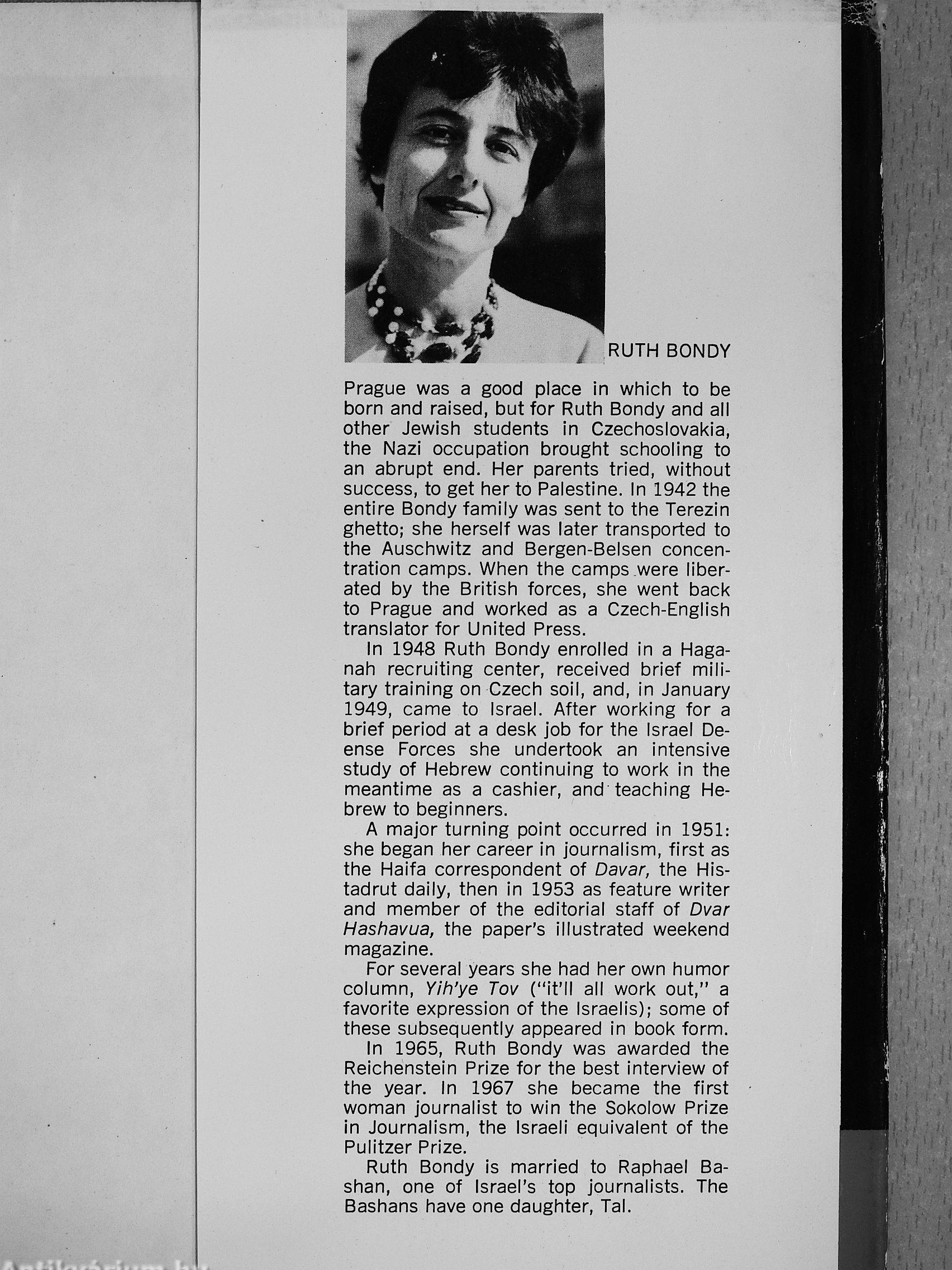
Prague was a good place in which to be born and raised, but for Ruth Bondy and all other Jewish students in Czechoslovakia, the Nazi occupation brought schooling to an abrupt end. Her parents tried, without success, to get her to Palestine. In 1942 the entire Bondy family was sent to the Terezin ghetto; she herself was later transported to the Auschwitz and Bergen-Belsen concentration camps. When the camps were liberated by the British forces, she went back to Prague and worked as a Czech-English translator for United Press.
In 1948 Ruth Bondy enrolled in a Haga-nah recruiting center, received brief military training on Czech soil, and, in January 1949, came to Israel. After working for a brief period at a desk job for the Israel De-ense Forces she undertook an intensive study of Hebrew continuing to work in the meantime as a cashier, and teaching Hebrew to beginners.
A major turning point occurred in 1951: she began her career in journalism, first as the Haifa correspondent of Davar, the His-tadrut daily, then in 1953 as feature writer and member of the editorial staff of Dvar Hashavua, the paper's illustrated weekend magazine.
For several years she had her own humor column, Yih'ye Tov ("it'll all work out," a favorite expression of the Israelis); some of these subsequently appeared in book form.
In 1965, Ruth Bondy was awarded the Reichensteln Prize for the best interview of the year. In 1967 she became the first woman journalist to win the Sokolow Prize in Journalism, the Israeli equivalent of the Pulitzer Prize.
Ruth Bondy is married to Raphael Ba-shan, one of Israel's top Journalists. The Bashans have one daughter, Tal.
' .1 i;
!I '1 ' 1 I
Vissza
Témakörök
- Idegennyelv > Idegennyelvű könyvek > Angol > Művelődéstörténet
- Idegennyelv > Idegennyelvű könyvek > Angol > Helytörténet
- Művelődéstörténet > Civilizációtörténet > Keleti
- Művelődéstörténet > Kultúra > Kultúrantropológia
- Helytörténet > Külföldi > Egyéb
- Helytörténet > Honismeret > Országos
- Szociológia > Szakszociológiák
- Idegennyelv > Idegennyelvű könyvek > Angol > Szociológia > Szakszociológiák
- Idegennyelv > Idegennyelvű könyvek > Angol > Szociológia > Társadalmi csoportok > Kisebbségek > Zsidóság
- Szociológia > Társadalmi csoportok > Kisebbségek > Zsidóság > Egyéb
Ruth Bondy
Ruth Bondy műveinek az Antikvarium.hu-n kapható vagy előjegyezhető listáját itt tekintheti meg: Ruth Bondy könyvek, művekMegvásárolható példányok
Állapotfotók
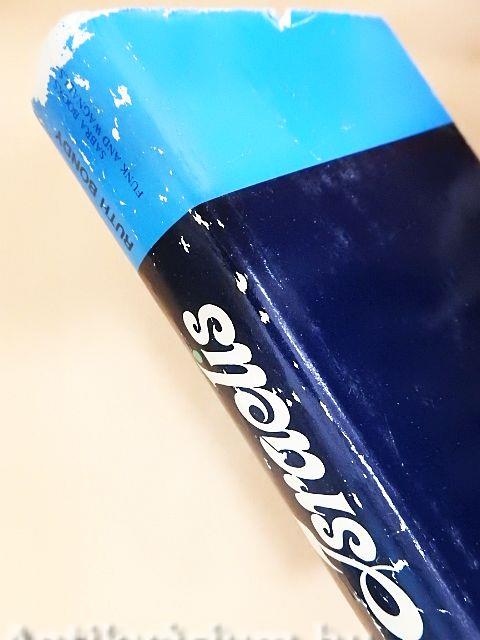
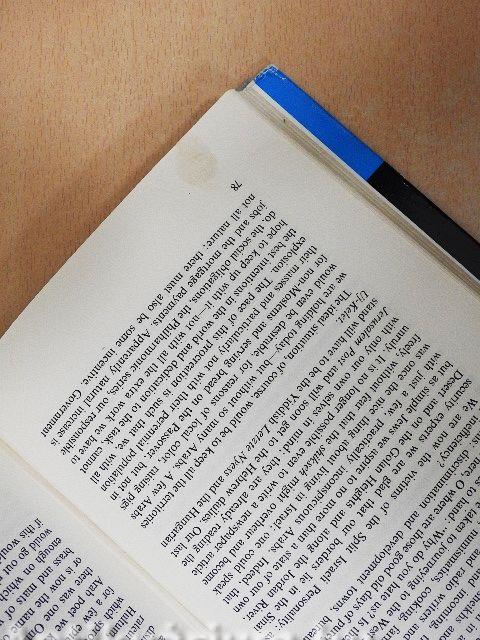
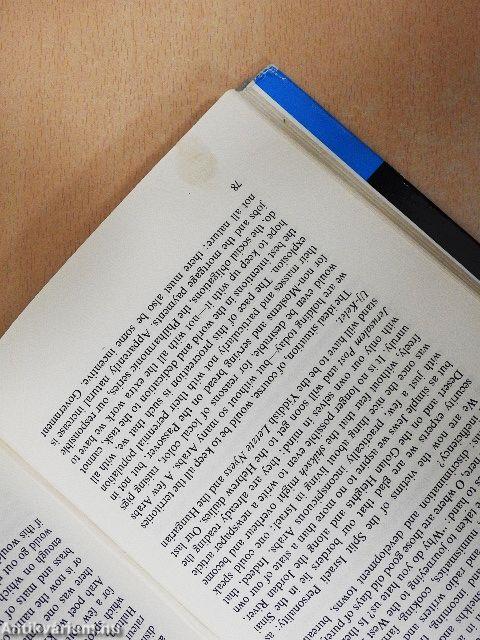
A védőborító széle kopott, szakadt, hiányos. Néhány lap foltos.
Állapot:
Jó
3.240 ,-Ft
16
pont kapható
Kosárba
 Folytatás Microsoft-tal