
1.137.690
kiadvánnyal nyújtjuk Magyarország legnagyobb antikvár könyv-kínálatát

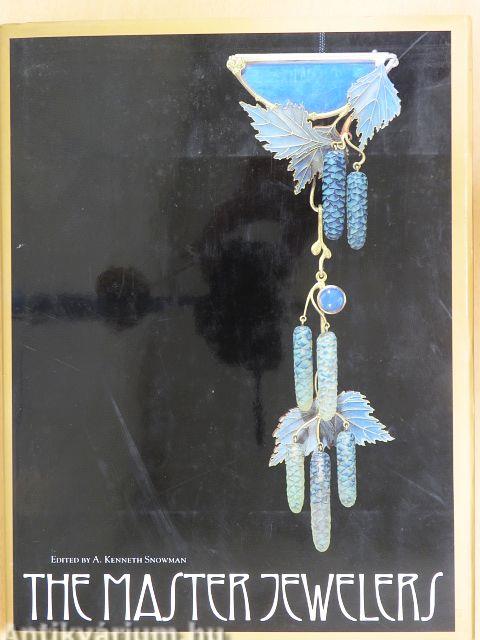
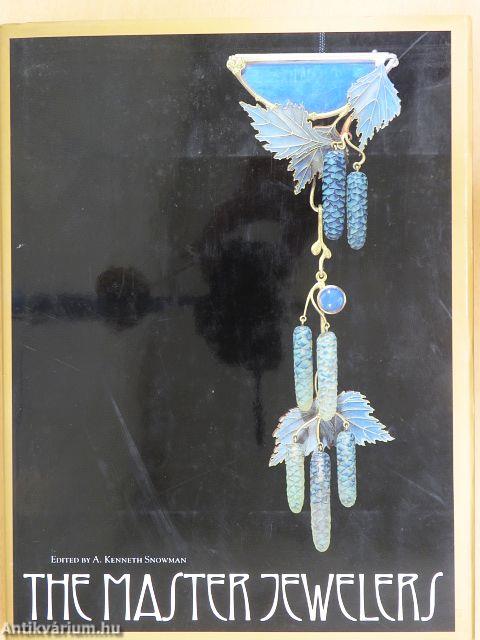
The Master Jewelers
New York
| Kiadó: | Harry N. Abrams, Inc., Publishers |
|---|---|
| Kiadás helye: | New York |
| Kiadás éve: | |
| Kötés típusa: | Vászon |
| Oldalszám: | 262 oldal |
| Sorozatcím: | |
| Kötetszám: | |
| Nyelv: | Angol |
| Méret: | 31 cm x 24 cm |
| ISBN: | 0-8109-3606-2 |
| Megjegyzés: | Színes és fekete-fehér fotókkal. |
Értesítőt kérek a kiadóról
A beállítást mentettük,
naponta értesítjük a beérkező friss
kiadványokról
naponta értesítjük a beérkező friss
kiadványokról
A beállítást mentettük,
naponta értesítjük a beérkező friss
kiadványokról
naponta értesítjük a beérkező friss
kiadványokról
Előszó
Tovább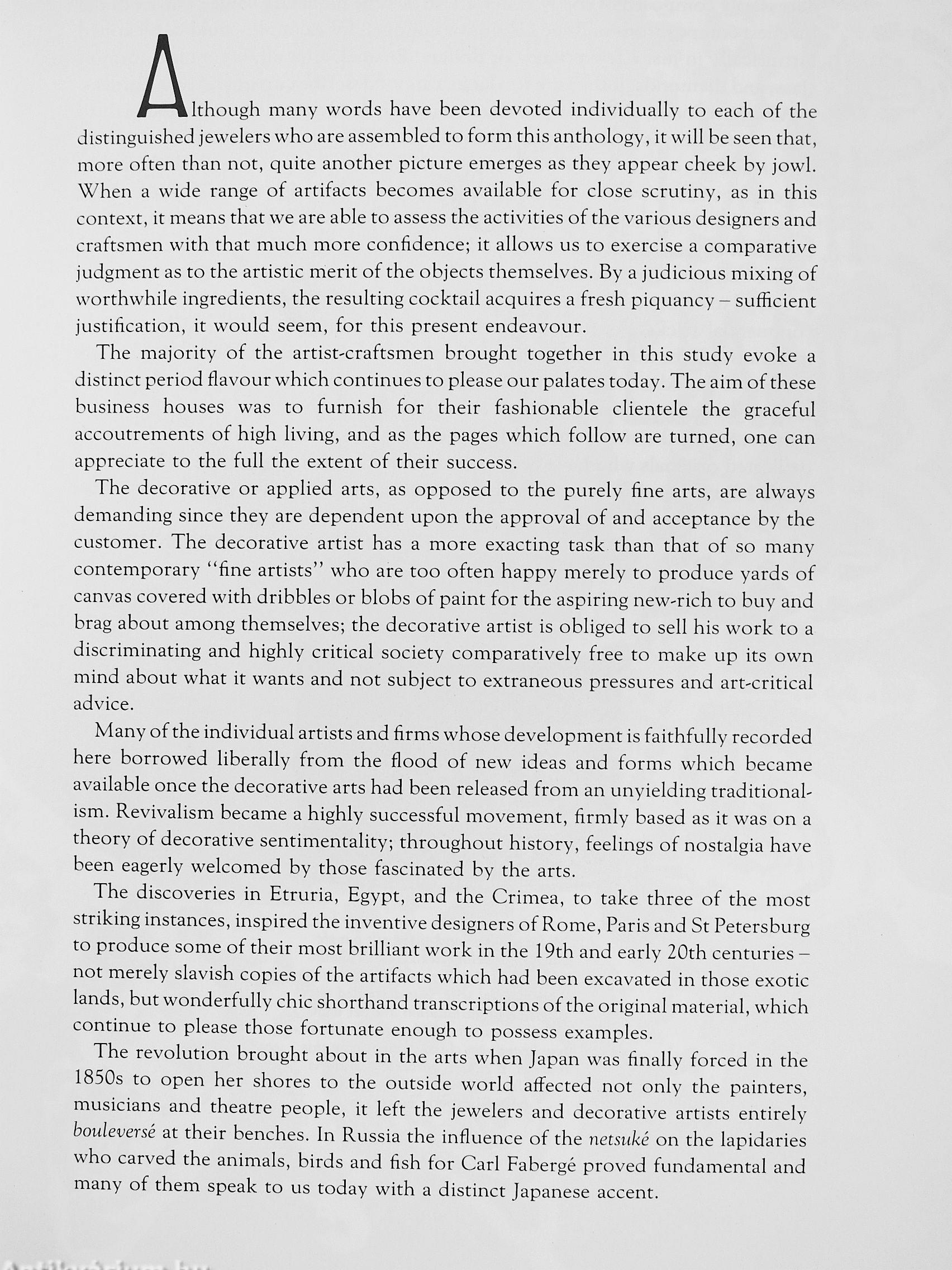
Fülszöveg
I
I
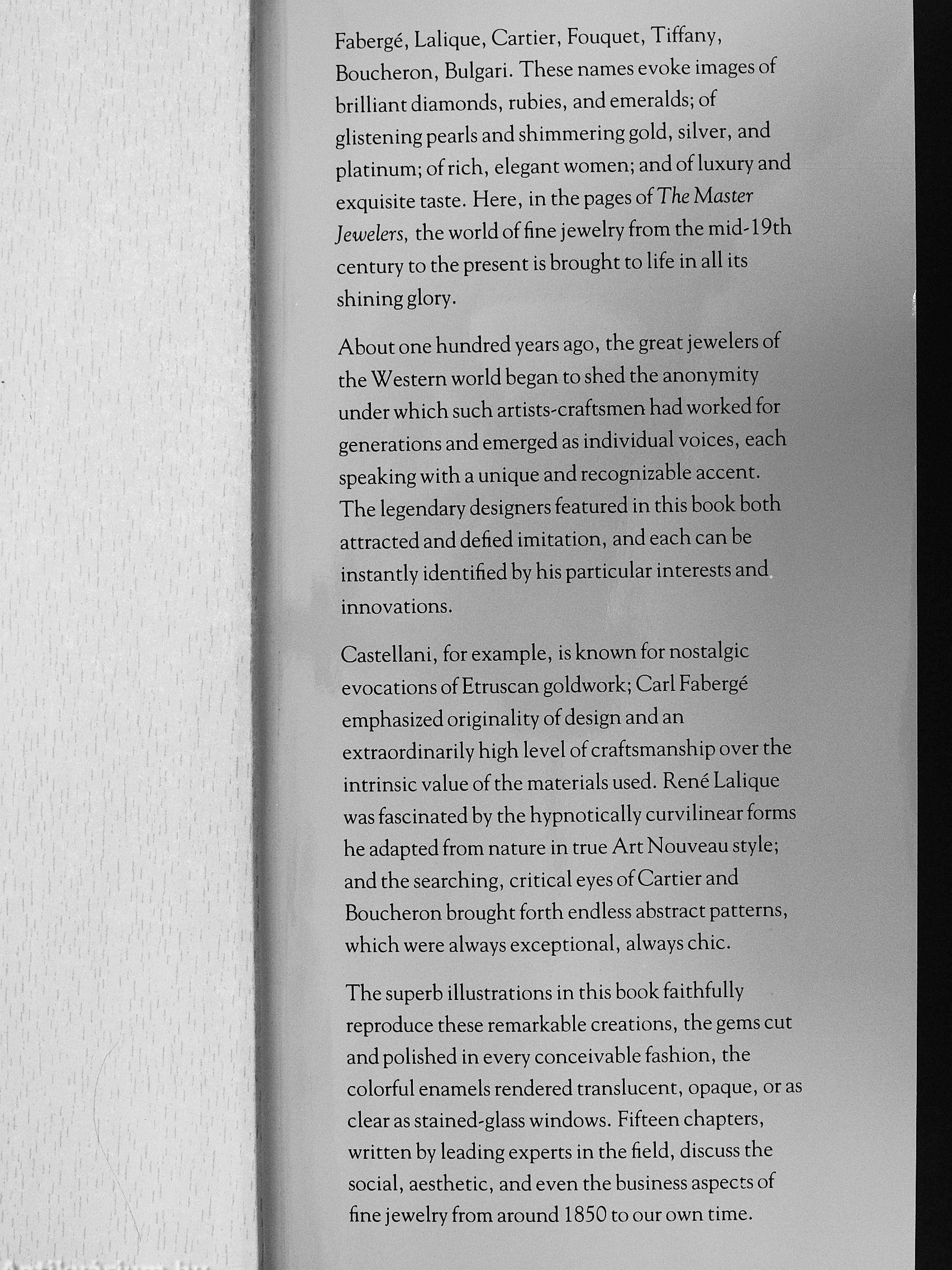
Fabergé, Lalique, Cartier, Fouquet, Tiffany, Boucheron, Bulgari. These names evoke images of brilliant diamonds, rubies, and emeralds; of glistening pearls and shimmering gold, silver, and platinum; of rich, elegant women; and of luxury and exquisite taste. Here, in the pages of The Master Jewelers, the world of fine jewelry from the mid-19th century to the present is brought to life in all its shining glory.
About one hundred years ago, the great jewelers of the Western world began to shed the anonymity under which such artists-craftsmen had worked for generations and emerged as individual voices, each speaking with a unique and recognizable accent. The legendary designers featured in this book both attracted and defied imitation, and each can be instantly identified by his particular interests and innovations.
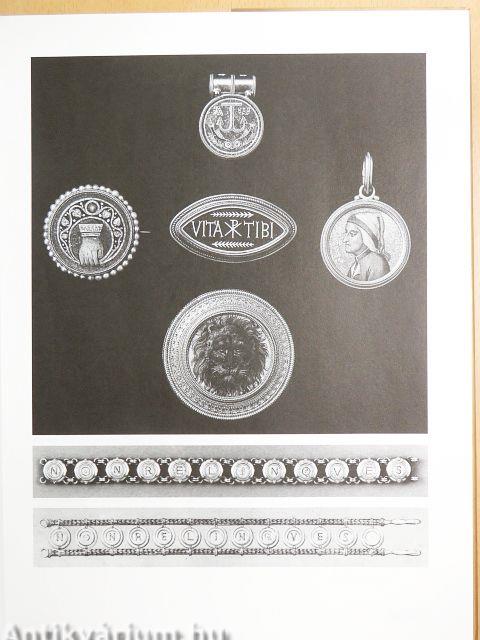
Castellani, for example, is known for nostalgic evocations of Etruscan goldwork; Carl Fabergé emphasized originality of design and an extraordinarily high level of... Tovább
Fülszöveg
I
I
Fabergé, Lalique, Cartier, Fouquet, Tiffany, Boucheron, Bulgari. These names evoke images of brilliant diamonds, rubies, and emeralds; of glistening pearls and shimmering gold, silver, and platinum; of rich, elegant women; and of luxury and exquisite taste. Here, in the pages of The Master Jewelers, the world of fine jewelry from the mid-19th century to the present is brought to life in all its shining glory.
About one hundred years ago, the great jewelers of the Western world began to shed the anonymity under which such artists-craftsmen had worked for generations and emerged as individual voices, each speaking with a unique and recognizable accent. The legendary designers featured in this book both attracted and defied imitation, and each can be instantly identified by his particular interests and innovations.
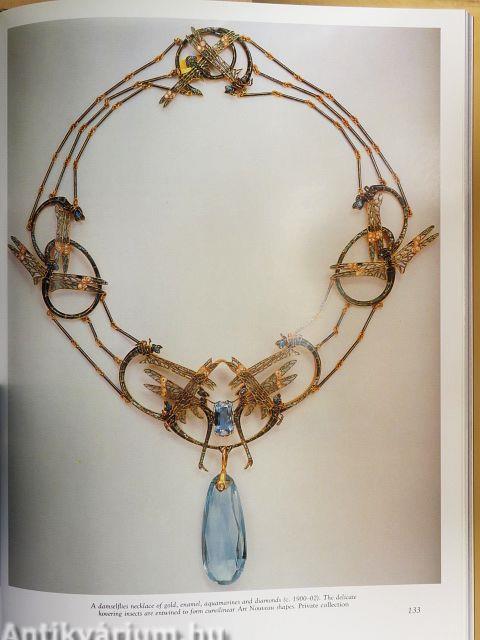
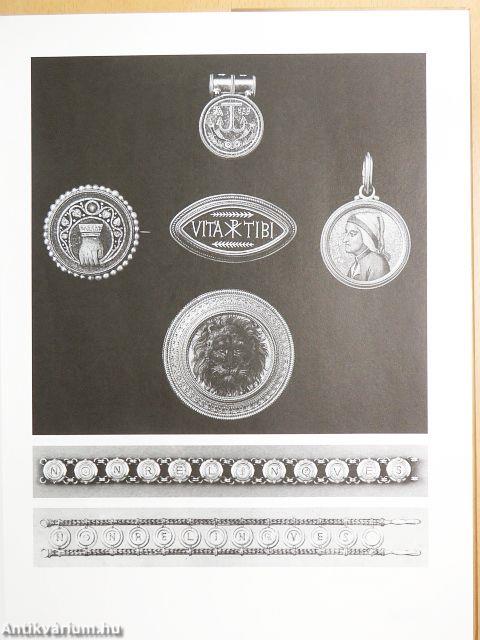
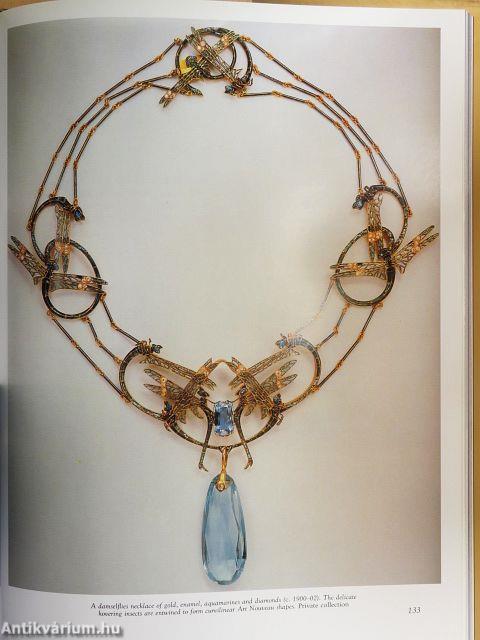
Castellani, for example, is known for nostalgic evocations of Etruscan goldwork; Carl Fabergé emphasized originality of design and an extraordinarily high level of craftsmanship over the intrinsic value of the materials used. René Lalique was fascinated by the hypnotically curvilinear forms he adapted from nature in true Art Nouveau style; and the searching, critical eyes of Cartier and Boucheron brought forth endless abstract patterns, which were always exceptional, always chic.
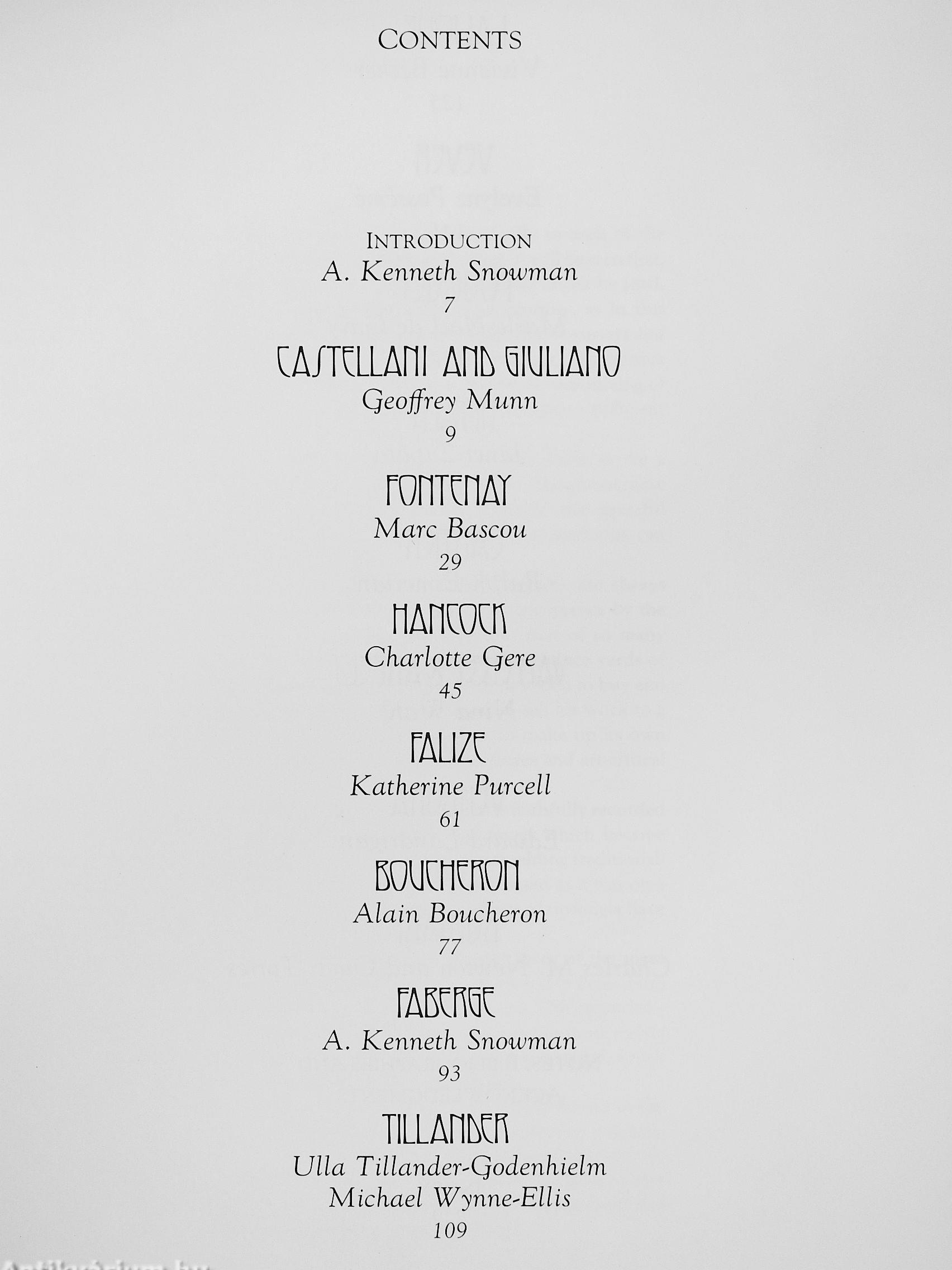
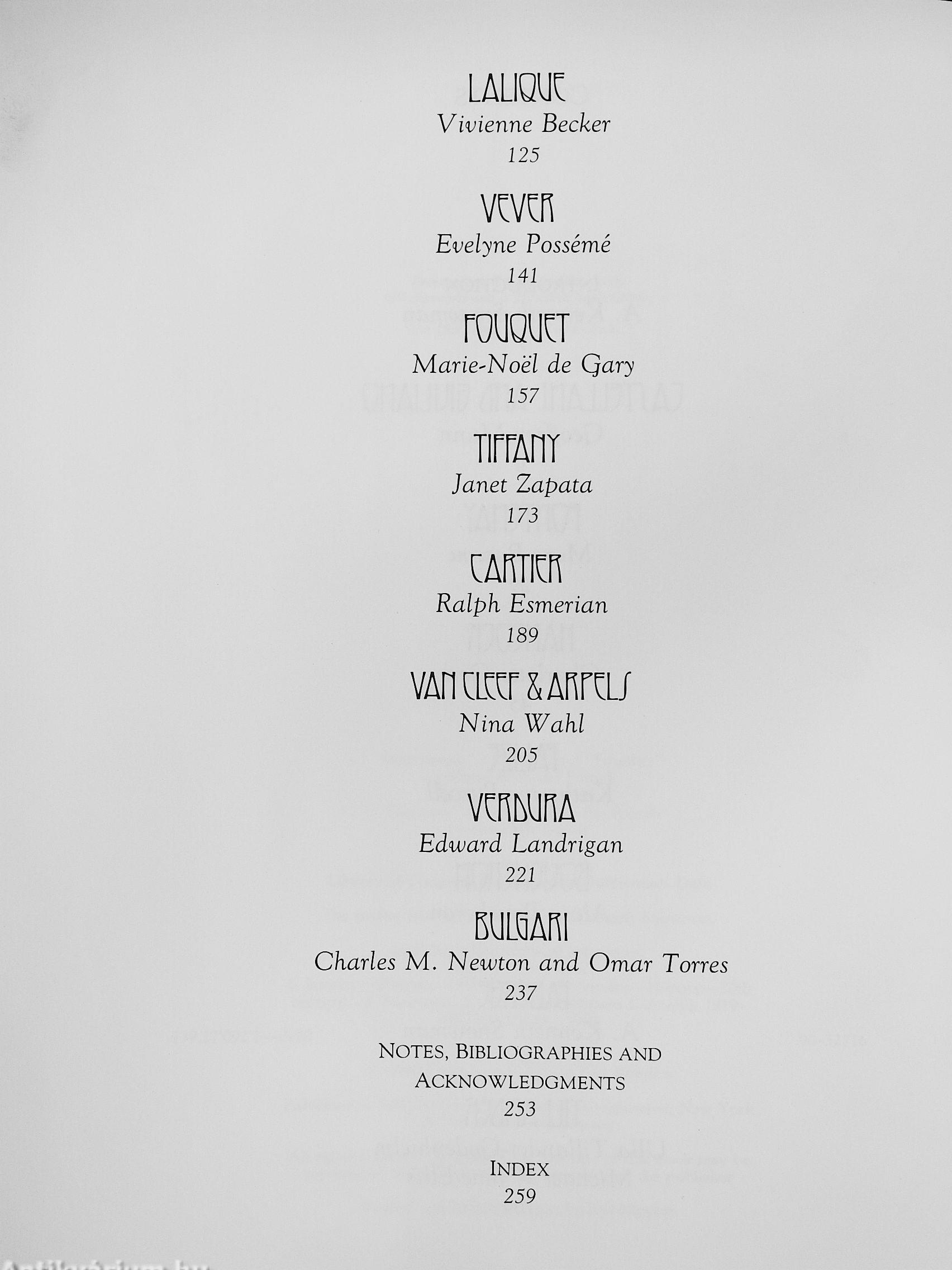
The superb illustrations in this book faithfully reproduce these remarkable creations, the gems cut and polished in every conceivable fashion, the colorful enamels rendered translucent, opaque, or as clear as stained-glass windows. Fifteen chapters, written by leading experts in the field, discuss the social, aesthetic, and even the business aspects of fine jewelry from around 1850 to our own time. Vissza
Témakörök
- Idegennyelv > Idegennyelvű könyvek > Angol > Művészetek > Iparművészet
- Idegennyelv > Idegennyelvű könyvek > Angol > Művelődéstörténet
- Idegennyelv > Idegennyelvű könyvek > Angol > Háztartástan > Háztartás, szépségápolás, divat
- Idegennyelv > Idegennyelvű könyvek > Angol > Vendéglátás, kereskedelem
- Művelődéstörténet > Életmód > Háztartástan > Háztartástan, szépségápolás, divat
- Háztartástan > Divat > Története
- Művészetek > Iparművészet > Összefoglalók, tanulmányok > Külföldi
- Művészetek > Iparművészet > Története > Külföldi
- Művészetek > Iparművészet > Formatervezés > Design
- Művészetek > Iparművészet > Idegen nyelv > Angol
- Művészetek > Iparművészet > Fém-, ötvösművészet > Ékszerek
- Művészetek > Iparművészet
- Vendéglátás, kereskedelem > Műtárgy kereskedelem
Megvásárolható példányok
Nincs megvásárolható példány
A könyv összes megrendelhető példánya elfogyott. Ha kívánja, előjegyezheti a könyvet, és amint a könyv egy újabb példánya elérhető lesz, értesítjük.
 Folytatás Microsoft-tal