
1.137.704
kiadvánnyal nyújtjuk Magyarország legnagyobb antikvár könyv-kínálatát

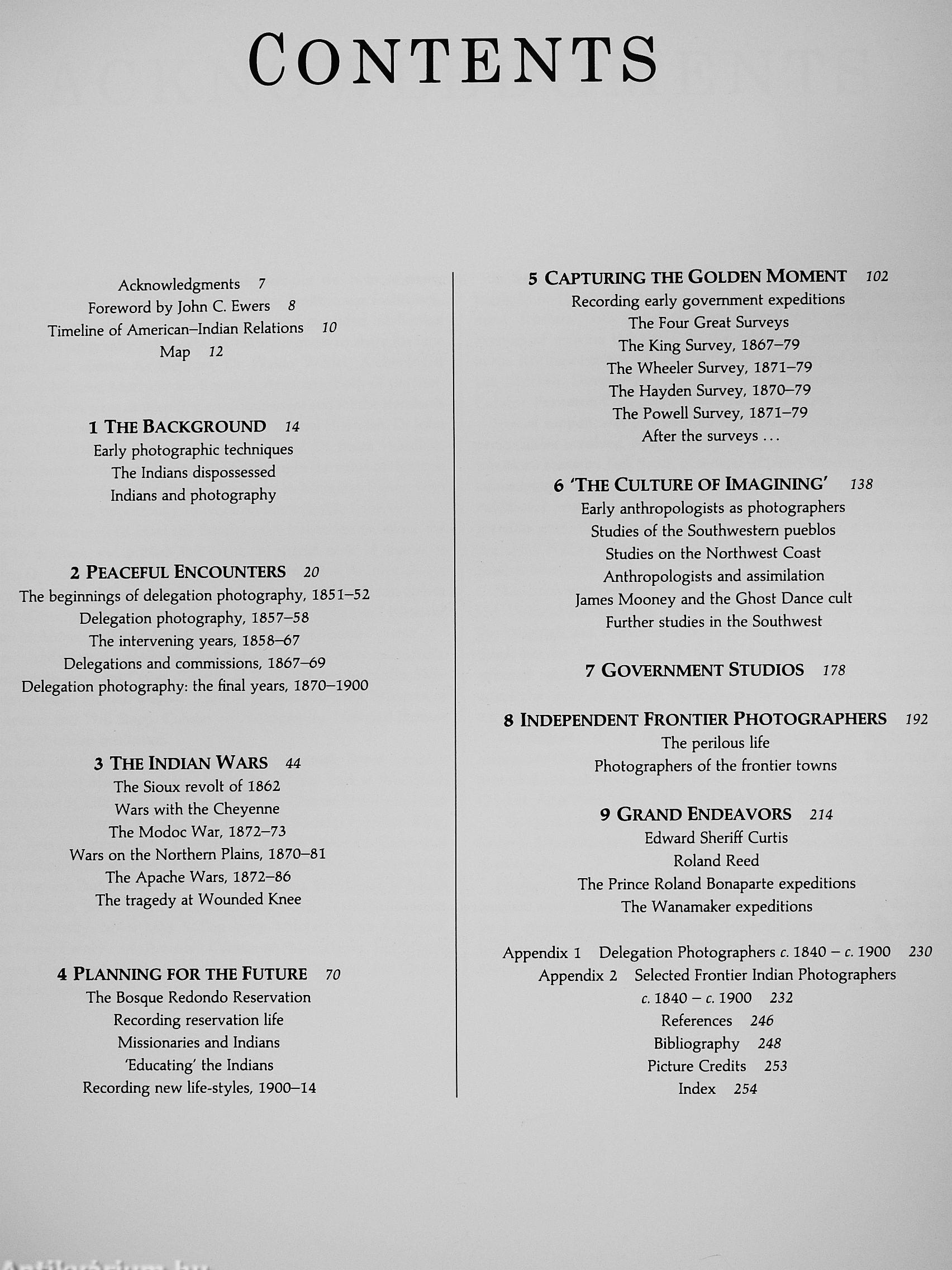
The North American Indians
In Early Photographs
Oxford
| Kiadó: | Phaidon Press Limited |
|---|---|
| Kiadás helye: | Oxford |
| Kiadás éve: | |
| Kötés típusa: | Varrott papírkötés |
| Oldalszám: | 256 oldal |
| Sorozatcím: | |
| Kötetszám: | |
| Nyelv: | Angol |
| Méret: | 28 cm x 24 cm |
| ISBN: | 0-7148-2524-7 |
| Megjegyzés: | Fekete-fehér fotókkal. |
Értesítőt kérek a kiadóról
A beállítást mentettük,
naponta értesítjük a beérkező friss
kiadványokról
naponta értesítjük a beérkező friss
kiadványokról
A beállítást mentettük,
naponta értesítjük a beérkező friss
kiadványokról
naponta értesítjük a beérkező friss
kiadványokról
Előszó
Tovább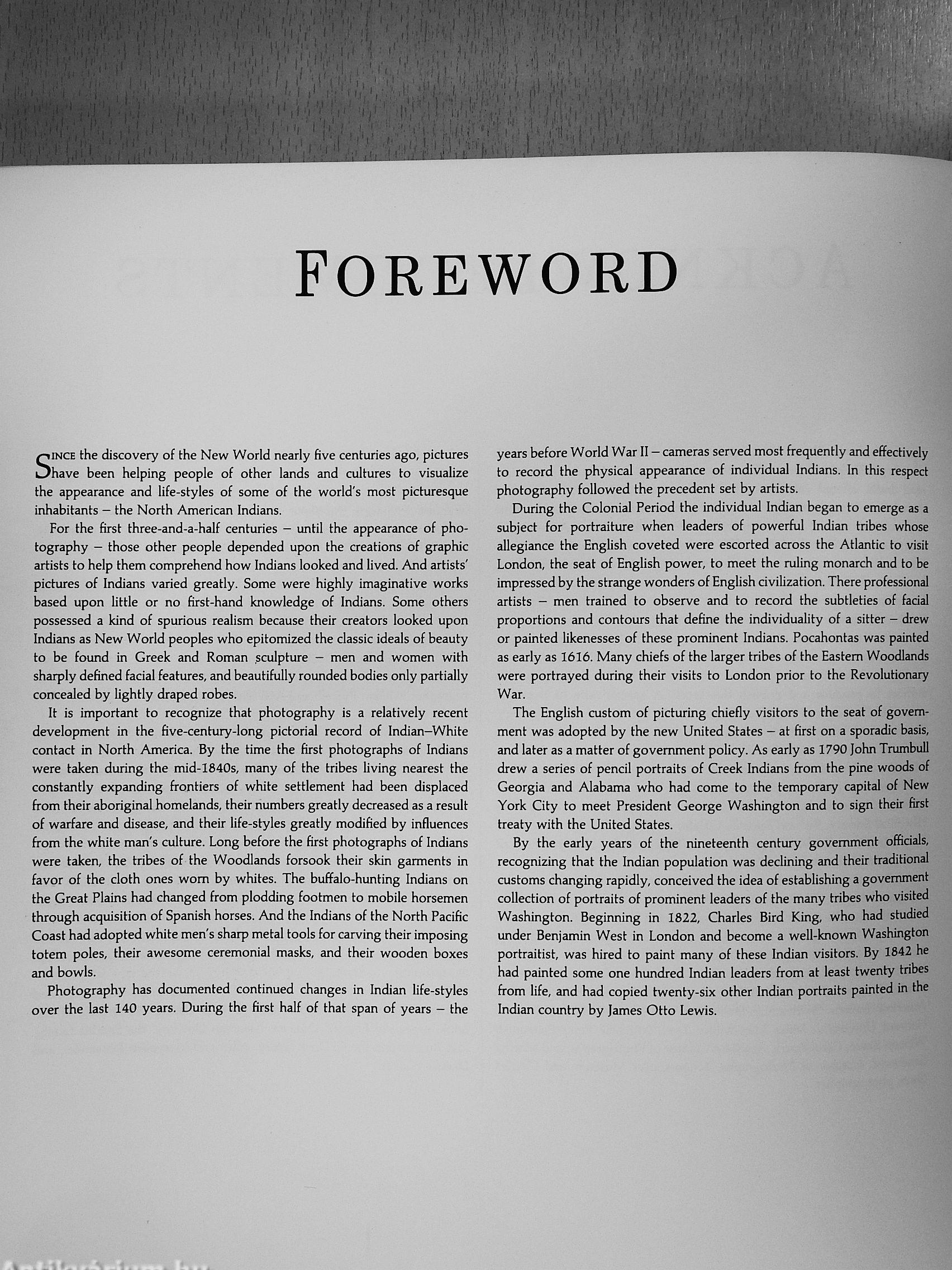
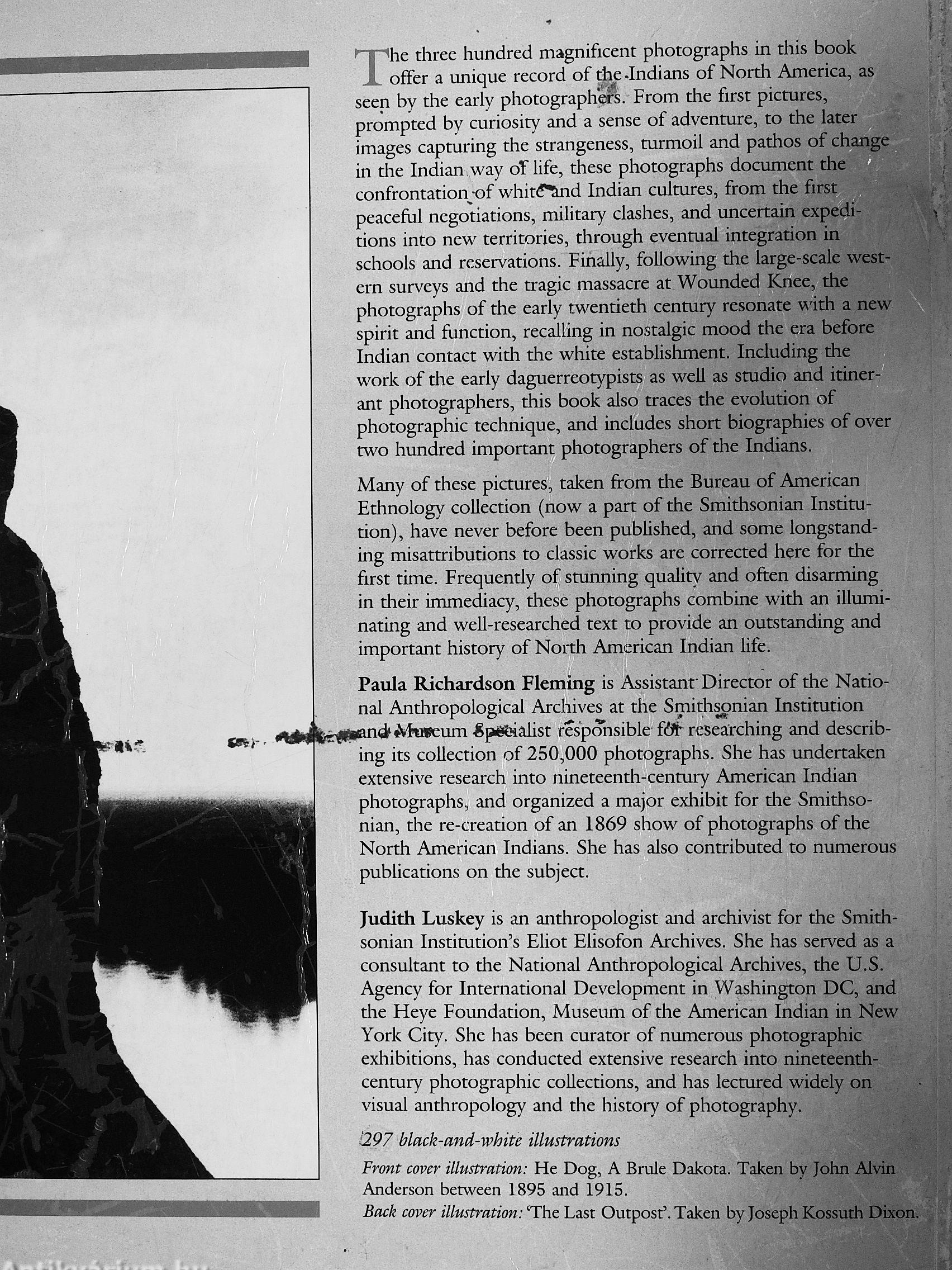
Fülszöveg
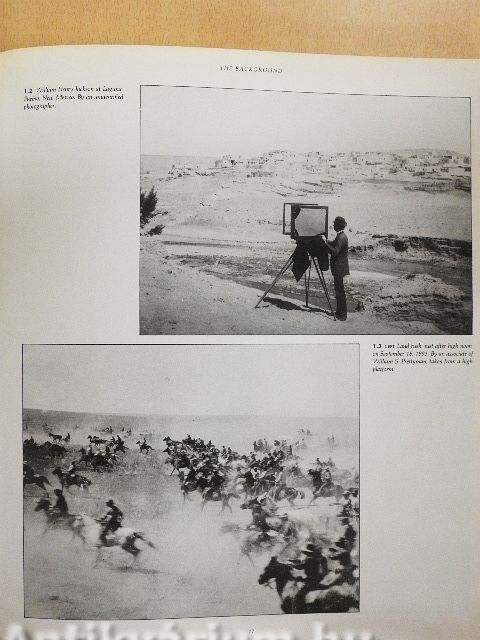
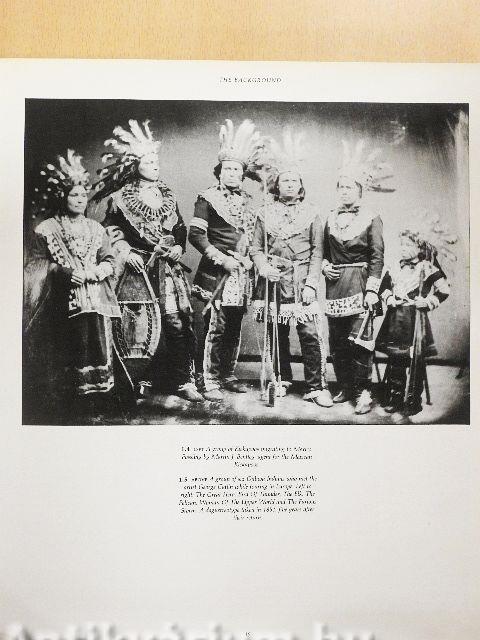
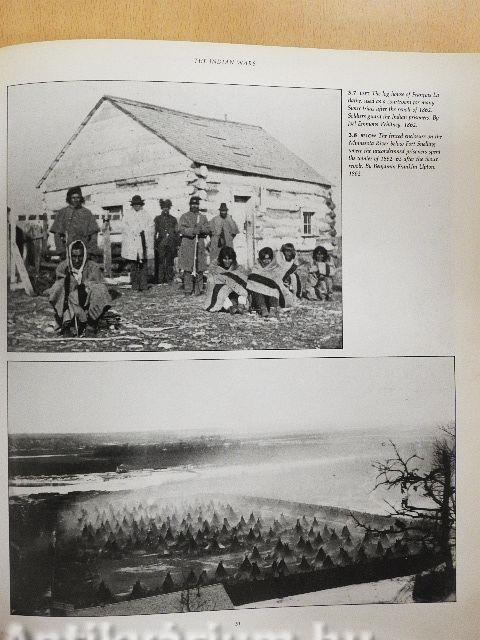
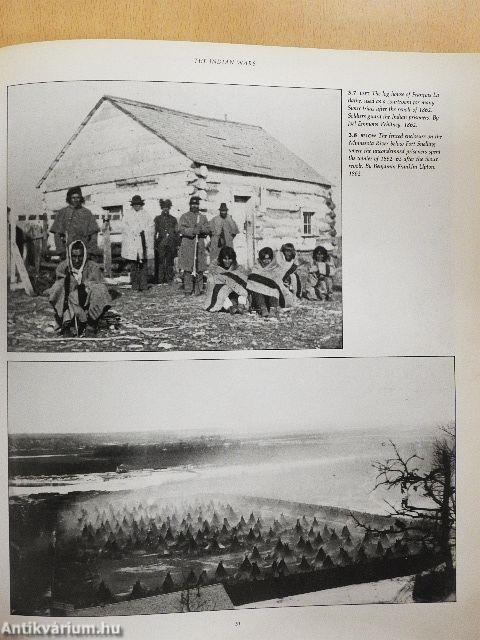
The three hundred magnificent photographs in this book offer a unique record of Ac .Indians of North America, as seen by the early photographers. From the first pictures, prompted by curiosity and a sense of adventure, to the later images capturing the strangeness, turmoil and pathos of change in the Indian viiay of life, these photographs document the ll confrontation^of whitd*and Indian cultures, from the first peaceful negotiations, military clashes, and uncertain expeditions into new territories, through eventual integration in schools and reservations. Finally, following the large-scale western surveys and the tragic massacre at Wounded Knee, the photographs of the early twentieth century resonate with a new spirit and function, recalling in nostalgic mood the era before Indian contact with the white establishment. Including the work of the early daguerreotypists as well as studio and itinerant photographers, this book also traces the evolution of photographic technique, and... Tovább
Fülszöveg
The three hundred magnificent photographs in this book offer a unique record of Ac .Indians of North America, as seen by the early photographers. From the first pictures, prompted by curiosity and a sense of adventure, to the later images capturing the strangeness, turmoil and pathos of change in the Indian viiay of life, these photographs document the ll confrontation^of whitd*and Indian cultures, from the first peaceful negotiations, military clashes, and uncertain expeditions into new territories, through eventual integration in schools and reservations. Finally, following the large-scale western surveys and the tragic massacre at Wounded Knee, the photographs of the early twentieth century resonate with a new spirit and function, recalling in nostalgic mood the era before Indian contact with the white establishment. Including the work of the early daguerreotypists as well as studio and itinerant photographers, this book also traces the evolution of photographic technique, and includes short biographies of over two hundred important photographers of the Indians.
Many of these pictures, taken from the Bureau of American Ethnology collection (now a part of the Smithsonian Institution), have never before been published, and some longstanding misattributions to classic works are corrected here for the first time. Frequently of stunning quality and often disarming in their immediacy, these photographs combine with an illuminating and well-researched text to provide an outstanding and important history of North American Indian life.
Paula Richardson Fleming is Assistant'Director of the National Anthropological Archives at the Smithsonian Institution tn,- '•UH fctipfindfMtiweum ^peeialist responsible fiff researching and describing its collection of 250,000 photographs. She has undertaken extensive research into nineteenth-century American Indian photographs, and organized a major exhibit for the Smithsonian, the re-creation of an 1869 show of photographs of the North American Indians. She has also contributed to numerous publications on the subject.
Judith Luskey is an anthropologist and archivist for the Smithsonian Institution's Eliot Elisofon Archives. She has served as a consultant to the National Anthropological Archives, the U.S. Agency for International Development in Washington DC, and the Heye Foundation, Museum of the American Indian in New York City. She has been curator of numerous photographic exhibitions, has conducted extensive research into nineteenth-centuiy photographic collections, and has lectured widely on visual anthropology and the history of photography.
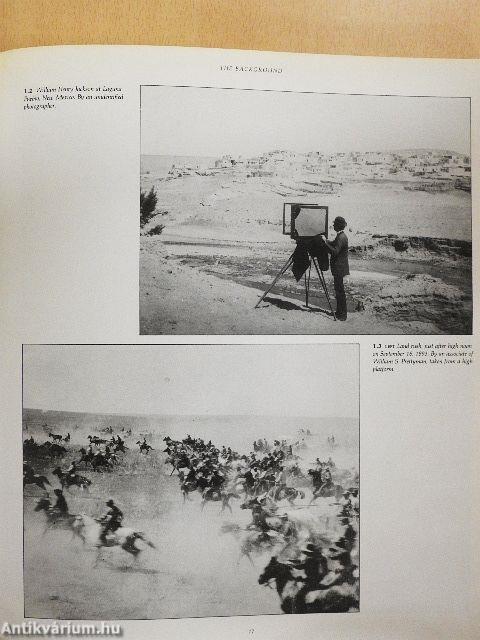
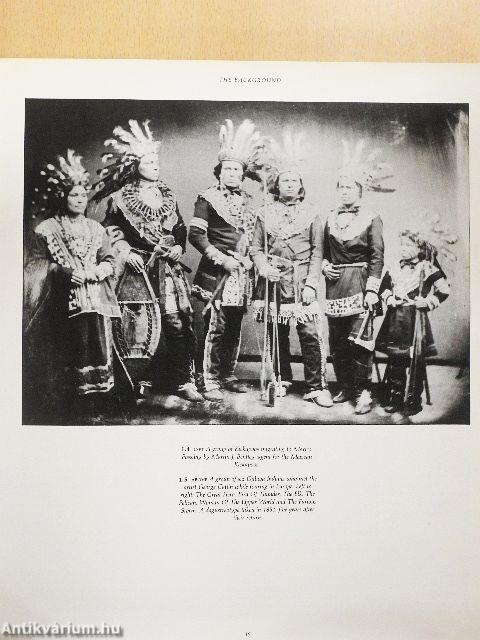
!2i>7 black-and-white illustrations
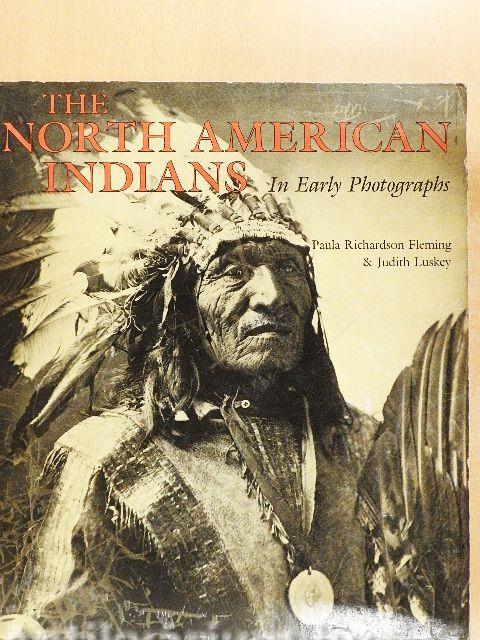
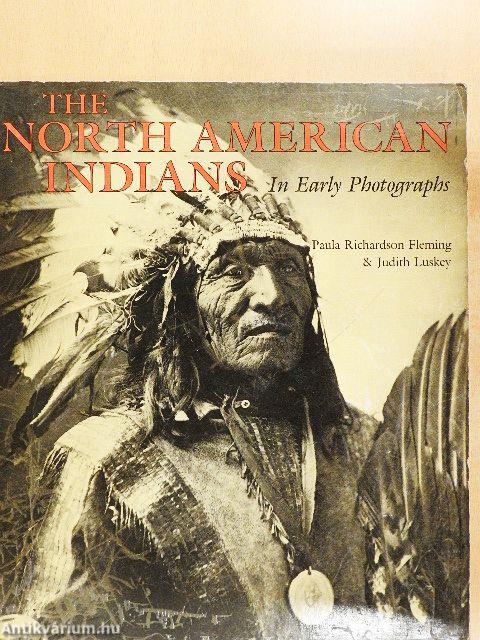
Front cover illustration: He Dog, A Brule Dakota. Taken by lohn Alwn Anderson between 1895 and 1915.
Back cover illustration: 'The Last Outpost'. Taken by Joseph Kossuth Dixon. Vissza
Témakörök
- Idegennyelv > Idegennyelvű könyvek > Angol > Művészetek > Fotóművészet
- Idegennyelv > Idegennyelvű könyvek > Angol > Művelődéstörténet
- Idegennyelv > Idegennyelvű könyvek > Angol > Néprajz
- Idegennyelv > Idegennyelvű könyvek > Angol > Történelem > Egyéb
- Művelődéstörténet > Civilizációtörténet > Amerikai
- Művelődéstörténet > Kultúra > Kultúrantropológia
- Néprajz > Folklór (szellemi néprajz) > Népi kultúrák > Amerika
- Művészetek > Fotóművészet > Albumok > Külföldi
- Művészetek > Fotóművészet > Albumok > Tematikus
- Művészetek > Fotóművészet > Idegen nyelv > Angol
- Művészetek > Fotóművészet > Témái > Fotódokumentumok
- Történelem > Idegennyelvű > Angol
- Történelem > Levelek, forráskiadványok, dokumentumok > Újkor
- Történelem > Levelek, forráskiadványok, dokumentumok > XX-XXI. század
- Történelem > Kontinensek szerint > Amerika, amerikai országok története > Észak-Amerika
Megvásárolható példányok
Állapotfotók

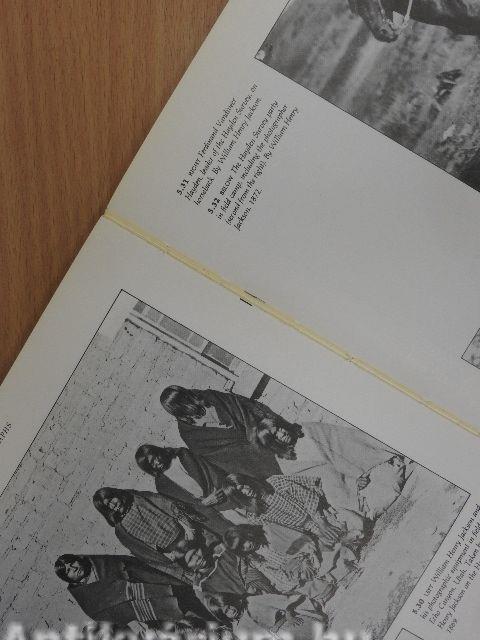
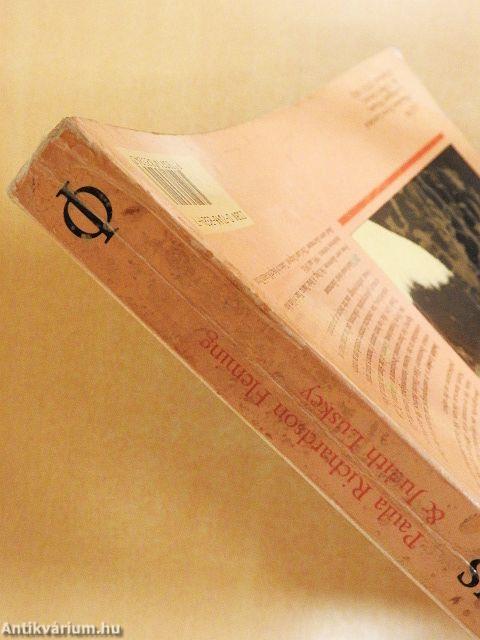
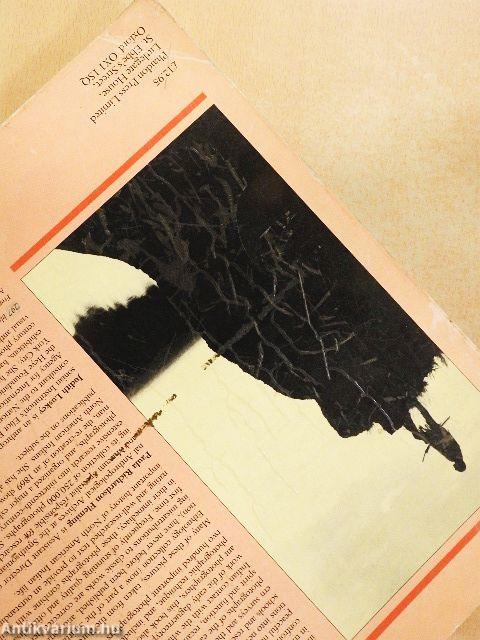
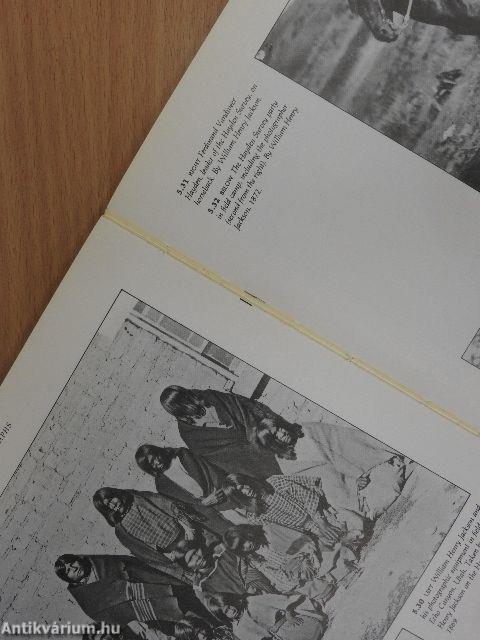
A borító töredezett, foltos, védőfóliája felhólyagosodott. Néhány lapon bejegyzések láthatók. A kötés megtört.
Állapot:
Jó
22.000 ,-Ft
110
pont kapható
Kosárba
 Folytatás Microsoft-tal