Fülszöveg
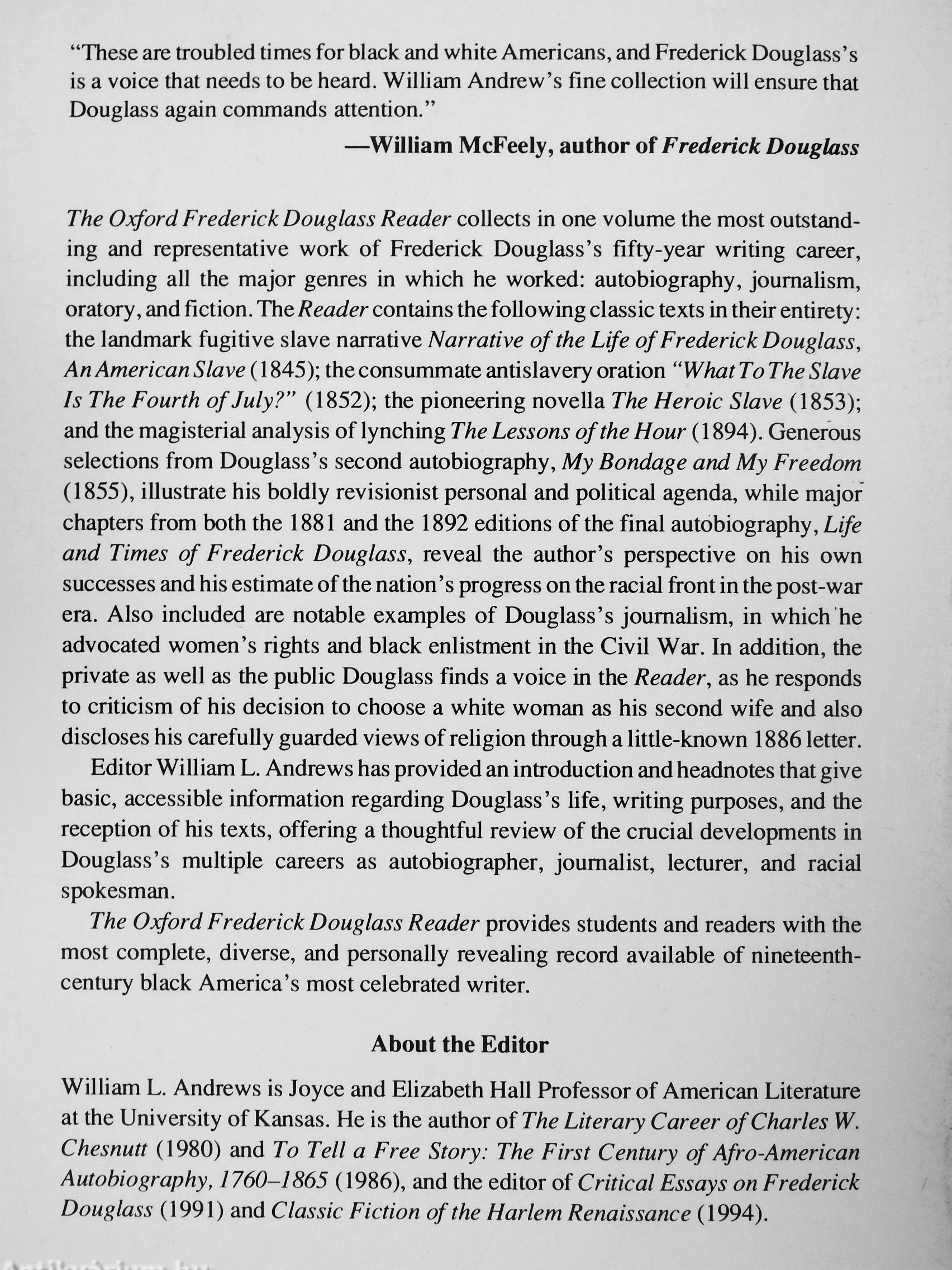
"These are troubled times for black and white Americans, and Frederick Douglass's is a voice that needs to be heard. William Andrew's fine collection will ensure that Douglass again commands attention."
—William McFeely, author of Frederick Douglass
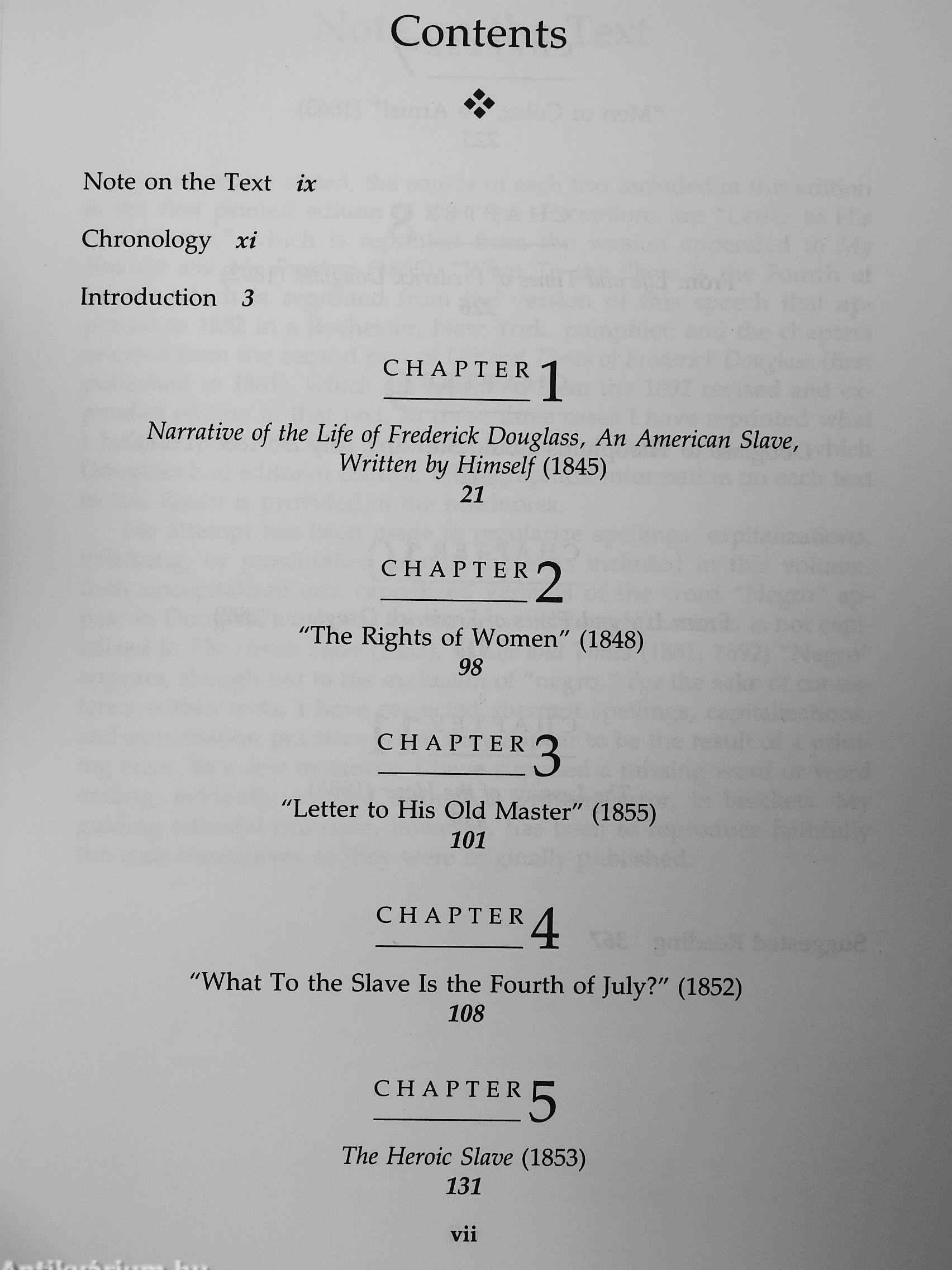
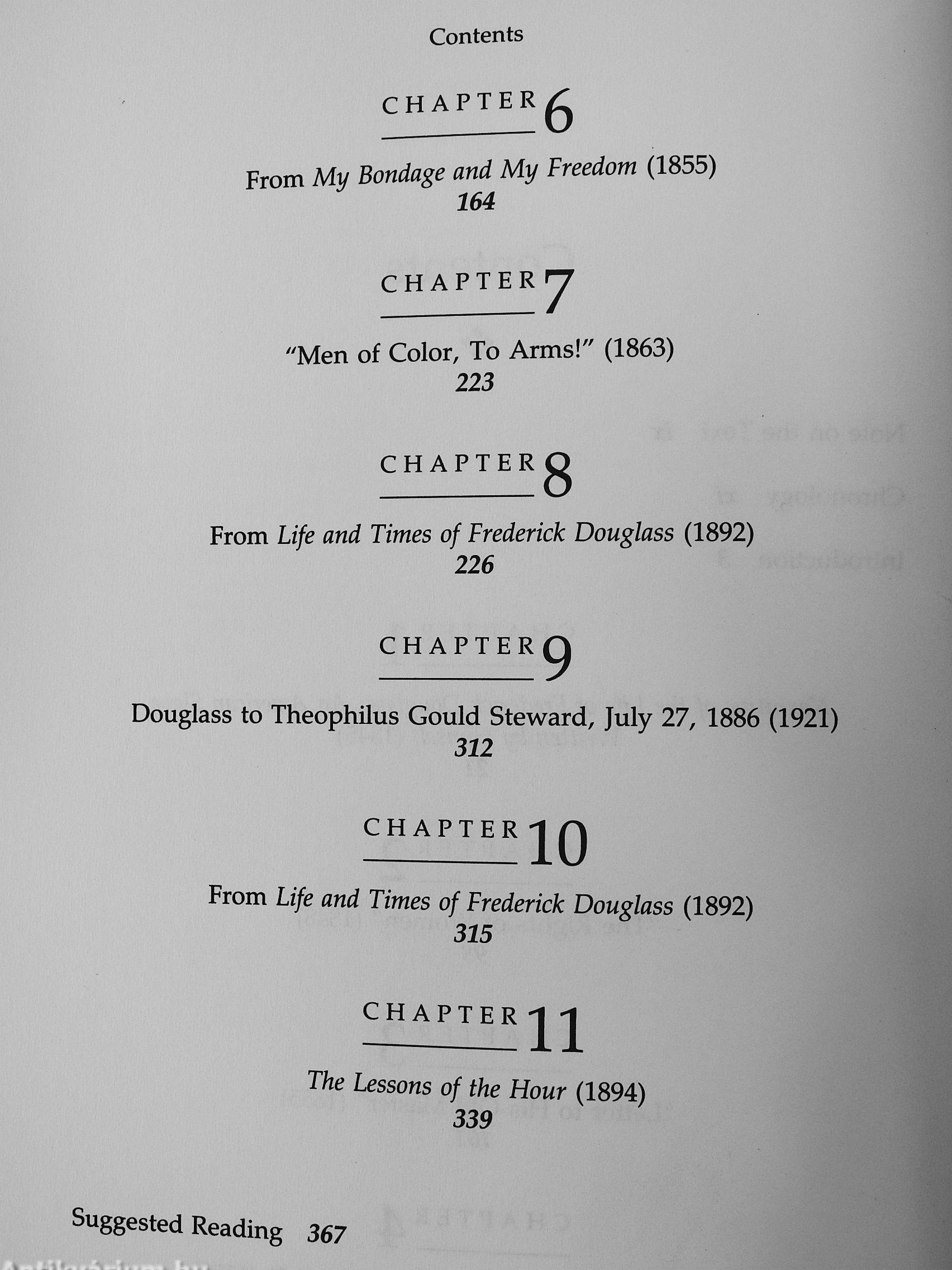
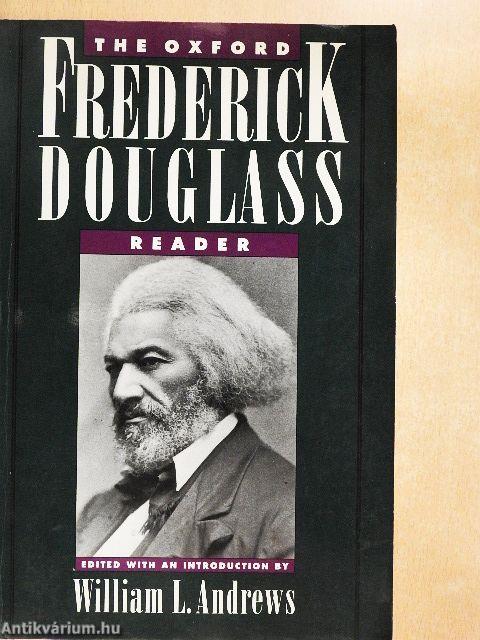
The Oxford Frederick Douglass Reader collects in one volume the most outstanding and representative work of Frederick Douglass's fifty-year writing career, including all the major genres in which he worked: autobiography, journalism, oratory, and fiction. The Reader contains the following classic texts in their entirety: the landmark fugitive slave narrative Narrative of the Life of Frederick Douglass, An American Slave (1845); the consummate antislavery oration "What To The Slave is The Fourth of July?" (1852); the pioneering novella The Heroic Slave (1853); and the magisterial analysis of lynching The Lessons of the Hour (1894). Generous selections from Douglass's second autobiography, My Bondage and My Freedom (1855), illustrate...
Tovább
Fülszöveg
"These are troubled times for black and white Americans, and Frederick Douglass's is a voice that needs to be heard. William Andrew's fine collection will ensure that Douglass again commands attention."
—William McFeely, author of Frederick Douglass
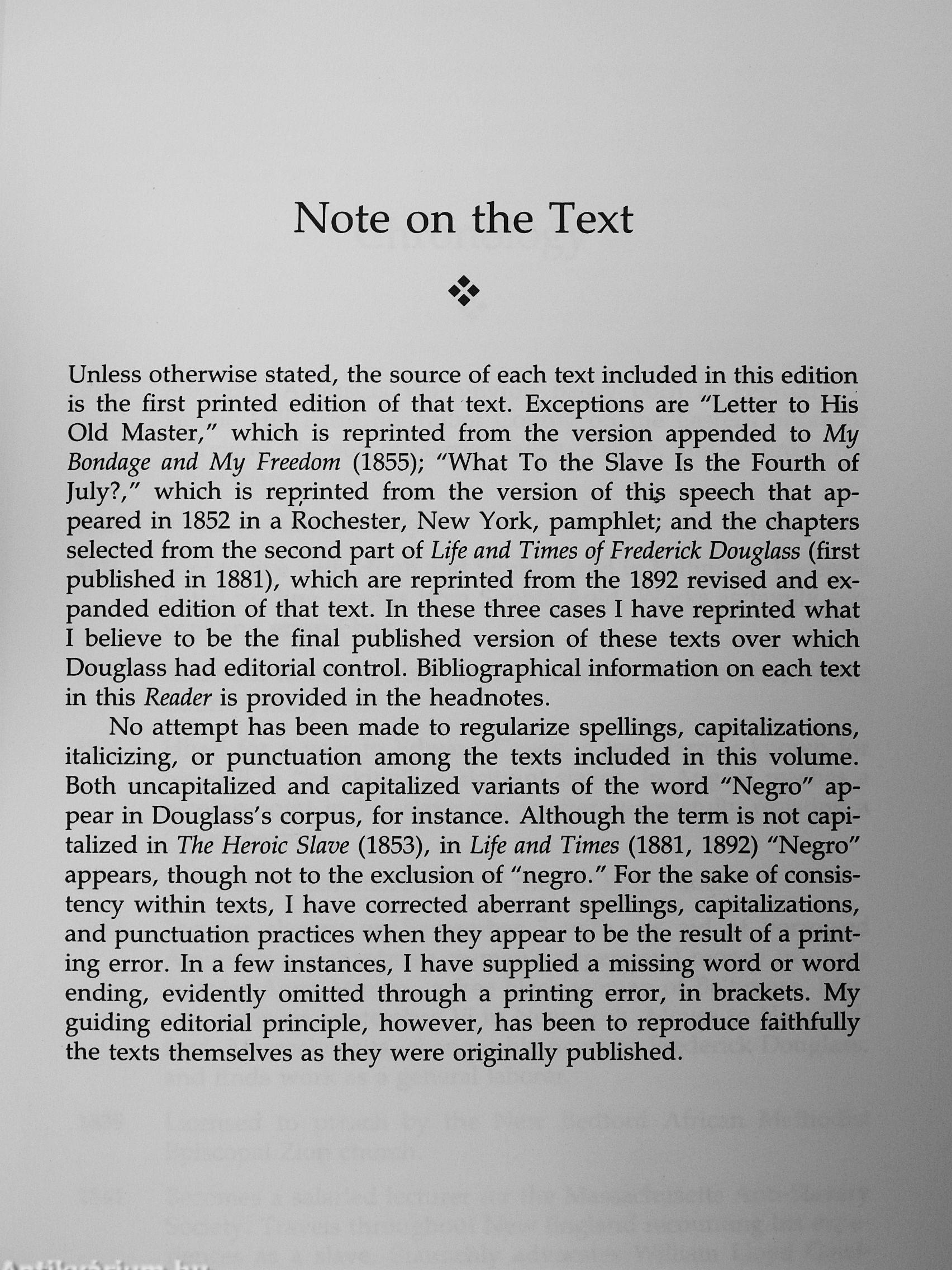
The Oxford Frederick Douglass Reader collects in one volume the most outstanding and representative work of Frederick Douglass's fifty-year writing career, including all the major genres in which he worked: autobiography, journalism, oratory, and fiction. The Reader contains the following classic texts in their entirety: the landmark fugitive slave narrative Narrative of the Life of Frederick Douglass, An American Slave (1845); the consummate antislavery oration "What To The Slave is The Fourth of July?" (1852); the pioneering novella The Heroic Slave (1853); and the magisterial analysis of lynching The Lessons of the Hour (1894). Generous selections from Douglass's second autobiography, My Bondage and My Freedom (1855), illustrate his boldly revisionist personal and political agenda, while major chapters from both the 1881 and the 1892 editions of the final autobiography, Li/e and Times of Frederick Douglass, reveal the author's perspective on his own successes and his estimate of the nation's progress on the racial front in the post-war era. Also included are notable examples of Douglass's journalism, in which he advocated women's rights and black enlistment in the Civil War. In addition, the private as well as the public Douglass finds a voice in the Reader, as he responds to criticism of his decision to choose a white woman as his second wife and also discloses his carefully guarded views of religion through a little-known 1886 letter.
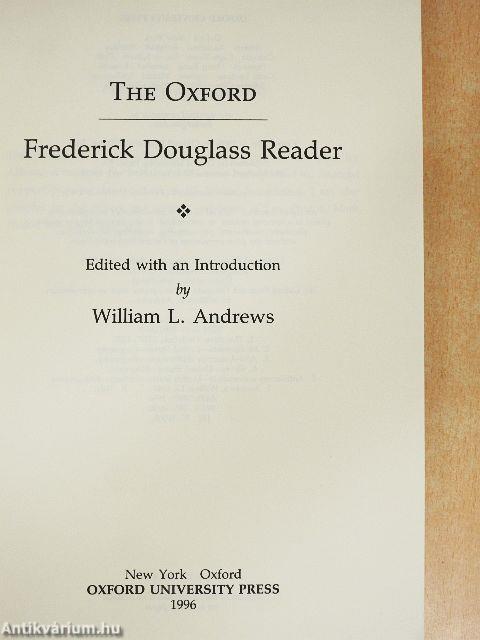
Editor William L. Andrews has provided an introduction and headnotes that give basic, accessible information regarding Douglass's life, writing purposes, and the reception of his texts, offering a thoughtful review of the cmcial developments in Douglass's multiple careers as autobiographer, journalist, lecturer, and racial spokesman.
The Ojiford Frederick Douglass Reader provides students and readers with the most complete, diverse, and personally revealing record available of nineteenth-century black America's most celebrated writer.
About the Editor
William L. Andrews is Joyce and Elizabeth Hall Professor of American Literature at the University of Kansas. He is the author oiThe Literary Career of Charles W. Chesnutt (1980) and To Tell a Free Story: The First Century of Afro-American Autobiography, 1760-1865 (1986), and the editor of Critical Essays on Frederick Douglass (1991) and Classic Fiction of the Harlem Renaissance (1994).
Vissza 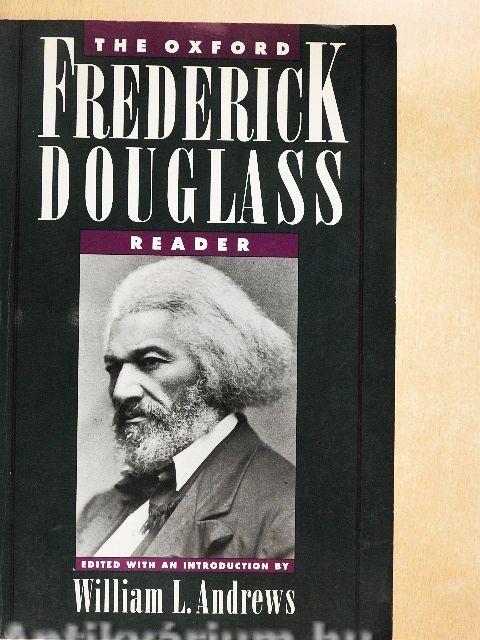


 Folytatás Microsoft-tal