
1.125.408
kiadvánnyal nyújtjuk Magyarország legnagyobb antikvár könyv-kínálatát

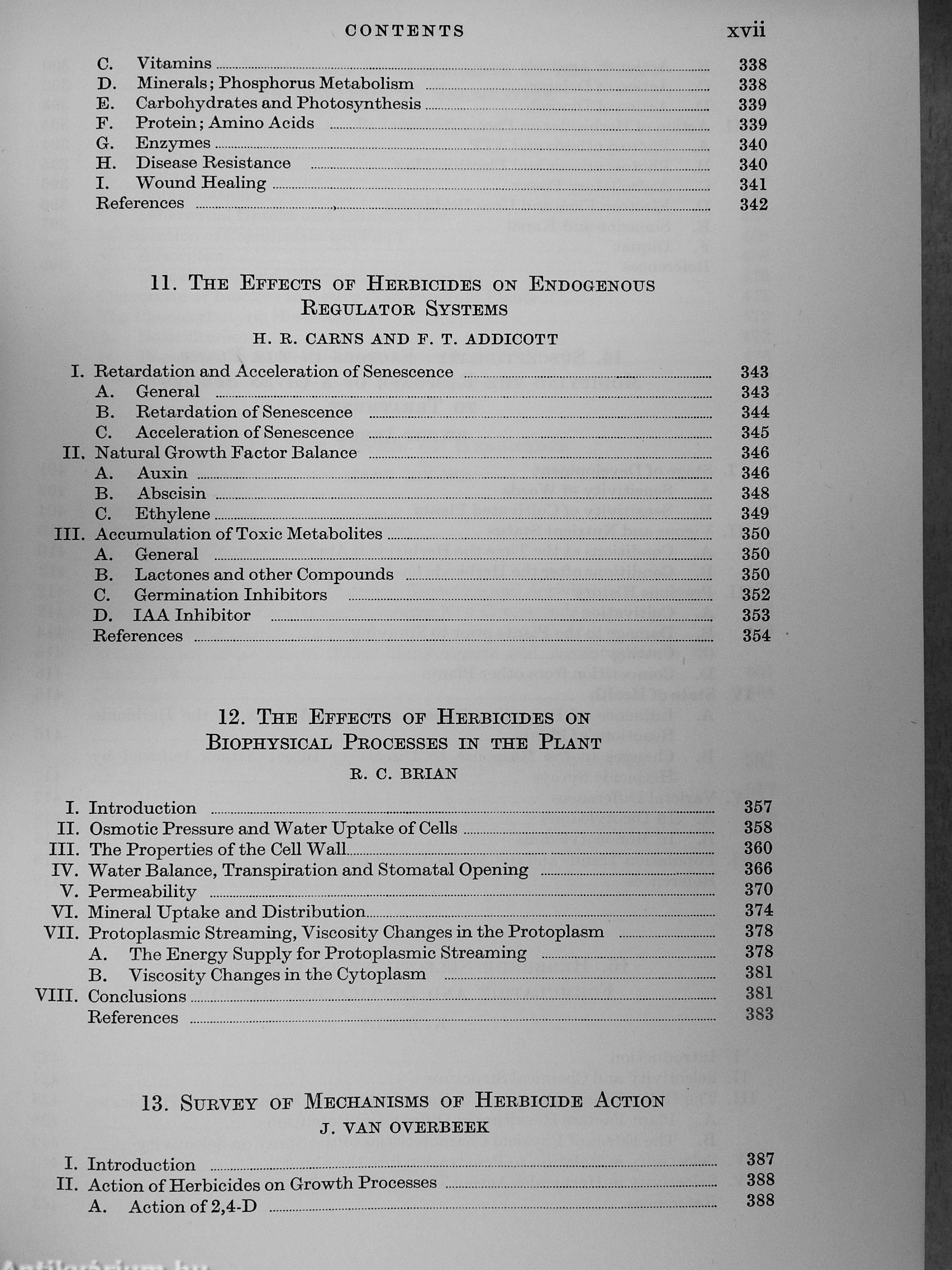
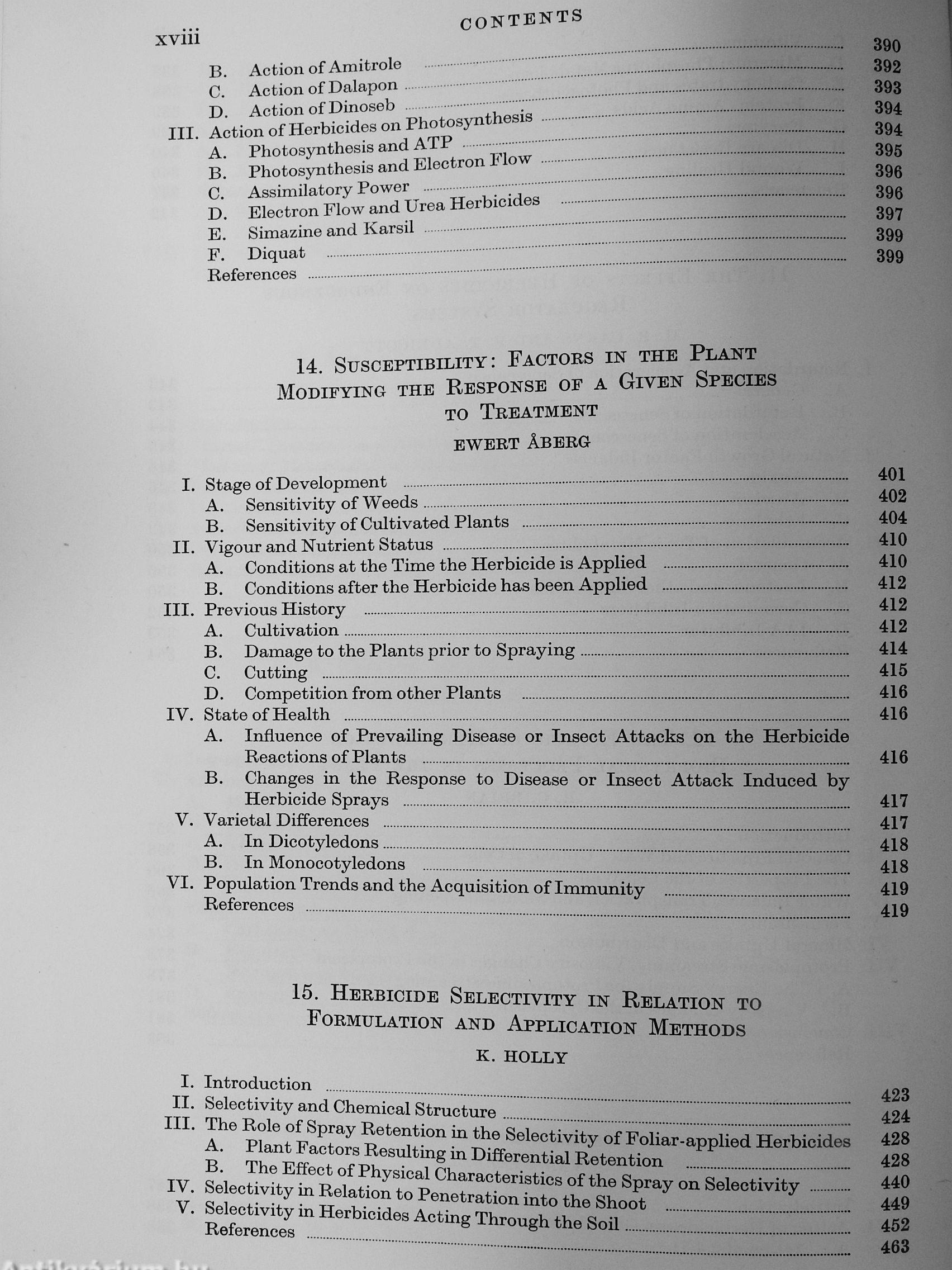
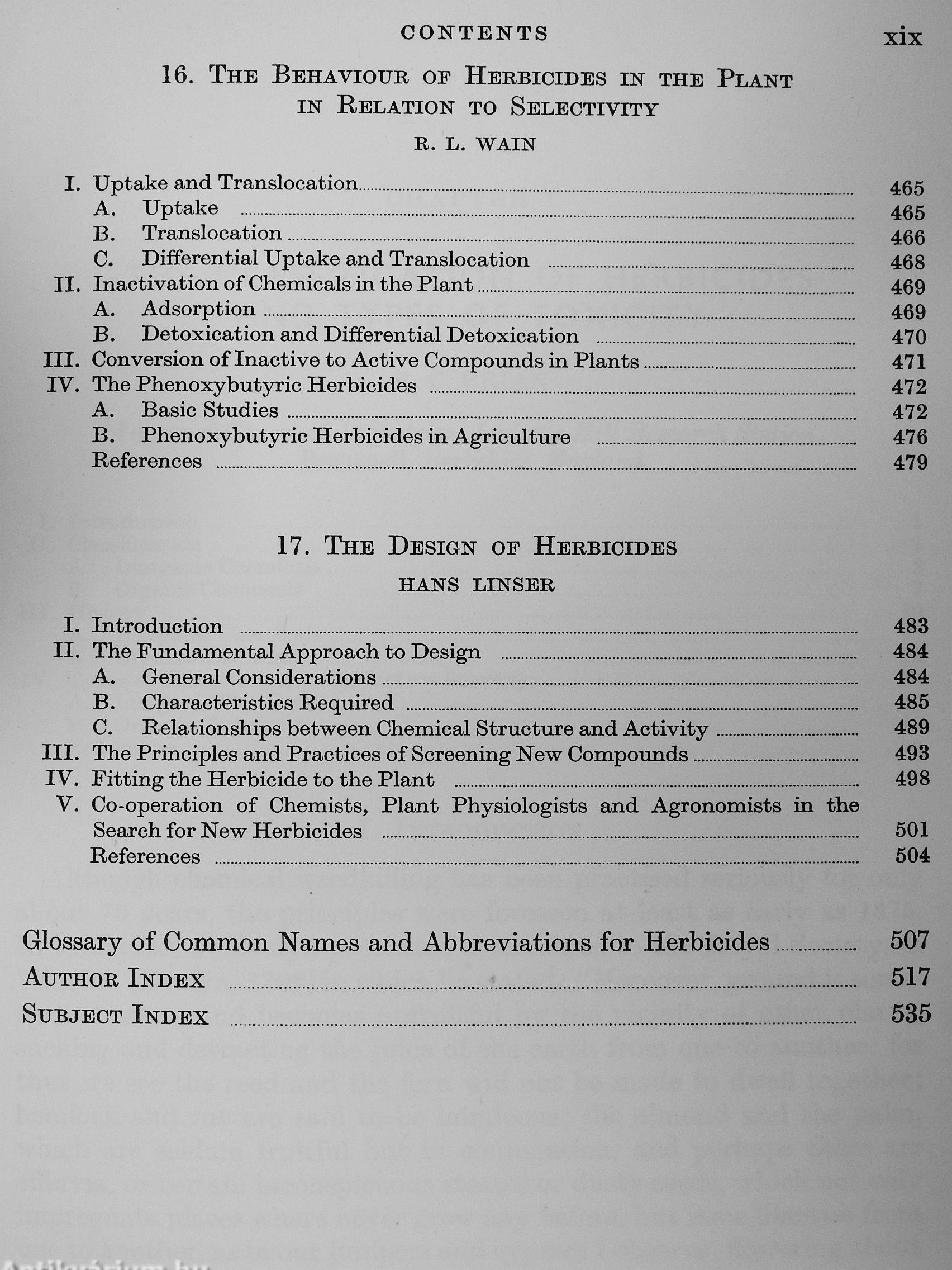
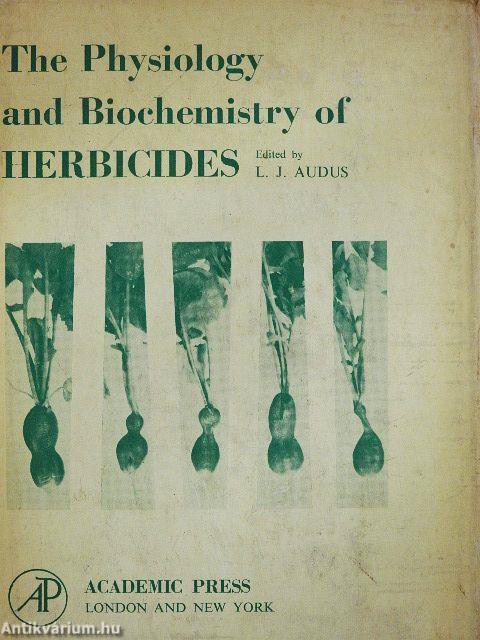
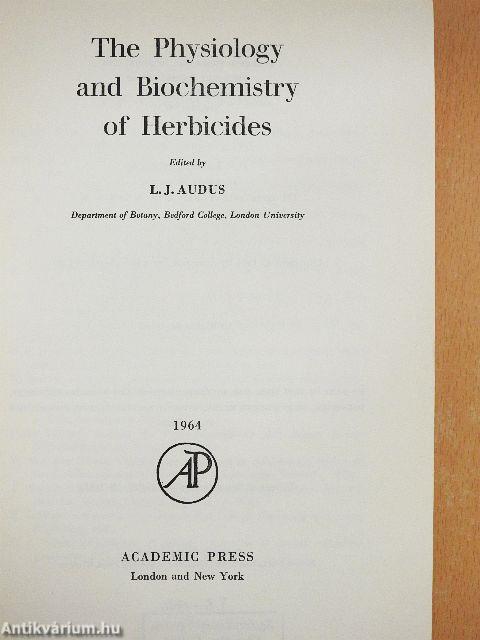
The Physiology and Biochemistry of Herbicides
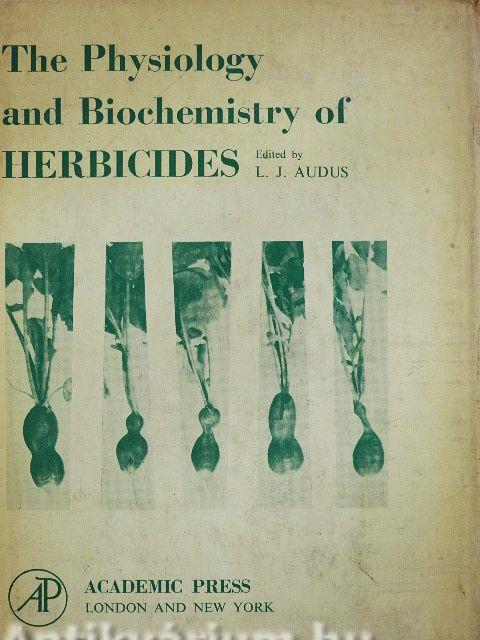
London-New York
| Kiadó: | Academic Press |
|---|---|
| Kiadás helye: | London-New York |
| Kiadás éve: | |
| Kötés típusa: | Vászon |
| Oldalszám: | 555 oldal |
| Sorozatcím: | |
| Kötetszám: | |
| Nyelv: | Angol |
| Méret: | 23 cm x 17 cm |
| ISBN: | |
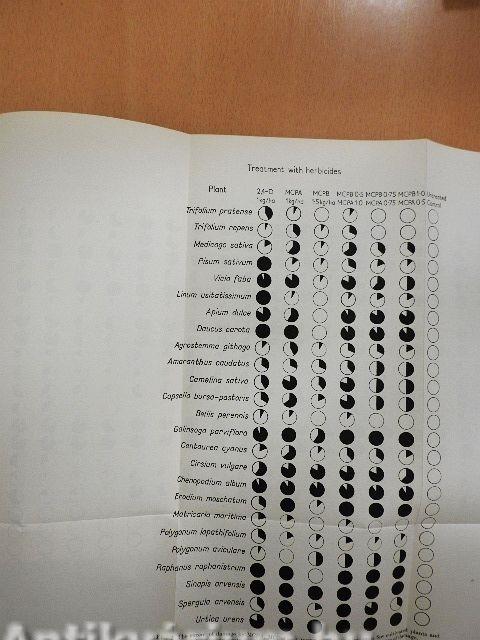
| Megjegyzés: | További kapcsolódó személyek a könyvben. Fekete-fehér ábrákkal, kihajtható mellékletekkel. |
Értesítőt kérek a kiadóról
A beállítást mentettük,
naponta értesítjük a beérkező friss
kiadványokról
naponta értesítjük a beérkező friss
kiadványokról
A beállítást mentettük,
naponta értesítjük a beérkező friss
kiadványokról
naponta értesítjük a beérkező friss
kiadványokról
Előszó
Tovább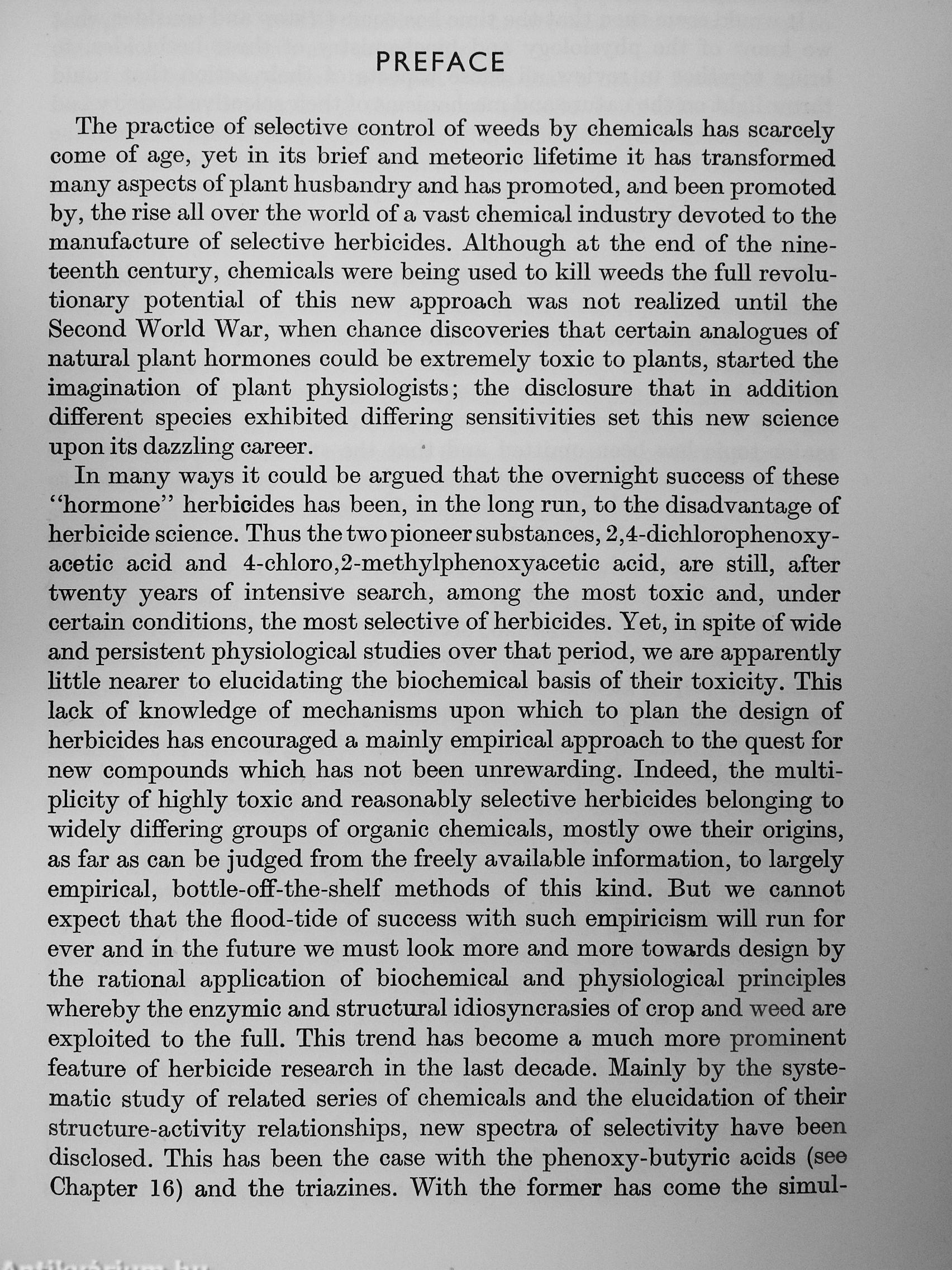
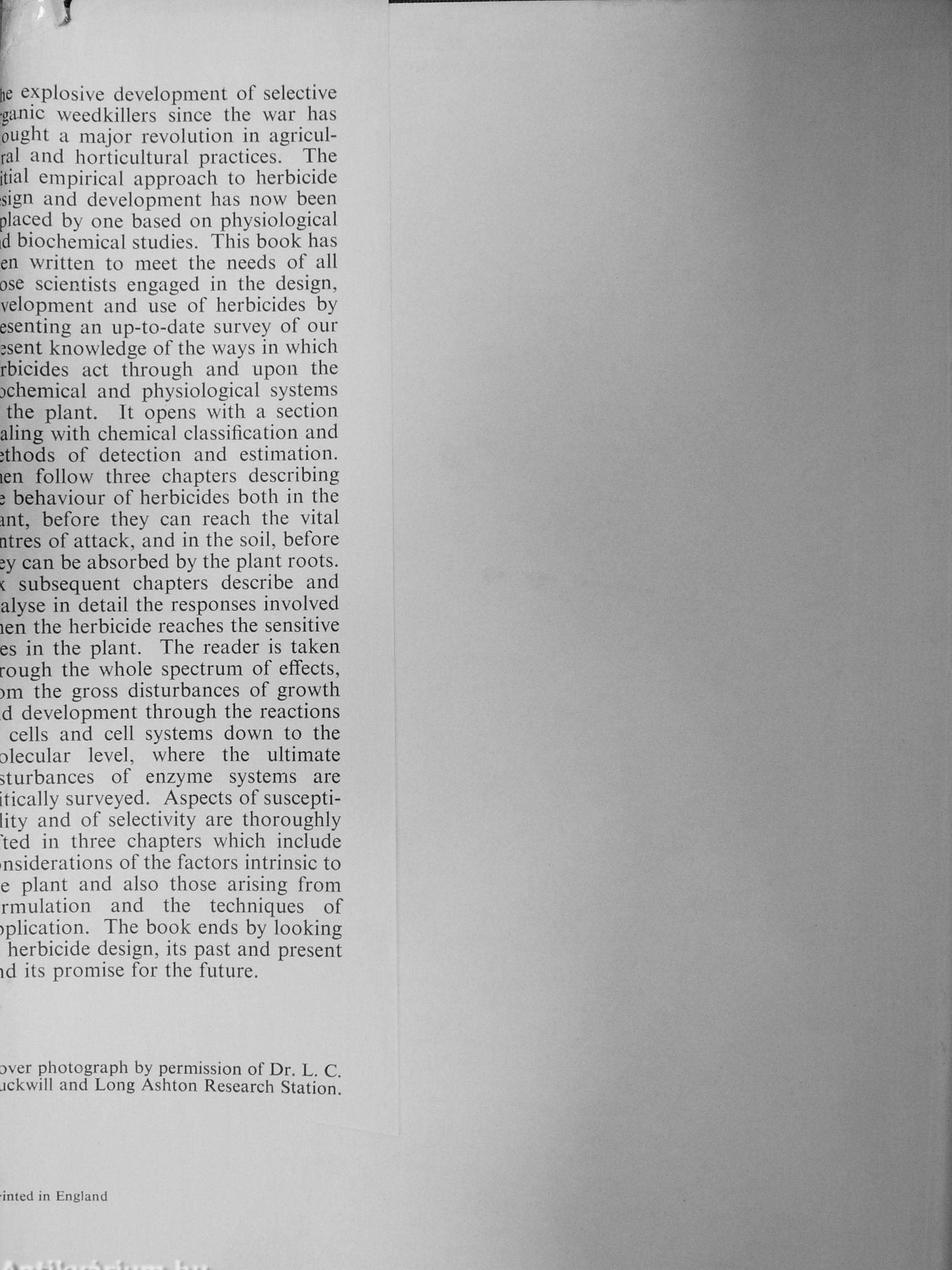
Fülszöveg
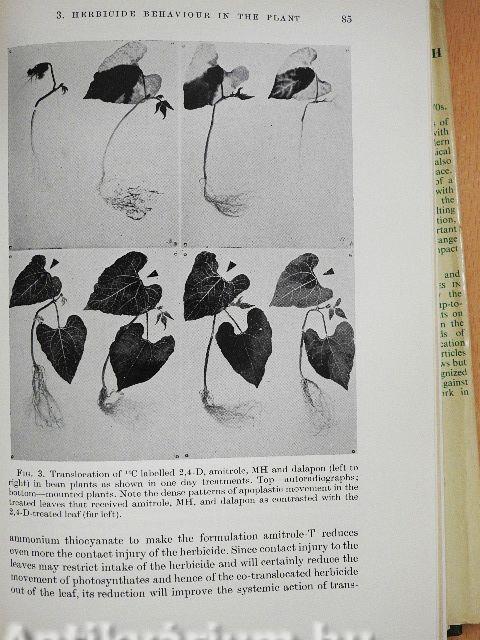
lie explosive development of selective ;g;mic weedkillers since the war has ought a major revohition in agricul-ral and horticultural practices. The itial empirical approach to herbicide :sign and development has now been placed by one based on physiological id biochemical studies. This book has en written to meet the needs of all ose scientists engaged in the design, velopment and use of herbicides by esenting an up-to-date survey of our ssent knowledge of the ways in which rbicides act through and upon the Dchemical and physiological systems the plant. It opens with a section aling with chemical classification and :thods of detection and estimation, len follow three chapters describing ; behaviour of herbicides both in the mt, before they can reach the vital ntres of attack, and in the soil, before ly can be absorbed by the plant roots. ^ subsequent chapters describe and alyse in detail the responses involved len the herbicide reaches the sensitive es in the plant. The reader is... Tovább
Fülszöveg
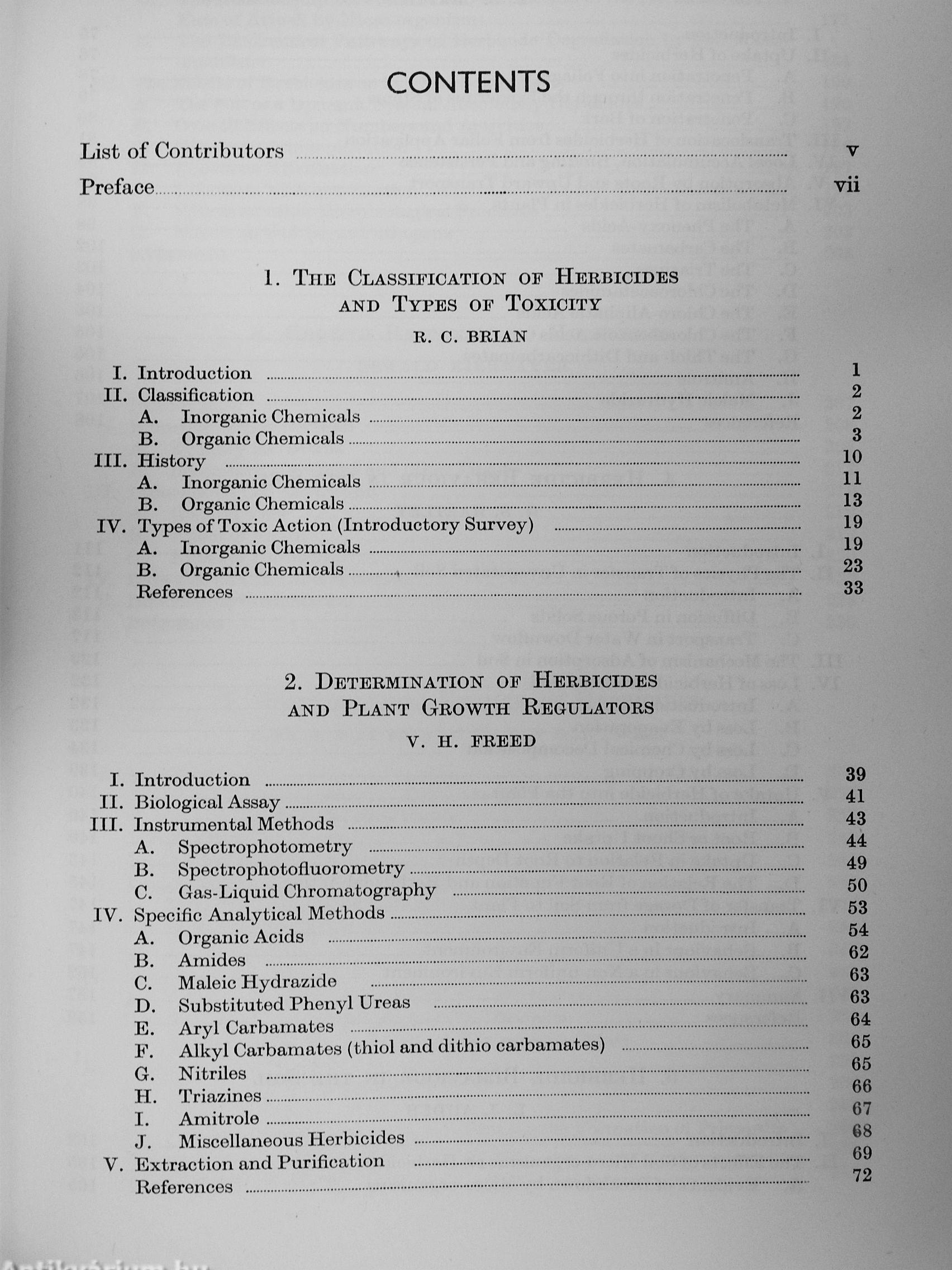
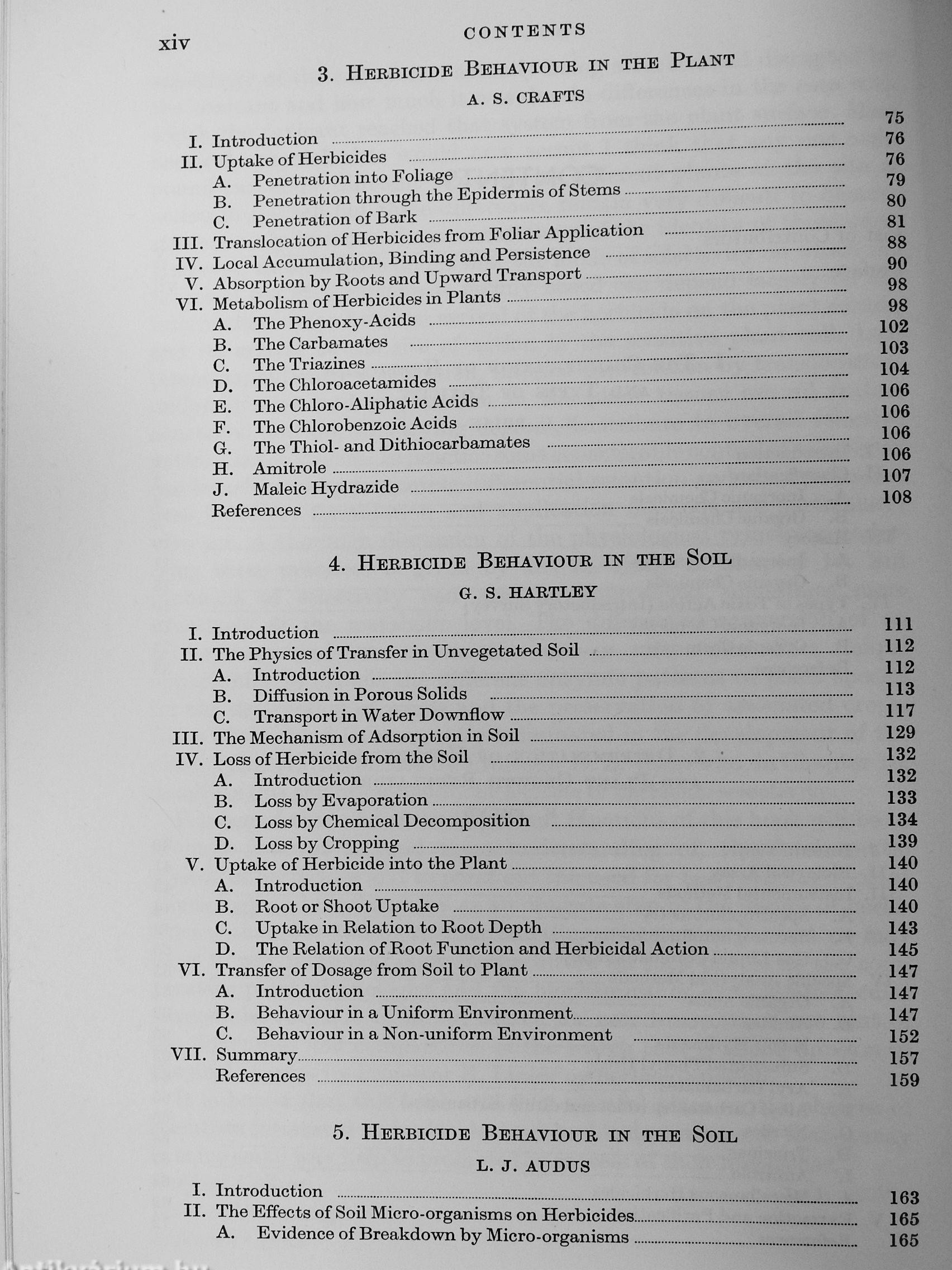
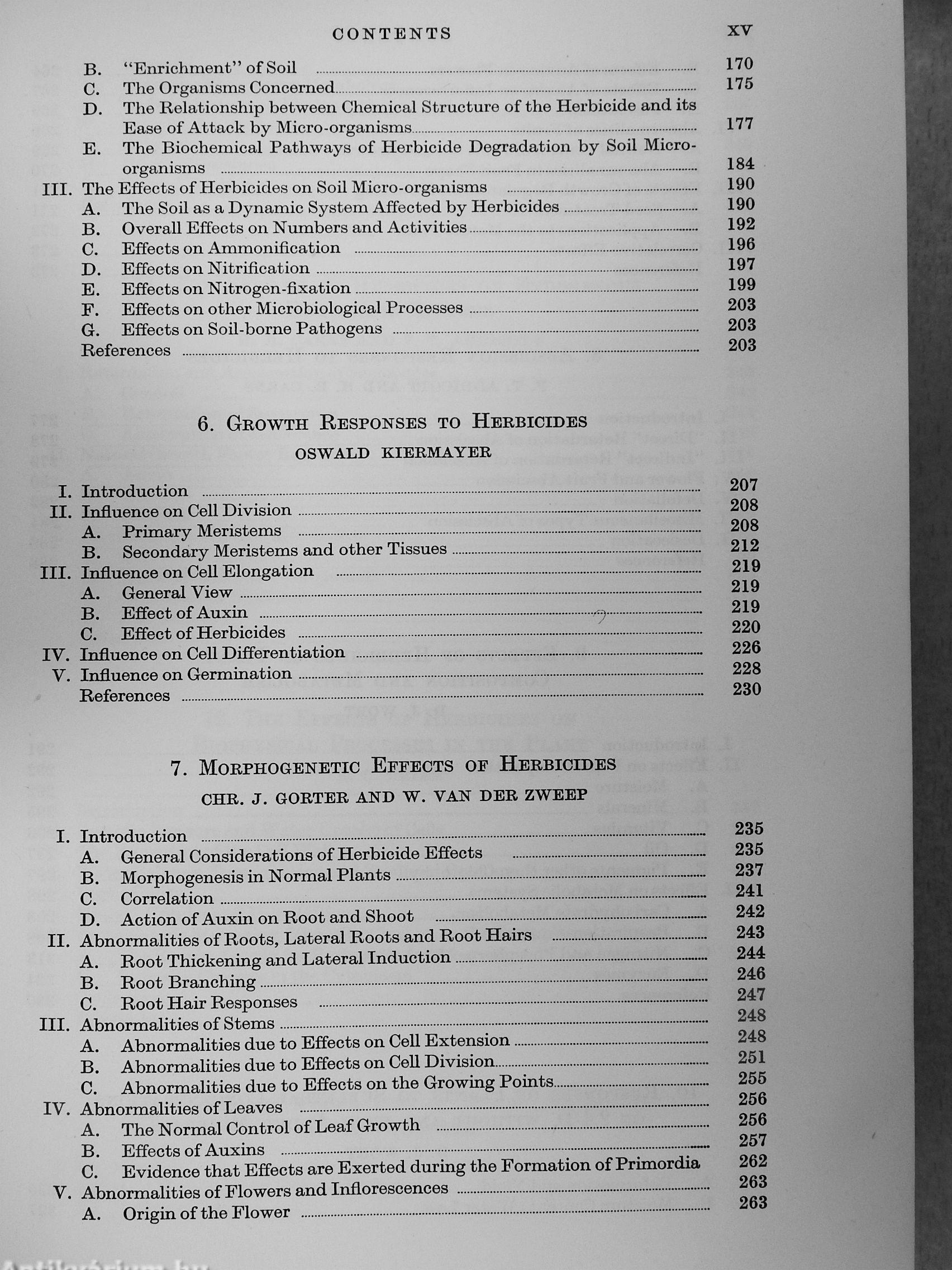
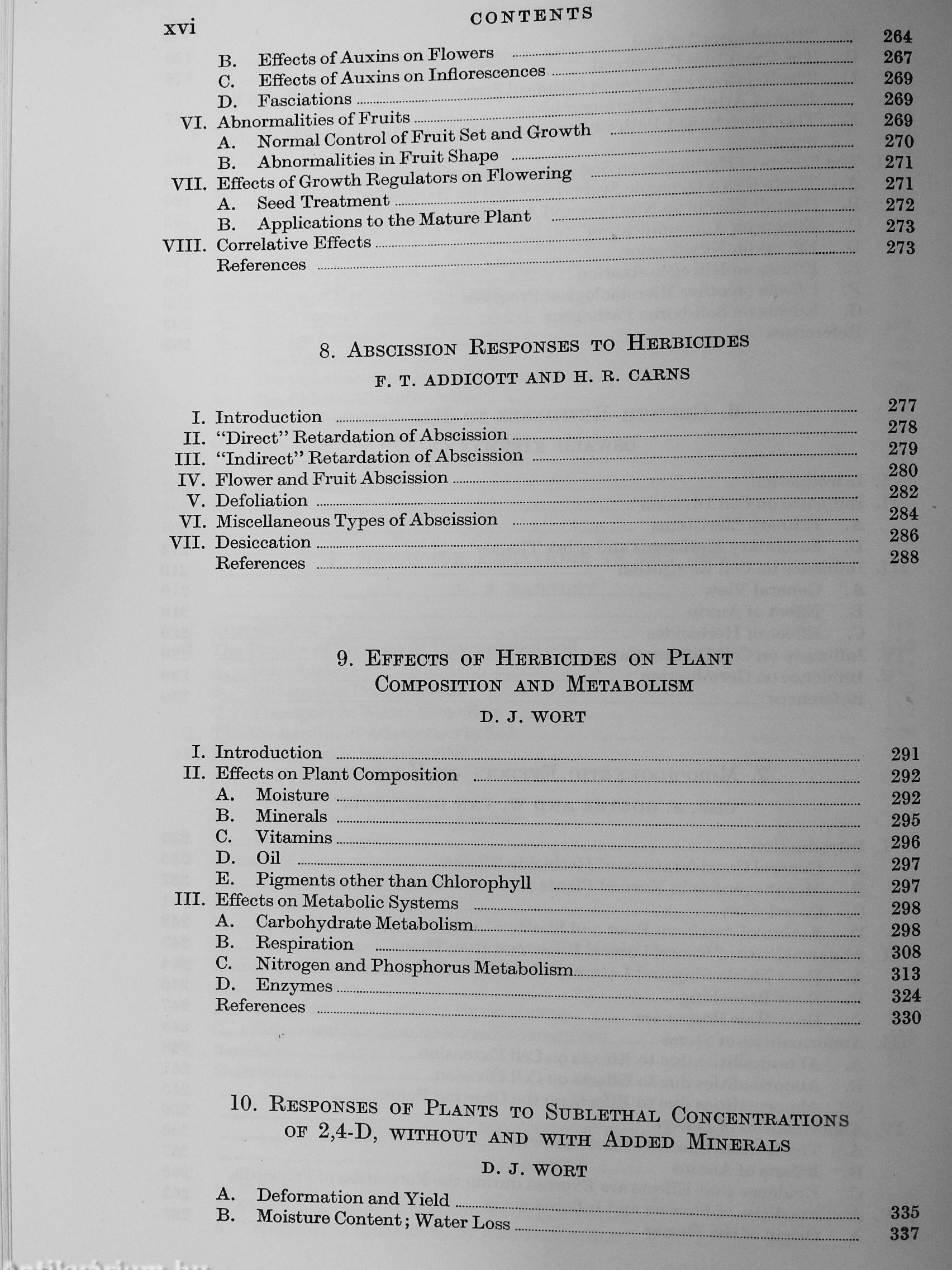
lie explosive development of selective ;g;mic weedkillers since the war has ought a major revohition in agricul-ral and horticultural practices. The itial empirical approach to herbicide :sign and development has now been placed by one based on physiological id biochemical studies. This book has en written to meet the needs of all ose scientists engaged in the design, velopment and use of herbicides by esenting an up-to-date survey of our ssent knowledge of the ways in which rbicides act through and upon the Dchemical and physiological systems the plant. It opens with a section aling with chemical classification and :thods of detection and estimation, len follow three chapters describing ; behaviour of herbicides both in the mt, before they can reach the vital ntres of attack, and in the soil, before ly can be absorbed by the plant roots. ^ subsequent chapters describe and alyse in detail the responses involved len the herbicide reaches the sensitive es in the plant. The reader is taken rough the whole spectrum of effects, )m the gross disturbances of growth d development through the reactions cells and cell systems down to the Dlecular level, where the ultimate iturbances of enzyme systems are itically surveyed. Aspects of suscepti-lity and of selectivity are thoroughly "ted in three chapters which include nsiderations of the factors intrinsic to e plant and also those arising from rmulation and the techniques of )plication. The book ends by looking herbicide design, its past and present id its promise for the future.
Dver photograph by permission of Dr. L. C. jckwill and Long Ashton Research Station!
inted in England
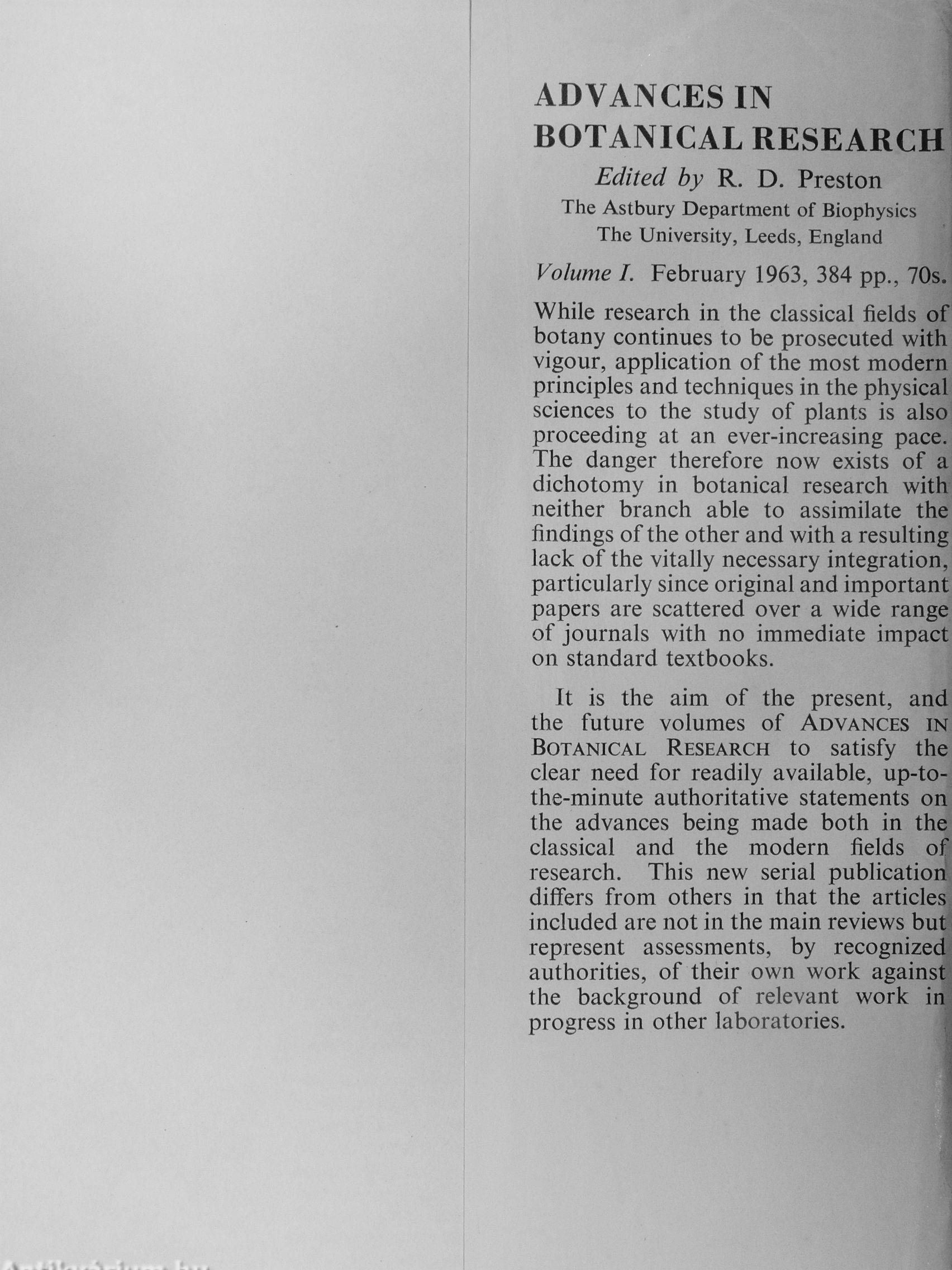
advances in
botanical research
Edited by R. D. Preston
The Astbury Department of Biophysics
The University, Leeds, England
Volume I. February 1963, 384 pp., 70s.
While research in the classical fields of botany continues to be prosecuted with vigour, application of the most modern principles and techniques in the physical sciences to the study of plants is also proceeding at an ever-increasing pace. The danger therefore now exists of a dichotomy in botanical research with neither branch able to assimilate the findings of the other and with a resulting lack of the vitally necessary integration, particularly since original and important papers are scattered over a wide range of journals with no immediate impact on standard textbooks.
It is the aim of the present, and the future volumes of Advances in Botanical Research to satisfy the clear need for readily available, up-to-the-minute authoritative statements on the advances being made both in the classical and the modern fields of research. This new serial publication differs from others in that the articles included are not in the main reviews but represent assessments, by recognized authorities, of their own work against the background of relevant work in progress in other laboratories.
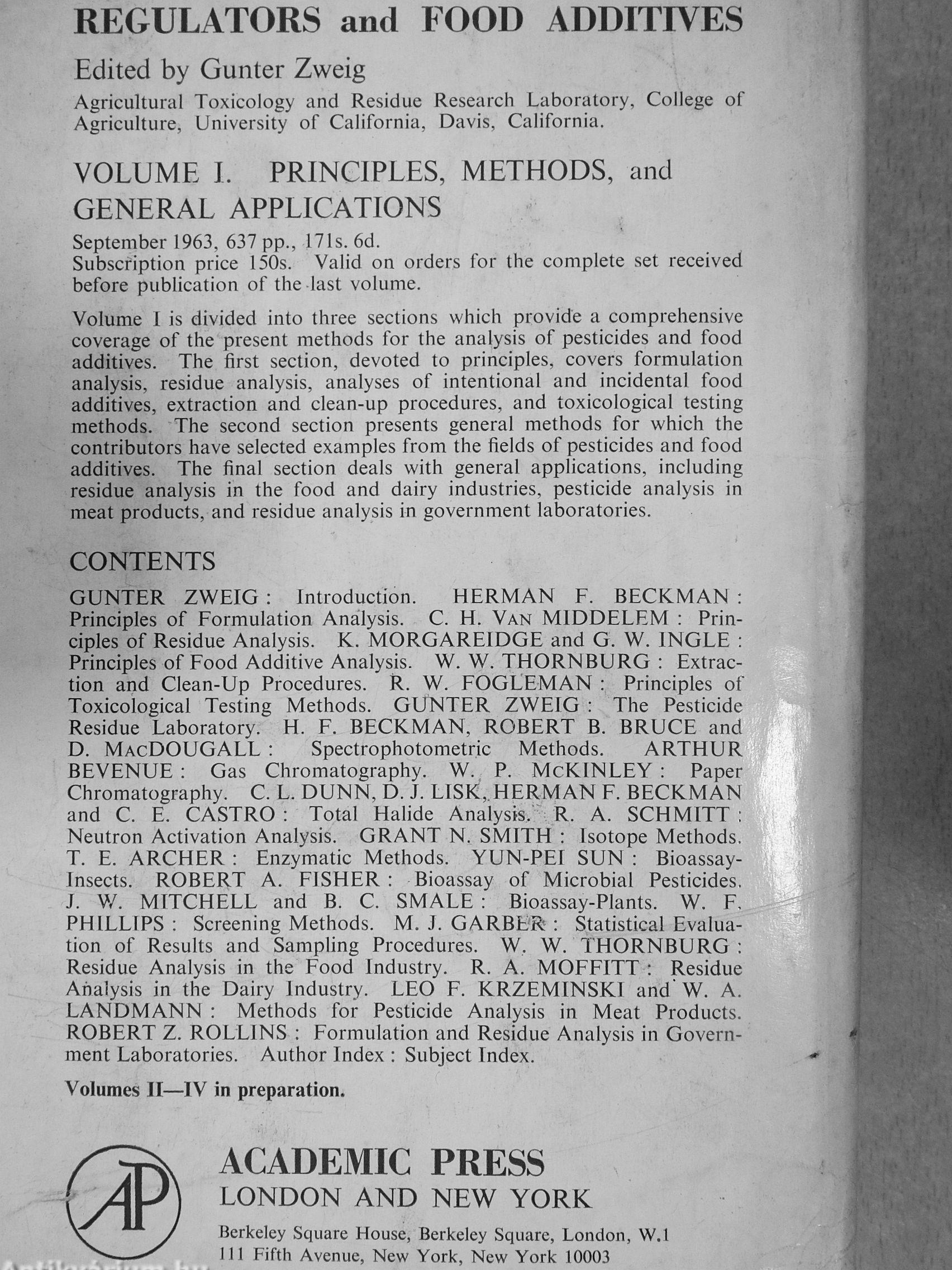
REGULATORS and FOOD ADDITIVES
Edited by Gunter Zweig
Agricultural Toxicology and Residue Research Laboratory, College of Agriculture, University of California, Davis, California.
VOLUME 1. PRINCIPLES, METHODS, and GENERAL APPLICATIONS
September 1963, 63 7 pp., 171 s. 6d.
Subscription price 150s. Valid on orders for the complete set received before publication of the last volume.
Volume 1 is divided into three sections which provide a comprehensive coverage of the present methods for the analysis of pesticides and food additives. The first section, devoted to principles, covers formulation analysis, residue analysis, analyses of intentional and incidental food additives, extraction and clean-up procedures, and toxicological testing methods. The second section presents general methods for which the contributors have selected examples from the fields of pesticides and food additives. The final section deals with general applications, including residue analysis in the food and dairy industries, pesticide analysis in meat products, and residue analysis in government laboratories.
CONTENTS
GUNTER ZWEIG : Introduction. HERMAN F. BECICMAN : Principles of Formulation Anailysis. C. H. Van MIDDELEM : Principles of Residue Analysis. K. MORGAREIDGE and G. W. INGLE : Principles of Food Additive Analysis. W. W. THORN BURG : Extraction and Clean-Up Procedures. R. W. FOGLEMAN : Principles of Toxicological Testing Methods. GUNTER ZWEIG : The Pesticide Residue Laboratory. H. F. BECKMAN, ROBERT B. BRUCE and D. MacDOUGALL : Spectrophotometric Methods. ARTHUR BEVENUE : Gas Chromatography. W. P. McKINLEY : Paper Chromatography. C. L. DUNN, D. J. LISK, HERMAN F. BECK.MAN and C. E. CASTRO: Total Halide Analysis. R. A. SCHMITT : Neutron Activation Analysis. GRANT N. SMITH : Isotope Methods. T. E. ARCHER : Enzymatic Methods. YUN-PEI SUN : Bioassay-Insects. ROBERT A. FISHER: Bioassay of Microbial Pesticides. J. V/. MITCHELL and B. C. SMALE : Bioassay-Plants. W. F, PHILLIPS: Screening Methods. M. J. GARBE'R : Statistical Evalua-don of Results and Sampling Procedures. W. W. THORN BURG : Residue Analysis in the Food industry. R. A. MOFFITT : Residue Analysis in the Dairy Industry. LEO F. KRZEMINSKI and'W. A. LANDMANN : Methods for Pesticide Analysis in Meat Products. ROBERT Z. ROLLINS : Formulation and Residue Analysis in Government Laboratories. Author Index : Subject Index.
Volumes 1[—IV in preparation.
If^
( Sf
ACADEMIC PRESS
LONDON AND NEW YORK
Berkeley Square House, Berkeley Square, London, W.l 111 Fifth Avenue, New York, New York 10003 Vissza
Témakörök
- Idegennyelv > Idegennyelvű könyvek > Angol > Egyéb
- Idegennyelv > Idegennyelvű könyvek > Angol > Természettudományok > Biológia
- Idegennyelv > Idegennyelvű könyvek > Angol > Természettudományok > Kémia
- Idegennyelv > Idegennyelvű könyvek > Angol > Természettudományok > Egyéb
- Természettudomány > Kémia > Biokémia
- Természettudomány > Kémia > Idegennyelvű
- Mezőgazdaság > Mezőgazdaság általában > Technológiák
- Természettudomány > Növényvilág > Növényvédelem > Vegyi növényvédelem
- Természettudomány > Növényvilág > Növénytan > Növényélettan
- Természettudomány > Biológia > Biológia, általános > Biokémia
- Természettudomány > Biológia > Biológia, általános > Idegennyelvű
- Mezőgazdaság > Növényvédelem > Egyéb
Megvásárolható példányok
Nincs megvásárolható példány
A könyv összes megrendelhető példánya elfogyott. Ha kívánja, előjegyezheti a könyvet, és amint a könyv egy újabb példánya elérhető lesz, értesítjük.
 Folytatás Microsoft-tal