A beállítást mentettük, naponta értesítjük a beérkező friss kiadványokról
A beállítást mentettük, naponta értesítjük a beérkező friss kiadványokról
Előszó
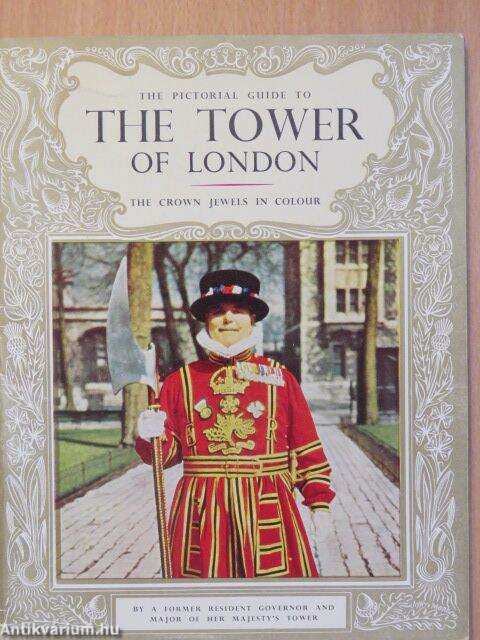
HER MAJESTY'S ROYAL PALACE AND FORTRESS OF THE TOWER OF LONDON BY A FORMER RESIDENT GOVERNOR AND MAJOR THE richly varied history of this country since 1078, the year in which construction of the...
Tovább
Előszó
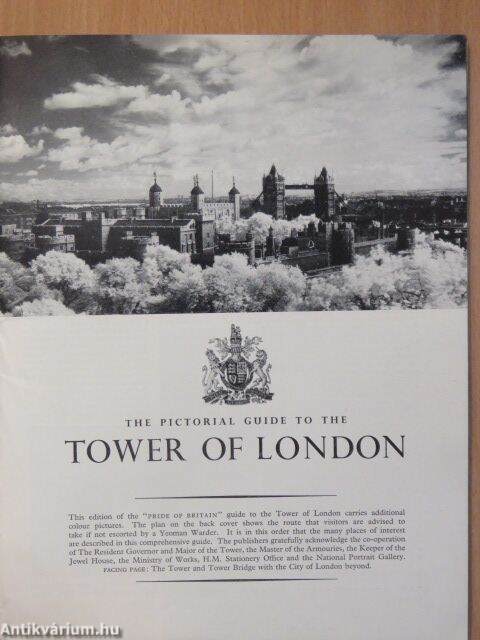
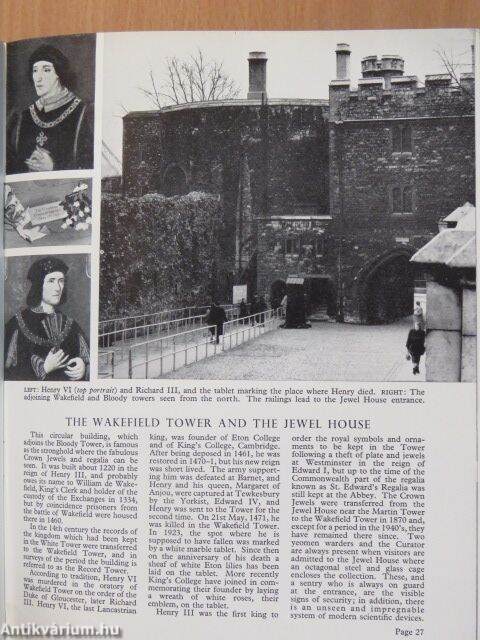
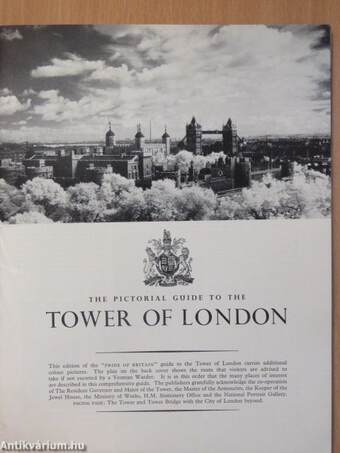
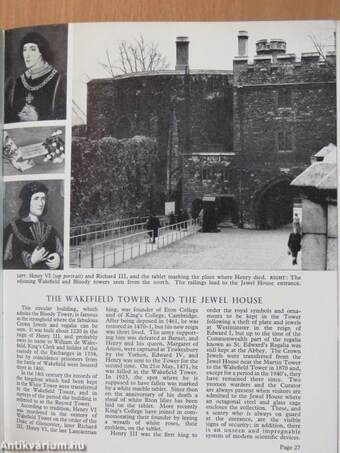
HER MAJESTY'S ROYAL PALACE AND FORTRESS OF THE TOWER OF LONDON BY A FORMER RESIDENT GOVERNOR AND MAJOR THE richly varied history of this country since 1078, the year in which construction of the White Tower began, is exemplified in the Tower of London. Kings of England, when the battle turnéd against them, often found safety in the Tower. Two sovereigns suffered violent deaths within its walls and one was deposed there. In the late Norman and Plantagenet periods the fortress frequently changed hands between the Crown and confederated barons, and although it has many times been besieged it has never been captured. From Norman days the Tower has been a state prison: its famous and infamous captives have included John de Baliol, king of the Scots, in 1296 and Rudolph Hess during World War II. It has been a place of torture and of execution. Among others, two queens have trod the melancholy path to the scaffold. Continuously from the llth century the Tower has held a military garrison. Arms and armour have always been stored there and today it contains the National collection. Sovereigns of England up to James I, with the exception of Elizabeth I, resided with their courts in the Tower and somé of them, Elizabeth I included, proceeded from it to their coronations at Westminster. It has held the public records, the royal menagerie, the first royal observatory and the royal mint, and at one time the Courts of Justice sat in the Tower. It was the strongest fortress in the land and as such the safe custody of the Crown Jewels has been entrusted to it since the time of Henry III. The story of the Tower of London begins with William the Conqueror. Somé twelve years after the Battle of Hastings William decided to build a fortress on the fortified camp on what is now Tower Hill. The first building to be erected was the keep, later called the White Tower. Its foundations were dug alongside the city wall of Román Londinium and its construction took at least 20 years. In the following years the originál defences were developed into the existing inner wall which was completed with its thirteen towers in the reign of Henry III (1216-72). Earlier, Richárd I (1189-99) had seen the need for greater depth and had ordered the ditch to be enlarged. The soil removed was placed on the south side of the fortress, thus forming the wharf. The outer wall and the moat were completed in the reign of Edward I (1272-1307), and the only defences added since were the Cradle Tower in the 14th century, Legge's Mount and Brass Mount by Henry VIII (1509-1547), and the North Bastion (since demolished) built to deal with the Chartists' Riots of 1848. As the main object of the Tower was security, from the time of Edward I inspection at seven gateways had to be undergone before the White Tower could be reached. In this period the Ceremony of Keys began. The Tower has always been directly controlled by the sovereign and commanded by the Constable appointed by the Crown. The first Constable was Geoffrey de Mandeville, one of the Conqueror's knights. Prelates and politicians have held the post, but since the late 18th century eminent soldiers have been appointed. The Constable, who has direct access to the sovereign, does not now reside in the Tower but entrusts the day-to-day administration to a Resident Governor and Major who lives in The Queen's House. He, alsó, is invariably a distinguished retired Army officer. The procession of Edward VI leaving the Tower for Westminster Palace on the eve of his coronation in 1547. A detail from the Vetusta Monumenta. Page 2
Vissza
Google, Facebook, Apple, Microsoft fiókkal való belépés/regisztráció eseténautomatikusan elfogadja az Általános Szerződési Feltételeket.
Elfelejtett jelszó
Kérjük, adja meg azonosítóját, és a hozzá tartozó email címet, hogy jelszavát elküldhessük Önnek!
A *-gal jelölt mezők kitöltése kötelező!
Azonosító név/E-mail cím* Azonosító és e-mail cím megegyező
E-mail cím*
(2009 március óta a regisztrált ügyfelek azonosító neve megegyezik az email címmel)
Ha az azonosítóját sem tudja megadni, kérjük, hívja az ügyfélszolgálati vonalat:
+36-62-452-833
1
2
3
Regisztráció
Regisztráció
Regisztrációja sikeresen megtörtént.
Megadott e-mail címére megerősítő e-mailt küldtünk. Ahhoz, hogy a regisztrációja véglegesedjen, és le tudja adni rendeléseit, kérjük, kattintson a levélben található linkre. A megerősítő link a kiküldéstől számított 48 óráig érvényes, ezután a regisztrációs adatok törlésre kerülnek.
Kérjük, jelölje meg az érdeklődési körébe tartozó témaköröket!
Regisztráció
Az ön által megjelölt témakörök:
Temakor_1
Beállíthatja, hogy emailben értesítőt kapjon az újonnan beérkezett példányokról a bejelölt témaköröknek megfelelően.
Beállított értesítőit belépés után bármikor módosíthatja az Értesítő menüpont alatt:
létrehozhat új témaköri értesítőt
inaktiválhatja értesítőjét, ha éppen nem kíván a megadott témában értesítőt kapni
törölheti véglegesen az adott értesítőjét
szerkesztheti jelenlegi értesítőjét, ha még részletesebben szeretné megadni mi érdekli.
Az Ön választása alapján naponta vagy 3 naponta kap tőlünk emailt a beállított értesítőjéről.


 Folytatás Microsoft-tal