
1.152.434
kiadvánnyal nyújtjuk Magyarország legnagyobb antikvár könyv-kínálatát

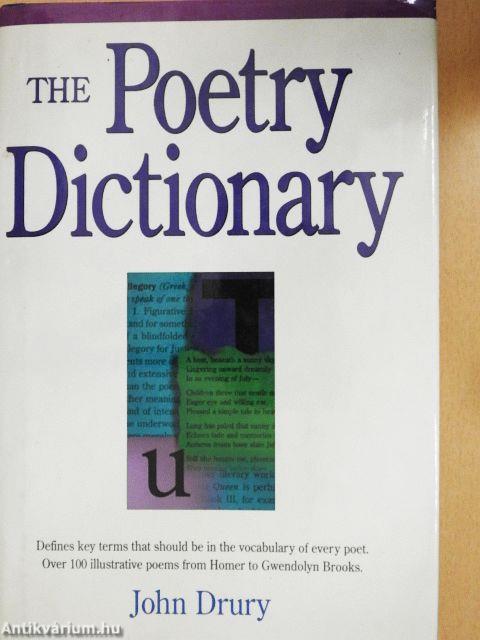
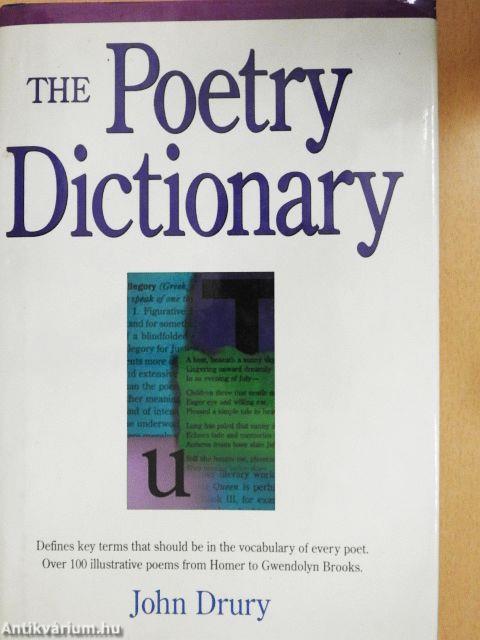
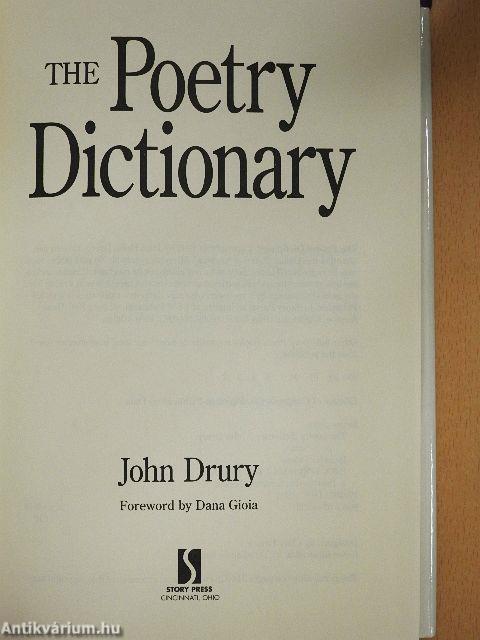
The Poetry Dictionary
Defines Key Terms that Should Be in the Vocabulary of Every Poet. Over 100 Illustrative Poems from Homer to Gwendolyn Brooks
Cincinnati
| Kiadó: | Story Press Books |
|---|---|
| Kiadás helye: | Cincinnati |
| Kiadás éve: | |
| Kötés típusa: | Fűzött kemény papírkötés |
| Oldalszám: | 326 oldal |
| Sorozatcím: | |
| Kötetszám: | |
| Nyelv: | Angol |
| Méret: | 24 cm x 16 cm |
| ISBN: | 1-884910-04-1 |
Értesítőt kérek a kiadóról
A beállítást mentettük,
naponta értesítjük a beérkező friss
kiadványokról
naponta értesítjük a beérkező friss
kiadványokról
A beállítást mentettük,
naponta értesítjük a beérkező friss
kiadványokról
naponta értesítjük a beérkező friss
kiadványokról
Előszó
Tovább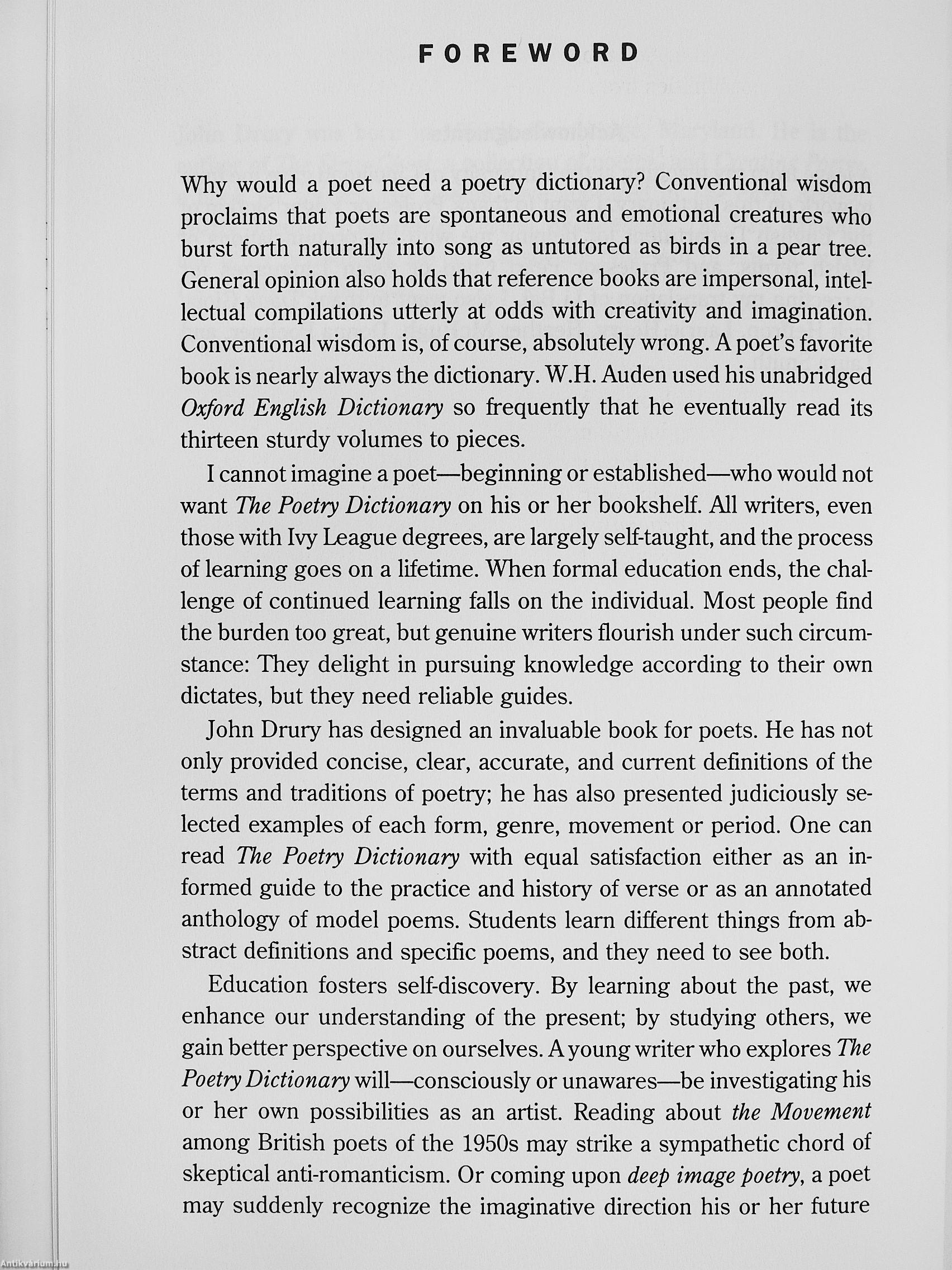
Fülszöveg
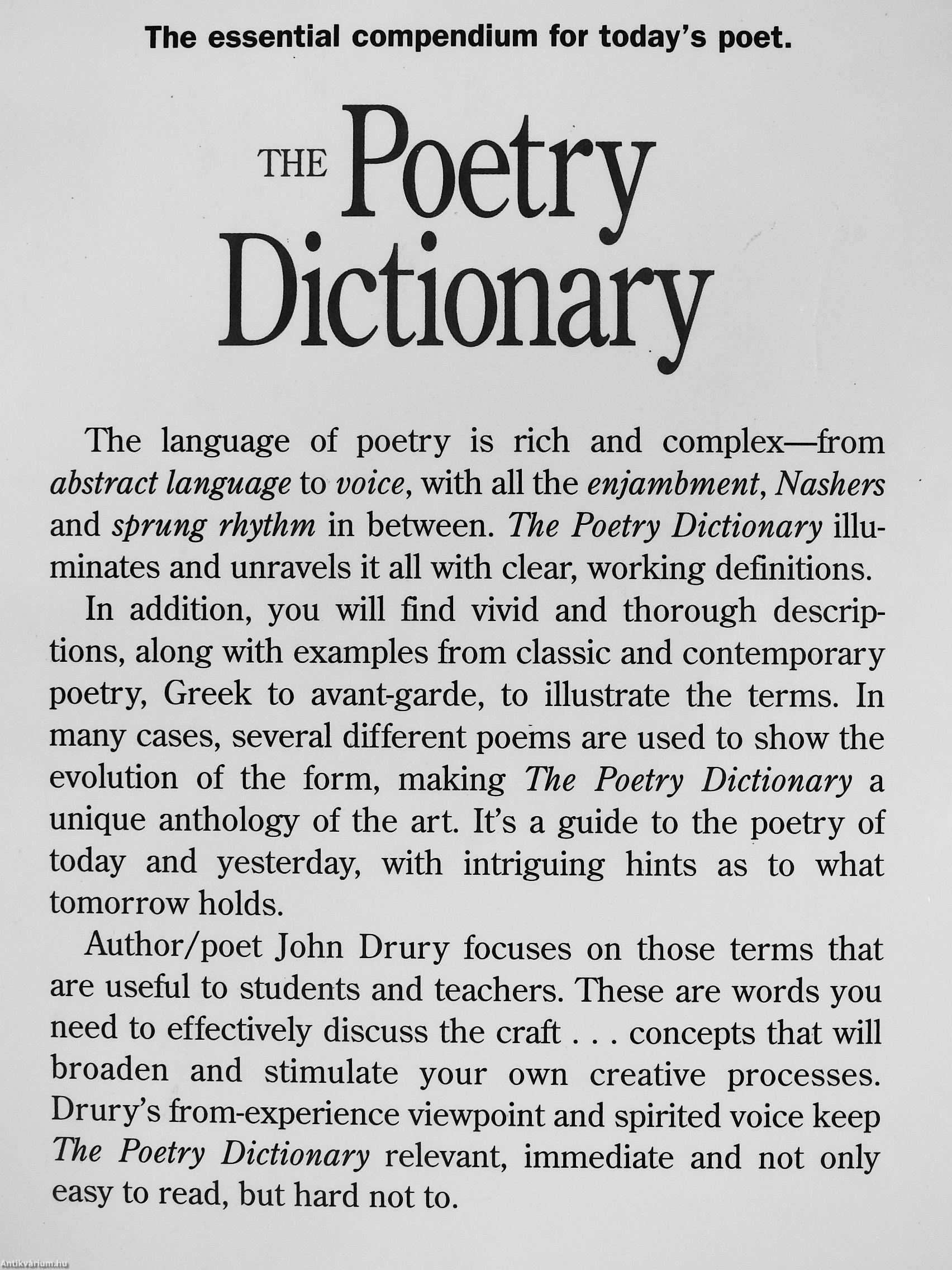
The essential compendium for today's poet.
Poetry Dictionary
The language of poetry is rich and complex—from abstract language to voice, with all the enjamhment, Nashers and sprung rhythm in between. The Poetry Dictionary illuminates and unravels it all with clear, working definitions.
In addition, you will find vivid and thorough descriptions, along with examples from classic and contemporary poetry, Greek to avant-garde, to illustrate the terms. In many cases, several different poems are used to show the evolution of the form, making The Poetry Dictionary a unique anthology of the art. It's a guide to the poetry of today and yesterday, with intriguing hints as to what tomorrow holds.
Author/poet John Drury focuses on those terms that are useful to students and teachers. These are words you need to effectively discuss the craft. . . concepts that will broaden and stimulate your own creative processes. Drury's from-experience viewpoint and spirited voice keep The Poetry... Tovább
Fülszöveg
The essential compendium for today's poet.
Poetry Dictionary
The language of poetry is rich and complex—from abstract language to voice, with all the enjamhment, Nashers and sprung rhythm in between. The Poetry Dictionary illuminates and unravels it all with clear, working definitions.
In addition, you will find vivid and thorough descriptions, along with examples from classic and contemporary poetry, Greek to avant-garde, to illustrate the terms. In many cases, several different poems are used to show the evolution of the form, making The Poetry Dictionary a unique anthology of the art. It's a guide to the poetry of today and yesterday, with intriguing hints as to what tomorrow holds.
Author/poet John Drury focuses on those terms that are useful to students and teachers. These are words you need to effectively discuss the craft. . . concepts that will broaden and stimulate your own creative processes. Drury's from-experience viewpoint and spirited voice keep The Poetry Dictionary relevant, immediate and not only easy to read, but hard not to.
i i il
fi
I , 'ir! I I ' '
I. , l' '
^ ; 'i! I:
' I I
: I ; I
i'.'-' ' i' i'-ilh'
i il : M ; ¦ ! ' ' i ' , j, ' : ' ! "
I
! i:
! i' 11 .1 ;
.''I 1''.
: I '
V/'irv':,^:'
' / 'Ij:'.';:',' f/' il
I.I! ; ! r I i :
r ,, !¦'.!
i j i;,f ( , ¦ - ji^'V
I'l
I if/If.
I ; i ¦ ¦
iM',',
I I :'. .1 ¦ I ¦ ! I
Poetry Dictionary
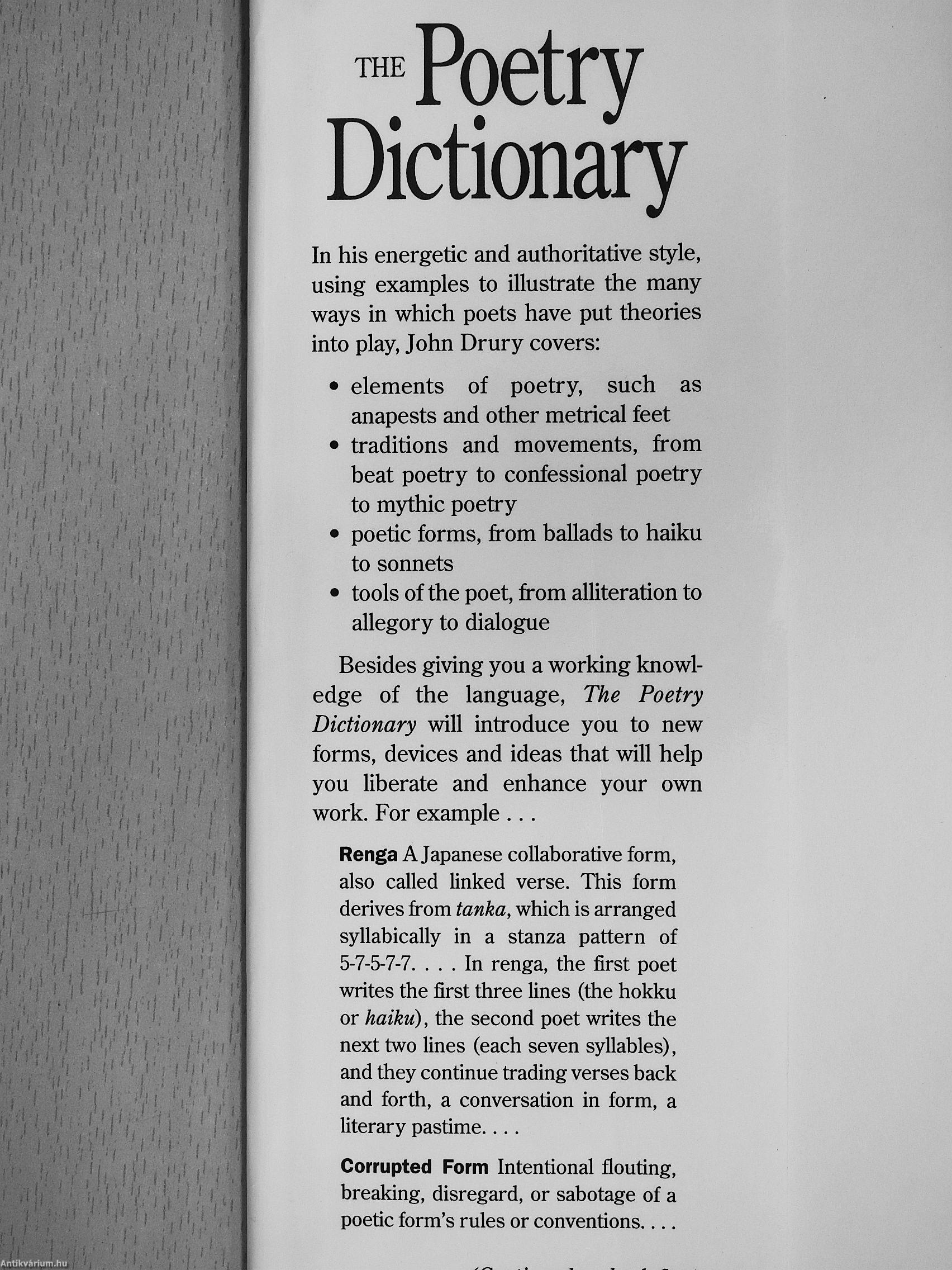
In his energetic and authoritative style, using examples to illustrate the many ways in which poets have put theories into play, John Drury covers:
• elements of poetry, such as anapests and other metrical feet
• traditions and movements, from beat poetry to confessional poetry to mythic poetry
• poetic forms, from ballads to haiku to sonnets
• tools of the poet, from alliteration to allegory to dialogue
Besides giving you a working knowledge of the language. The Poetry Dictionary will introduce you to new forms, devices and ideas that will help you liberate and enhance your own work. For example .
Renga A Japanese collaborative form, also called linked verse. This form derives from tanka, which is arranged syllabically in a stanza pattern of 5-7-5-7-7. In renga, the first poet writes the first three lines (the hokku or haiku), the second poet writes the next two lines (each seven syllables), and they continue trading verses back and forth, a conversation in form, a literary pastime
Corrupted Form Intentional flouting, breaking, disregard, or sabotage of a poetic form's rules or conventions
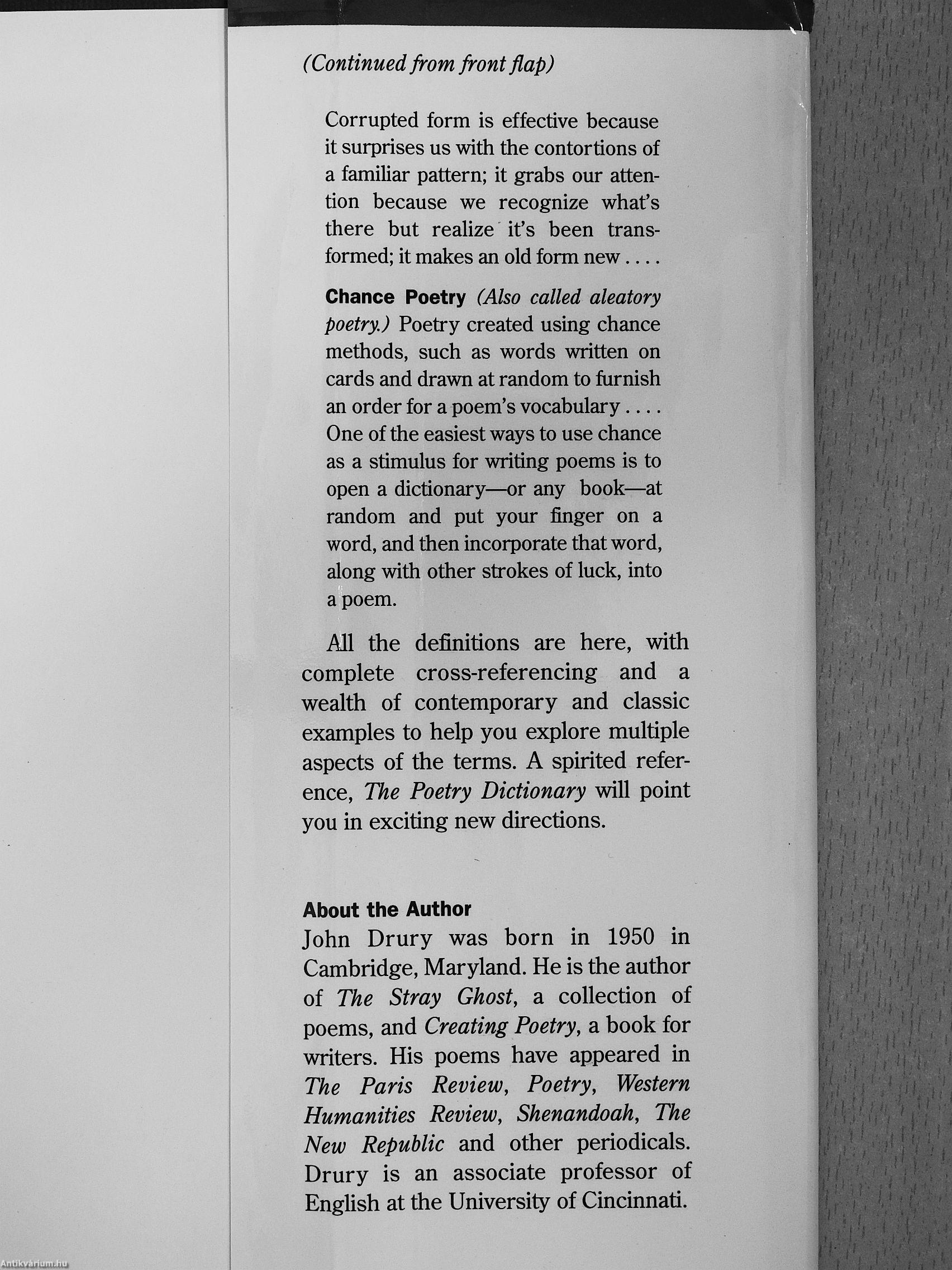
(Continued from front flap)
Corrupted form is effective because it surprises us with the contortions of a familiar pattern; it grabs our attention because we recognize what's there but realize it's been transformed; it makes an old form new____
Chance Poetry (Also called aleatory poetry.) Poetry created using chance methods, such as words written on cards and dravra at random to furnish
an order for a poem's vocabulary____
One of the easiest ways to use chance as a stimulus for writing poems is to open a dictionary—or any book—at random and put your finger on a word, and then incorporate that word, along with other strokes of luck, into a poem.
All the definitions are here, with complete cross-referencing and a wealth of contemporary and classic examples to help you explore multiple aspects of the terms. A spirited reference, The Poetry Dictionary will point you in exciting new directions.
About the Author
John Drury was born in 1950 in Cambridge, Maryland. He is the author of The Stray Ghost, a collection of poems, and Creating Poetry, a book for vmters. His poems have appeared in The Paris Review, Poetry, Western Humanities Review, Shenandoah, The New Republic and other periodicals. Drury is an associate professor of English at the University of Cincinnati. Vissza
Témakörök
- Idegennyelv > Idegennyelvű könyvek > Angol > Irodalomtörténet
- Idegennyelv > Idegennyelvű könyvek > Angol > Szótárak
- Irodalomtörténet > Lexikon, kézikönyv
- Irodalomtörténet > Irodalomtudomány > Műnemek > Líra
- Irodalomtörténet > Irodalomelmélet > Általános
- Szótárak > Szakszótárak > Tudományos > Egyéb
- Szótárak > Idegennyelvű szótárak > Angol
- Irodalomtörténet > Irodalom oktatása > Egyéb
John Drury
John Drury műveinek az Antikvarium.hu-n kapható vagy előjegyezhető listáját itt tekintheti meg: John Drury könyvek, művekMegvásárolható példányok
Állapotfotók
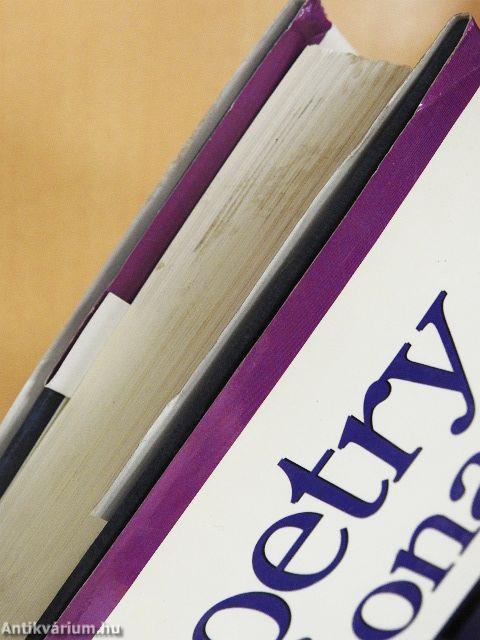
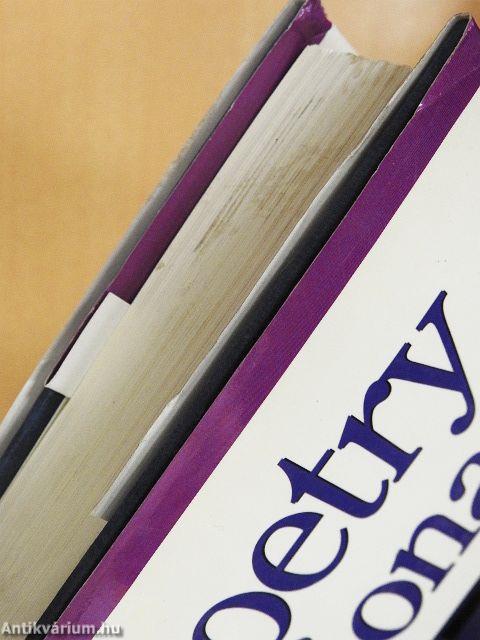
A lapélek foltosak. Az előzéklapon tulajdonosi bejegyzés látható.
Állapot:
Jó
3.540 ,-Ft
18
pont kapható
Kosárba
 Folytatás Microsoft-tal