Fülszöveg
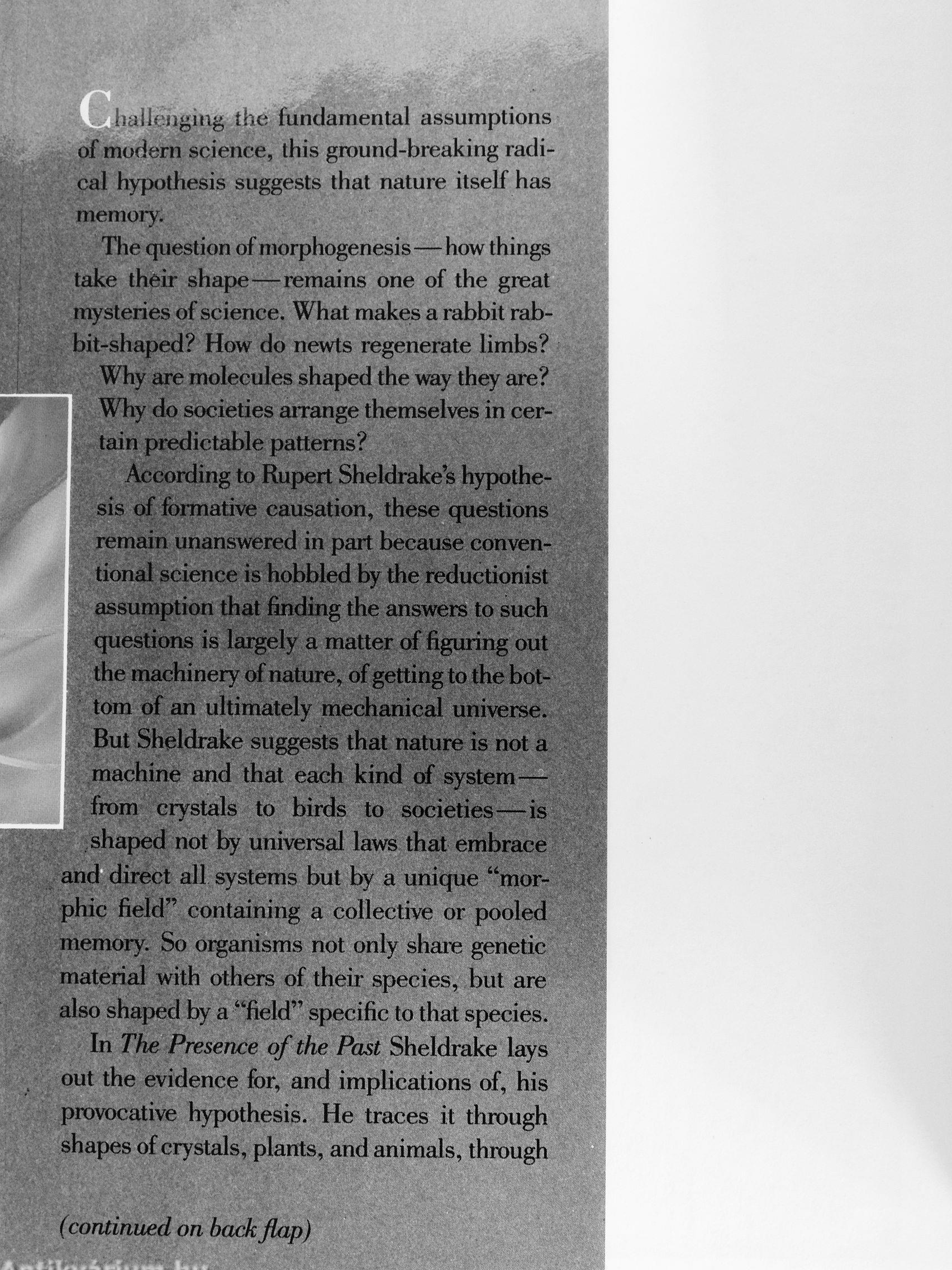
lialleijying the hinclamental assumptions of modern science, this ground-breaking radical hypothesis suggests that nature itself has memory.
The question of morphogenesis—how things take their shape—remains one of the great mysteries of science. What makes a rabbit rab-bit-shaped? How do newts regenerate limbs? Why are molecules shaped the way they are? Why do societies arrange themselves in certain predictable patterns?
According to Rupert Sheldrake's hypothesis of formative causation, these questions remain unanswered in part because conventional science is hobbled by the reductionist assumption that finding the answers to such questions is laigely a matter of figuring out the machinery of nature, of getting to the bottöm of an ultimately mechanical universe. But Sheldrake suggests that nature is not a machine and that each kind of system— from crystals to birds to societies—is shaped not by universal laws that embrace and direct all systems but by a unique "morphic field"...
Tovább
Fülszöveg
lialleijying the hinclamental assumptions of modern science, this ground-breaking radical hypothesis suggests that nature itself has memory.
The question of morphogenesis—how things take their shape—remains one of the great mysteries of science. What makes a rabbit rab-bit-shaped? How do newts regenerate limbs? Why are molecules shaped the way they are? Why do societies arrange themselves in certain predictable patterns?
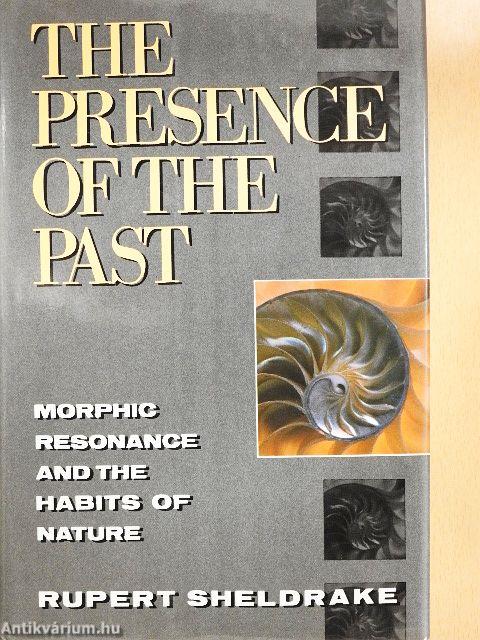
According to Rupert Sheldrake's hypothesis of formative causation, these questions remain unanswered in part because conventional science is hobbled by the reductionist assumption that finding the answers to such questions is laigely a matter of figuring out the machinery of nature, of getting to the bottöm of an ultimately mechanical universe. But Sheldrake suggests that nature is not a machine and that each kind of system— from crystals to birds to societies—is shaped not by universal laws that embrace and direct all systems but by a unique "morphic field" containing a collective or pooled memory. So organisms not only shai« genetic material with others of their species, but are also shaped by a "field" specific to that species.
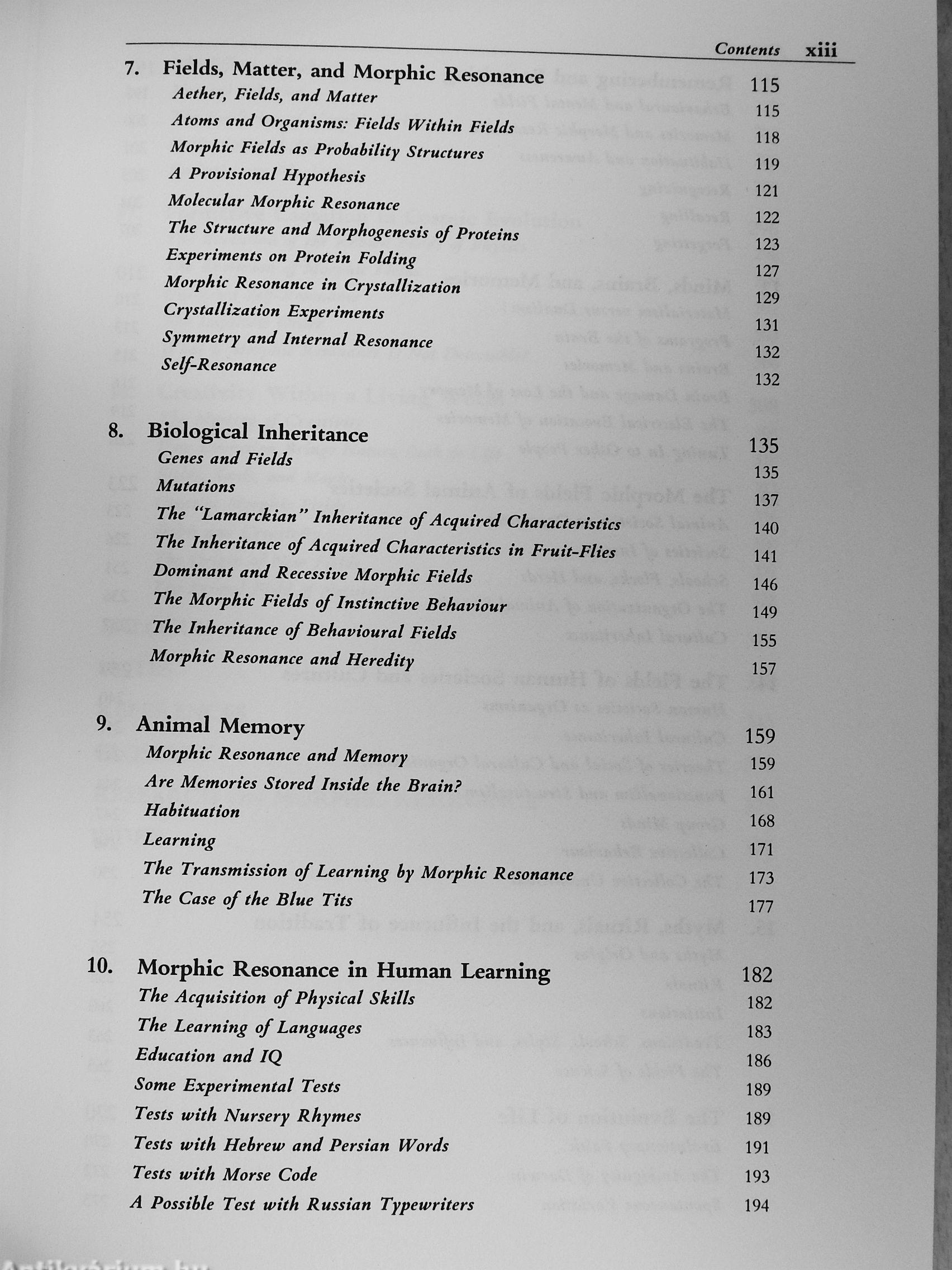
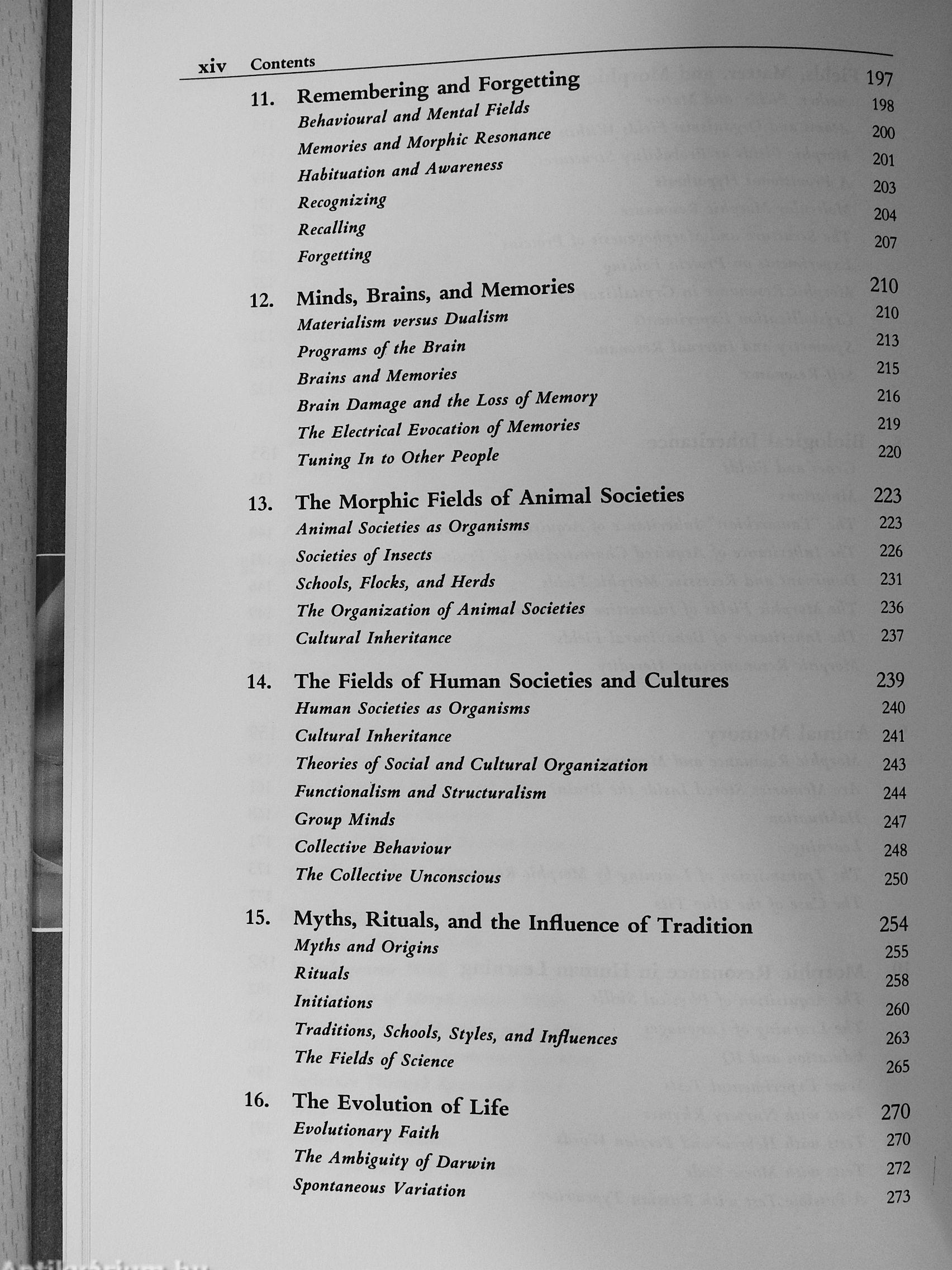
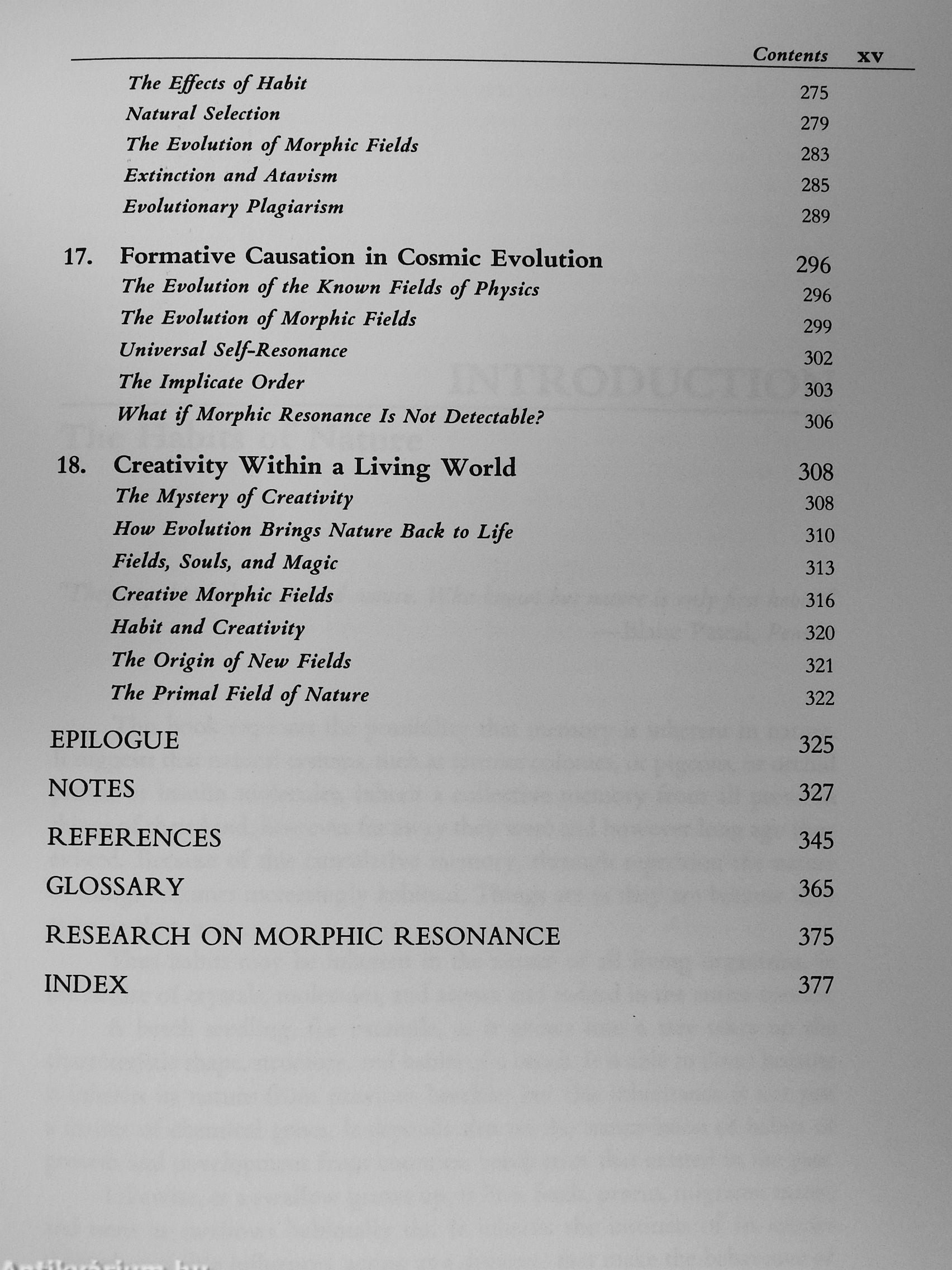
In The Presence of the Past Sheldrake lays out the evidence for, and implications of, his provocative hypothesis. He traces it through shapes of crystals, plants, and animals, through
(continued on back flap)
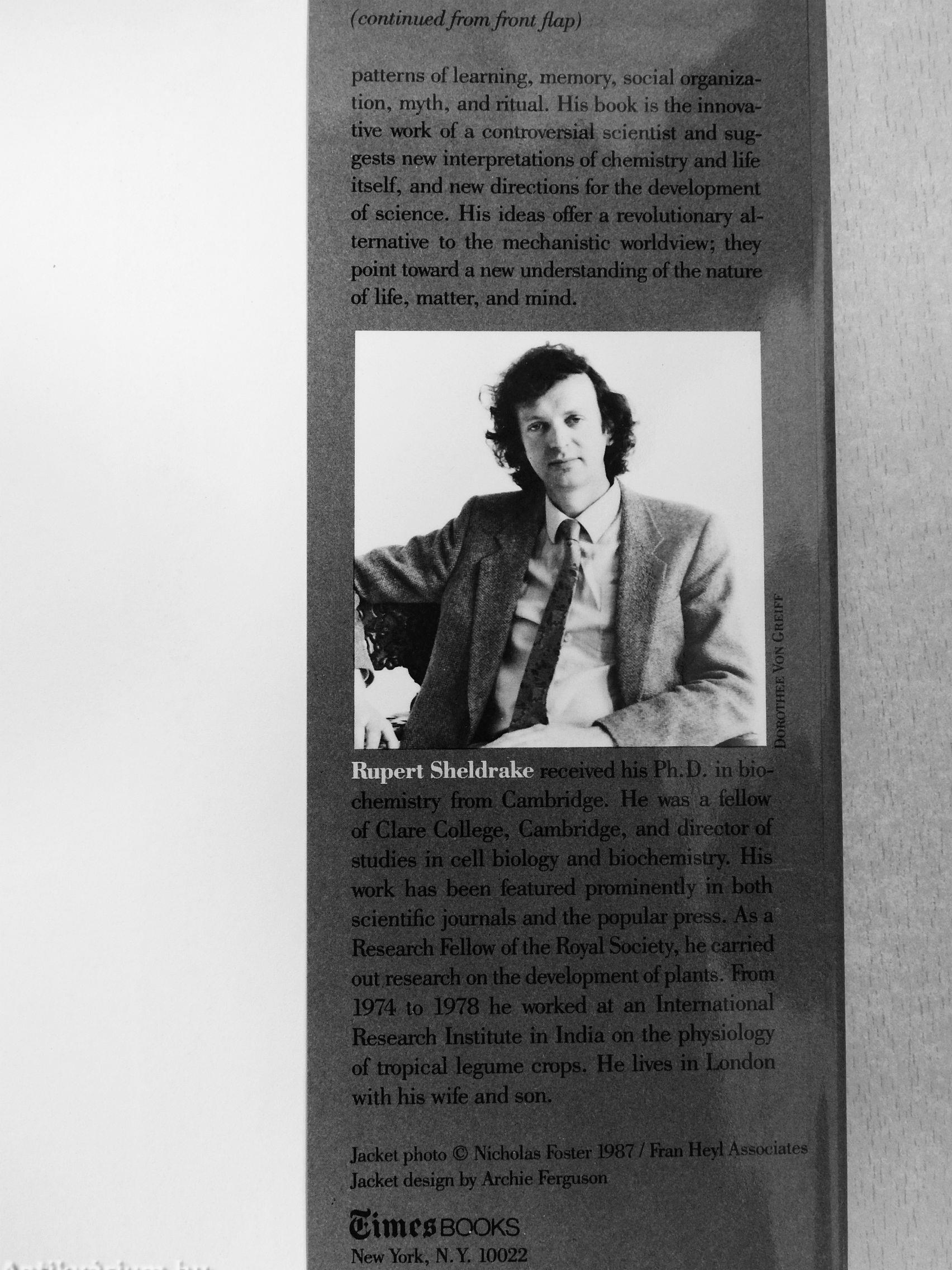
(continued from front flap)
patterns of learning, memory, social organization, myth, and ritual. His book is the innovative work of a controversia scienti^ and suggests new interpretations of chemistry and life itself, and new directions for the development of science. His ideas offer a revolutionary alternative to the mechanistic worldview; they point toward a new understanding of the nature of life, matter, and mind.
E r
*
r
E.
J
his Ph.D. inbio-;^
'iir: "-J
Mi^gfiiMiiiijiMHiitip.::^'-.— „tv'
chemistr)' from Cambridge. He was a fellow of Clare College, Cambridge, and director of r suidies in eel! biology and biochemistry. Hi.s work has been featured prominently ji^both scientific journals and the popular press. As a ResearchTellow of the Royal Society, he carried out research on the development of plants. From 1974 to 1978 he worked at an International Reseaich Institute in India on the physiolog>' of tropical legume crops. He lives in London with his wife and son.
f Jacket photo © Nicholas Foster 1987 / Fran Heyl Associates ^ ^ I Jacket design by Archie Ferguson
F Símc!5 BOOKS
I NewYork.N.Y. 10022
Vissza 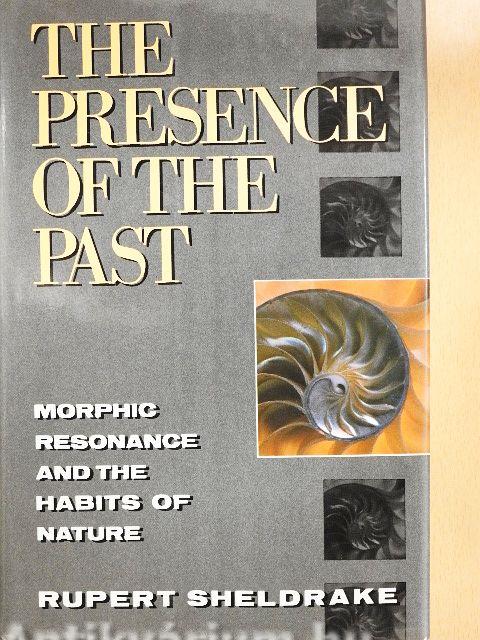



 Folytatás Microsoft-tal