Fülszöveg
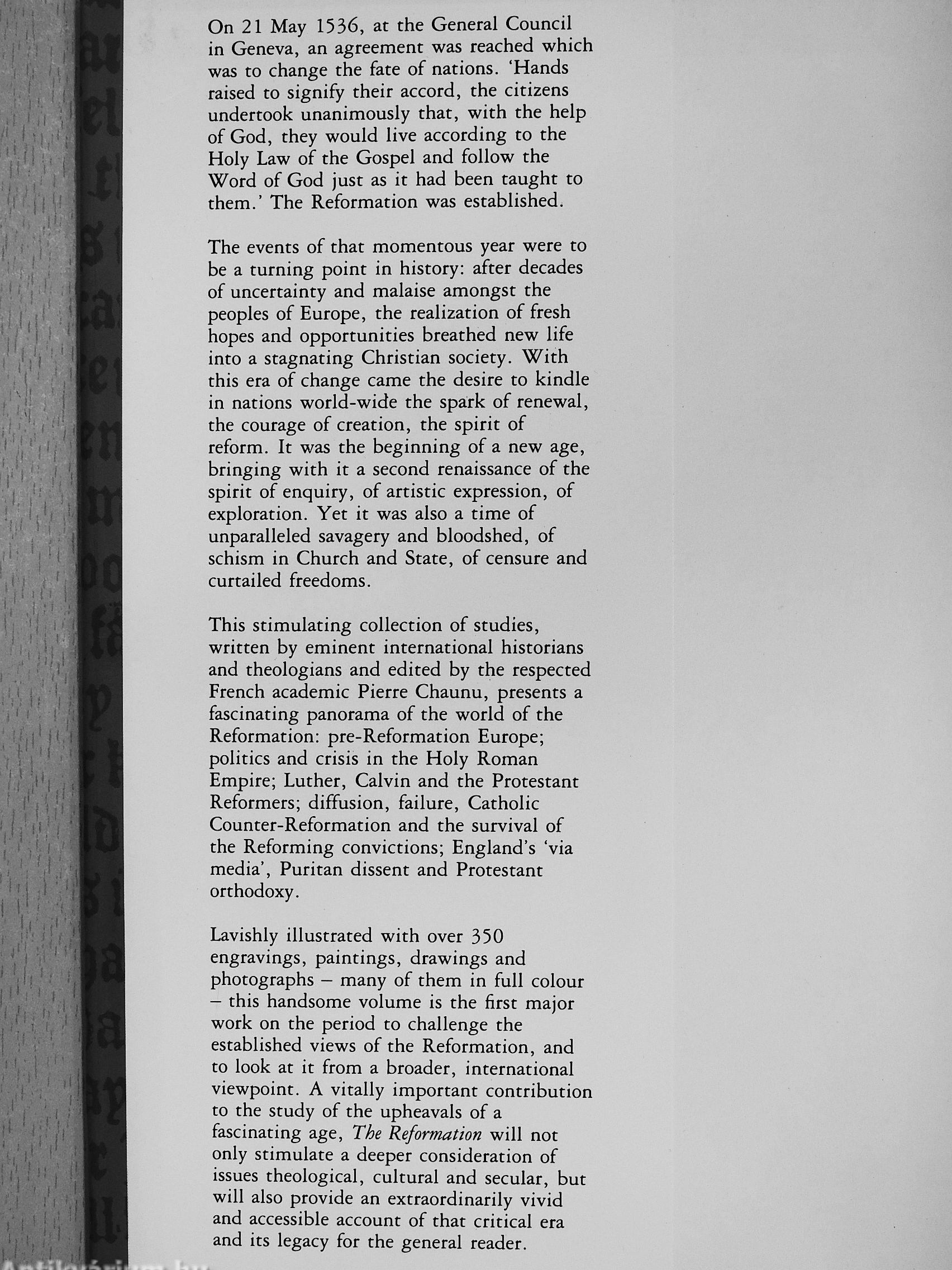
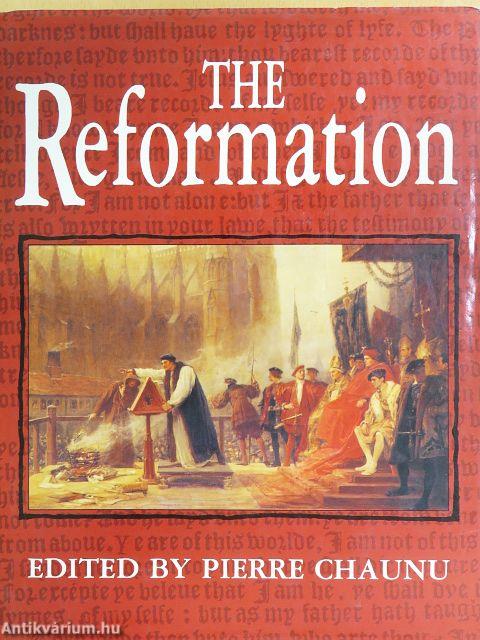
On 21 May 1536, at the General Council in Geneva, an agreement was reached which was to change the fate of nations. 'Hands raised to signify their accord, the citizens undertook unanimously that, with the help of God, they would live according to the Holy Law of the Gospel and follow the Word of God just as it had been taught to them.' The Reformation was established.
The events of that momentous year were to be a turning point in history: after decades of uncertainty and malaise amongst the peoples of Europe, the realization of fresh hopes and opportunities breathed new life into a stagnating Christian society. With this era of change came the desire to kindle in nations world-wide the spark of renewal, the courage of creation, the spirit of reform. It was the beginning of a new age, bringing with it a second renaissance of the spirit of enquiry, of artistic expression, of exploration. Yet it was also a time of unparalleled savagery and bloodshed, of schism in Church and...
Tovább
Fülszöveg
On 21 May 1536, at the General Council in Geneva, an agreement was reached which was to change the fate of nations. 'Hands raised to signify their accord, the citizens undertook unanimously that, with the help of God, they would live according to the Holy Law of the Gospel and follow the Word of God just as it had been taught to them.' The Reformation was established.
The events of that momentous year were to be a turning point in history: after decades of uncertainty and malaise amongst the peoples of Europe, the realization of fresh hopes and opportunities breathed new life into a stagnating Christian society. With this era of change came the desire to kindle in nations world-wide the spark of renewal, the courage of creation, the spirit of reform. It was the beginning of a new age, bringing with it a second renaissance of the spirit of enquiry, of artistic expression, of exploration. Yet it was also a time of unparalleled savagery and bloodshed, of schism in Church and State, of censure and curtailed freedoms.
i.,1 i
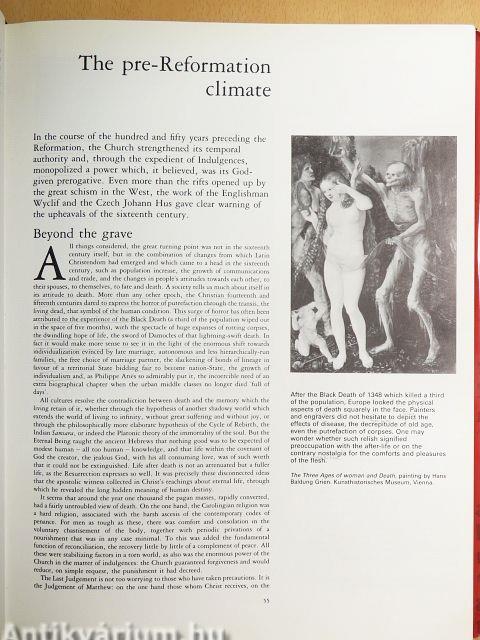
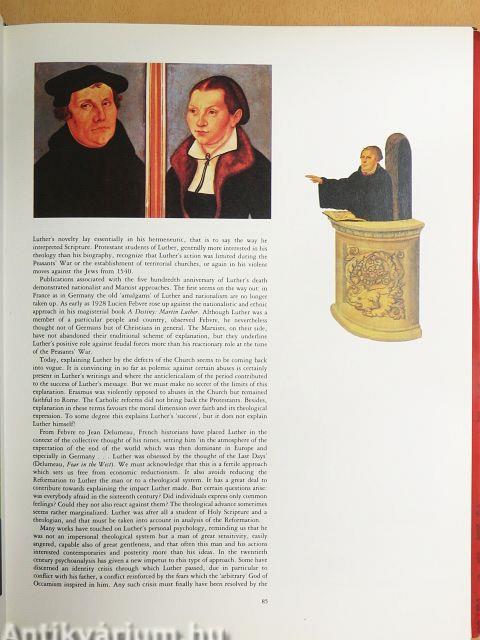
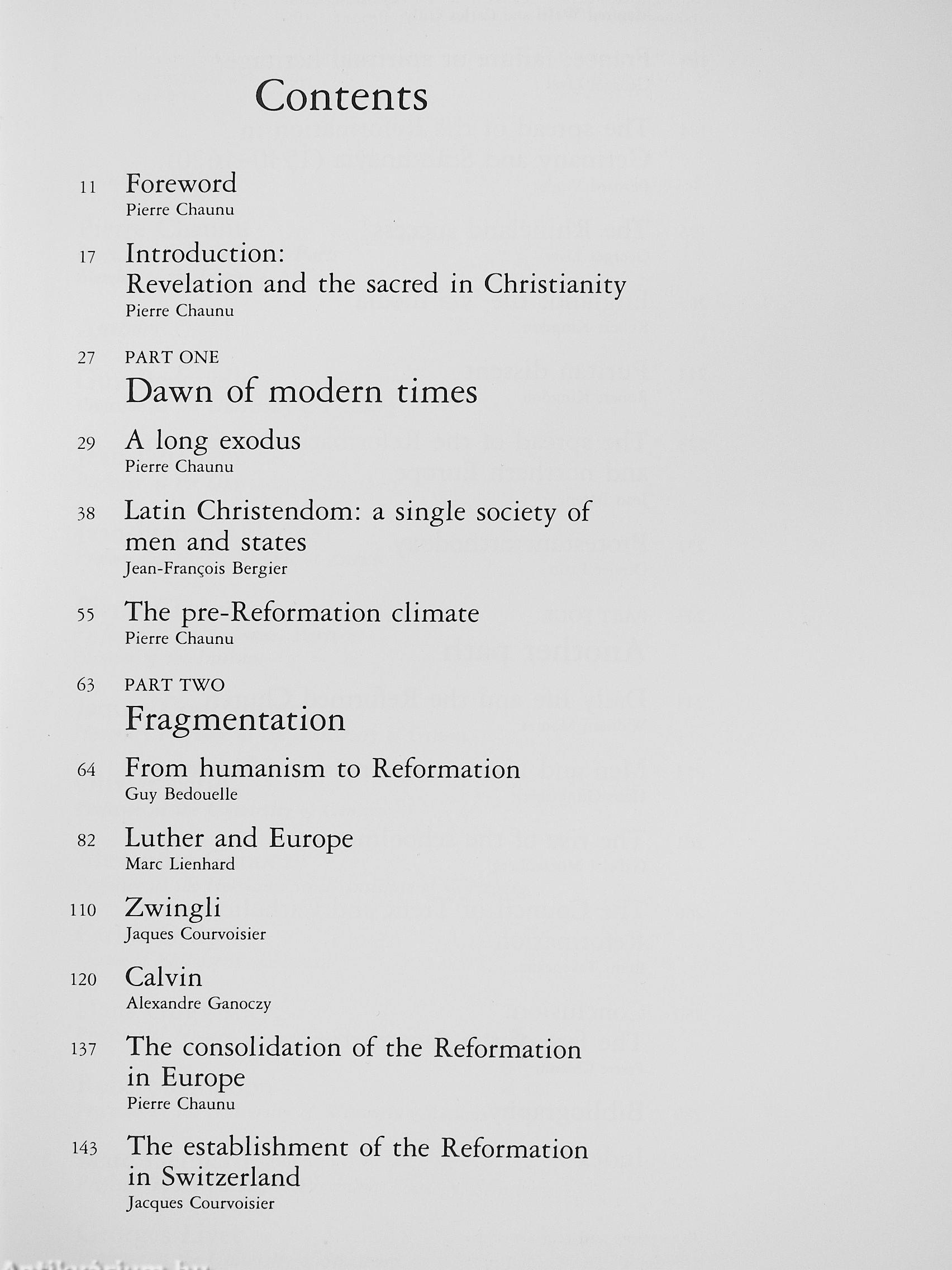
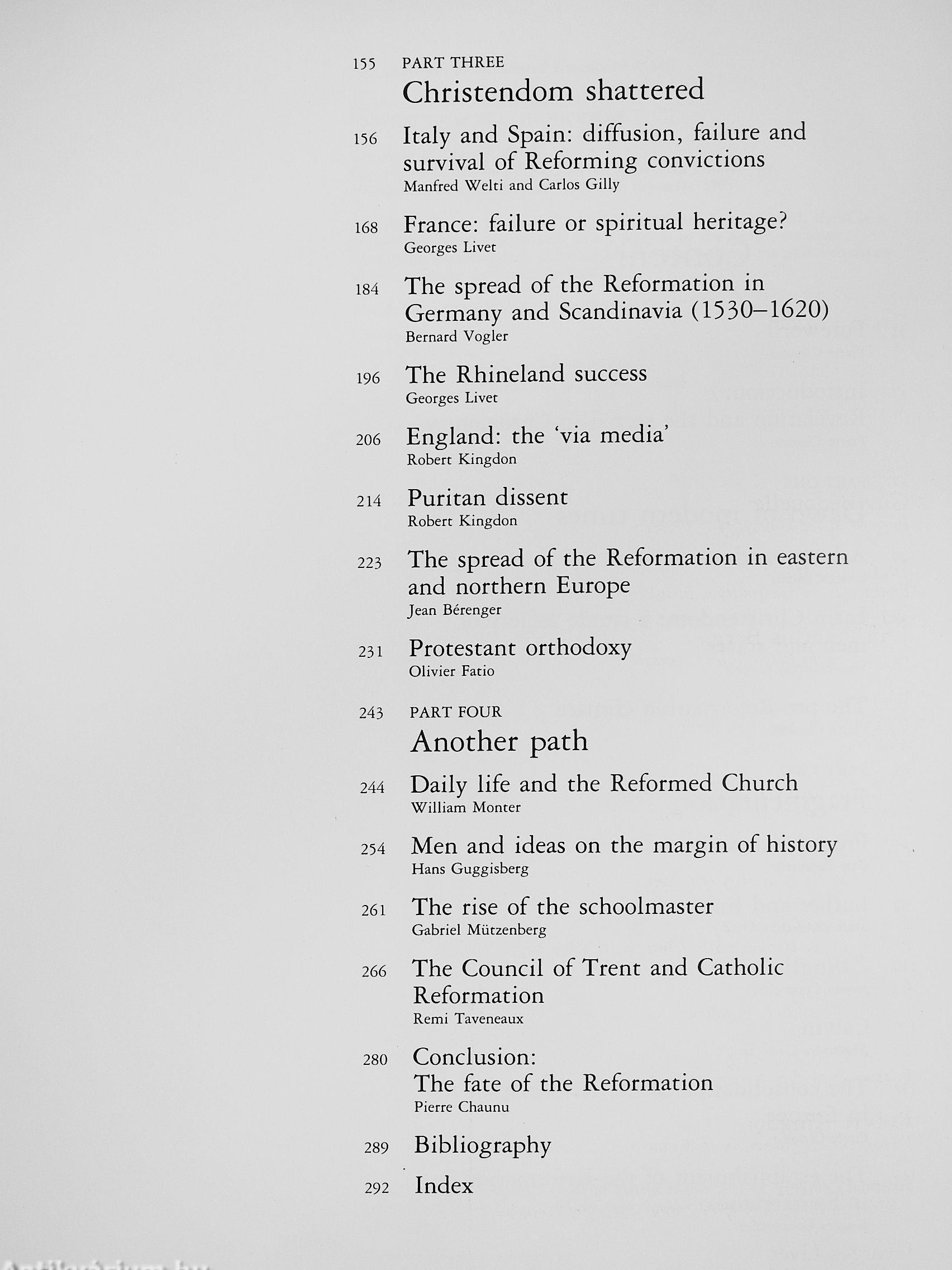
This stimulating collection of studies, written by eminent international historians and theologians and edited by the respected French academic Pierre Chaunu, presents a fascinating panorama of the world of the Reformation: pre-Reformation Europe; politics and crisis in the Holy Roman Empire; Luther, Calvin and the Protestant Reformers; diffusion, failure, Catholic Counter-Reformation and the survival of the Reforming convictions; England's 'via media', Puritan dissent and Protestant orthodoxy.
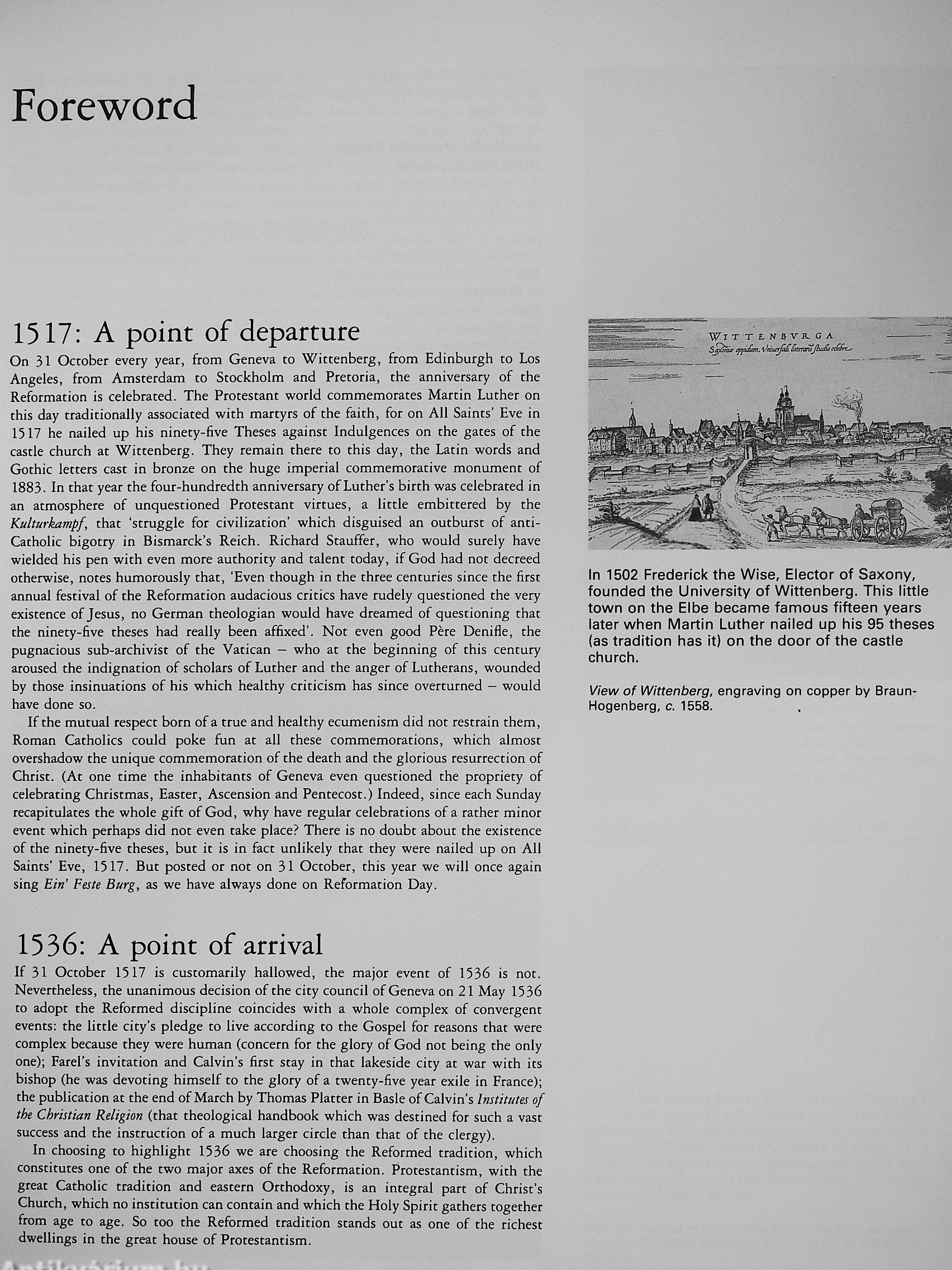
Lavishly illustrated with over 350 engravings, paintings, drawings and photographs - many of them in full colour - this handsome volume is the first major work on the period to challenge the established views of the Reformation, and to look at it from a broader, international viewpoint. A vitally important contribution to the study of the upheavals of a fascinating age. The Reformation will not only stimulate a deeper consideration of issues theological, cultural and secular, but will also provide an extraordinarily vivid and accessible account of that critical era and its legacy for the general reader.
Vissza 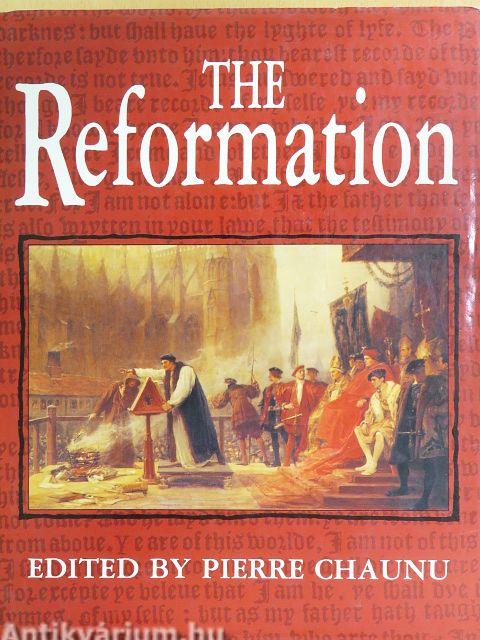


 Folytatás Microsoft-tal