
1.120.405
kiadvánnyal nyújtjuk Magyarország legnagyobb antikvár könyv-kínálatát

The Seven Wonders of the World
A History of the Modern Imagination
London
| Kiadó: | BCA |
|---|---|
| Kiadás helye: | London |
| Kiadás éve: | |
| Kötés típusa: | Varrott keménykötés |
| Oldalszám: | 244 oldal |
| Sorozatcím: | |
| Kötetszám: | |
| Nyelv: | Angol |
| Méret: | 26 cm x 19 cm |
| ISBN: | |
| Megjegyzés: | Színes és fekete-fehér fotókkal, illusztrációkkal. |
Értesítőt kérek a kiadóról
A beállítást mentettük,
naponta értesítjük a beérkező friss
kiadványokról
naponta értesítjük a beérkező friss
kiadványokról
A beállítást mentettük,
naponta értesítjük a beérkező friss
kiadványokról
naponta értesítjük a beérkező friss
kiadványokról
Előszó
Tovább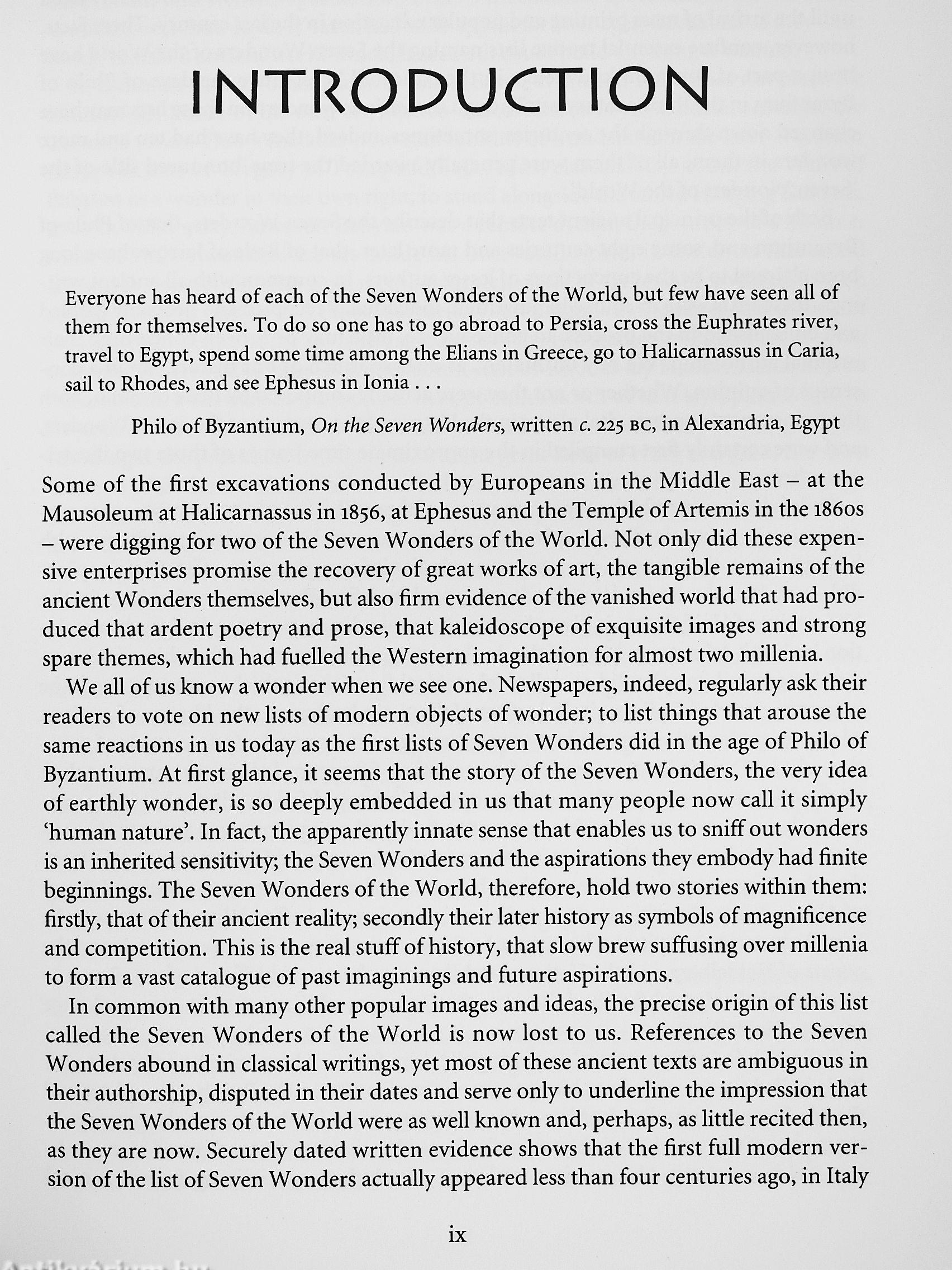
Fülszöveg
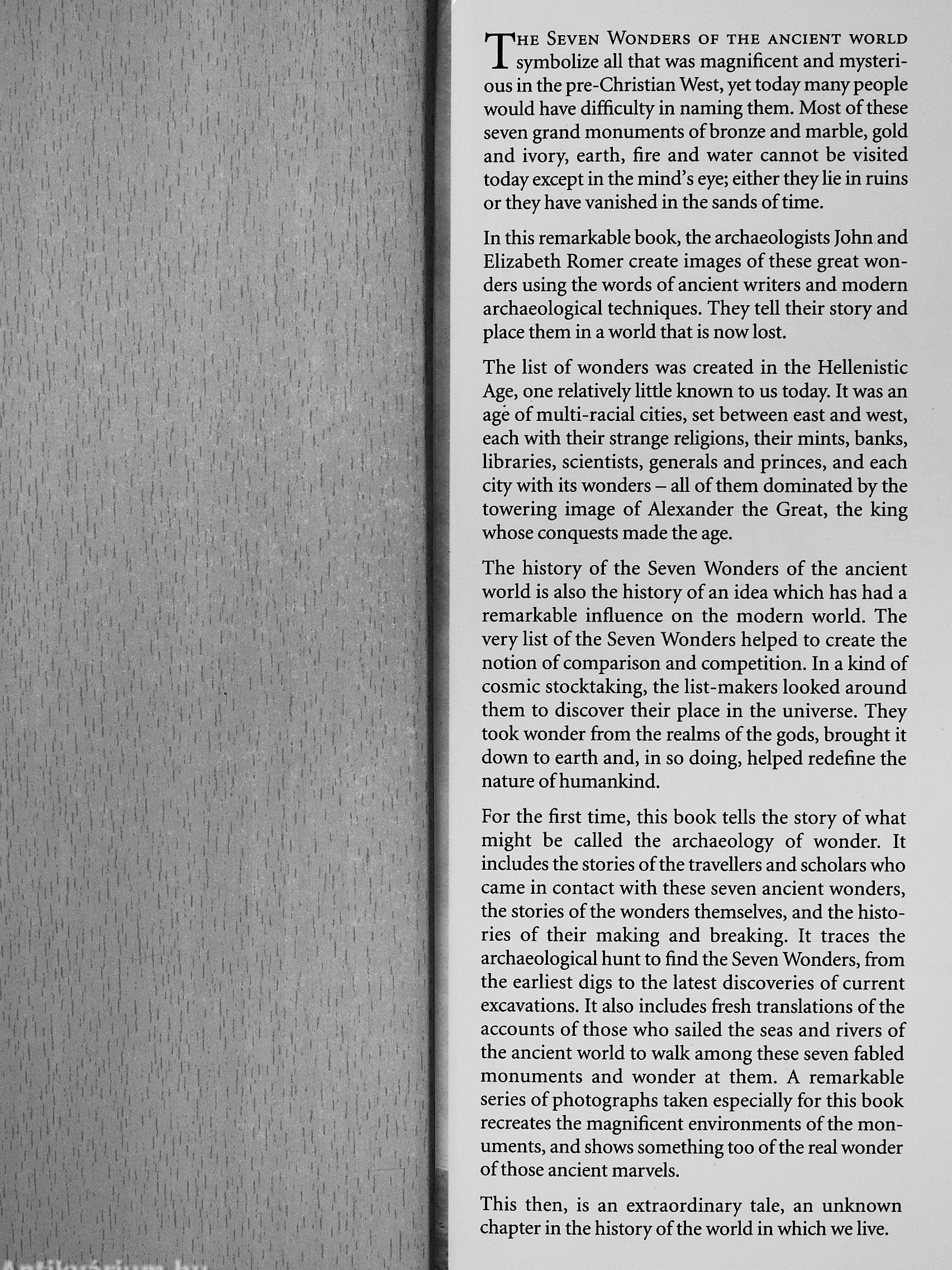
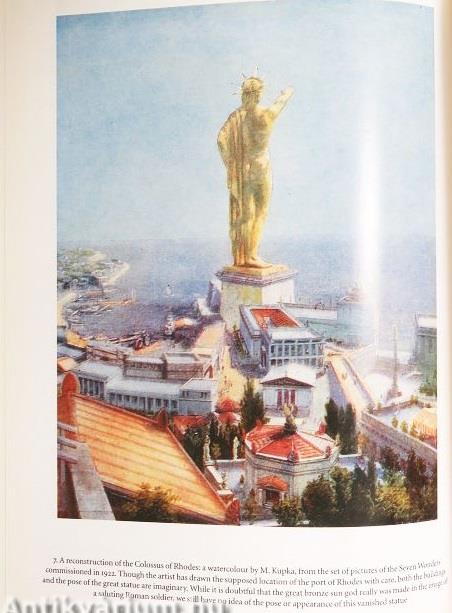
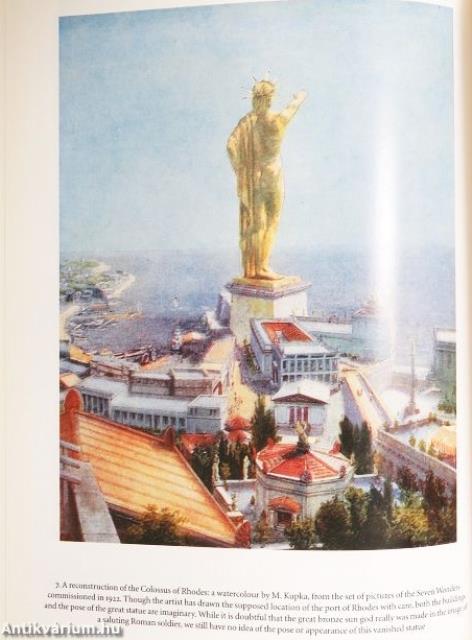
The Seven Wonders of the ancient world symbolize all that was magnificent and mysterious in the pre-Christian West, yet today many people would have difficulty in naming them. Most of these seven grand monuments of bronze and marble, gold and ivory, earth, fire and water cannot be visited today except in the mind's eye; either they lie in ruins or they have vanished in the sands of time.
In this remarkable book, the archaeologists lohn and Elizabeth Romer create images of these great wonders using the words of ancient writers and modern archaeological techniques. They tell their story and place them in a world that is now lost.
The list of wonders was created in the Hellenistic Age, one relatively little known to us today. It was an age of multi-racial cities, set between east and west, each with their strange religions, their mints, banks, libraries, scientists, generals and princes, and each city with its wonders - all of them dominated by the towering image of Alexander the... Tovább
Fülszöveg
The Seven Wonders of the ancient world symbolize all that was magnificent and mysterious in the pre-Christian West, yet today many people would have difficulty in naming them. Most of these seven grand monuments of bronze and marble, gold and ivory, earth, fire and water cannot be visited today except in the mind's eye; either they lie in ruins or they have vanished in the sands of time.
In this remarkable book, the archaeologists lohn and Elizabeth Romer create images of these great wonders using the words of ancient writers and modern archaeological techniques. They tell their story and place them in a world that is now lost.
The list of wonders was created in the Hellenistic Age, one relatively little known to us today. It was an age of multi-racial cities, set between east and west, each with their strange religions, their mints, banks, libraries, scientists, generals and princes, and each city with its wonders - all of them dominated by the towering image of Alexander the Great, the king whose conquests made the age.
The history of the Seven Wonders of the ancient world is also the history of an idea which has had a remarkable influence on the modern world. The very list of the Seven Wonders helped to create the notion of comparison and competition. In a kind of cosmic stocktaking, the list-makers looked around them to discover their place in the universe. They took wonder from the realms of the gods, brought it down to earth and, in so doing, helped redefine the nature of humankind.
For the first time, this book tells the story of what might be called the archaeology of wonder. It includes the stories of the travellers and scholars who came in contact with these seven ancient wonders, the stories of the wonders themselves, and the histories of their making and breaking. It traces the archaeological hunt to find the Seven Wonders, fi-om the earliest digs to the latest discoveries of current excavations. It also includes fi:esh translations of the accounts of those who sailed the seas and rivers of the ancient world to walk among these seven fabled monuments and wonder at them. A remarkable series of photographs taken especially for this book recreates the magnificent environments of the monuments, and shows something too of the real wonder of those ancient marvels.
This then, is an extraordinary tale, an unknown chapter in the history of the world in which we live.
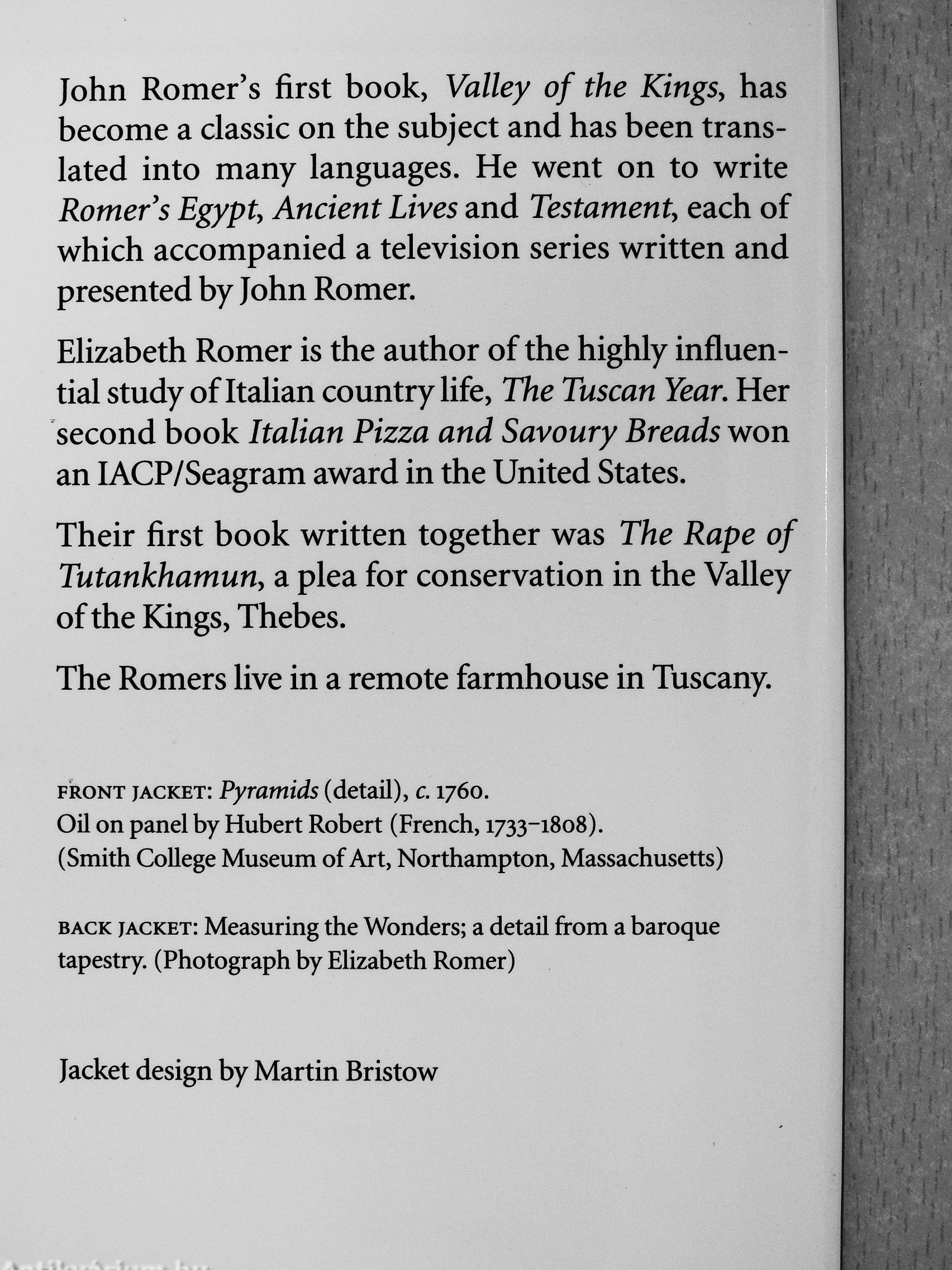
John Romer's first book, Valley of the Kings, has become a classic on the subject and has been translated into many languages. He went on to write Romer's Egypt, Ancient Lives and Testament, each of which accompanied a television series written and presented by John Romer.
Elizabeth Romer is the author of the highly influential study of Italian country life, The Tuscan Year. Her second book Italian Pizza and Savoury Breads won an lACP/Seagram award in the United States.
Their first book written together was The Rape of Tutankhamun, a plea for conservation in the Valley of the Kings, Thebes.
The Romers live in a remote farmhouse in Tuscany.
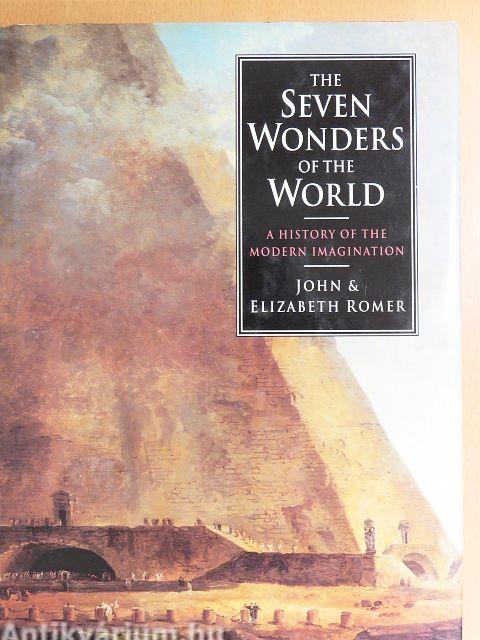
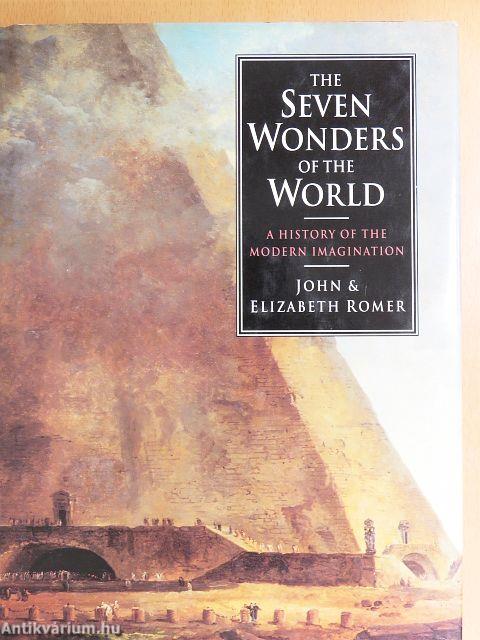
front jacket: Pyramids (detail), c. 1760.
Oil on panel by Hubert Robert (French, 1733-1808).
(Smith College Museum of Art, Northampton, Massachusetts)
back jacket: Measuring the Wonders; a detail from a baroque tapestry. (Photograph by Elizabeth Römer)
Jacket design by Martin Bristow Vissza
Témakörök
- Idegennyelv > Idegennyelvű könyvek > Angol > Művészetek > Építészet
- Idegennyelv > Idegennyelvű könyvek > Angol > Művészetek > Művészettörténet, általános
- Idegennyelv > Idegennyelvű könyvek > Angol > Művelődéstörténet
- Művelődéstörténet > Civilizációtörténet > Egyéb
- Művelődéstörténet > Kultúra > Története
- Művészetek > Művészettörténet általános > Idegen nyelv > Angol
- Művészetek > Művészettörténet általános > Korszakok, stílusok > Ókor > Egyéb
- Művészetek > Építészet > Korszakok, stílusok > Ókor > Egyéb
- Művészetek > Építészet > Idegen nyelv > Angol
- Művészetek > Építészet > Műemlékek > Egyéb
Megvásárolható példányok
Állapotfotók
Állapot:
Jó
4.340 ,-Ft
22
pont kapható
Kosárba
 Folytatás Microsoft-tal