
1.155.918
kiadvánnyal nyújtjuk Magyarország legnagyobb antikvár könyv-kínálatát

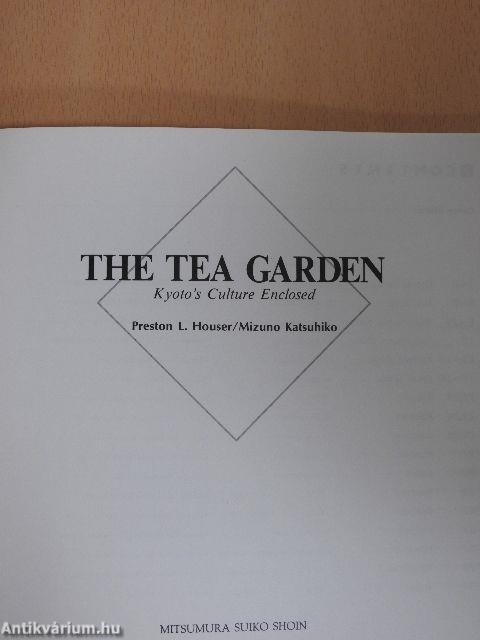
The Tea Garden
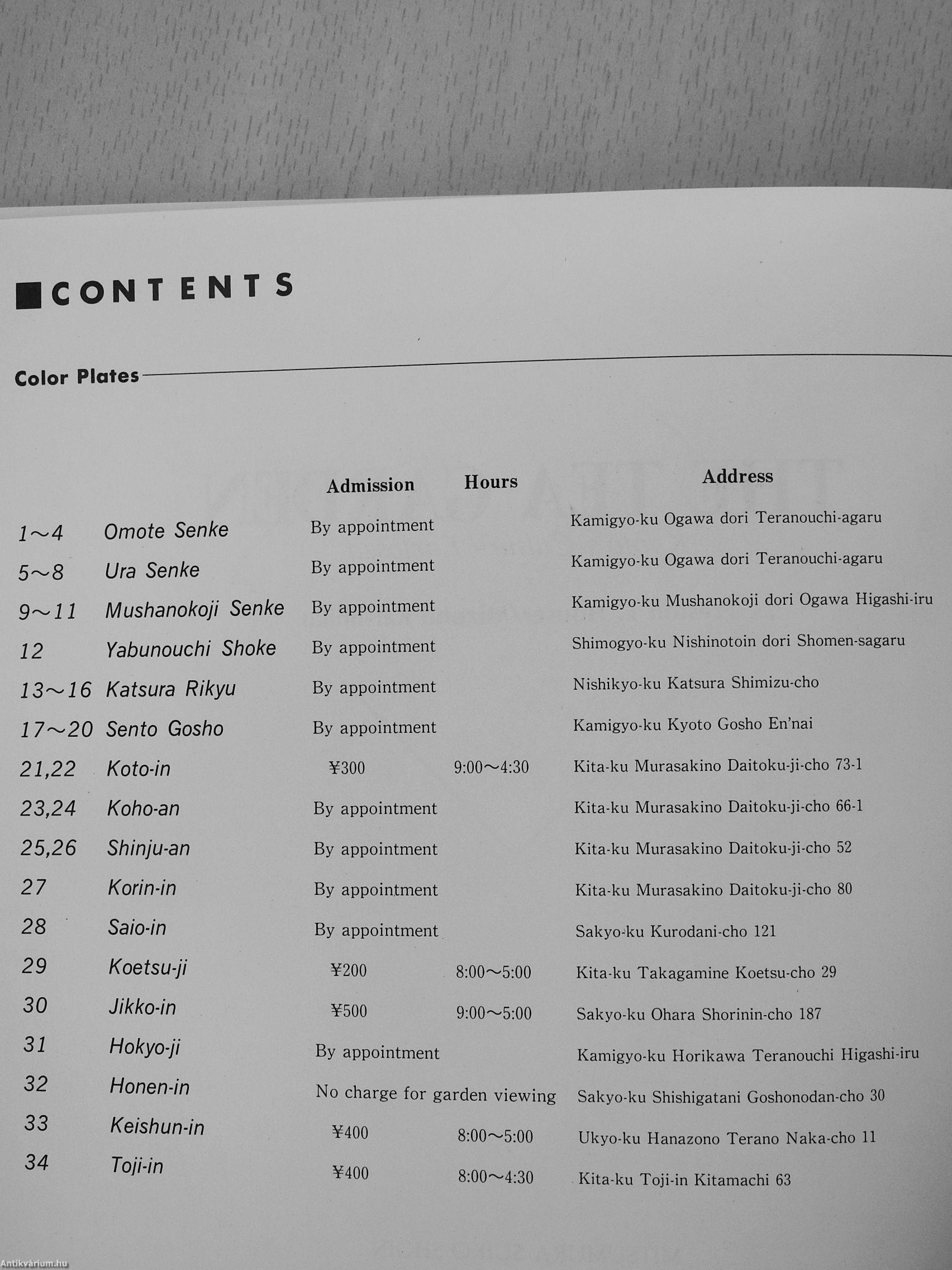
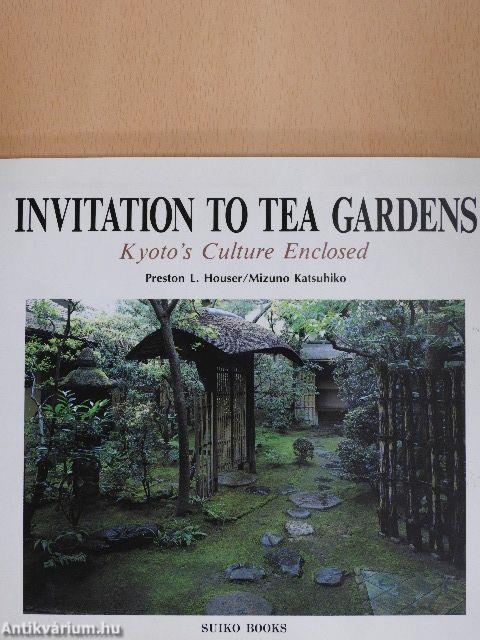
Kyoto's Culture Enclosed/Invitation to Tea Gardens
Kyoto
| Kiadó: | Mitsumura Suiko Shoin |
|---|---|
| Kiadás helye: | Kyoto |
| Kiadás éve: | |
| Kötés típusa: | Varrott papírkötés |
| Oldalszám: | 76 oldal |
| Sorozatcím: | |
| Kötetszám: | |
| Nyelv: | Angol |
| Méret: | 17 cm x 19 cm |
| ISBN: | |
| Megjegyzés: | Színes fotókkal. |
Értesítőt kérek a kiadóról
A beállítást mentettük,
naponta értesítjük a beérkező friss
kiadványokról
naponta értesítjük a beérkező friss
kiadványokról
A beállítást mentettük,
naponta értesítjük a beérkező friss
kiadványokról
naponta értesítjük a beérkező friss
kiadványokról
Előszó
Tovább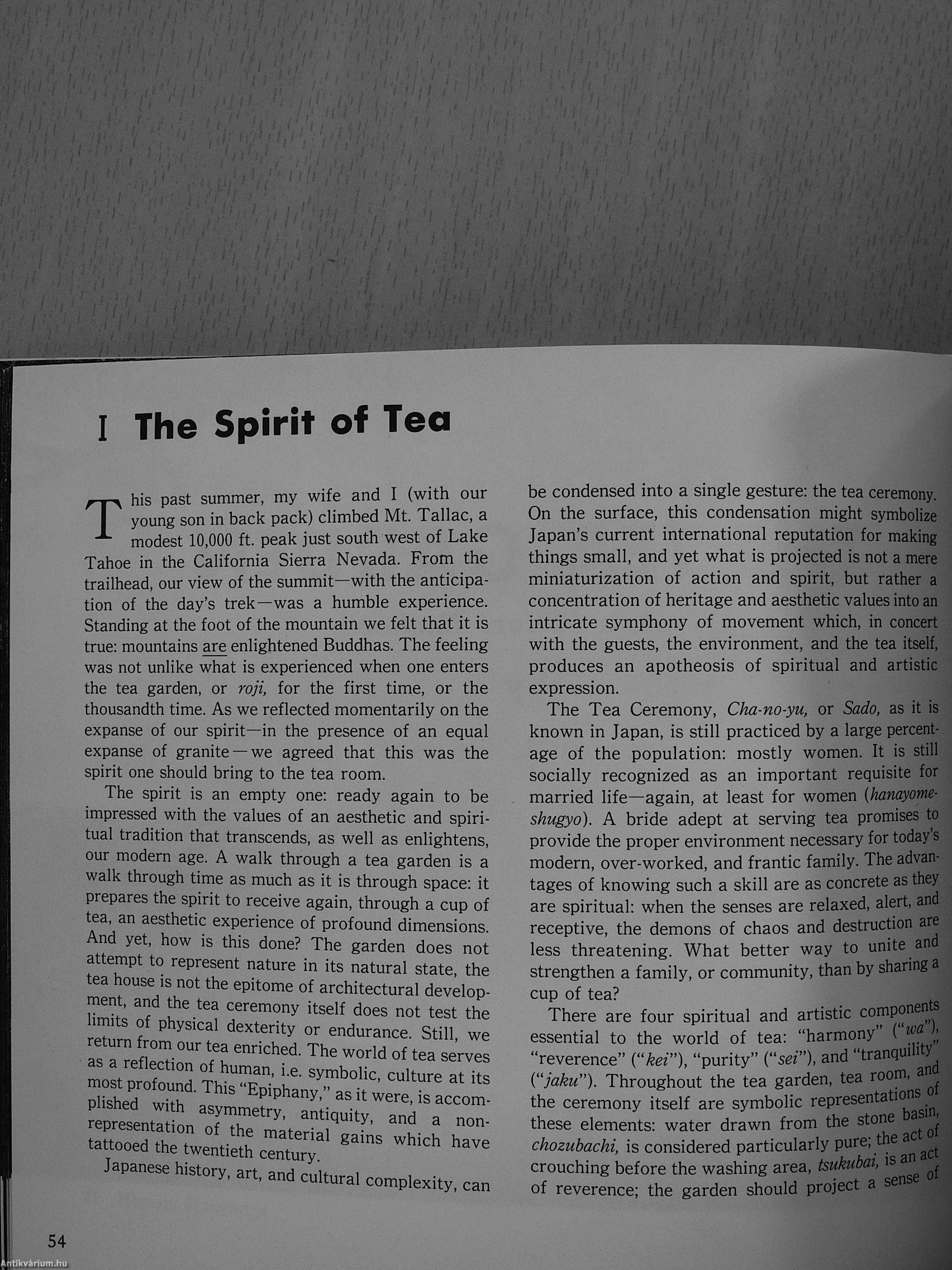
Fülszöveg
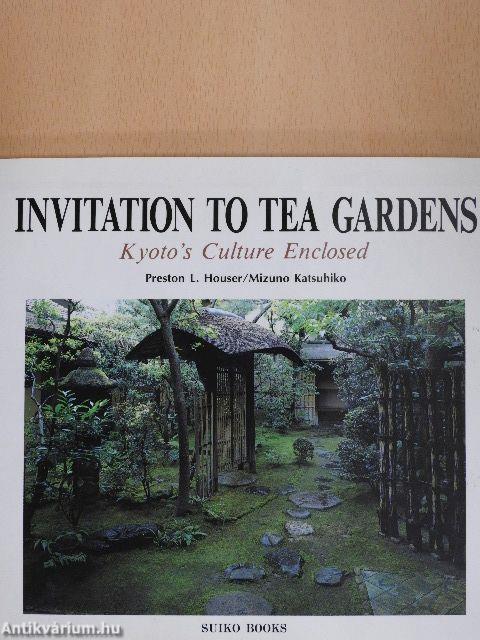
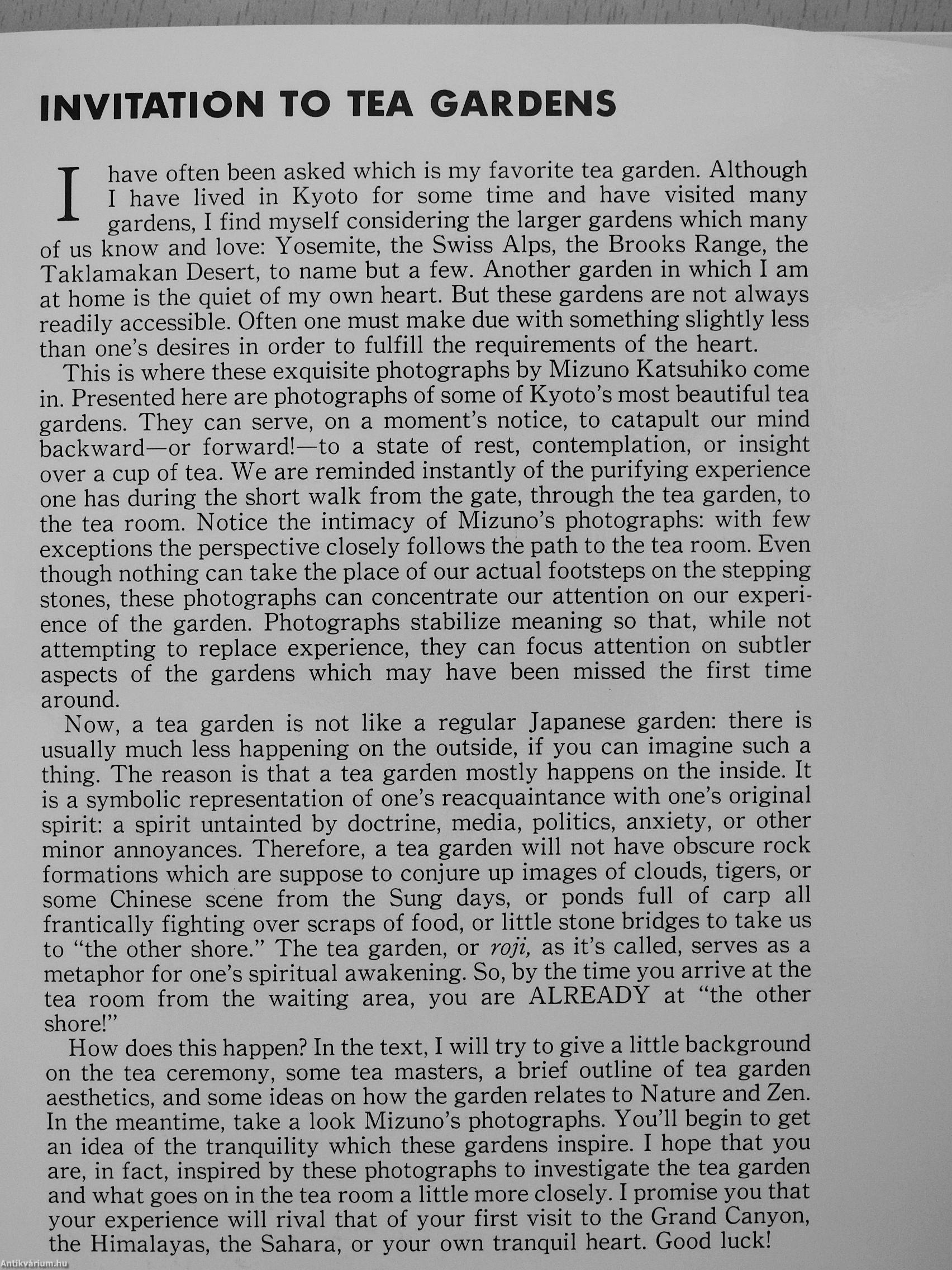
INVITATION TO TEA GARDENS
I have often been asked which is my favorite tea garden. Although 1 have lived in Kyoto for some time and have visited many gardens, I find myself considering the larger gardens which many of us know and love: Yosemite, the Swiss Alps, the Brooks Range, the Taklamakan Desert, to name but a few. Another garden in which I am at home is the quiet of my own heart. But these gardens are not always readily accessible. Often one must make due with something slightly less than one's desires in order to fulfill the requirements of the heart.
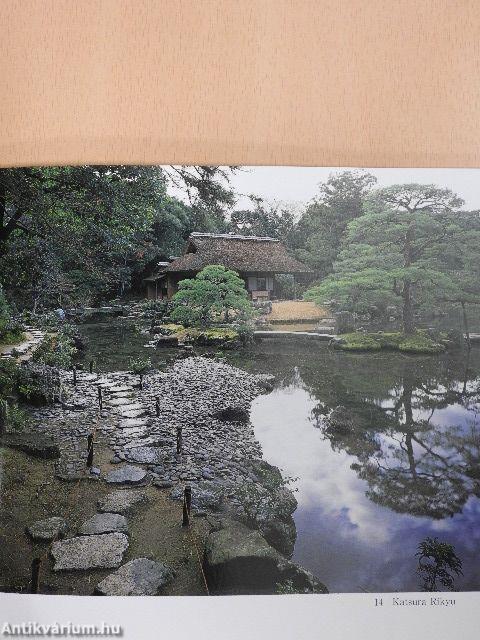
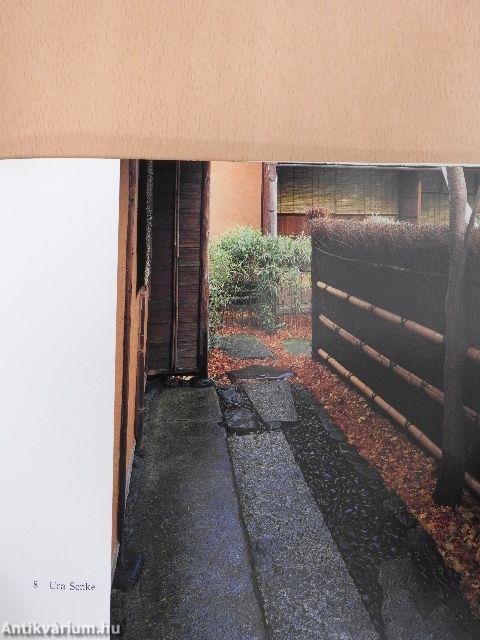
This is where these exquisite photographs by Mizuno Katsuhiko come in. Presented here are photographs of some of Kyoto's most beautiful tea gardens. They can serve, on a moment's notice, to catapult our mind backward—or forward!—to a state of rest, contemplation, or insight over a cup of tea. We are reminded instantly of the purifying experience one has during the short walk from the gate, through the tea garden, to the tea... Tovább
Fülszöveg
INVITATION TO TEA GARDENS
I have often been asked which is my favorite tea garden. Although 1 have lived in Kyoto for some time and have visited many gardens, I find myself considering the larger gardens which many of us know and love: Yosemite, the Swiss Alps, the Brooks Range, the Taklamakan Desert, to name but a few. Another garden in which I am at home is the quiet of my own heart. But these gardens are not always readily accessible. Often one must make due with something slightly less than one's desires in order to fulfill the requirements of the heart.
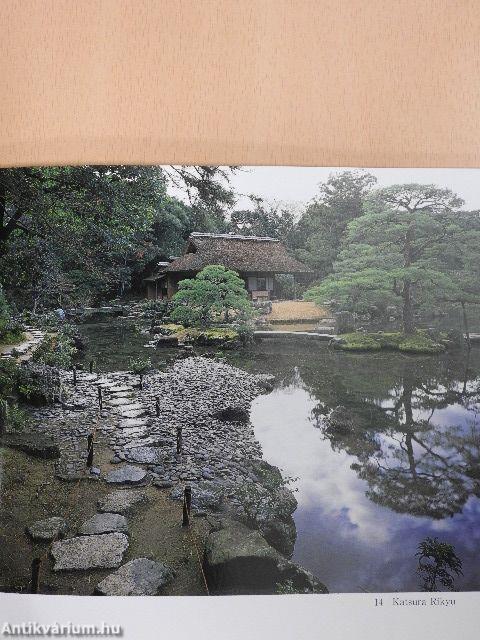
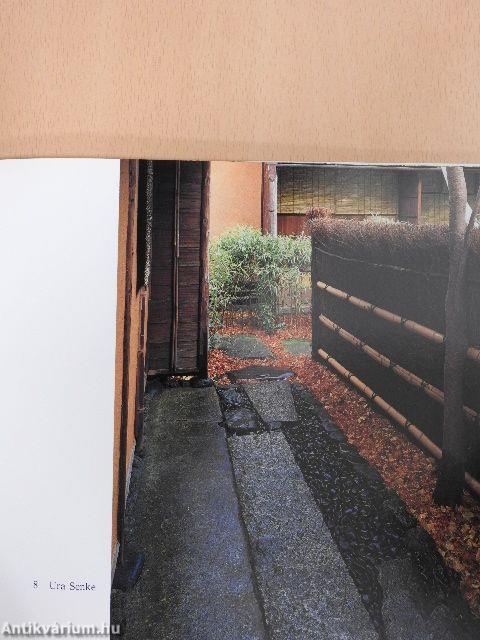
This is where these exquisite photographs by Mizuno Katsuhiko come in. Presented here are photographs of some of Kyoto's most beautiful tea gardens. They can serve, on a moment's notice, to catapult our mind backward—or forward!—to a state of rest, contemplation, or insight over a cup of tea. We are reminded instantly of the purifying experience one has during the short walk from the gate, through the tea garden, to the tea room. Notice the intimacy of Mizuno's photographs: with few exceptions the perspective closely follows the path to the tea room. Even though nothing can take the place of our actual footsteps on the stepping stones, these photographs can concentrate our attention on our experience of the garden. Photographs stabilize meaning so that, while not attempting to replace experience, they can focus attention on subtler aspects of the gardens which may have been missed the first time around.
Now, a tea garden is not like a regular Japanese garden: there is usually much less happening on the outside, if you can imagine such a thing. The reason is that a tea garden mostly happens on the inside. It is a symbolic representation of one's reacquaintance with one's original spirit: a spirit untainted by doctrine, media, politics, anxiety, or other minor annoyances. Therefore, a tea garden will not have obscure rock formations which are suppose to conjure up images of clouds, tigers, or some Chinese scene from the Sung days, or ponds full of carp all frantically fighting over scraps of food, or little stone bridges to take us to "the other shore." The tea garden, or roji, as it's called, serves as a metaphor for one's spiritual awakening. So, by the time you arrive at the tea room from the waiting area, you are ALREADY at "the other shore!"
How does this happen? In the text, I will try to give a little background on the tea ceremony, some tea masters, a brief outline of tea garden aesthetics, and some ideas on how the garden relates to Nature and Zen. In the meantime, take a look Mizuno's photographs. You'll begin to get an idea of the tranquility which these gardens inspire. I hope that you are, in fact, inspired by these photographs to investigate the tea garden and what goes on in the tea room a little more closely. I promise you that your experience will rival that of your first visit to the Grand Canyon, the Himalayas, the Sahara, or your own tranquil heart. Good luck! Vissza

Témakörök
- Idegennyelv > Idegennyelvű könyvek > Angol > Művészetek > Fotóművészet
- Művészetek > Fotóművészet > Albumok > Külföldi
- Művészetek > Fotóművészet > Albumok > Tematikus
- Művészetek > Fotóművészet > Idegen nyelv > Angol
- Művészetek > Fotóművészet > Témái > Fotódokumentumok
- Művészetek > Fotóművészet > Témái > Városok > Külföldi
- Művészetek > Fotóművészet > Témái > Tájfényképészet
- Művészetek > Fotóművészet > Témái > Természet
Preston L. Houser
Preston L. Houser műveinek az Antikvarium.hu-n kapható vagy előjegyezhető listáját itt tekintheti meg: Preston L. Houser könyvek, művekMegvásárolható példányok
Nincs megvásárolható példány
A könyv összes megrendelhető példánya elfogyott. Ha kívánja, előjegyezheti a könyvet, és amint a könyv egy újabb példánya elérhető lesz, értesítjük.
 Folytatás Microsoft-tal