
1.150.760
kiadvánnyal nyújtjuk Magyarország legnagyobb antikvár könyv-kínálatát

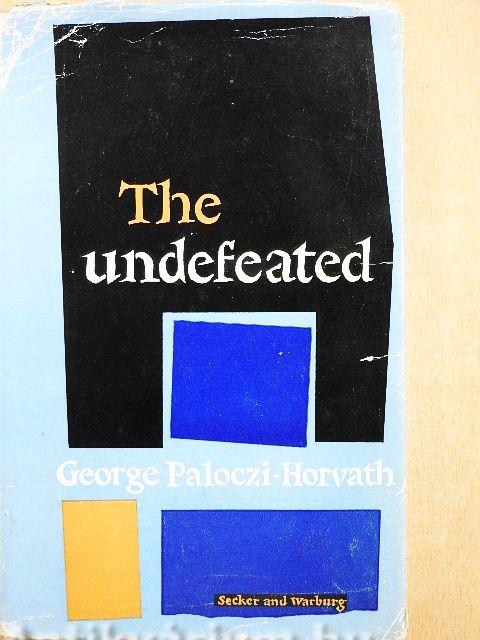
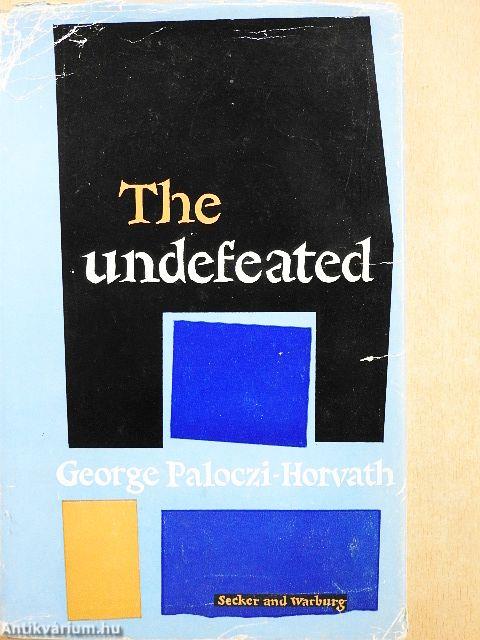
The Undefeated
London
| Kiadó: | Secker & Warburg |
|---|---|
| Kiadás helye: | London |
| Kiadás éve: | |
| Kötés típusa: | Varrott keménykötés |
| Oldalszám: | 288 oldal |
| Sorozatcím: | |
| Kötetszám: | |
| Nyelv: | Angol |
| Méret: | 22 cm x 15 cm |
| ISBN: | |
Értesítőt kérek a kiadóról
A beállítást mentettük,
naponta értesítjük a beérkező friss
kiadványokról
naponta értesítjük a beérkező friss
kiadványokról
A beállítást mentettük,
naponta értesítjük a beérkező friss
kiadványokról
naponta értesítjük a beérkező friss
kiadványokról
Előszó
Tovább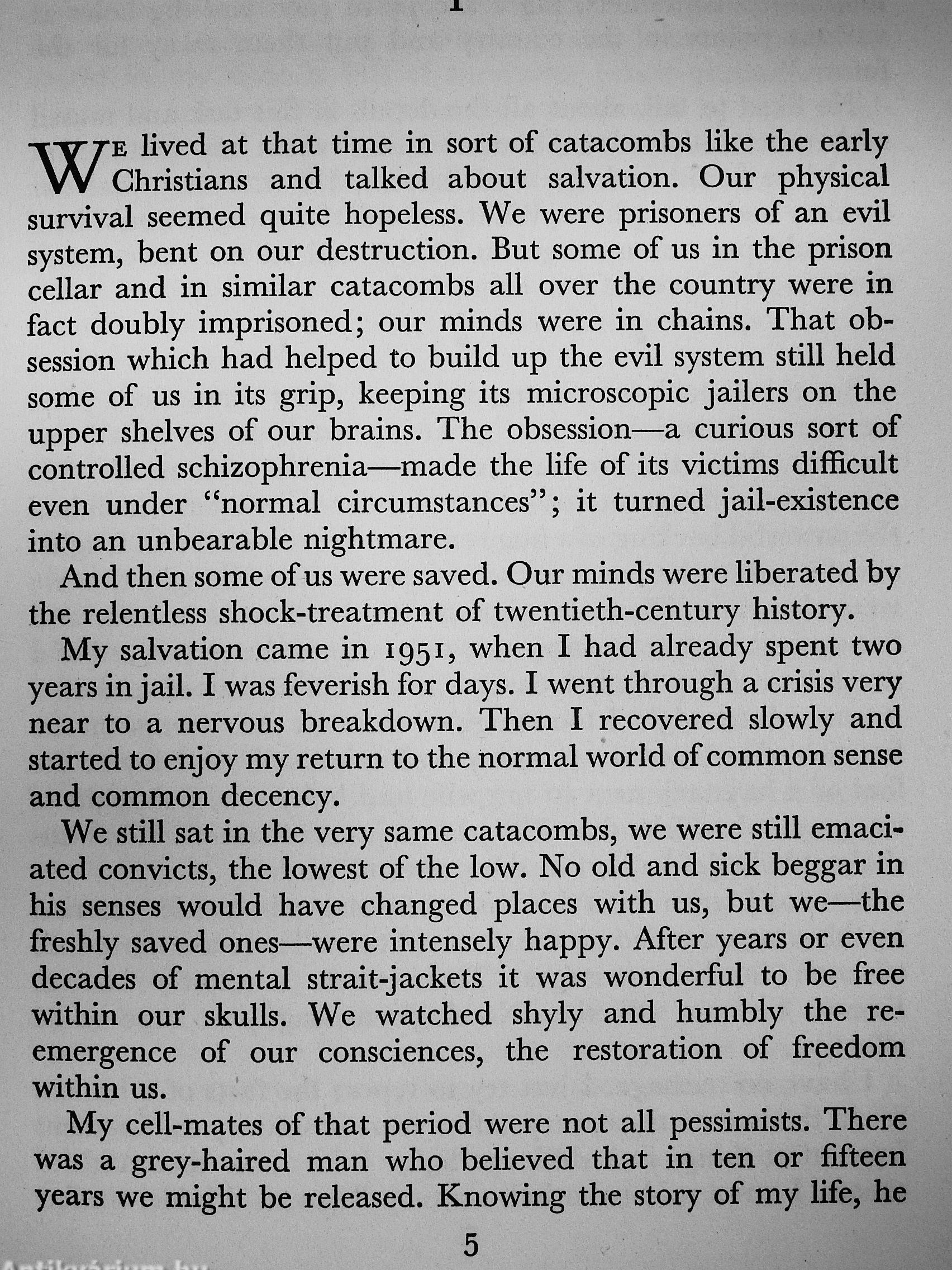
Fülszöveg
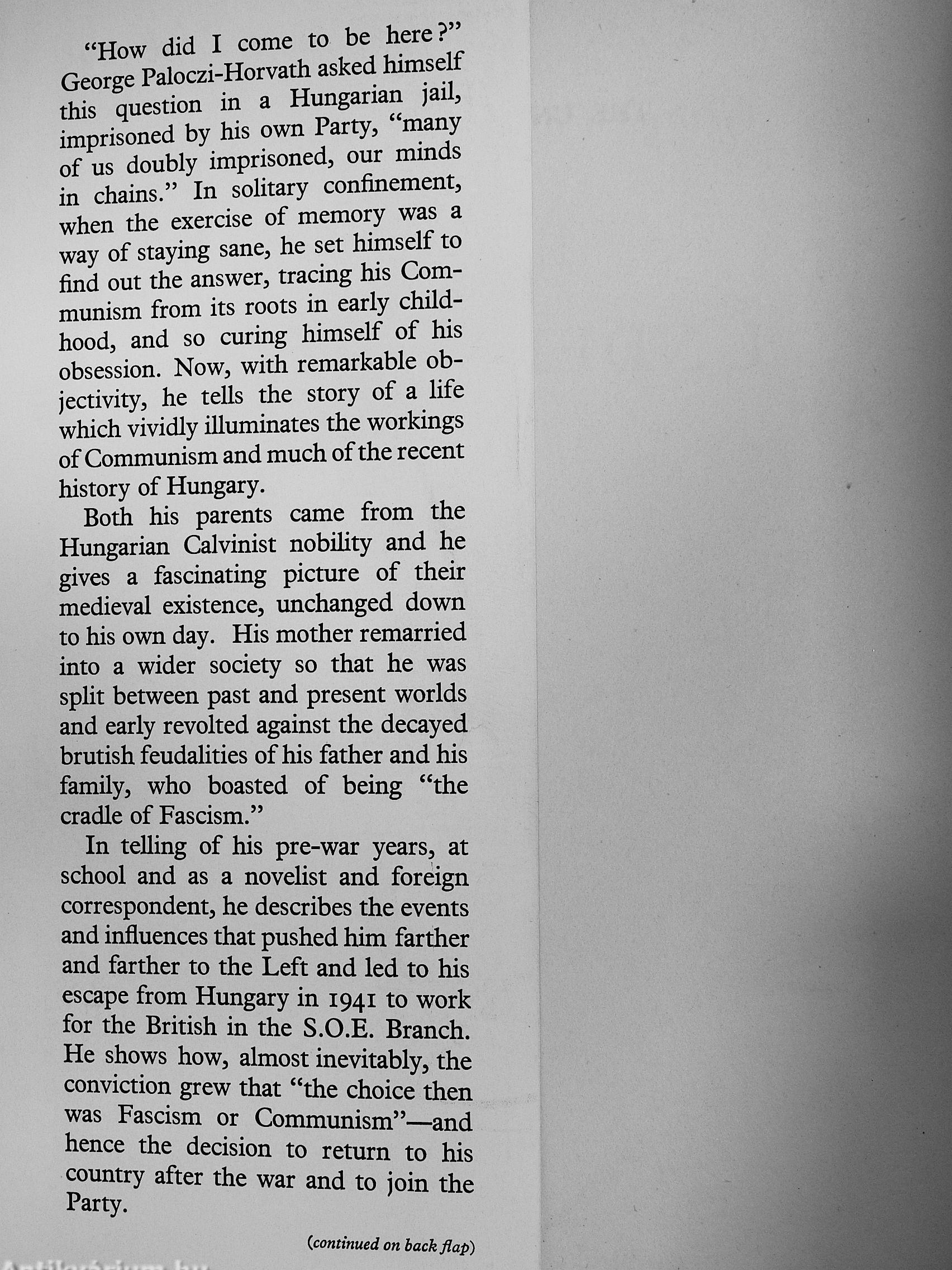
"How did I come to be here?" George Paloczi-Horvath asked himself this question in a Hungarian jail, imprisoned by his own Party, "many of us doubly imprisoned, our minds in chains." In solitary confinement, when the exercise of memory was a way of staying sane, he set himself to find out the answer, tracing his Communism from its roots in early childhood, and so curing himself of his obsession. Now, with remarkable objectivity, he tells the story of a life which vividly illuminates the workings of Communism and much of the recent history of Hungary.
Both his parents came from the Hungarian Calvinist nobiHty and he gives a fascinating picture of their medieval existence, unchanged down to his own day. His mother remarried into a wider society so that he was split between past and present worlds and early revolted against the decayed brutish feudalities of his father and his family, who boasted of being "the cradle of Fascism."
In telling of his pre-war years, at school and as a... Tovább
Fülszöveg
"How did I come to be here?" George Paloczi-Horvath asked himself this question in a Hungarian jail, imprisoned by his own Party, "many of us doubly imprisoned, our minds in chains." In solitary confinement, when the exercise of memory was a way of staying sane, he set himself to find out the answer, tracing his Communism from its roots in early childhood, and so curing himself of his obsession. Now, with remarkable objectivity, he tells the story of a life which vividly illuminates the workings of Communism and much of the recent history of Hungary.
Both his parents came from the Hungarian Calvinist nobiHty and he gives a fascinating picture of their medieval existence, unchanged down to his own day. His mother remarried into a wider society so that he was split between past and present worlds and early revolted against the decayed brutish feudalities of his father and his family, who boasted of being "the cradle of Fascism."
In telling of his pre-war years, at school and as a novelist and foreign correspondent, he describes the events and influences that pushed him farther and farther to the Left and led to his escape from Hungary in 1941 to work for the Brhish in the S.O.E. Branch. He shows how, almost inevitably, the conviction grew that "the choice then was Fascism or Communism»—and hence the decision to return to his
Party'^ ^^^ the
(.continued on back flap)
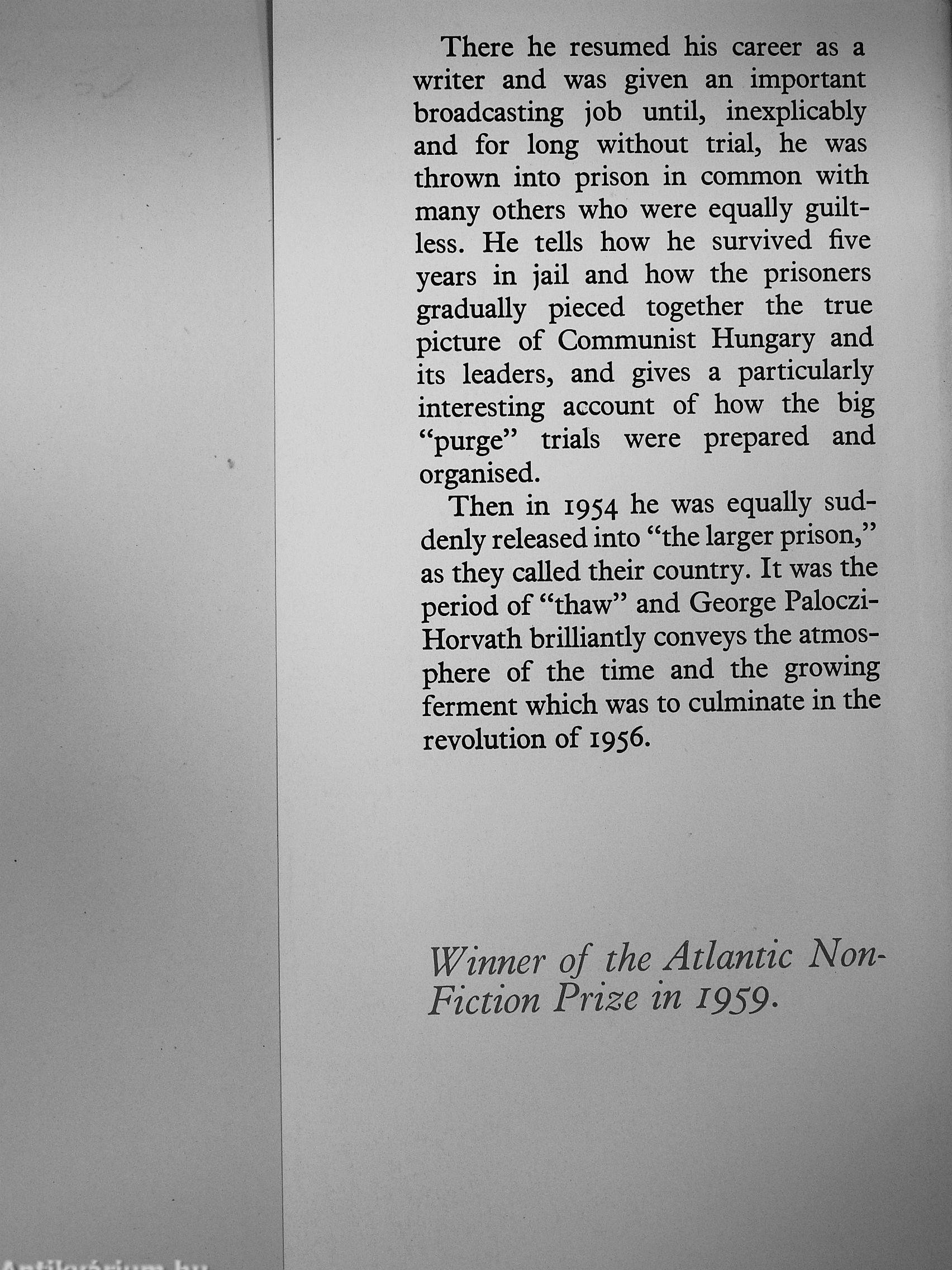
There he resumed his career as a writer and was given an important broadcasting job until, inexplicably and for long without trial, he was thrown into prison in common with many others who were equally guiltless. He tells how he survived five years in jail and how the prisoners gradually pieced together the true picture of Communist Hungary and its leaders, and gives a particularly interesting account of how the big "purge" trials were prepared and organised.
Then in 1954 he was equally suddenly released into "the larger prison," as they called their country. It was the period of "thaw" and George Paloczi-Horvath brilliantly conveys the atmosphere of the time and the growing ferment which was to culminate in the revolution of 1956.
Winner of the Atlantic Non-Fiction Prize in 1959- Vissza
Témakörök
- Idegennyelv > Idegennyelvű könyvek > Angol > Szépirodalom > Regény, novella, elbeszélés
- Idegennyelv > Idegennyelvű könyvek > Angol > Irodalomtörténet
- Irodalomtörténet > Magyar irodalom > Írókról, költőkről
- Szépirodalom > Regény, novella, elbeszélés > Az író származása szerint > Magyarország
- Szépirodalom > Regény, novella, elbeszélés > Tartalom szerint > Életrajzi regények > Önéletrajzok, naplók, memoárok
Megvásárolható példányok
Nincs megvásárolható példány
A könyv összes megrendelhető példánya elfogyott. Ha kívánja, előjegyezheti a könyvet, és amint a könyv egy újabb példánya elérhető lesz, értesítjük.
 Folytatás Microsoft-tal