Fülszöveg
9« :!!
MB Ii
¦¦i ii
iii ii
'tiiJ^
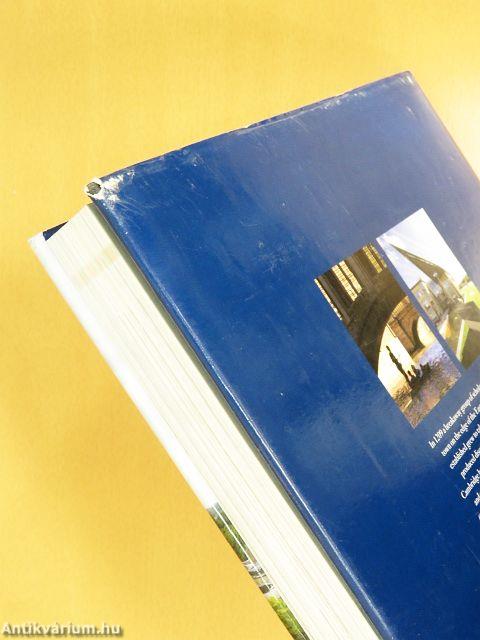
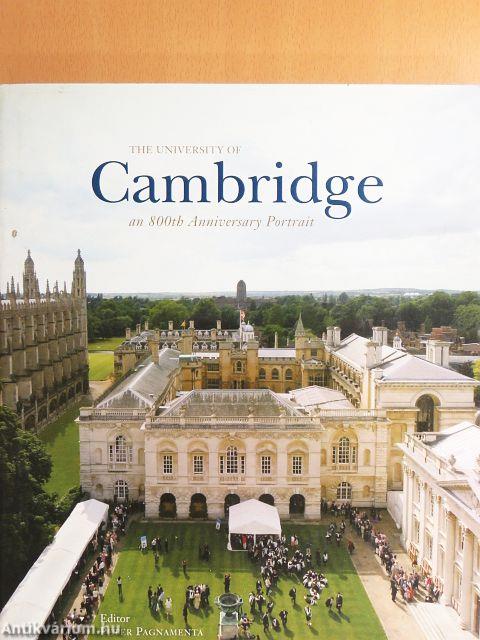
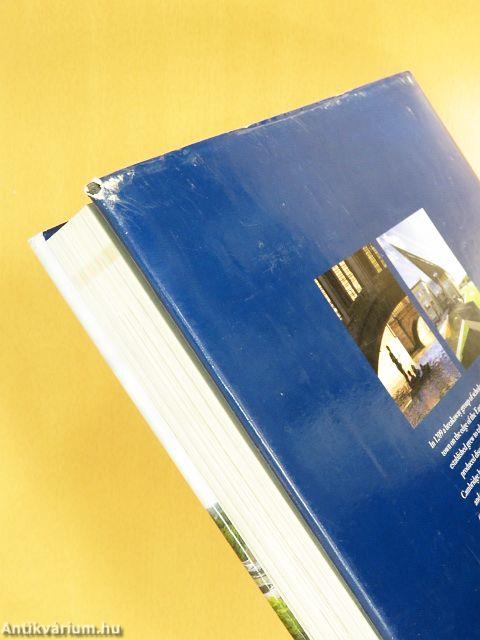
In 1209 a breakaway group of scholars reached an isolated market town on the edge of the East Anglia fens. The university they established grew to take a central place in intellectual life, and produced discoveries that have changed the world. Today Cambridge has 31 colleges, an undergraduate population of 12,000
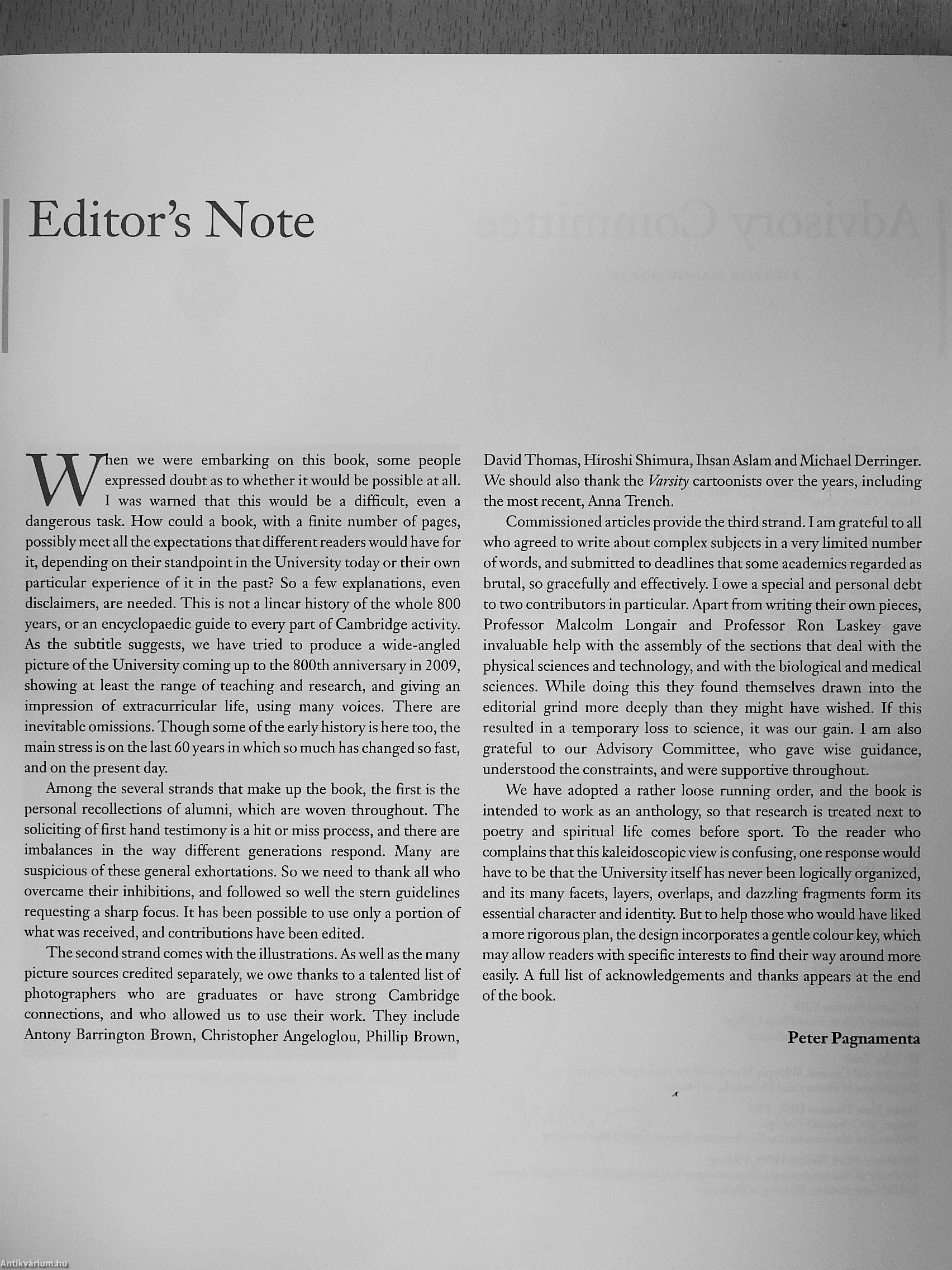
and an international reputation for research. The University of Cambridge: An 800th Anniversary Pom-ait is an anthology of many voices, reflecting the history and academic achievements of a remarkable community. Woven throughout are the first hand recollections of men and women who have passed through as undergraduates and research students. Their testimony, sometimes witty, often poignant, catches the mood of different eras and helps to convey the character of Cambridge.
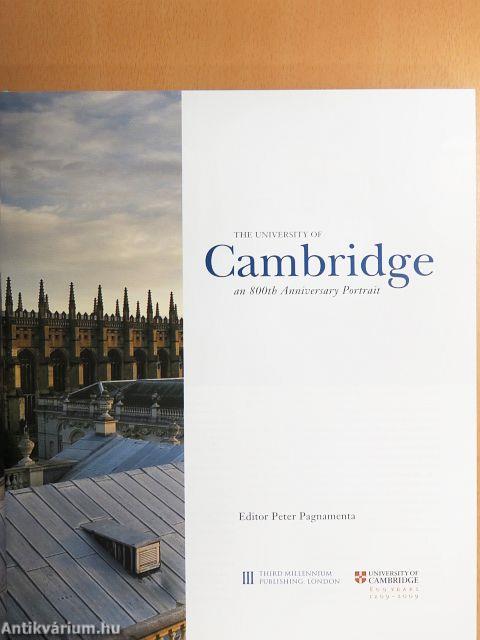
THE UNIVERSITY OF
Cambridge
an 800th Anniversary Portrait
Cambridge, the university of Mariowe and Milton, Newton and Darwin, Keynes and Rudierford,...
Tovább
Fülszöveg
9« :!!
MB Ii
¦¦i ii
iii ii
'tiiJ^
In 1209 a breakaway group of scholars reached an isolated market town on the edge of the East Anglia fens. The university they established grew to take a central place in intellectual life, and produced discoveries that have changed the world. Today Cambridge has 31 colleges, an undergraduate population of 12,000
and an international reputation for research. The University of Cambridge: An 800th Anniversary Pom-ait is an anthology of many voices, reflecting the history and academic achievements of a remarkable community. Woven throughout are the first hand recollections of men and women who have passed through as undergraduates and research students. Their testimony, sometimes witty, often poignant, catches the mood of different eras and helps to convey the character of Cambridge.
THE UNIVERSITY OF
Cambridge
an 800th Anniversary Portrait
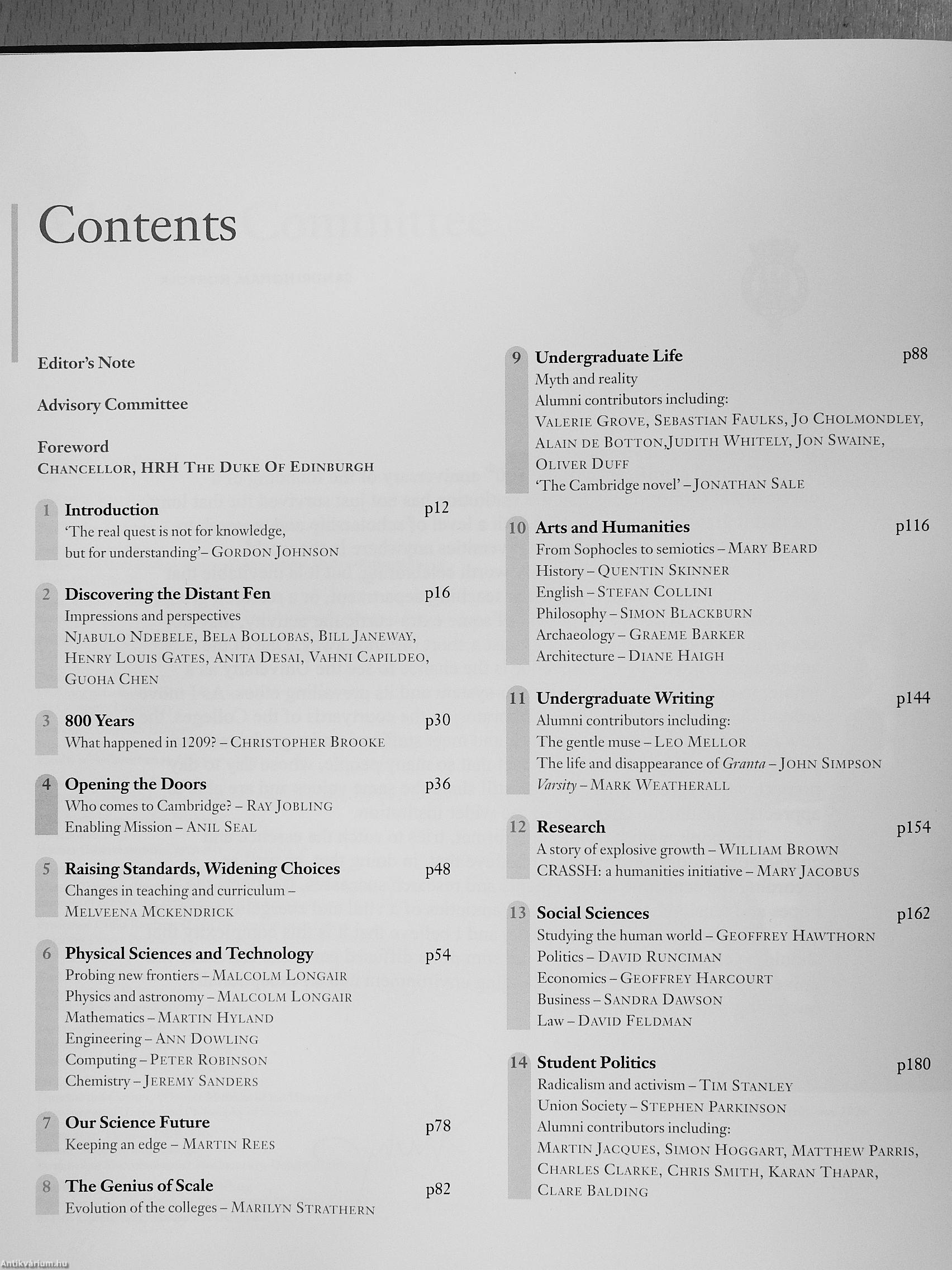
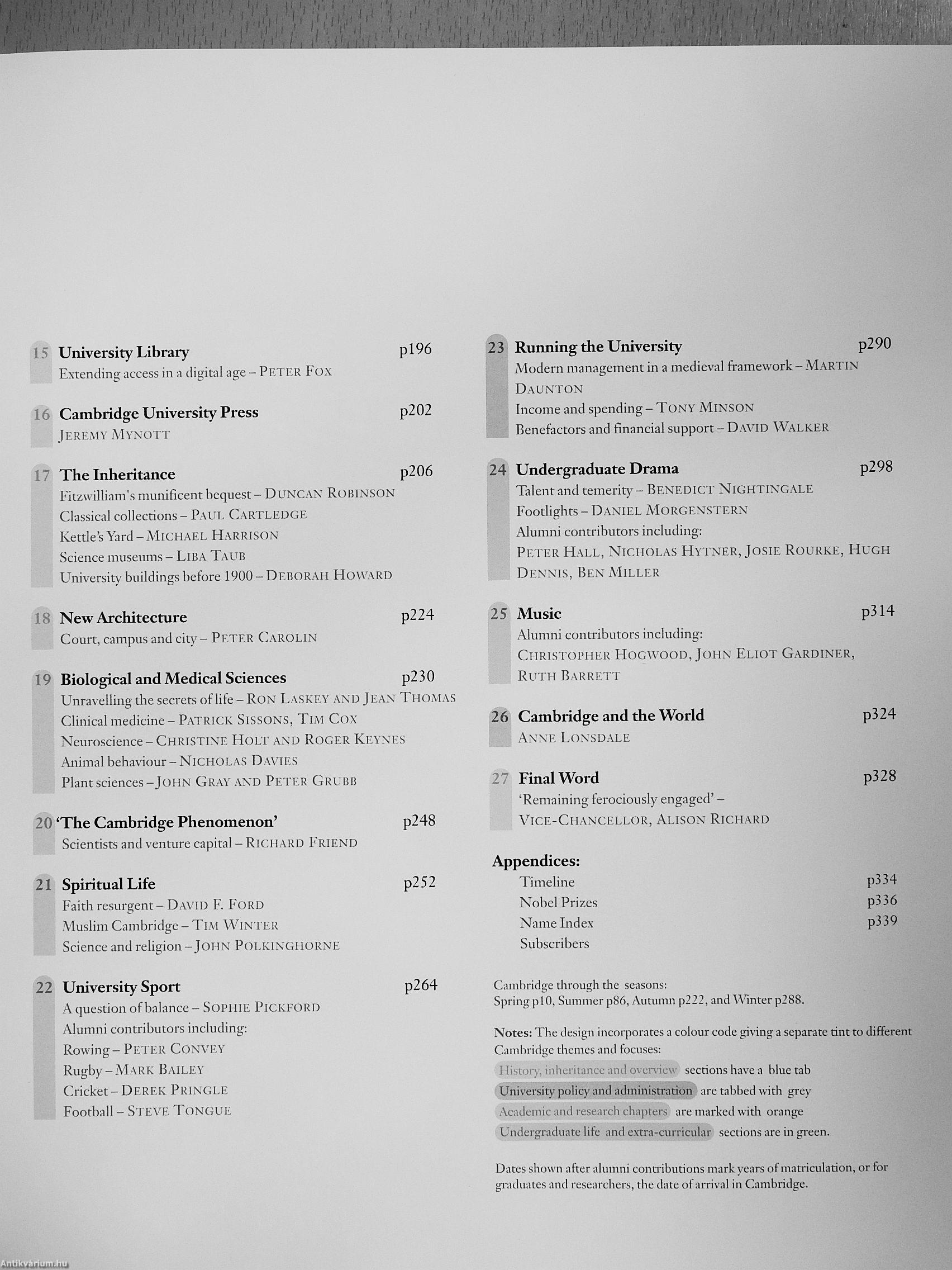
Cambridge, the university of Mariowe and Milton, Newton and Darwin, Keynes and Rudierford, Crick, Watson and Stephen Hawking, is celebrating its 800th birthday. This book, specially commissioned to mark the anniversary, presents a unique account of a remarkable institution and the academic and extra-curricular strengths that make Cambridge what it is. Built up from many contributions, and lavishly illustrated throughout, the book gives a lively sense of the range of the modem University: not just physics and mathematics, English and economics, but also the Foodights and the Union, sport and music, and the nature of undergraduate life.
Academic contributors, drawn from among the sharpest minds in Cambridge today, review past achievements and look to the future in the sciences, arts and humanities. The beauty of the University's setting and collegiate buildings, its heritage of art and cultural treasures, and its spectacular new architecture, are interpreted by experts. The book deals with changes in admissions, management, and finance. And threaded throughout are the first-hand memories of alumni and alumnae, the criteria for selection being not their subsequent fame or fortune, but the sharpness and relevance of recollections. Even so, among the hundreds of contributors there are some familiar names. They include Sebastian Faulks, Alain de Botton, A.S.Byatt, Anita Desai, John Simpson, Jeremy Paxman, Simon Hoggart, Peter Hall, Nicholas Hytner, John Shrapnel, Sue Perkins, Christopher Hogwood and John Eliot Gardiner, and many others.
'One reason the founders ofthe University made their way to Cambridge was its seclusion. Arguably, that separateness helped nurture the close communities that became our collegiate system and remain so much a pan of our identity today. The city !r seclusion is Imig gone, but its histmy and beauty keep it uniquely special'
Alison Richard, Vice-Chancellor, writing to alumni in 2008
Vissza 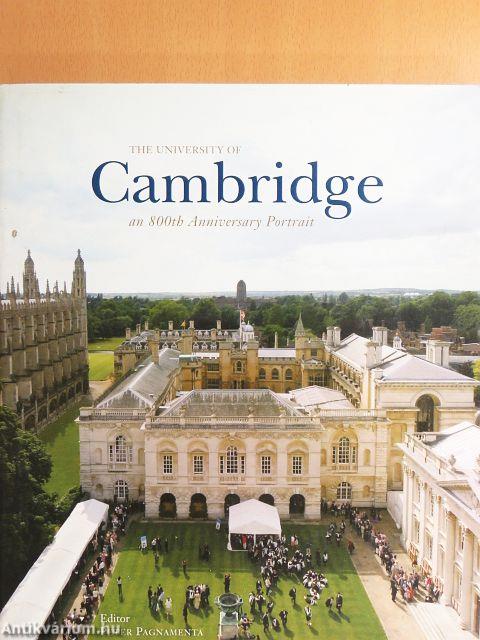







 Folytatás Microsoft-tal