Fülszöveg
LARS-AKE KVARNING (b. I93 l) is an ethnologist and in 1964 became the Head of the Wasa Shipyard. Under his leadership, the warship's reconstruction was completed, while at the same time the New Vasa Museum was evolving. He has been Director of the National Maritime Museums and the Vasa Museum since 1987.
This new edition of The Vasa. The Royal Ship, has been revised by Lars-Ake Kvarning.
BENGT OHRELIUS (1918-1991) WaS PR chief during the salvaging period in 1961 and had worked at the Naval Press Department since 1956. For many years, he was Head of biformation at the Maritime Museum and the Wasa Shipyard.
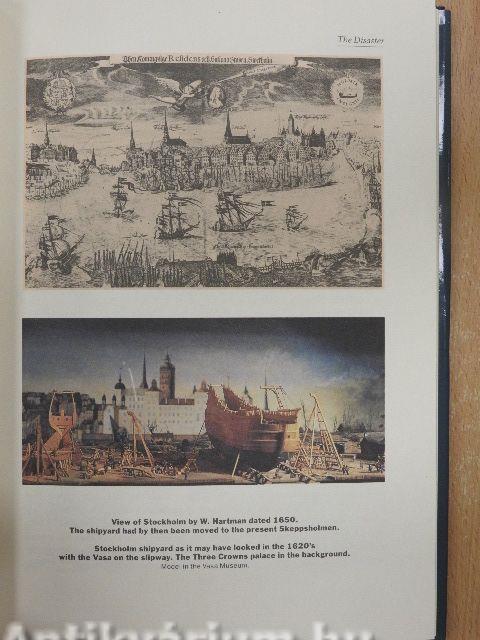
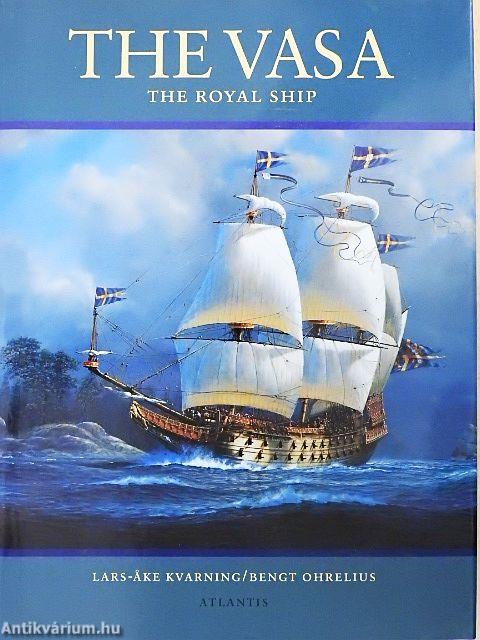
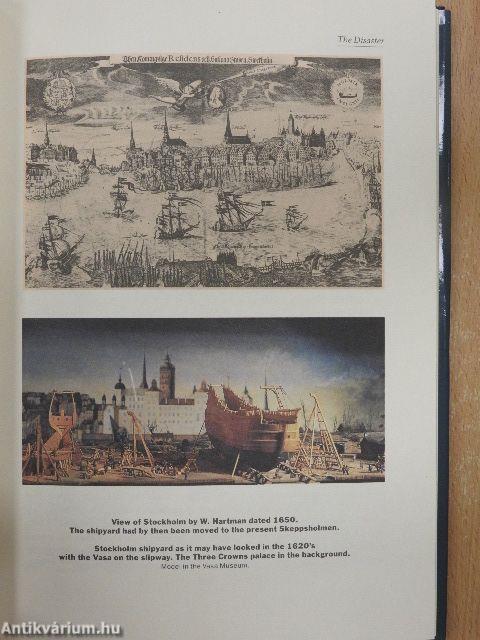
N AUGUST loth, 1628, the Vasa, the Swedish Navy's proud I J new man-of-war, sailed out of Skeppsgarden in Stockholm on her maiden voyage. The ship had been built to frighten the life out of the enemy and so for the times, she was enormous: 69 metres long, armed with 64 guns and weighing i,zoo tons.
But her voyage was short. The Vasa keeled over and her list increased as water...
Tovább
Fülszöveg
LARS-AKE KVARNING (b. I93 l) is an ethnologist and in 1964 became the Head of the Wasa Shipyard. Under his leadership, the warship's reconstruction was completed, while at the same time the New Vasa Museum was evolving. He has been Director of the National Maritime Museums and the Vasa Museum since 1987.
This new edition of The Vasa. The Royal Ship, has been revised by Lars-Ake Kvarning.
BENGT OHRELIUS (1918-1991) WaS PR chief during the salvaging period in 1961 and had worked at the Naval Press Department since 1956. For many years, he was Head of biformation at the Maritime Museum and the Wasa Shipyard.
N AUGUST loth, 1628, the Vasa, the Swedish Navy's proud I J new man-of-war, sailed out of Skeppsgarden in Stockholm on her maiden voyage. The ship had been built to frighten the life out of the enemy and so for the times, she was enormous: 69 metres long, armed with 64 guns and weighing i,zoo tons.
But her voyage was short. The Vasa keeled over and her list increased as water poured in through the open gun-ports. Just outside Beckholmen, she sank at »full sail, flags and all«. About fifty people died in the disaster.
After capsizing, the Vasa rested in her murky grave in the middle of Stockholm harbour at a depth of thirty-two metres for over 330 years, until, after persistent searching, the researcher Anders Franzen found the ship one autumn day in 1956.
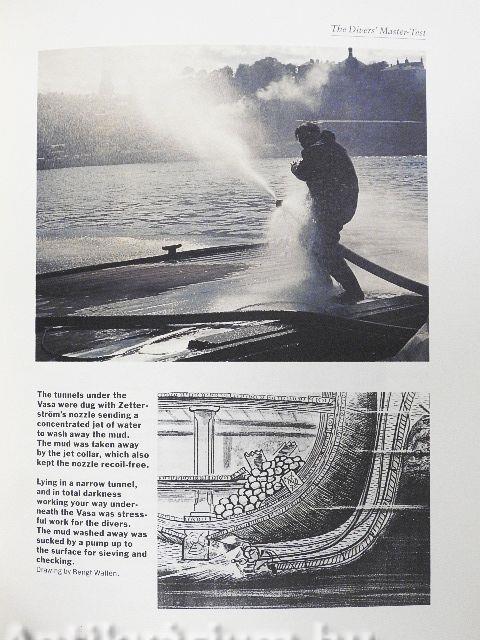
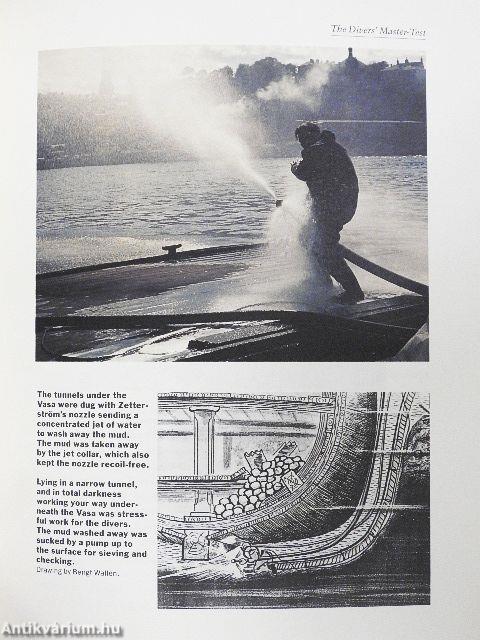
Led by the legendary head diver Per Edvin Falting, divers began to clean up the area round the wreck. The difficult but exciting salvage work was finally successful in April, 1961, when the magnificent hull of the Vasa again came up to the surface.
In this book, the fascinating destiny of the Vasa can be followed - how she was built, how she sank, was found, restored and finally towed into her present harbour: the Vasa Museum in Djurgarden. The book is a classic, first version published in 1959, and this new edition has been complemented throughout, expanded and modernized as far as both the text and illustrations are concerned.
ATLANTIS
ISBN 91-7486-581-1
Vissza 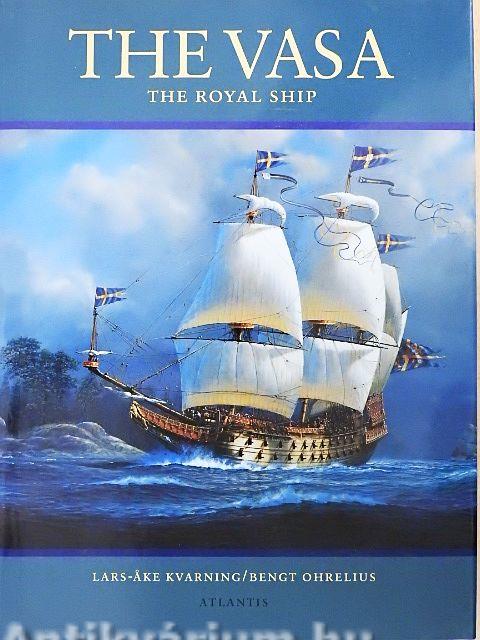


 Folytatás Microsoft-tal