
1.136.047
kiadvánnyal nyújtjuk Magyarország legnagyobb antikvár könyv-kínálatát

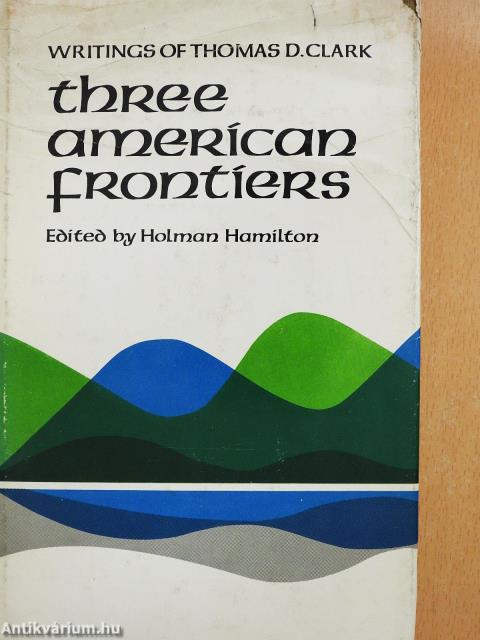
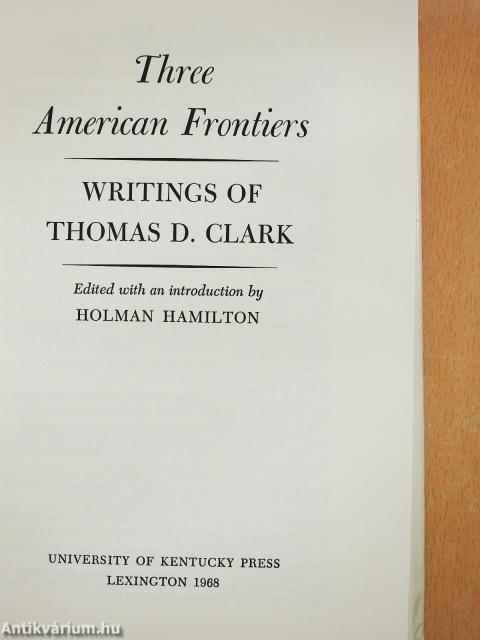
Three American Frontiers (dedikált példány)
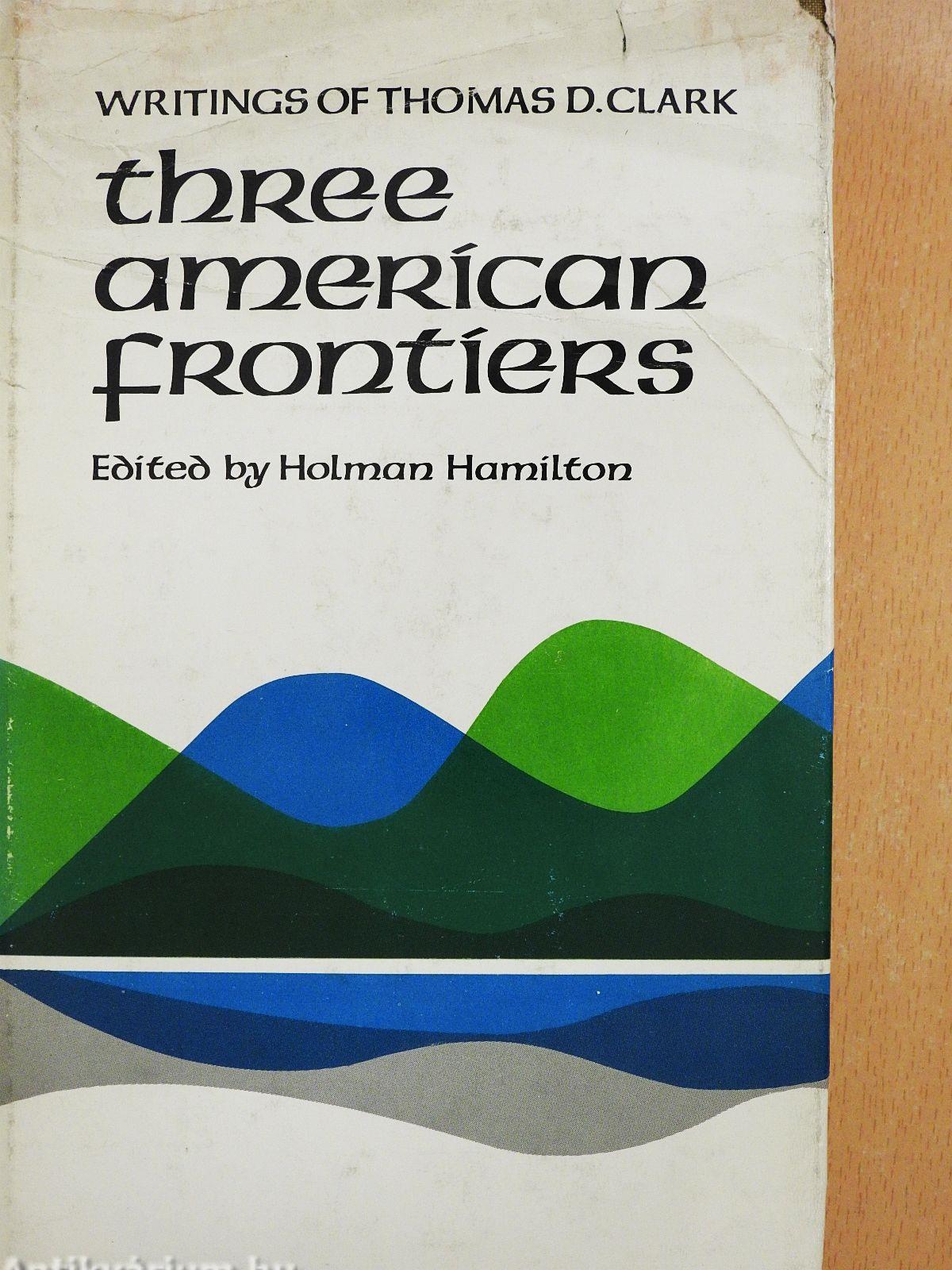
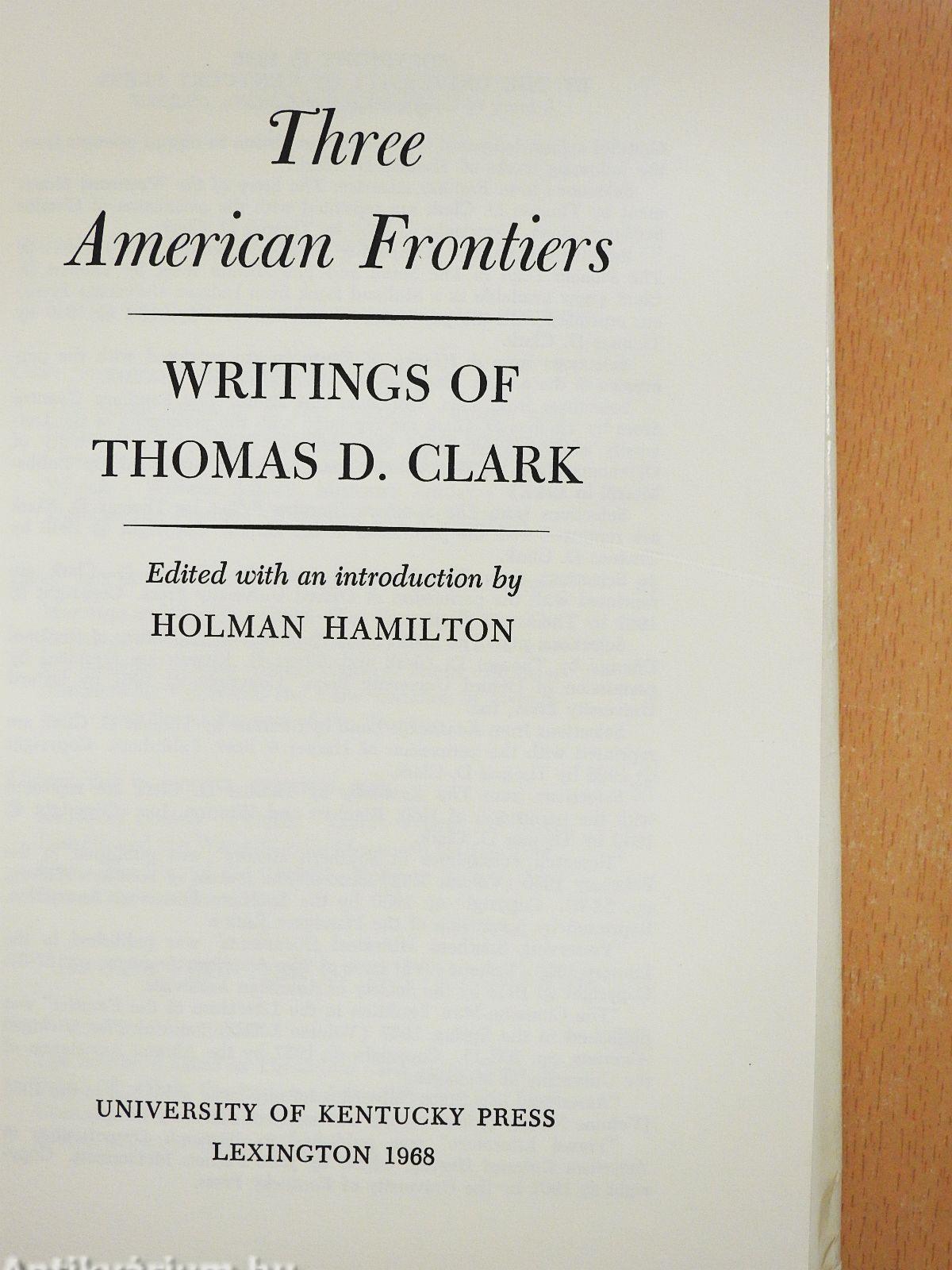
Lexington
| Kiadó: | University of Kentucky Press |
|---|---|
| Kiadás helye: | Lexington |
| Kiadás éve: | |
| Kötés típusa: | Fűzött keménykötés |
| Oldalszám: | 330 oldal |
| Sorozatcím: | |
| Kötetszám: | |
| Nyelv: | Angol |
| Méret: | 22 cm x 14 cm |
| ISBN: | |
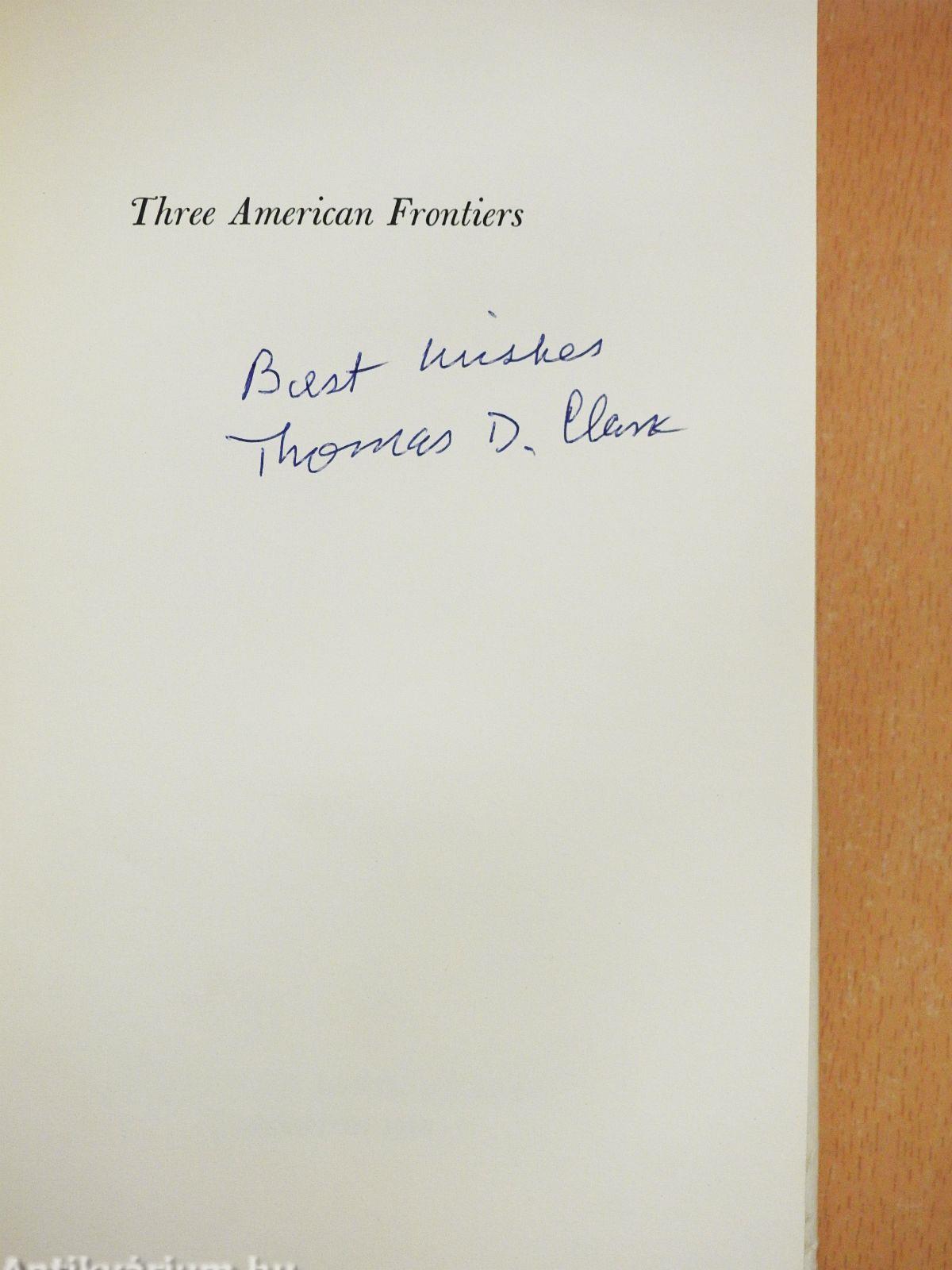
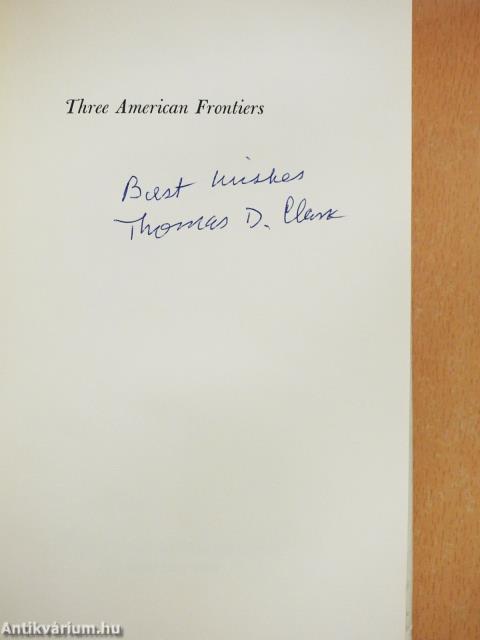
| Megjegyzés: | Thomas D. Clark szerző által dedikált példány. |
Értesítőt kérek a kiadóról
A beállítást mentettük,
naponta értesítjük a beérkező friss
kiadványokról
naponta értesítjük a beérkező friss
kiadványokról
A beállítást mentettük,
naponta értesítjük a beérkező friss
kiadványokról
naponta értesítjük a beérkező friss
kiadványokról
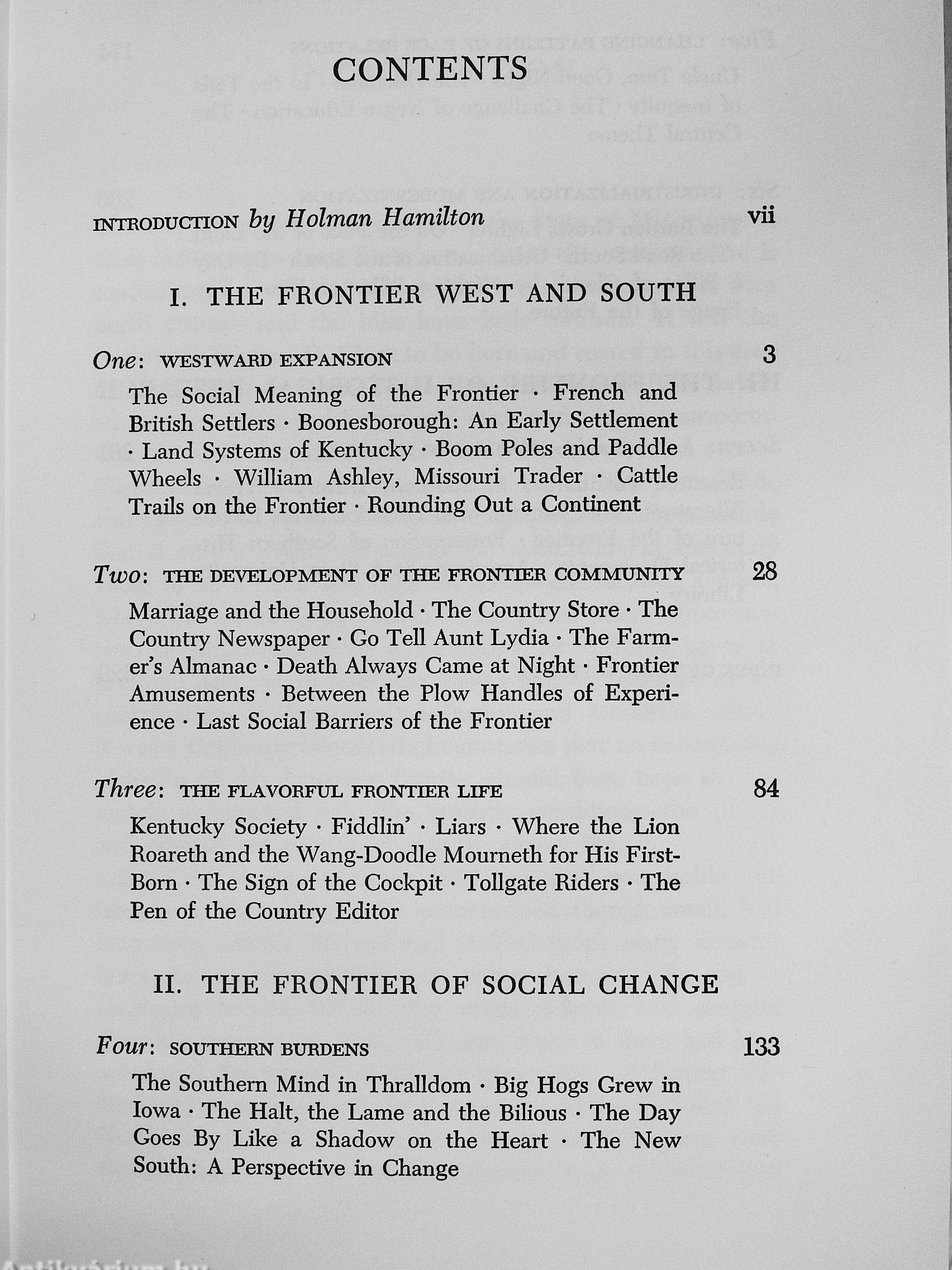
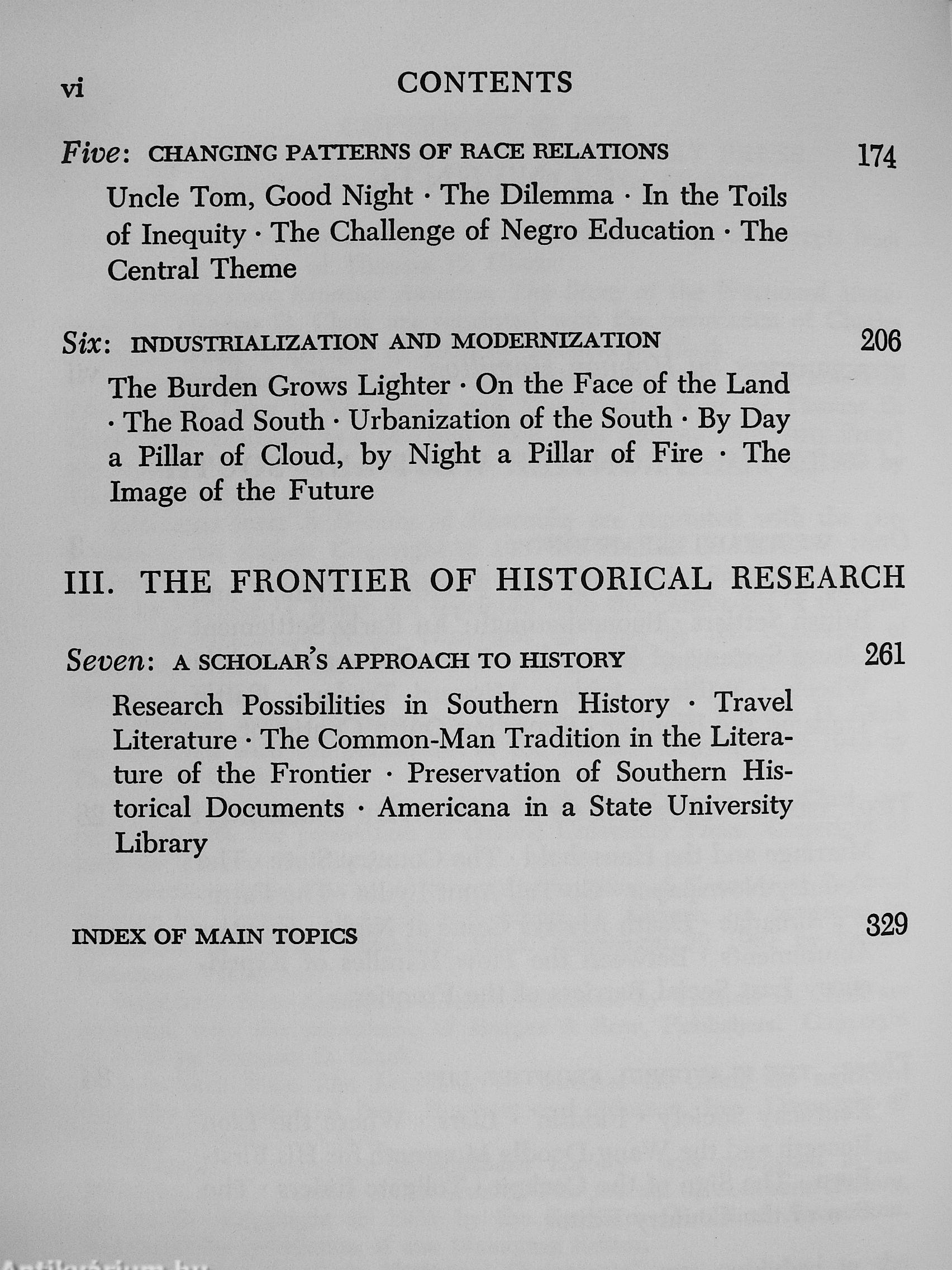
Előszó
Tovább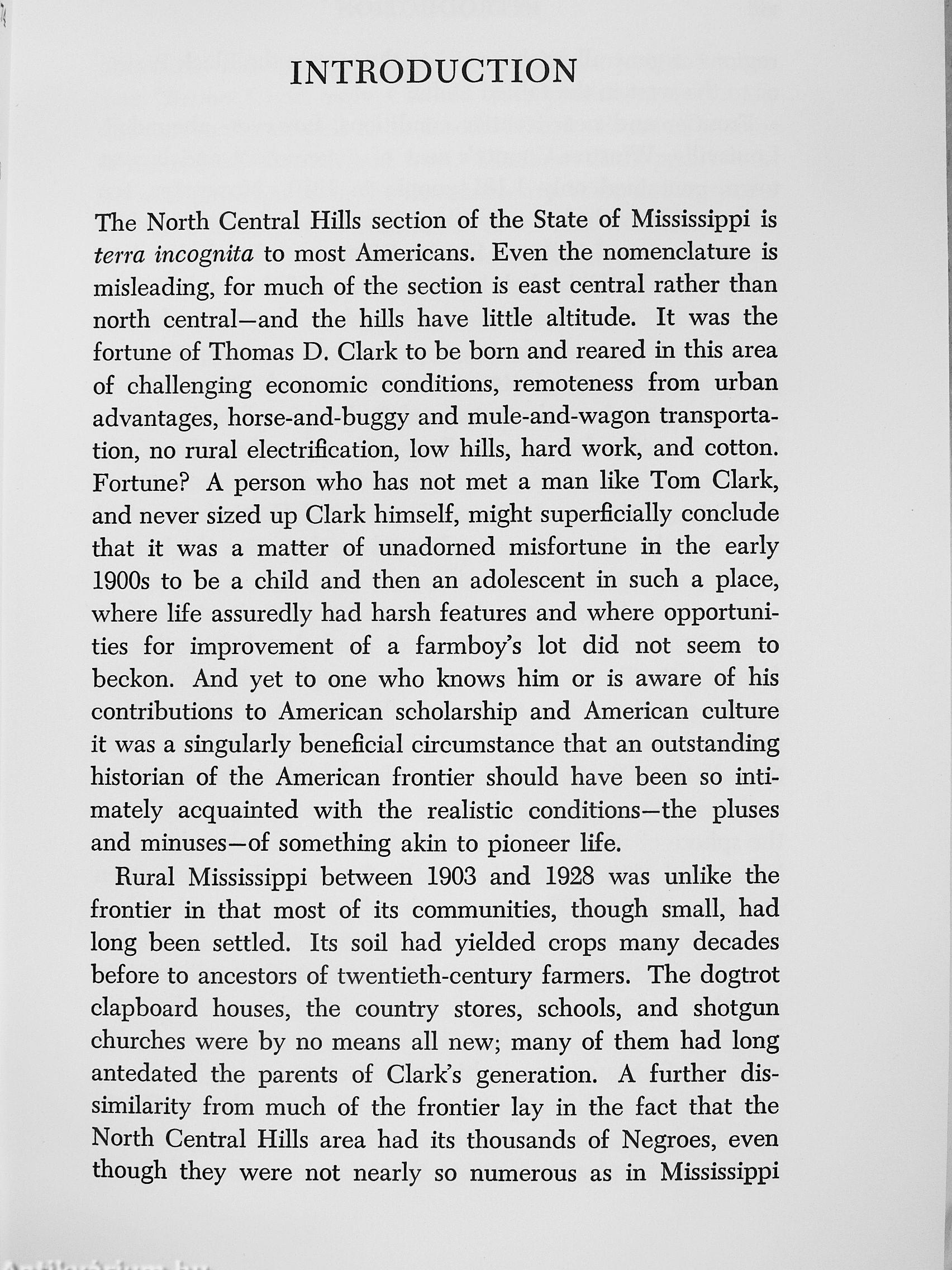
Fülszöveg
^ ' ,• I , 'I ¦ ¦ ¦ i V
,1 ¦!!','>' I'
, ''i
¦; I
' I
( i' . 1, I ; (
¦ ' I I '
I,
' >1
• if
;
1 !' ' P ¦ 1 r- i 1 i' ,
¦-'i' •'VI ' '' , 1 1 ¦¦' 1 ' 1 '
i V) n M l' ' ' '
' i l' ''
i ;,V:i;/ iv.':
I li
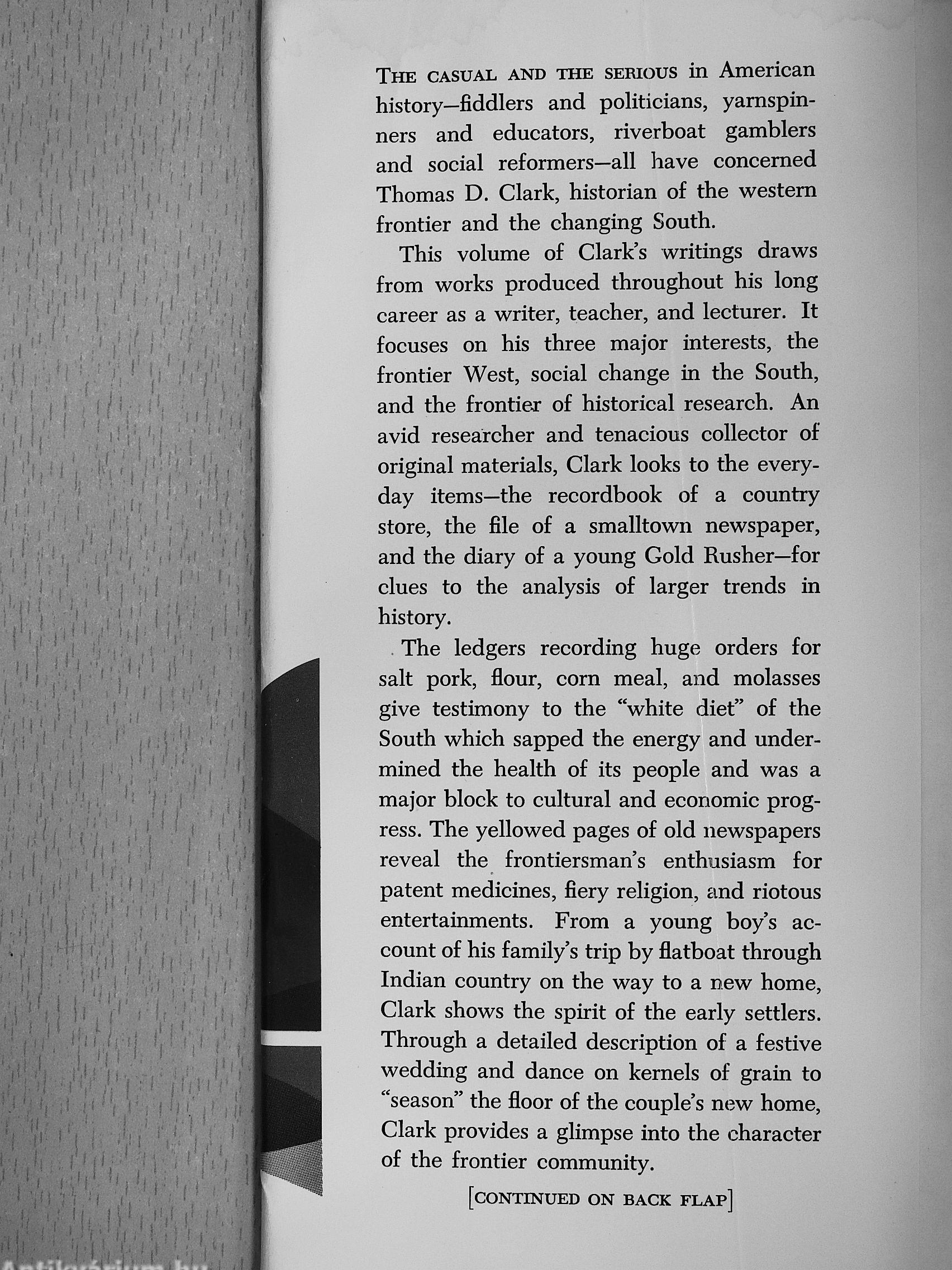
The casual and the serious in American history-fiddlers and politicians, yamspin-ners and educators, riverboat gamblers and social reformers—all have concerned Thomas D. Clark, historian of the vs^estem frontier and the changing South.
This volume of Clark's writings draws from works produced throughout his long career as a writer, teacher, and lecturer. It focuses on his three major interests, the frontier West, social change in the South, and the frontiej of historical research. An avid researcher and tenacious collector of original materials, Clark looks to the everyday items—the recordbook of a country store, the file of a smalltown newspaper, and the diary of a young Gold Rusher—for clues to the analysis of larger trends in history.
The ledgers recording... Tovább
Fülszöveg
^ ' ,• I , 'I ¦ ¦ ¦ i V
,1 ¦!!','>' I'
, ''i
¦; I
' I
( i' . 1, I ; (
¦ ' I I '
I,
' >1
• if
;
1 !' ' P ¦ 1 r- i 1 i' ,
¦-'i' •'VI ' '' , 1 1 ¦¦' 1 ' 1 '
i V) n M l' ' ' '
' i l' ''
i ;,V:i;/ iv.':
I li
The casual and the serious in American history-fiddlers and politicians, yamspin-ners and educators, riverboat gamblers and social reformers—all have concerned Thomas D. Clark, historian of the vs^estem frontier and the changing South.
This volume of Clark's writings draws from works produced throughout his long career as a writer, teacher, and lecturer. It focuses on his three major interests, the frontier West, social change in the South, and the frontiej of historical research. An avid researcher and tenacious collector of original materials, Clark looks to the everyday items—the recordbook of a country store, the file of a smalltown newspaper, and the diary of a young Gold Rusher—for clues to the analysis of larger trends in history.
The ledgers recording huge orders for salt pork, flour, corn meal, and molasses give testimony to the "white diet" of the South which sapped the energy and undermined the health of its people and was a major block to cultural and economic progress. The yellowed pages of old newspapers reveal the frontiersman's enthusiasm for patent medicines, fiery religion, and riotous entertainments. From a young boy's account of his family's trip by flatboat through Indian country on the way to a new home, Clark shows the spirit of the early settlers. Through a detailed description of a festive wedding and dance on kernels of grain to "season" the floor of the couple's new home, Clark provides a glimpse into the character of the frontier community.
[continued on back flap]
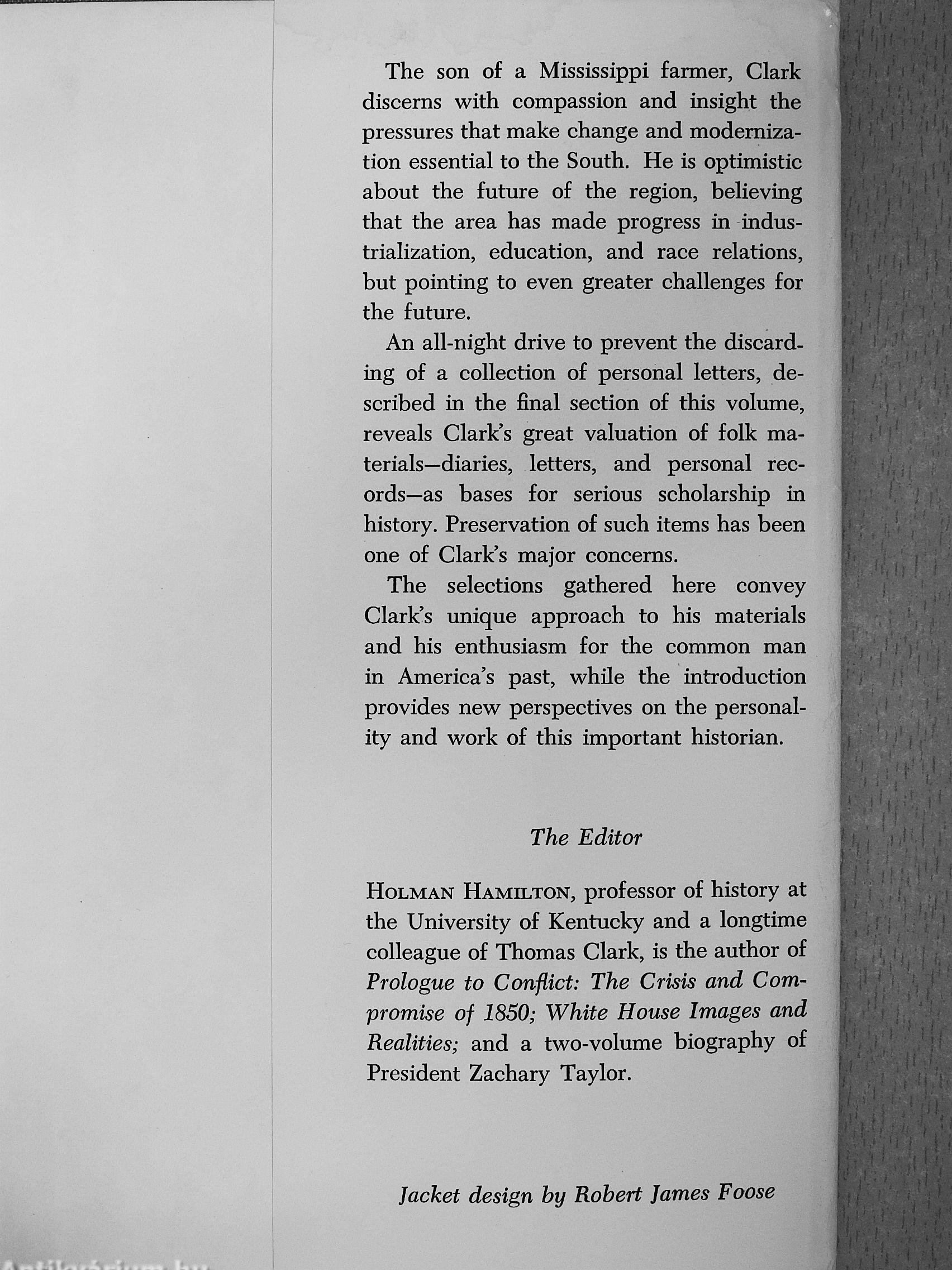
The son of a Mississippi farmer, Clark discerns with compassion and insight the pressures that make change and modernization essential to the South. He is optimistic about the future of the region, believing that the area has made progress in industrialization, education, and race relations, but pointing to even greater challenges for the future.
An all-night drive to prevent the discarding of a collection of personal letters, described in the final section of this volume, reveals Clark's great valuation of folk materials—diaries, letters, and personal records—as bases for serious scholarship in history. Preservation of such items has been one of Clark's major concerns.
The selections gathered here convey Clark's unique approach to his materials and his enthusiasm for the common man in America's past, while the introduction provides new perspectives on the personality and work of this important historian.
The Editor
Holman Hamilton, professor of history at the University of Kentucky and a longtime colleague of Thomas Clark, is the author of Prologue to Conflict: The Crisis and Compromise of 1850; White House Images and Realities; and a two-volume biography of President Zachary Taylor.
Jacket design by Robert James Foose Vissza
Témakörök
- Történelem > Társadalomelmélet
- Szociológia > Szociográfia
- Idegennyelv > Idegennyelvű könyvek > Angol > Művelődéstörténet
- Idegennyelv > Idegennyelvű könyvek > Angol > Szociológia > Szociográfia
- Idegennyelv > Idegennyelvű könyvek > Angol > Történelem > USA története
- Művelődéstörténet > Civilizációtörténet > Amerikai
- Művelődéstörténet > Kultúra > Kultúrantropológia
- Történelem > Idegennyelvű > Angol
- Történelem > Kontinensek szerint > Amerika, amerikai országok története > Észak-Amerika
- Történelem > Legújabb kor > A hidegháború kora (1946-1991)
- Dedikált, aláírt kiadványok > Idegennyelv > Szerző által > Dedikált kötetek
- Dedikált, aláírt kiadványok > Művelődéstörténet > Szerző által > Dedikált kötetek
- Dedikált, aláírt kiadványok > Szociológia > Szerző által > Dedikált kötetek
- Dedikált, aláírt kiadványok > Történelem > Világtörténelem > Szerző által > Dedikált kötetek
- Idegennyelv > Dedikált, aláírt kötetek > Szerző által > Dedikált kötetek
- Művelődéstörténet > Dedikált, aláírt kötetek > Szerző által > Dedikált kötetek
- Szociológia > Dedikált, aláírt kötetek > Szerző által > Dedikált kötetek
- Történelem > Dedikált, aláírt kötetek > Szerző által > Dedikált kötetek
Thomas D. Clark
Thomas D. Clark műveinek az Antikvarium.hu-n kapható vagy előjegyezhető listáját itt tekintheti meg: Thomas D. Clark könyvek, művekMegvásárolható példányok
Állapotfotók

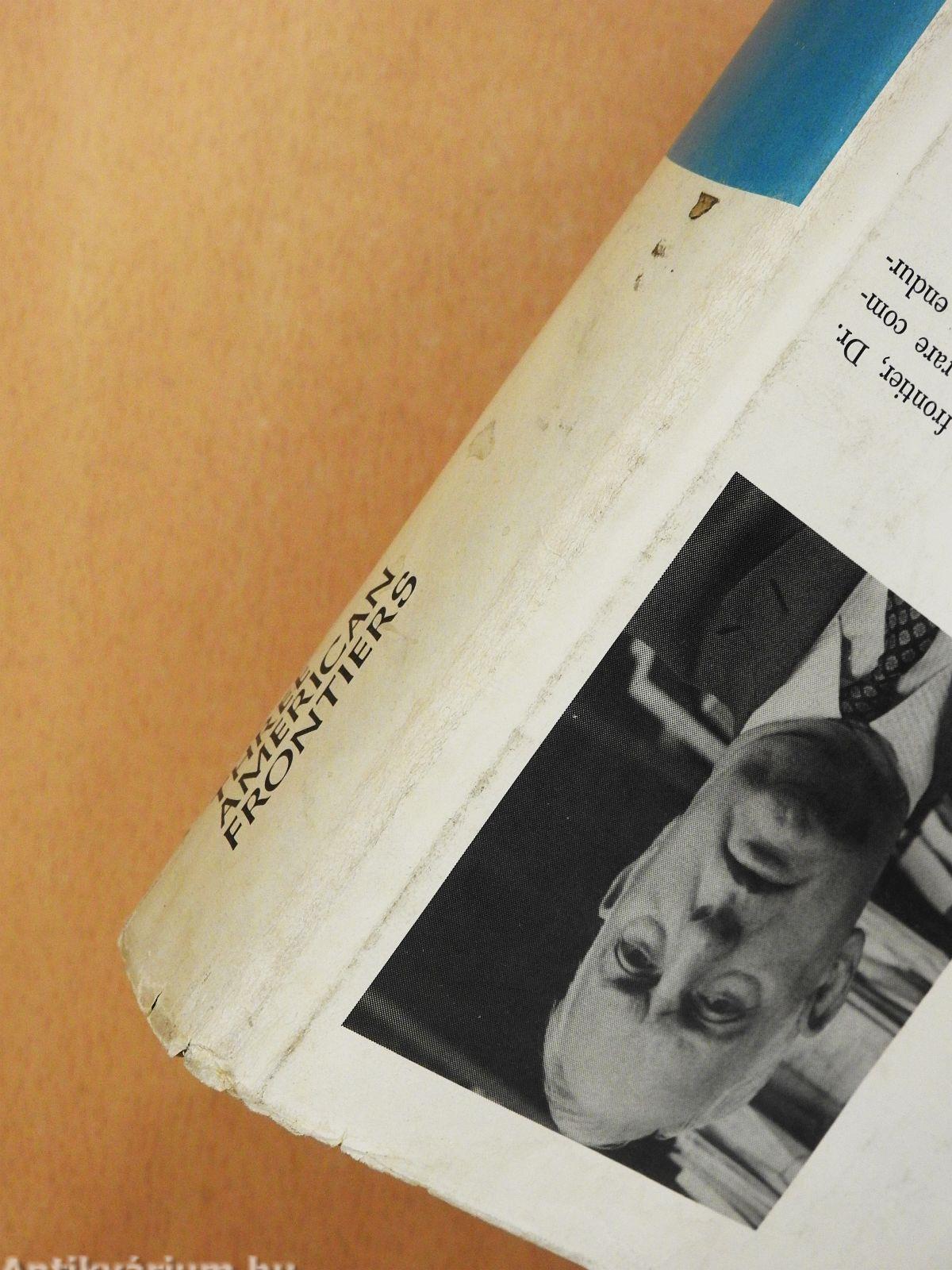


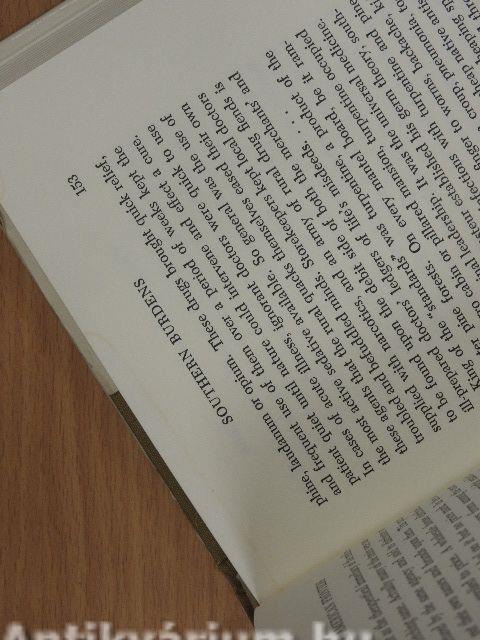




A védőborító foltos, kopott. A lapélek és több lap foltos.
Az előlapon a szerző, Thomas D. Clark névre szóló dedikációja látható.
Állapot:
Közepes
22.000 Ft
17.600 ,-Ft 20
88
pont kapható
Kosárba
 Folytatás Microsoft-tal