
1.137.696
kiadvánnyal nyújtjuk Magyarország legnagyobb antikvár könyv-kínálatát

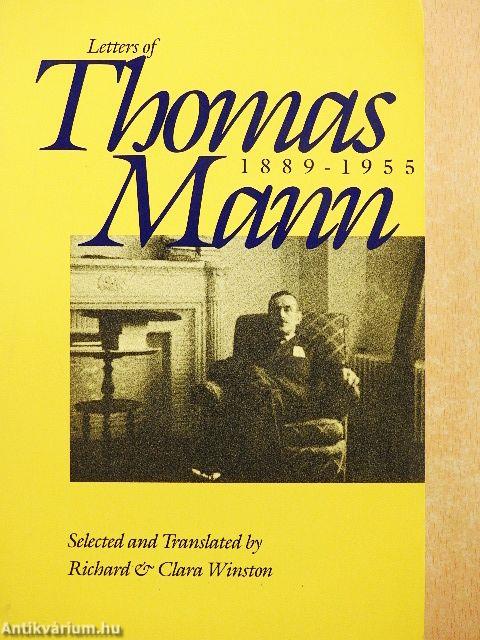
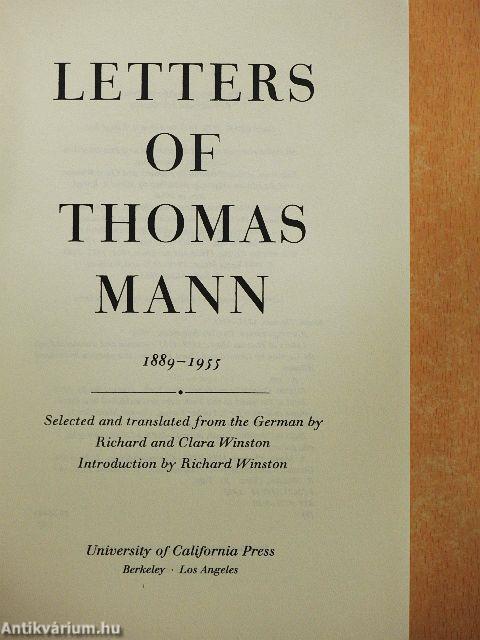
Letters of Thomas Mann 1889-1955
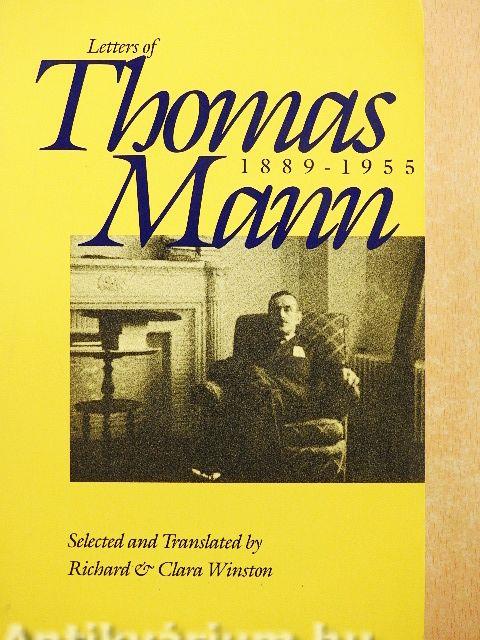
Berkeley-Los Angeles
| Kiadó: | University of California Press |
|---|---|
| Kiadás helye: | Berkeley-Los Angeles |
| Kiadás éve: | |
| Kötés típusa: | Ragasztott papírkötés |
| Oldalszám: | 545 oldal |
| Sorozatcím: | |
| Kötetszám: | |
| Nyelv: | Angol |
| Méret: | 21 cm x 14 cm |
| ISBN: | 0-520-06968-4 |
Értesítőt kérek a kiadóról
A beállítást mentettük,
naponta értesítjük a beérkező friss
kiadványokról
naponta értesítjük a beérkező friss
kiadványokról
A beállítást mentettük,
naponta értesítjük a beérkező friss
kiadványokról
naponta értesítjük a beérkező friss
kiadványokról
Előszó
Tovább
Fülszöveg
literature history
"These letters are literary and cultural documents that have few equals in our age. Mann's pivotal role during the Nazi period as perhaps the most eloquent spokesman for the 'other Germany' that lived in exile means that anyone studying the history of our century must begin with him."
—James K. Lyon, University of California, San Diejfo
"There is enough here to allow us to see with our own eyes [the] true progress of this artist through the disasters of history in his lifetime. . . . No biography, not even an autobiography, can give this sense of the immediate living of a life."
—John Thompson, Harper's MaLiazine
" [The letters] reveal Mann the lecturer, the polemicist, the paterfamilias, the professor-manque, the novelist as critic-battler and royalty-counter, the moral judge and Man of Letters. . . . Because his national/personal doom suited him so uniquely to do so, Thomas Mann was to become the one great twentieth century writer who wrote directly about... Tovább
Fülszöveg
literature history
"These letters are literary and cultural documents that have few equals in our age. Mann's pivotal role during the Nazi period as perhaps the most eloquent spokesman for the 'other Germany' that lived in exile means that anyone studying the history of our century must begin with him."
—James K. Lyon, University of California, San Diejfo
"There is enough here to allow us to see with our own eyes [the] true progress of this artist through the disasters of history in his lifetime. . . . No biography, not even an autobiography, can give this sense of the immediate living of a life."
—John Thompson, Harper's MaLiazine
" [The letters] reveal Mann the lecturer, the polemicist, the paterfamilias, the professor-manque, the novelist as critic-battler and royalty-counter, the moral judge and Man of Letters. . . . Because his national/personal doom suited him so uniquely to do so, Thomas Mann was to become the one great twentieth century writer who wrote directly about the twentieth century."
—David Littlejohn, New Republic
This selection of Thomas Mann's letters spans sixty-six years, from the first, written in 1889 by a precocious fourteen-year-old, to the last, composed on his deathbed in 1955 by the eighty-year-old Nobel Laureate and world figure. Covering two world wars and exile in America and Europe, these letters offer the reader insight into the concerns and values of one of the great writers of our time. Here Mann reveals himself to his family as well as to such celebrated contemporaries as Gide, Freud, Zweig, Brecht, Einstein, Hesse, Schoenberg, and Adorno.
THOMAS MANN (1875-1955), winner of the Nobel Prize for Literature in 1929, wrote essays as well as some of the great novels of the twentieth century, including Buddenbrooks, The Ma^ic Mountain, Death in Venice, Joseph and His Brothers, Doctor Faustus.
UNIVERSITY OF CALIFORNIA PRESS Berkeley 94720 Vissza
Témakörök
- Irodalomtörténet > Írókról, költőkről
- Idegennyelv > Idegennyelvű könyvek > Angol > Szépirodalom > Regény, novella, elbeszélés
- Idegennyelv > Idegennyelvű könyvek > Angol > Irodalomtörténet
- Irodalomtörténet > Dokumentumok, forráskiadványok
- Irodalomtörténet > Világirodalom > Európai irodalom > Német
- Irodalomtörténet > Irodalomtudomány > Korszakok > 20. századi
- Szépirodalom > Regény, novella, elbeszélés > Tartalom szerint > Levelek
- Szépirodalom > Regény, novella, elbeszélés > Irodalmi díjas szerzők > Nobel-díjasok
Thomas Mann
Thomas Mann műveinek az Antikvarium.hu-n kapható vagy előjegyezhető listáját itt tekintheti meg: Thomas Mann könyvek, művekMegvásárolható példányok
Állapotfotók
Szép állapotú példány.
Állapot:
Jó
7.400 ,-Ft
37
pont kapható
Kosárba
 Folytatás Microsoft-tal