A kosaram
0
MÉG
5000 Ft
a(z) 5000Ft-os
szállítási
értékhatárig
Ginop popup ablak bezárása

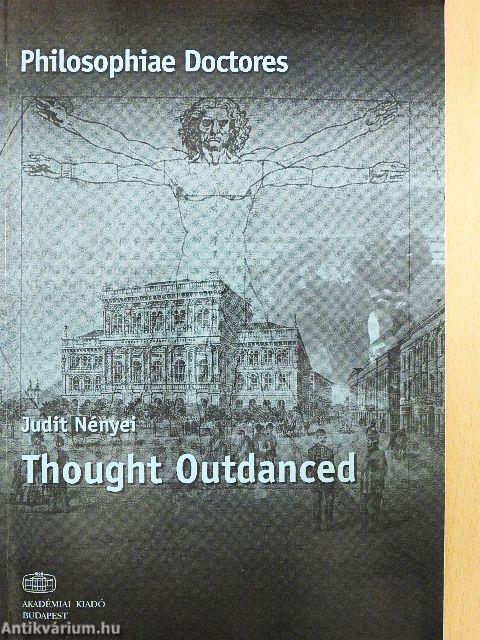
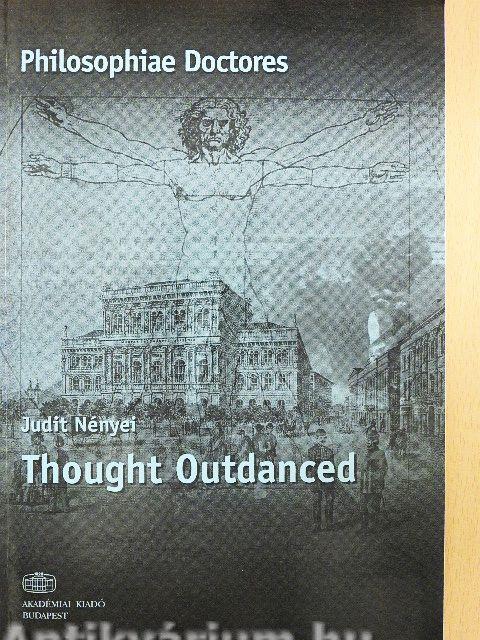
Thought Outdanced

The Motif of Dancing in Yeats and Joyce

Szerző
Budapest
Kiadó: Akadémiai Kiadó
Kiadás helye: Budapest
Kiadás éve:
Kötés típusa: Ragasztott papírkötés
Oldalszám: 175 oldal
Sorozatcím: Pilosophiae Doctores
Kötetszám:
Nyelv: Angol  
Méret: 24 cm x 16 cm
ISBN: 963-05-7966-9
Értesítőt kérek a kiadóról
Értesítőt kérek a sorozatról

A beállítást mentettük,
naponta értesítjük a beérkező friss
kiadványokról
A beállítást mentettük,
naponta értesítjük a beérkező friss
kiadványokról

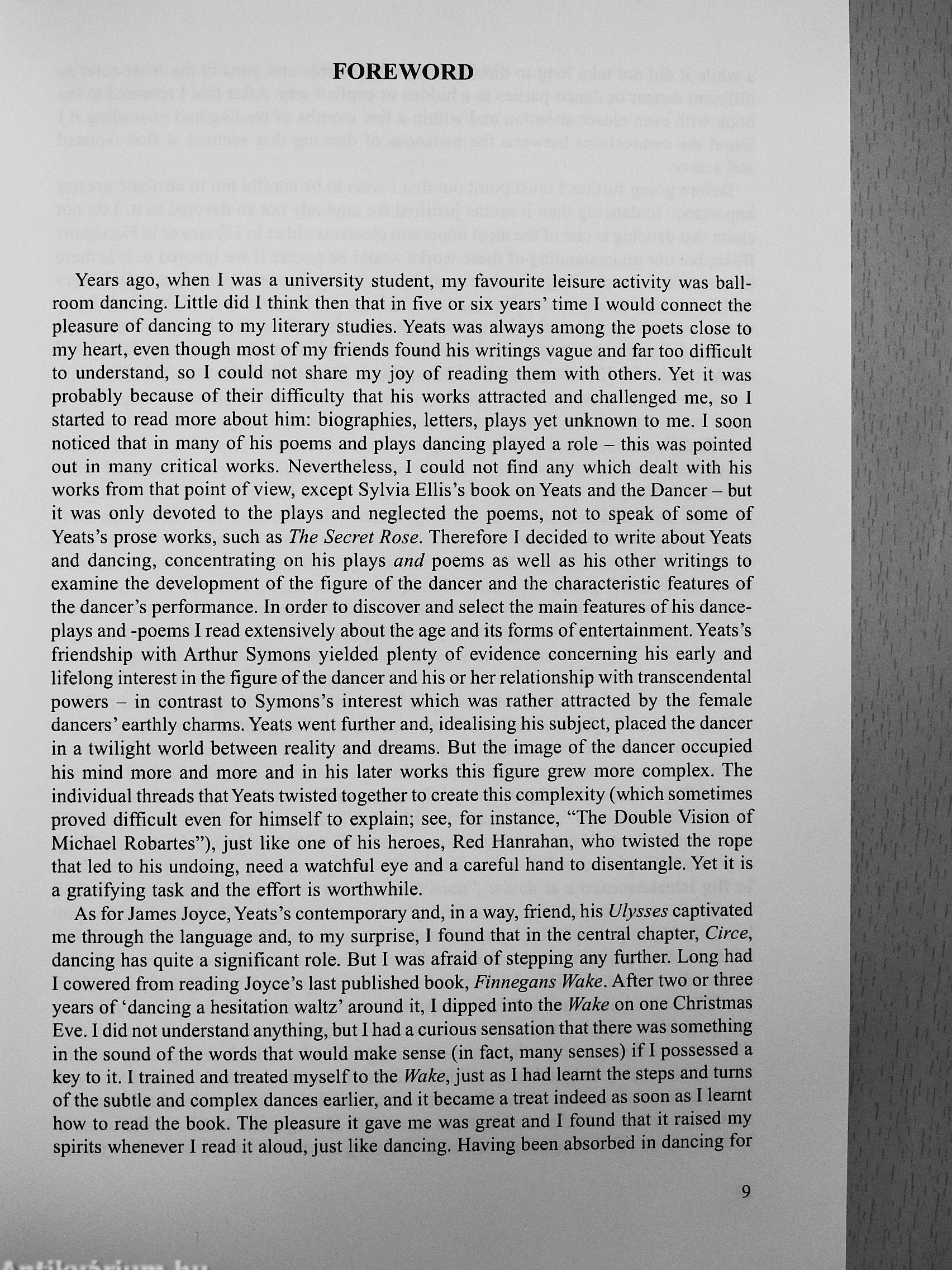
Előszó

Tovább

Előszó


Vissza

Fülszöveg


Judit Nényei

Thought Outdanced
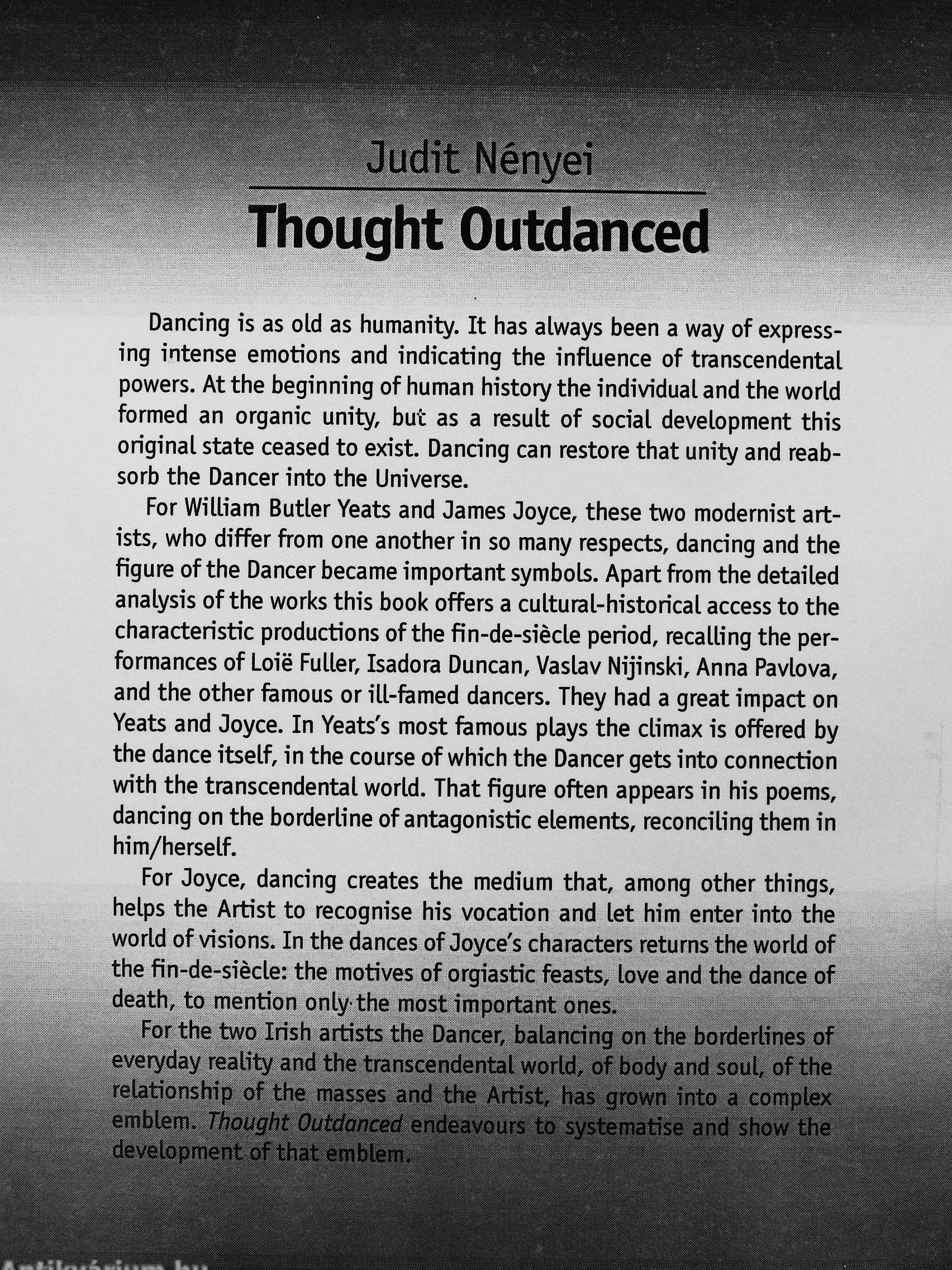
Dancing is as old as humanity. It has always been a way of expressing intense emotions and indicating the influence of transcendental powers. At the beginning of human history the individual and the world formed an organic unity, but as a result of social development this original state ceased to exist. Dancing can restore that unity and reabsorb the Dancer into the Universe.
For William Butler Yeats and James Joyce, these two modernist artists, who differ from one another in so many respects, dancing and the figure of the Dancer became important symbols. Apart from the detailed analysis of the works this book offers a cultural-historical access to the characteristic productions of the fin-de-siecle period, recalling the performances of Loie Fuller, Isadora Duncan, Vaslav Nijinski, Anna Pavlova, and the other famous or ill-famed dancers. They had a great impact on Yeats and Joyce. In Yeats's most famous plays the climax is offered by the dance... Tovább

Fülszöveg


Judit Nényei

Thought Outdanced
Dancing is as old as humanity. It has always been a way of expressing intense emotions and indicating the influence of transcendental powers. At the beginning of human history the individual and the world formed an organic unity, but as a result of social development this original state ceased to exist. Dancing can restore that unity and reabsorb the Dancer into the Universe.
For William Butler Yeats and James Joyce, these two modernist artists, who differ from one another in so many respects, dancing and the figure of the Dancer became important symbols. Apart from the detailed analysis of the works this book offers a cultural-historical access to the characteristic productions of the fin-de-siecle period, recalling the performances of Loie Fuller, Isadora Duncan, Vaslav Nijinski, Anna Pavlova, and the other famous or ill-famed dancers. They had a great impact on Yeats and Joyce. In Yeats's most famous plays the climax is offered by the dance itself, in the course of which the Dancer gets into connection with the transcendental world. That figure often appears in his poems, dancing on the borderline of antagonistic elements, reconciling them in him/herself.
For Joyce, dancing creates the medium that, among other things, helps the Artist to recognise his vocation and let him enter into the world of visions. In the dances of Joyce's characters returns the world of the fin-de-siecle: the motives of orgiastic feasts, love and the dance of death, to mention only the most important ones.
For the two Irish artists the Dancer, balancing on the borderlines of everyday reality and the transcendental world, of body and soul, of the relationship of the masses and the Artist, has grown into a complex emblem. Thought Outdmced endeavours to systematise and show the development of that enfblem. Vissza

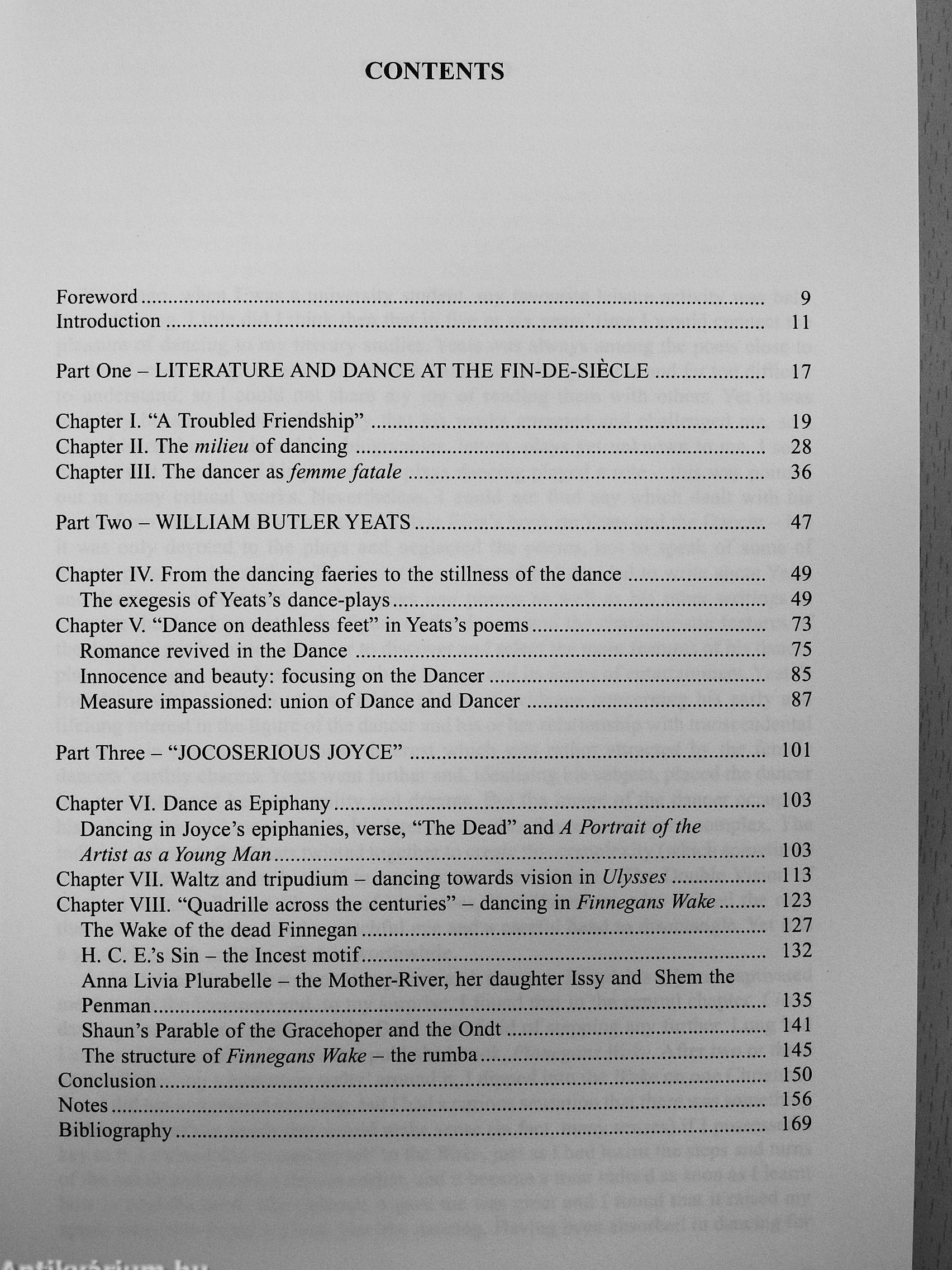
Tartalom


Vissza
Megvásárolható példányok

Nincs megvásárolható példány
A könyv összes megrendelhető példánya elfogyott. Ha kívánja, előjegyezheti a könyvet, és amint a könyv egy újabb példánya elérhető lesz, értesítjük.

Előjegyzem