
1.152.902
kiadvánnyal nyújtjuk Magyarország legnagyobb antikvár könyv-kínálatát

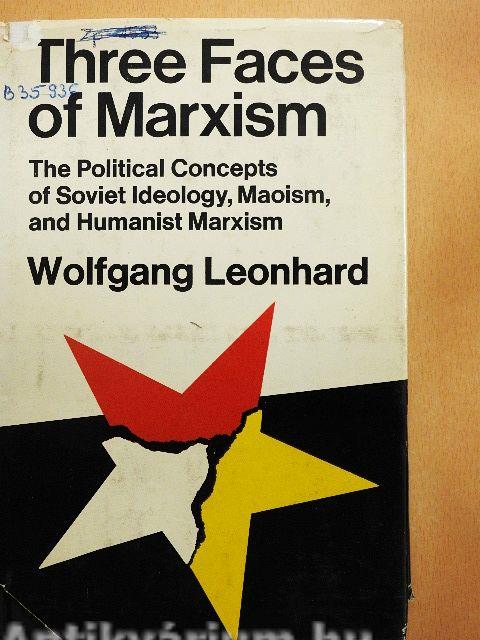
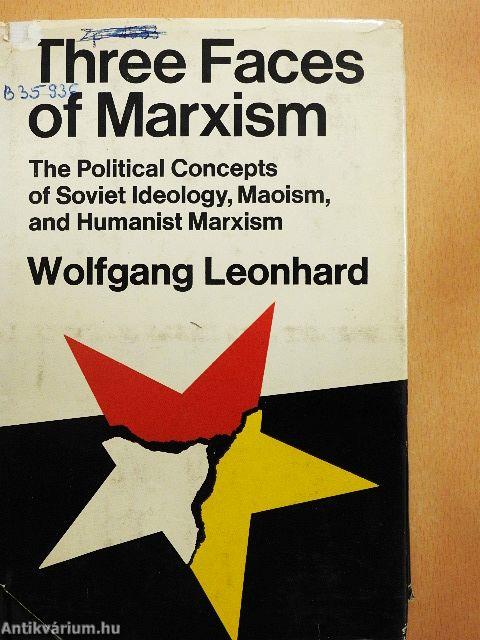
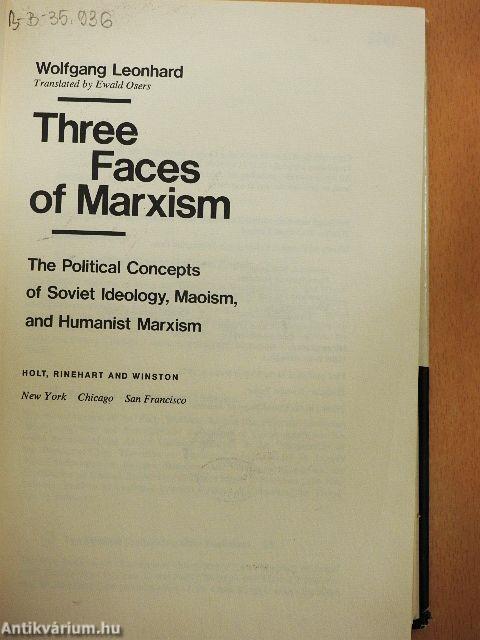
Three Faces of Marxism
The Political Concepts of Soviet Ideology, Maoism, and Humanist Marxism
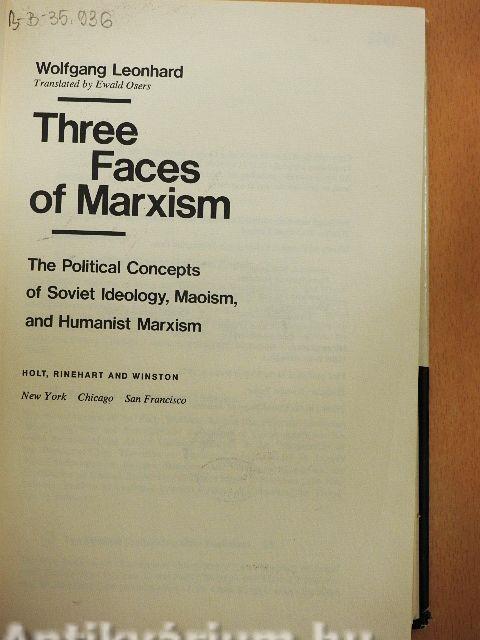
New York
| Kiadó: | Holt, Rinehart and Winston |
|---|---|
| Kiadás helye: | New York |
| Kiadás éve: | |
| Kötés típusa: | Vászon |
| Oldalszám: | 497 oldal |
| Sorozatcím: | |
| Kötetszám: | |
| Nyelv: | Angol |
| Méret: | 23 cm x 16 cm |
| ISBN: | 0-03-088620-1 |
Értesítőt kérek a kiadóról
A beállítást mentettük,
naponta értesítjük a beérkező friss
kiadványokról
naponta értesítjük a beérkező friss
kiadványokról
A beállítást mentettük,
naponta értesítjük a beérkező friss
kiadványokról
naponta értesítjük a beérkező friss
kiadványokról
Előszó
Tovább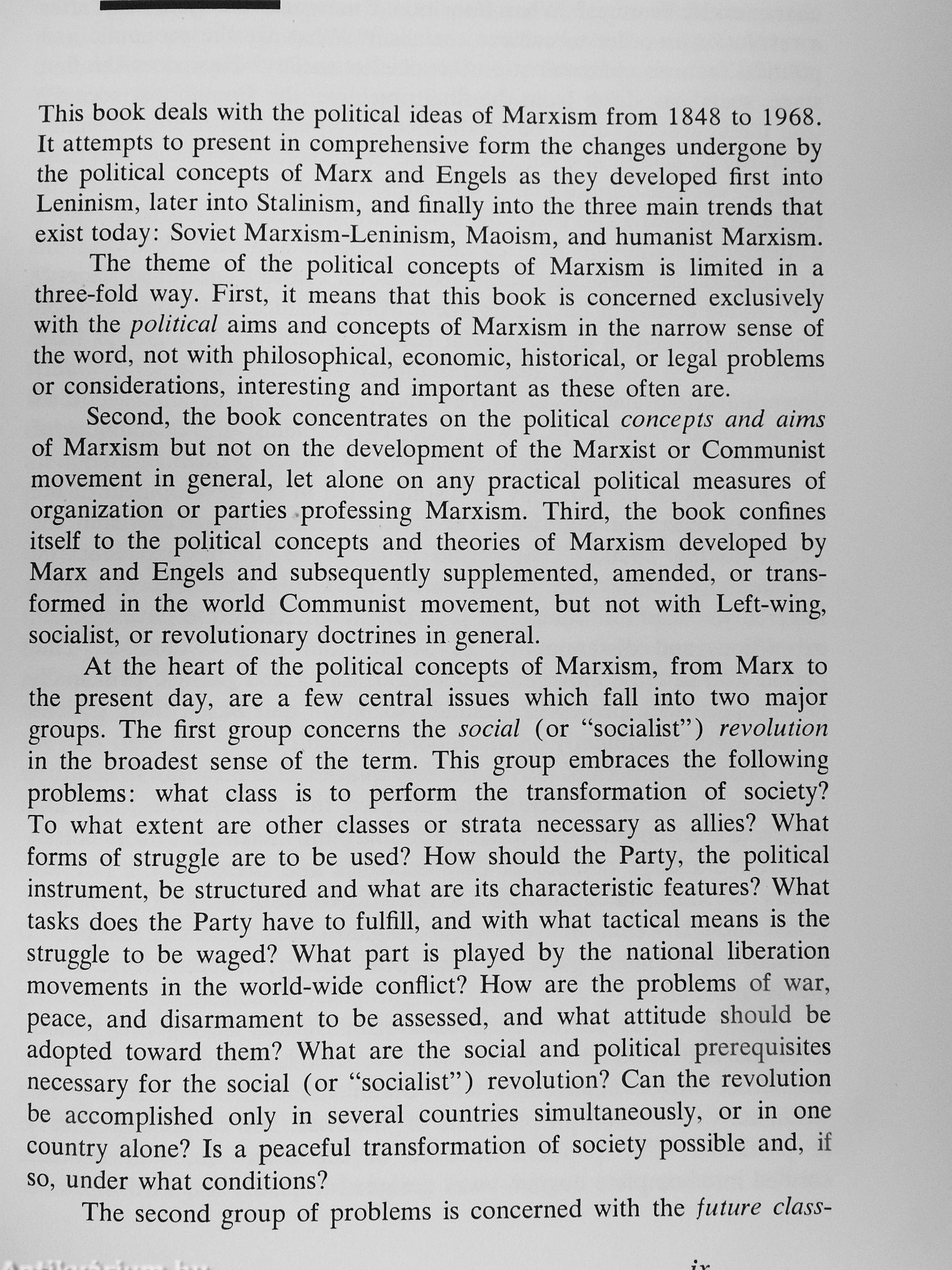
Fülszöveg
Three Faces of Marxism
Wolfgang Leonhard
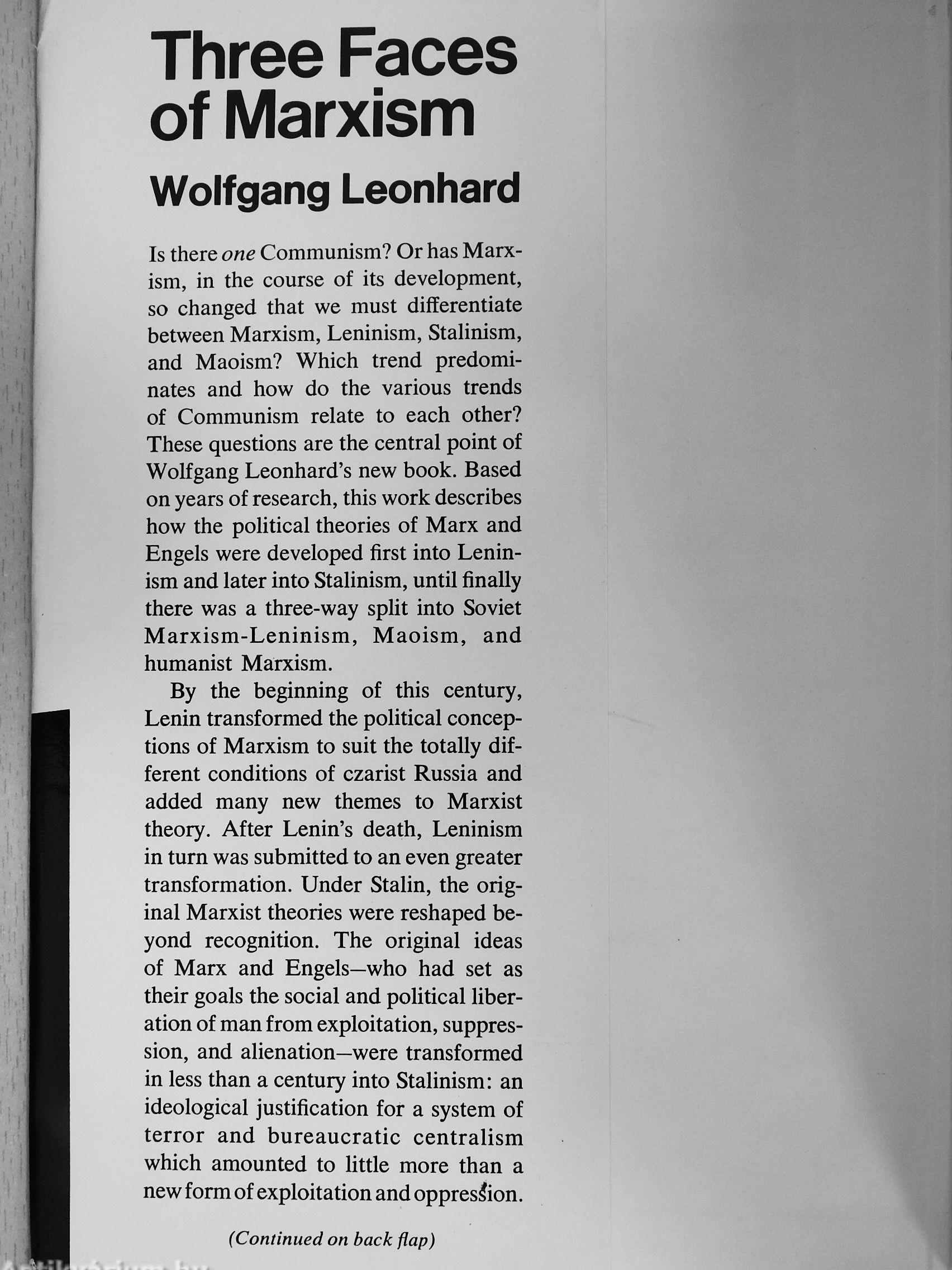
Is there one Communism? Or has Marxism, in the course of its development, so changed that we must differentiate between Marxism, Leninism, Stalinism, and Maoism? Which trend predominates and how do the various trends of Communism relate to each other? These questions are the central point of Wolfgang Leonhard's new book. Based on years of research, this work describes how the political theories of Marx and Engels were developed first into Leninism and later into Stalinism, until finally there was a three-way split into Soviet Marxism-Leninism, Maoism, and humanist Marxism.
By the beginning of this century, Lenin transformed the political conceptions of Marxism to suit the totally different conditions of czarist Russia and added many new themes to Marxist theory. After Lenin's death, Leninism in turn was submitted to an even greater transformation. Under Stalin, the original Marxist theories were reshaped beyond recognition. The original... Tovább
Fülszöveg
Three Faces of Marxism
Wolfgang Leonhard
Is there one Communism? Or has Marxism, in the course of its development, so changed that we must differentiate between Marxism, Leninism, Stalinism, and Maoism? Which trend predominates and how do the various trends of Communism relate to each other? These questions are the central point of Wolfgang Leonhard's new book. Based on years of research, this work describes how the political theories of Marx and Engels were developed first into Leninism and later into Stalinism, until finally there was a three-way split into Soviet Marxism-Leninism, Maoism, and humanist Marxism.
By the beginning of this century, Lenin transformed the political conceptions of Marxism to suit the totally different conditions of czarist Russia and added many new themes to Marxist theory. After Lenin's death, Leninism in turn was submitted to an even greater transformation. Under Stalin, the original Marxist theories were reshaped beyond recognition. The original ideas of Marx and Engels—who had set as their goals the social and political liberation of man from exploitation, suppression, and alienation—were transformed in less than a century into Stalinism: an ideological justification for a system of terror and bureaucratic centralism which amounted to little more than a new form of exploitation and oppression.
(Continued on back flap)
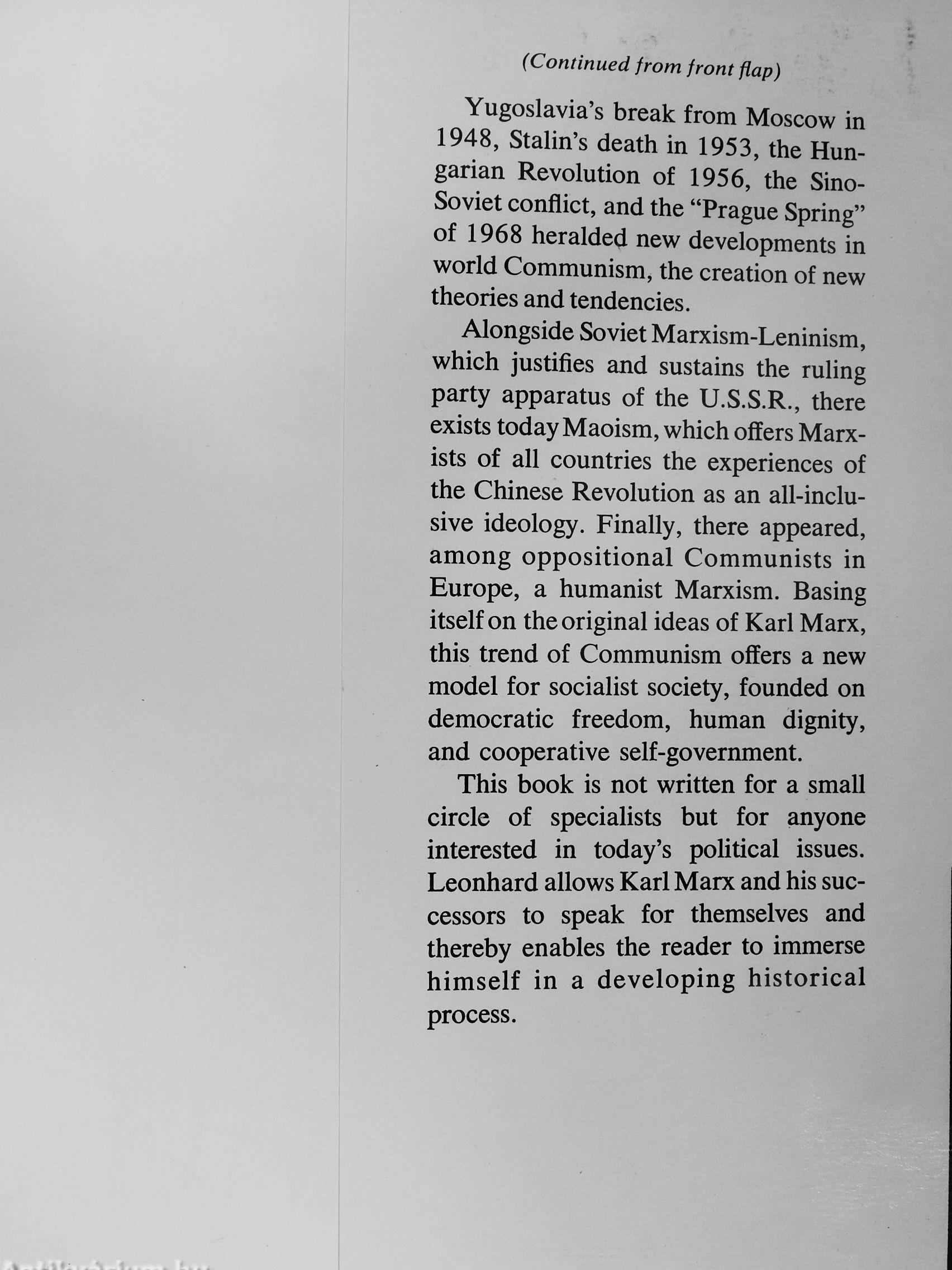
(Continued from front flap)
Yugoslavia's break from Moscow in 1948, Stalin's death in 1953, the Hungarian Revolution of 1956, the Sino-Soviet conflict, and the "Prague Spring" of 1968 heralded new developments in world Communism, the creation of new theories and tendencies.
Alongside Soviet Marxism-Leninism, which justines and sustains the ruling party apparatus of the U.S.S.R., there exists today Maoism, which offers Marxists of all countries the experiences of the Chinese Revolution as an all-inclusive ideology. Finally, there appeared, among oppositional Communists in Europe, a humanist Marxism. Basing itself on the original ideas of Karl Marx, this trend of Communism offers a new model for socialist society, founded on democratic freedom, human dignity, and cooperative self-government.
This book is not written for a small circle of specialists but for anyone interested in today's political issues. Leonhard allows Karl Marx and his successors to speak for themselves and thereby enables the reader to immerse himself in a developing historical process.
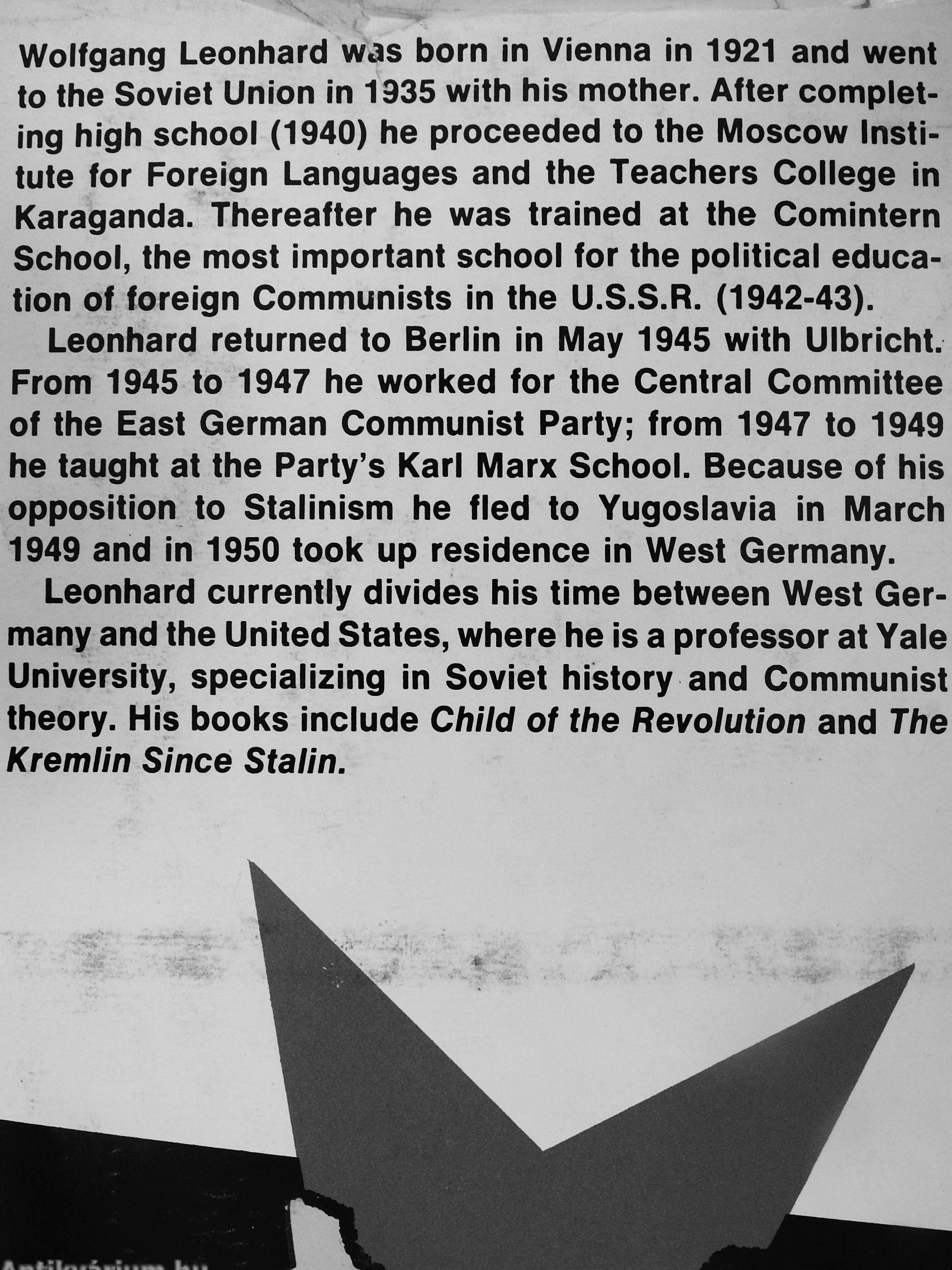
Wolfgang Leonhard was born in Vienna in 1921 and went to the Soviet Union in 1935 with his mother. After completing high school (1940) he proceeded to the Moscow Institute for Foreign Languages and the Teachers College in Karaganda. Thereafter he was trained at the Comintern School, the most important school for the political education of foreign Communists in the U.S.S.R. (1942-43).
Leonhard returned to Berlin in May 1945 with Ulbricht. From 1945 to 1947 he worked for the Central Committee of the East German Communist Party; from 1947 to 1949 he taught at the Party's Karl Marx School. Because of his opposition to Stalinism he fled to Yugoslavia in March 1949 and in 1950 took up residence in West Germany.
Leonhard currently divides his time between West Germany and the United States, where he is a professor at Yale University, specializing in Soviet history and Communist theory. His books include Child of the Revolution and The Kremlin Since Stalin. Vissza
Témakörök
- Idegennyelv > Idegennyelvű könyvek > Angol > Művelődéstörténet
- Idegennyelv > Idegennyelvű könyvek > Angol > Történelem > Egyéb
- Művelődéstörténet > Eszmetörténet > Történelem > Politika
- Történelem > Idegennyelvű > Angol
- Történelem > Politika > Pártok, szervezetek
- Történelem > Politika > Ideológiák > Kommunizmus > Egyéb
Wolfgang Leonhard
Wolfgang Leonhard műveinek az Antikvarium.hu-n kapható vagy előjegyezhető listáját itt tekintheti meg: Wolfgang Leonhard könyvek, művekMegvásárolható példányok
Állapotfotók
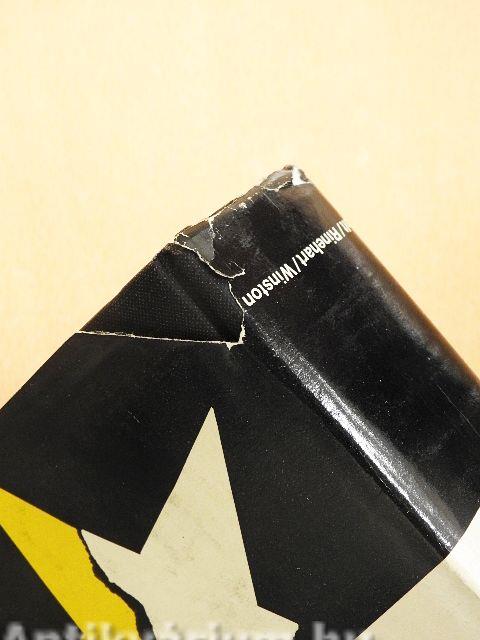
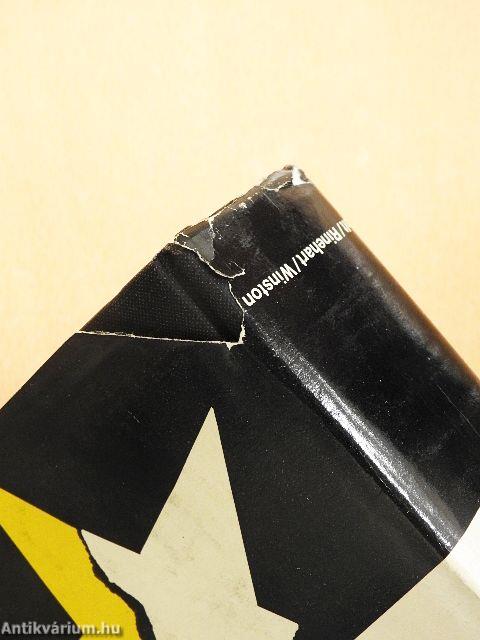
Könyvtári könyv volt. A védőborító szakadozott, foltos.
Állapot:
Közepes
18.000 Ft
14.400 ,-Ft 20
72
pont kapható
Kosárba
 Folytatás Microsoft-tal