
1.155.634
kiadvánnyal nyújtjuk Magyarország legnagyobb antikvár könyv-kínálatát

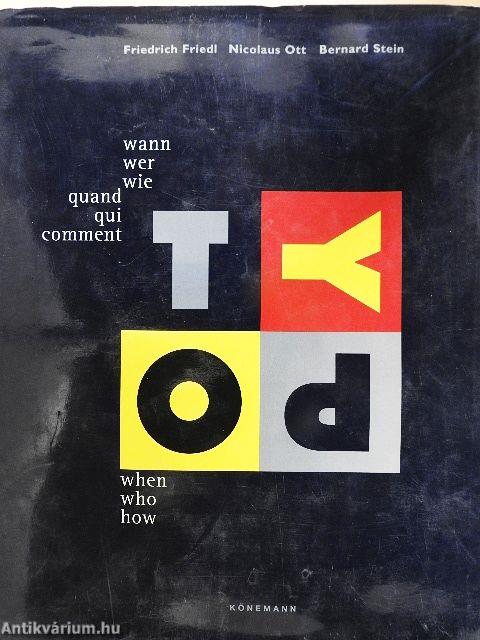
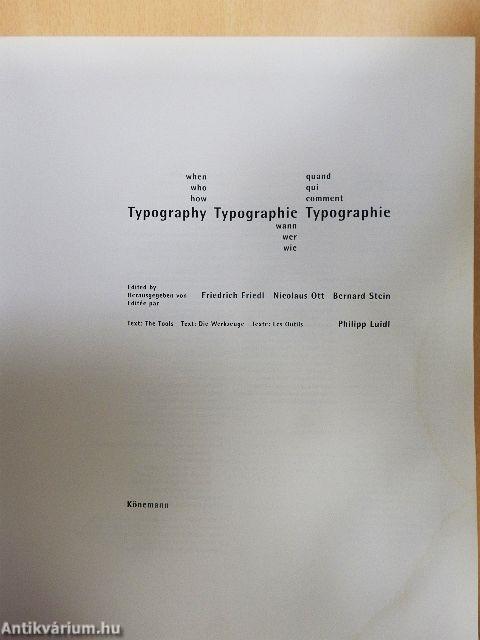
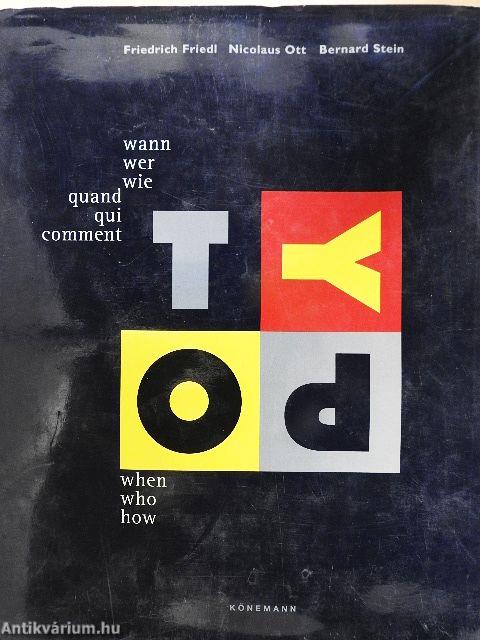
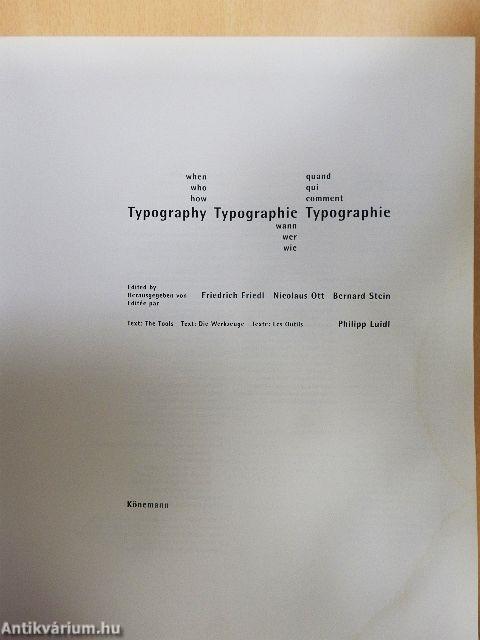
Typography
Typographie/Typographie/When, who, how/Wann, wer, wie/Quand, qui, comment
Köln
| Kiadó: | Könemann Verlagsgesellschaft mbH |
|---|---|
| Kiadás helye: | Köln |
| Kiadás éve: | |
| Kötés típusa: | Vászon |
| Oldalszám: | 592 oldal |
| Sorozatcím: | |
| Kötetszám: | |
| Nyelv: | Angol Német Francia |
| Méret: | 31 cm x 25 cm |
| ISBN: | 3-89508-473-5 |
| Megjegyzés: | Színes fotókkal, illusztrációkkal. |
Értesítőt kérek a kiadóról
A beállítást mentettük,
naponta értesítjük a beérkező friss
kiadványokról
naponta értesítjük a beérkező friss
kiadványokról
A beállítást mentettük,
naponta értesítjük a beérkező friss
kiadványokról
naponta értesítjük a beérkező friss
kiadványokról
Előszó
Tovább
Fülszöveg
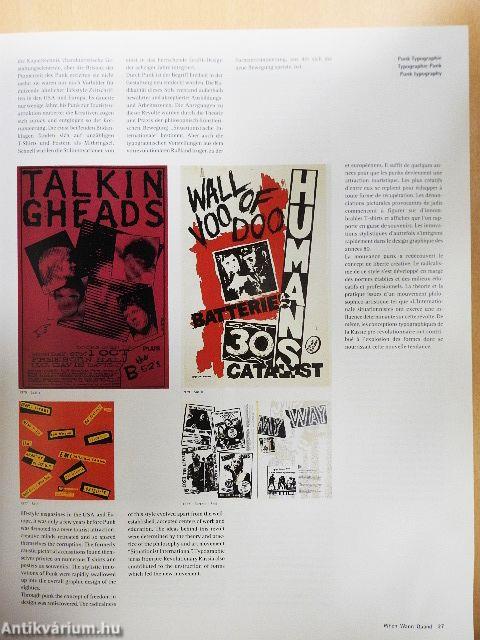
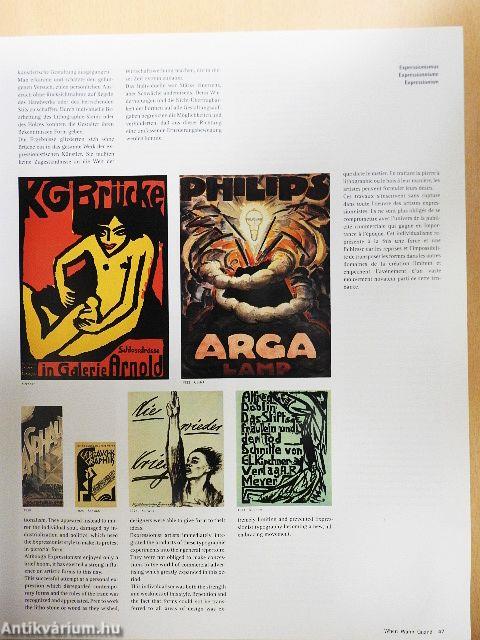
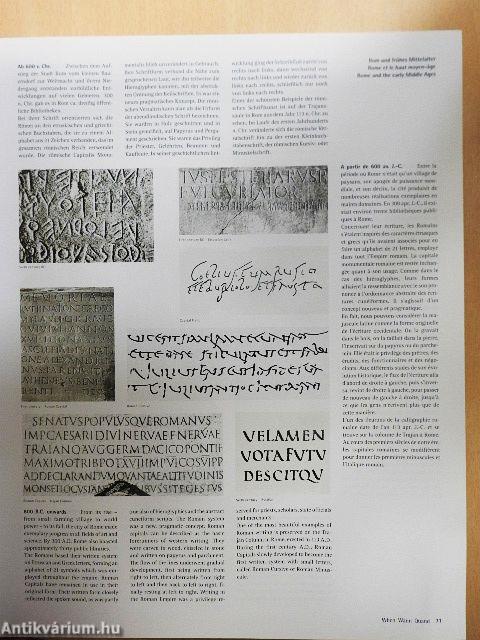
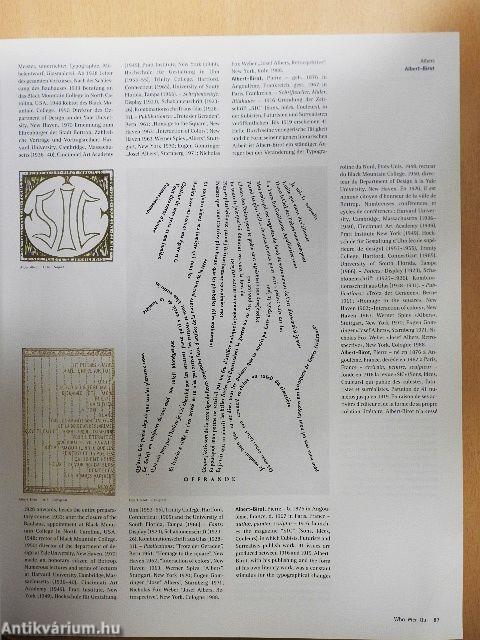
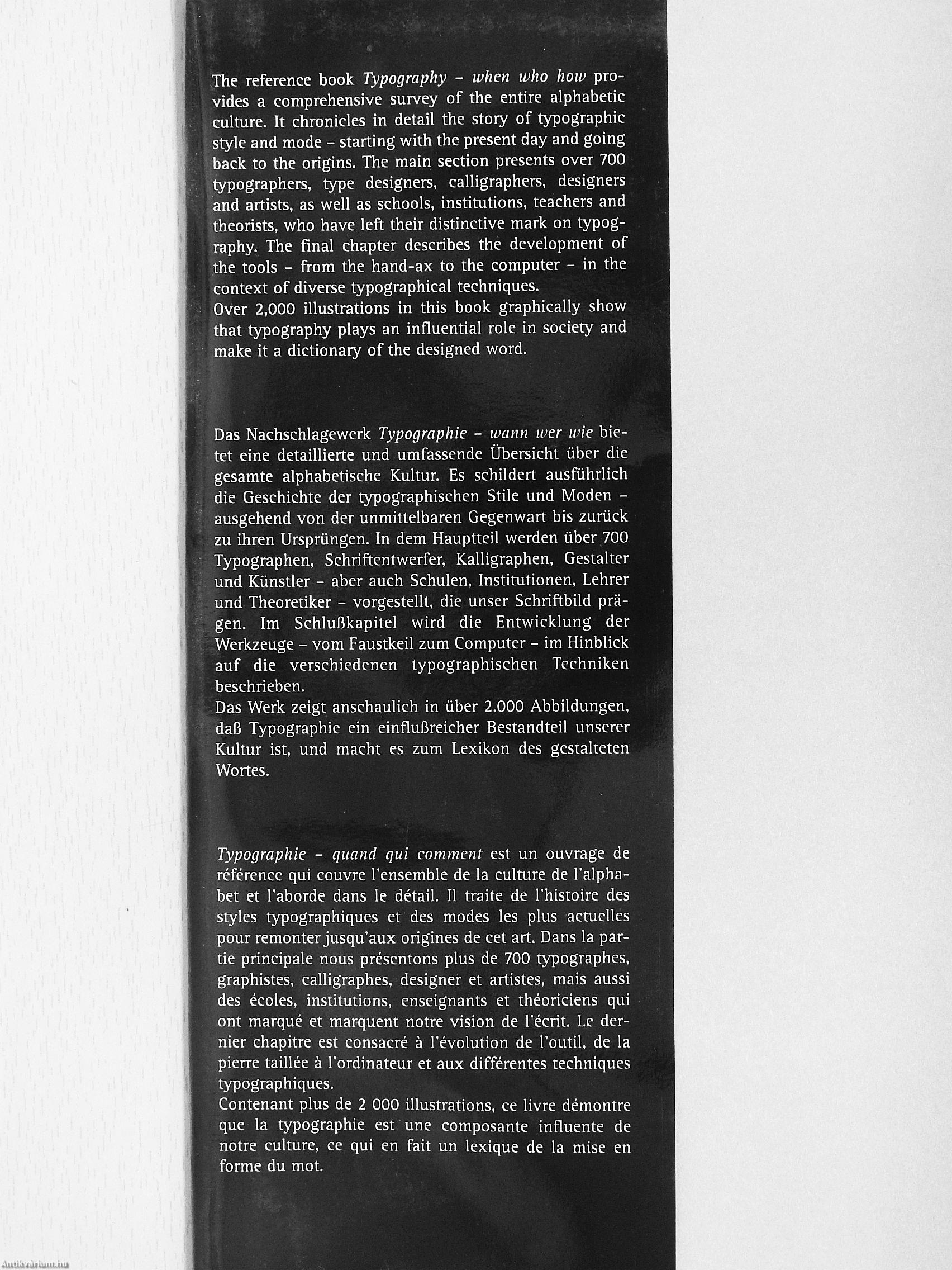
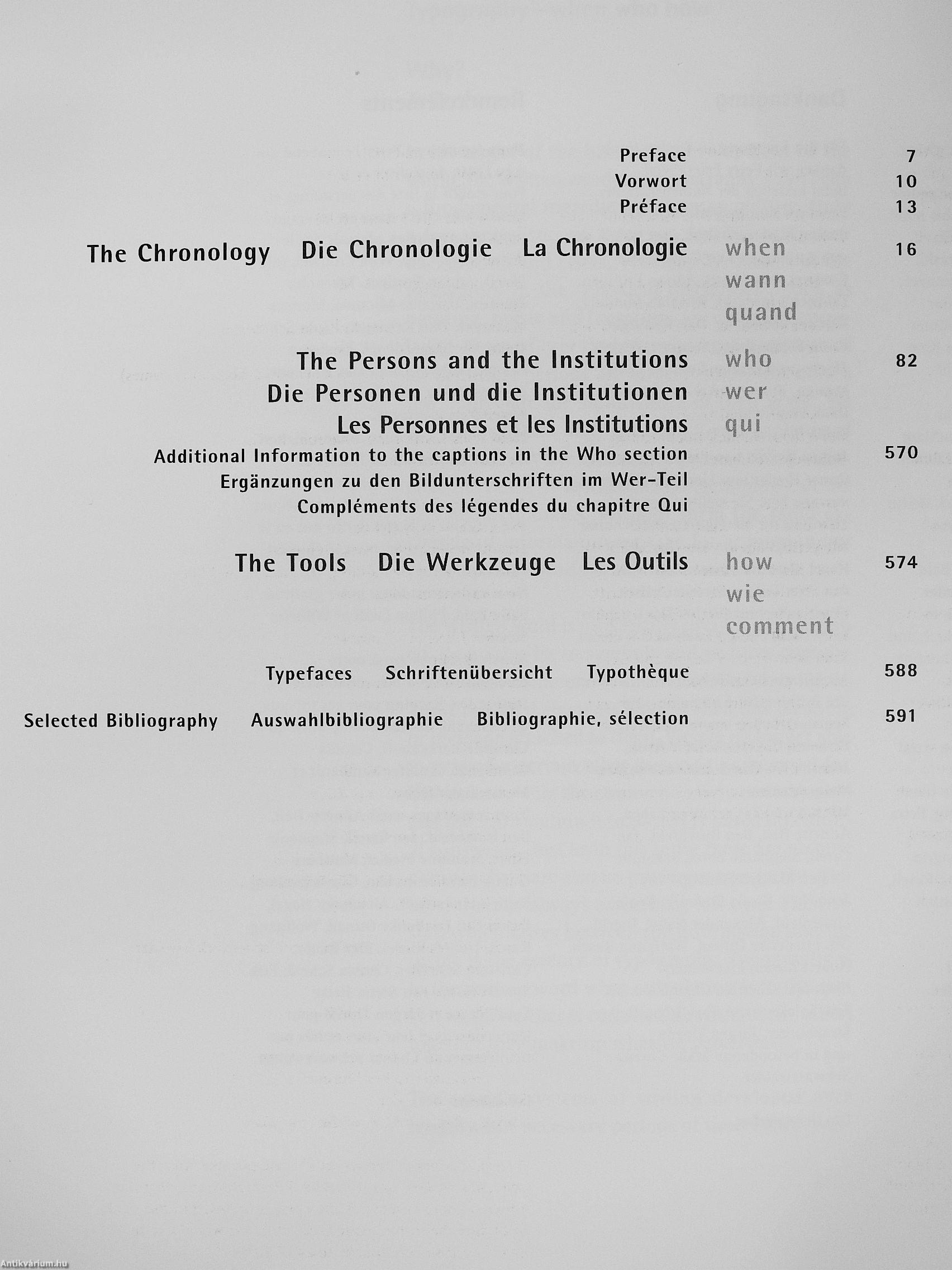
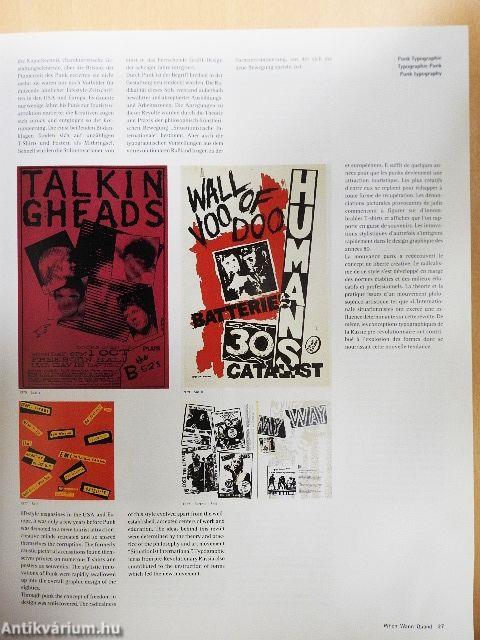
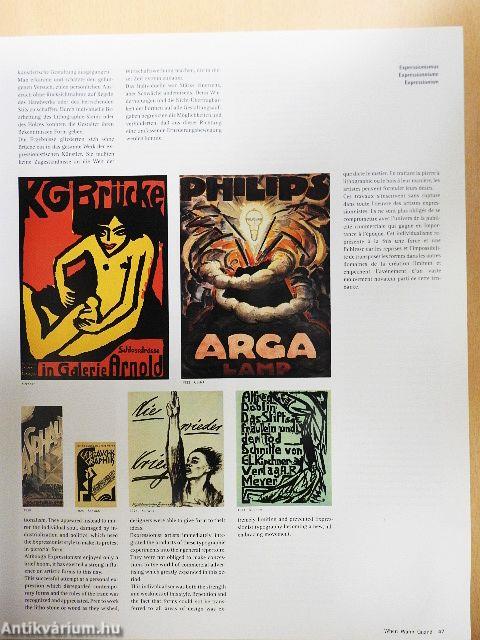
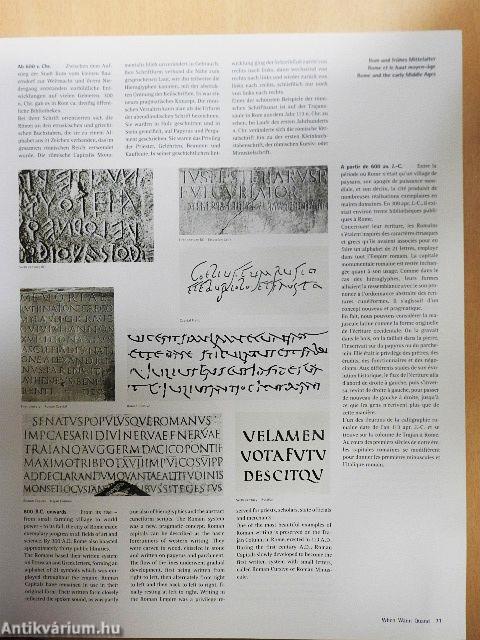
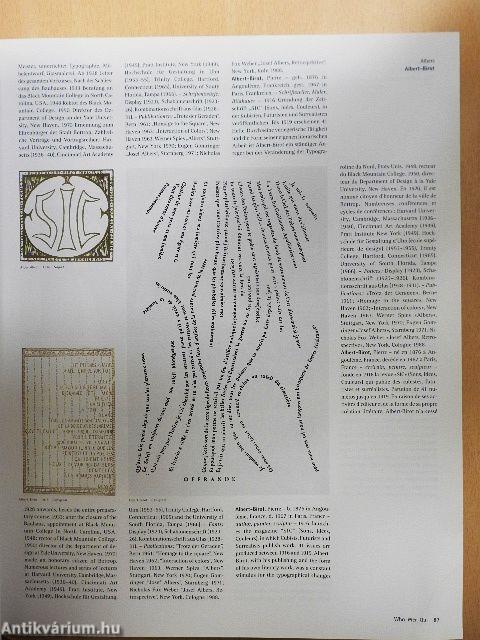
The reference book Typography - when who how provides a comprehensive survey of the entire alphabetic culture. It chronicles in detail the story of typographic style and mode - starting with the present day and going back to the origins. The main section presents over 700 typographers, type designers, calligraphers, designers and artists, as well as schools, institutions, teachers and theorists, who have left their distinctive mark on typography. The final chapter describes the development of the tools - from the hand-ax to the computer - in the context of diverse typographical techniques. Over 2,000 illustrations in this book graphically show that typography plays an influential role in society and make it a dictionary of the designed word.
Das Nachschlagewerk Typographie - wann !per wie bietet eine detaillierte und umfassende Übersicht über die gesamte alphabetische Kultur. Es schildert ausführilch die Geschichte der typographischen Stile und Moden -ausgehend von der... Tovább
Fülszöveg
The reference book Typography - when who how provides a comprehensive survey of the entire alphabetic culture. It chronicles in detail the story of typographic style and mode - starting with the present day and going back to the origins. The main section presents over 700 typographers, type designers, calligraphers, designers and artists, as well as schools, institutions, teachers and theorists, who have left their distinctive mark on typography. The final chapter describes the development of the tools - from the hand-ax to the computer - in the context of diverse typographical techniques. Over 2,000 illustrations in this book graphically show that typography plays an influential role in society and make it a dictionary of the designed word.
Das Nachschlagewerk Typographie - wann !per wie bietet eine detaillierte und umfassende Übersicht über die gesamte alphabetische Kultur. Es schildert ausführilch die Geschichte der typographischen Stile und Moden -ausgehend von der unmittelbaren Gegenwart bis zurück zu ihren Ursprüngen. In dem Hauptteil werden über 700 Typographen, Schriftentwerfer, Kalligraphen, Gestalter und Künstler - aber auch Schulen, Institutionen, Lehrer und Theoretiker - vorgestellt, die unser Schriftbild prägen. Im Schlußkapitel wird die Entwicklung der Werkzeuge - vom Faustkeil zum Computer - im Hinblick auf die verschiedenen typographischen Techniken beschrieben.
Das Werk zeigt anschaulich in über 2.000 Abbildungen, daß Typographie ein einflußreicher Bestandteil unserer Kultur ist, und macht es zum Lexikon des gestalteten Wortes.
Typographie - quand qui comment est un ouvrage de référence qui couvre l'ensemble de la culture de l'alphabet et l'aborde dans le détail. 11 traite de l'histoire des styles typographiques et des modes les plus actuelles pour remonter jusqu'aux origines de cet art. Dans la partie principale nous présentons plus de 700 typographes, graphistes, calligraphes, designer et artistes, mais aussi des écoles, institutions, enseignants et théoriciens qui ont marqué et marquent notre vision de l'écrit. Le dernier chapitre est consacré a l'évolution de l'outil, de la pierre taillée a l'ordinateur et aux différentes techniques typographiques.
Contenant plus de 2 000 illustrations, ce livre démontre que la typographie est une composante influente de notre culture, ce qui en fait un lexique de la mise en forme du mot. Vissza
Témakörök
Philipp Luidl
Philipp Luidl műveinek az Antikvarium.hu-n kapható vagy előjegyezhető listáját itt tekintheti meg: Philipp Luidl könyvek, művekMegvásárolható példányok
Nincs megvásárolható példány
A könyv összes megrendelhető példánya elfogyott. Ha kívánja, előjegyezheti a könyvet, és amint a könyv egy újabb példánya elérhető lesz, értesítjük.
 Folytatás Microsoft-tal