
1.149.937
kiadvánnyal nyújtjuk Magyarország legnagyobb antikvár könyv-kínálatát

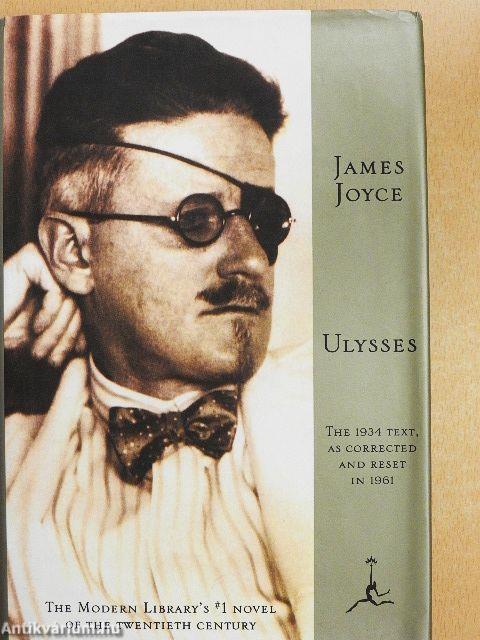
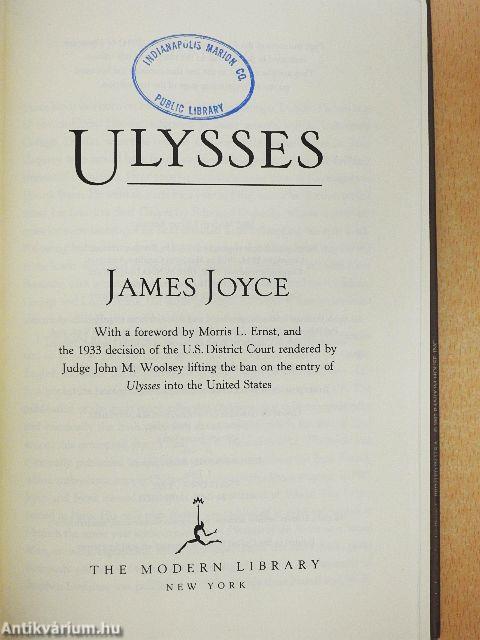
Ulysses
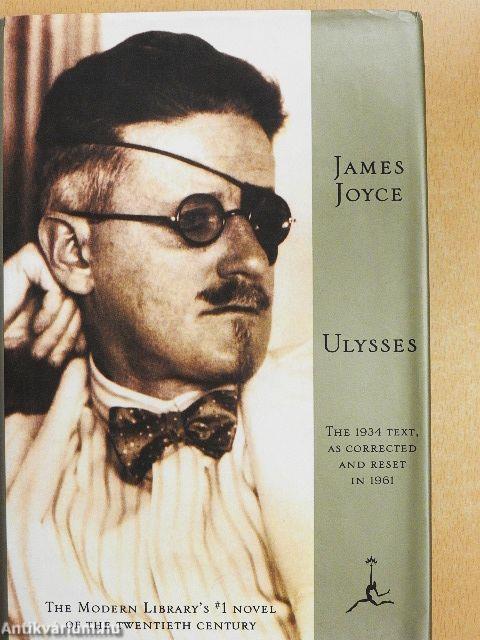
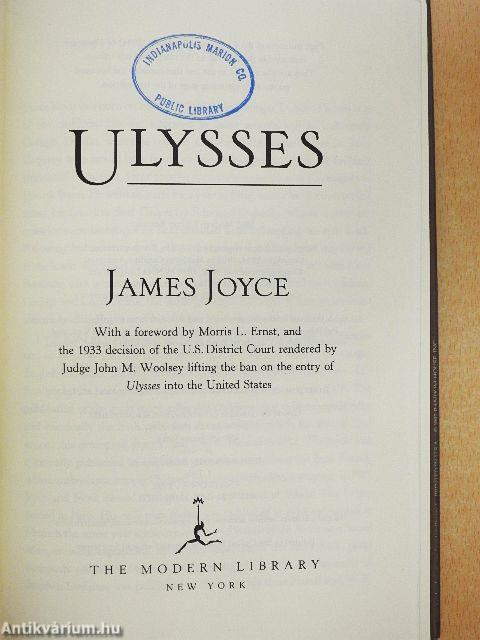
New York
| Kiadó: | The Modern Library |
|---|---|
| Kiadás helye: | New York |
| Kiadás éve: | |
| Kötés típusa: | Vászon |
| Oldalszám: | 783 oldal |
| Sorozatcím: | |
| Kötetszám: | |
| Nyelv: | Angol |
| Méret: | 21 cm x 14 cm |
| ISBN: | 0-679-60011-6 |
Értesítőt kérek a kiadóról
A beállítást mentettük,
naponta értesítjük a beérkező friss
kiadványokról
naponta értesítjük a beérkező friss
kiadványokról
A beállítást mentettük,
naponta értesítjük a beérkező friss
kiadványokról
naponta értesítjük a beérkező friss
kiadványokról
Előszó
Tovább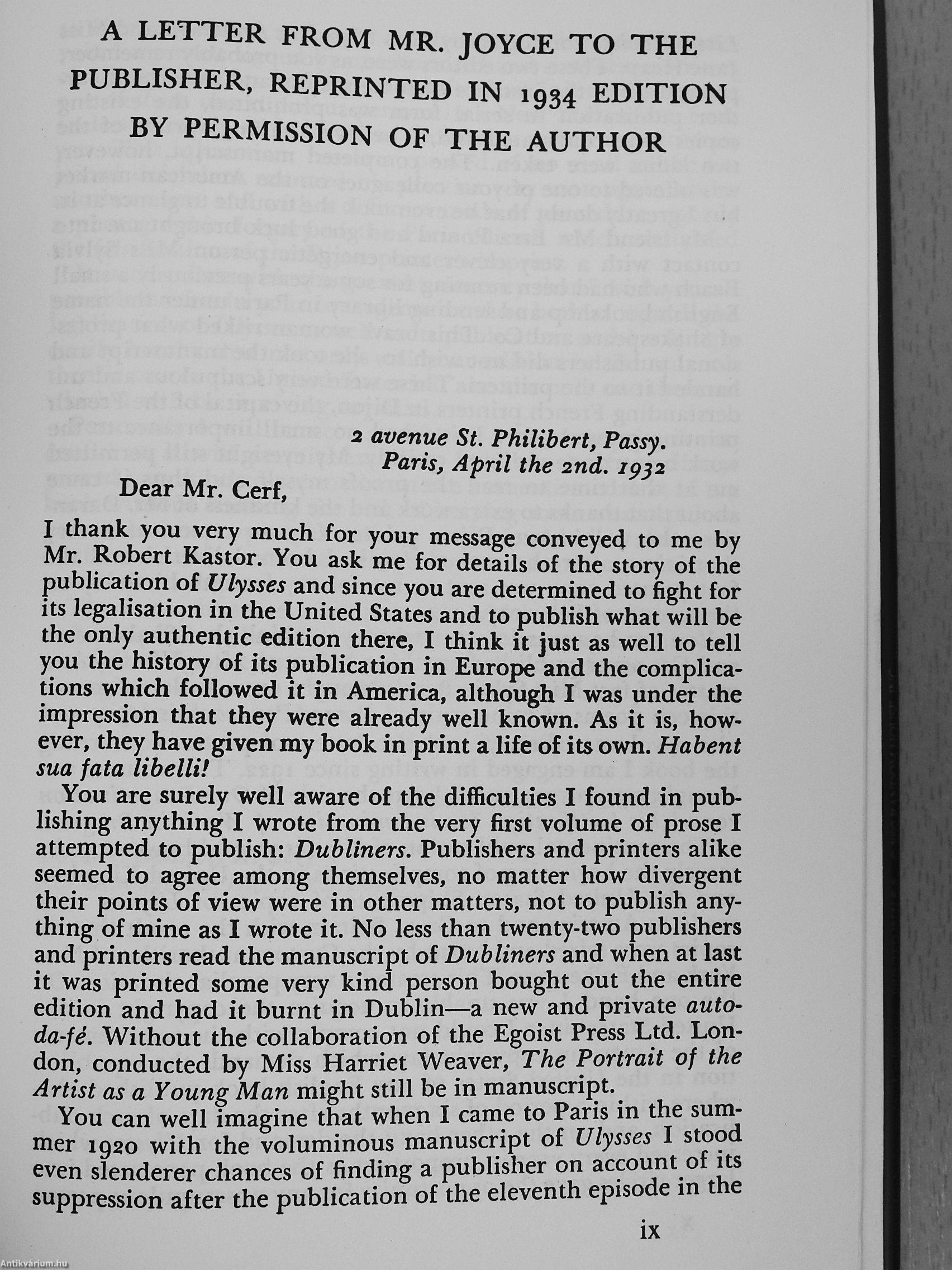
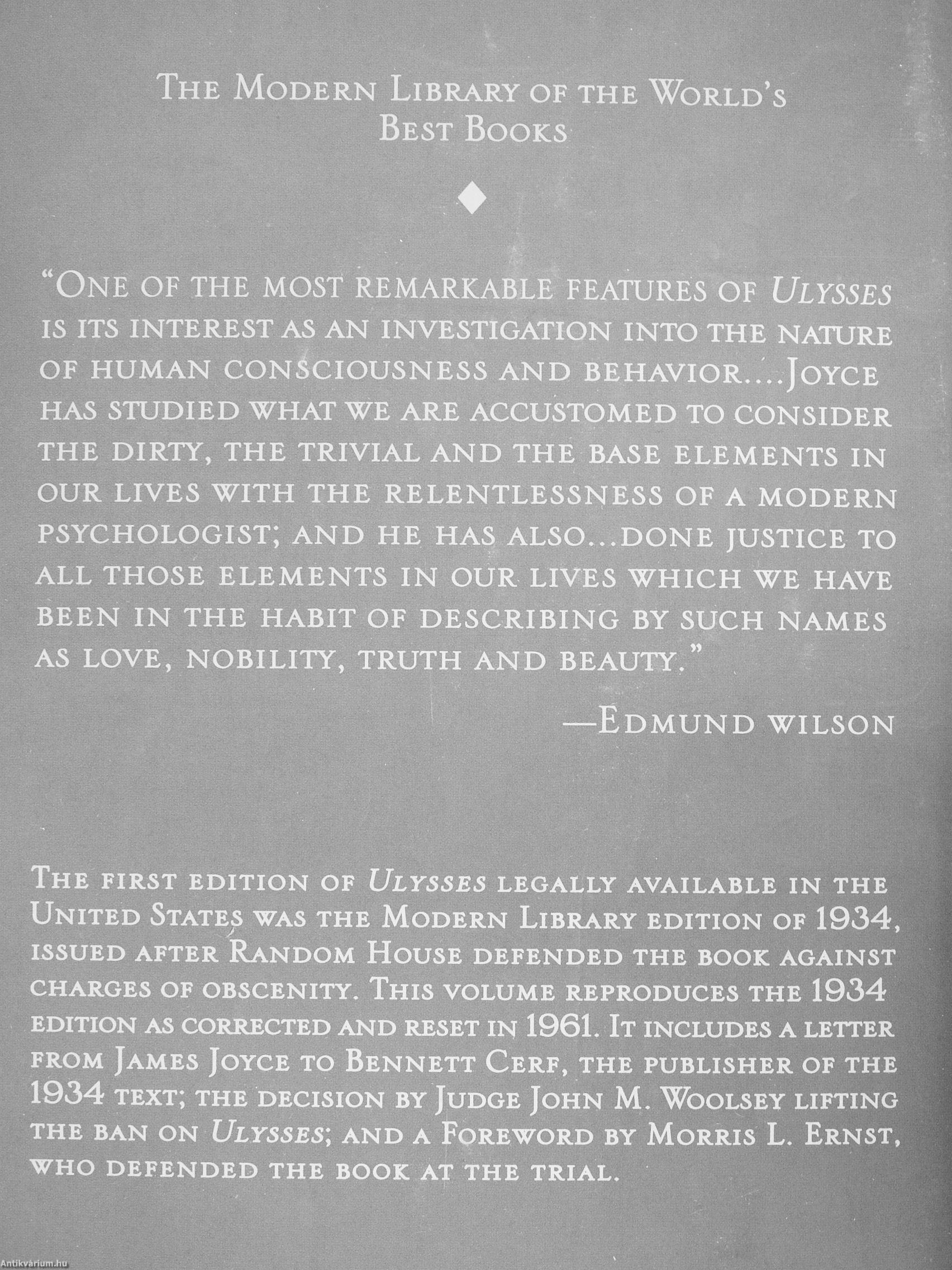
Fülszöveg
The Modern Library of the World's Best Books
"One of the most remarkable features of Ulysses
is its interest as an investigation into the nature of human consciousness and behavior joyce has studied what we are accustomed to consider the dirty, the trivial and the base elements in our lives with the relentlessness of a modern
psychologist; and he has also done justice to
all those elements in our lives which we have been in the habit of describing by such names as love, nobility, truth and beauty."
—Edmund wilson
The first edition of Ulysses legally available in the United States was the Modern Library edition of 1934,
issued after Random House defended the book against charges of obscenity. This volume reproduces the 1934 edition as corrected and reset in 1961. It includes a letter
from James Joyce to Bennett Cerf, the publisher of the 1934 text; the decision by Judge John M. Woolsey lifting the ban on Ulysses-, and a Foreword by Morris L. Ernst, who defended the book at... Tovább
Fülszöveg
The Modern Library of the World's Best Books
"One of the most remarkable features of Ulysses
is its interest as an investigation into the nature of human consciousness and behavior joyce has studied what we are accustomed to consider the dirty, the trivial and the base elements in our lives with the relentlessness of a modern
psychologist; and he has also done justice to
all those elements in our lives which we have been in the habit of describing by such names as love, nobility, truth and beauty."
—Edmund wilson
The first edition of Ulysses legally available in the United States was the Modern Library edition of 1934,
issued after Random House defended the book against charges of obscenity. This volume reproduces the 1934 edition as corrected and reset in 1961. It includes a letter
from James Joyce to Bennett Cerf, the publisher of the 1934 text; the decision by Judge John M. Woolsey lifting the ban on Ulysses-, and a Foreword by Morris L. Ernst, who defended the book at the trial.
/
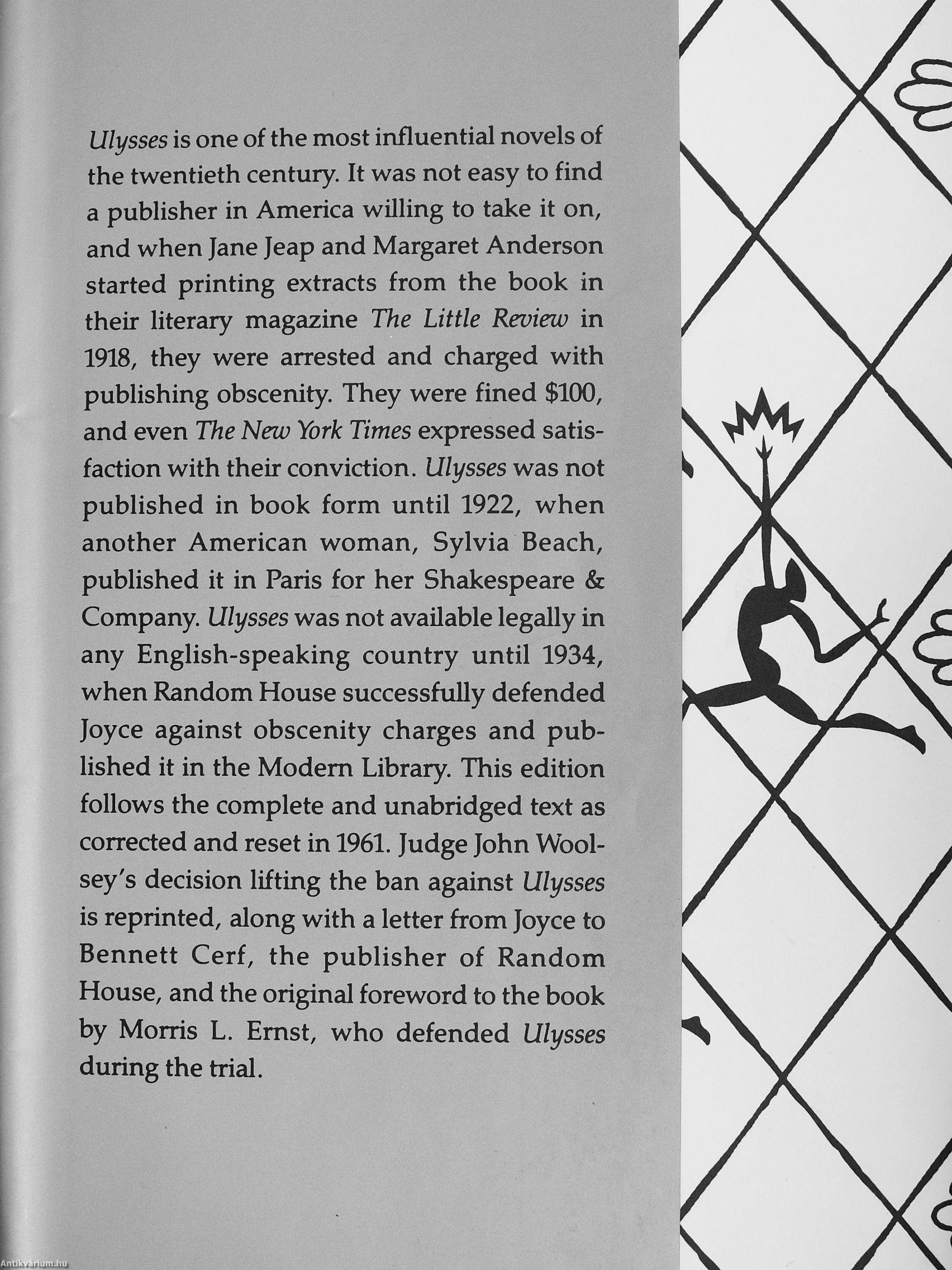
Ulysses is one of the most influential novels of the twentieth century. It was not easy to find a publisher in America willing to take it on, and when Jane Jeap and Margaret Anderson started printing extracts from the book in their literary magazine The Little Review in 1918, they were arrested and charged with publishing obscenity. They were fined $100, and even The New York Times expressed satisfaction with their conviction. Ulysses was not published in book form until 1922, when another American woman, Sylvia Beach, published it in Paris for her Shakespeare & Company. Ulysses was not available legally in any English-speaking country until 1934, when Random House successfully defended Joyce against obscenity charges and published it in the Modem Library. This edition follows the complete and unabridged text as corrected and reset in 1961. Judge John Wool-sey's decision lifting the ban against Ulysses is reprinted, along with a letter from Joyce to Bennett Cerf, the publisher of Random House, and the original foreword to the book by Morris L. Ernst, who defended Ulysses during the trial.
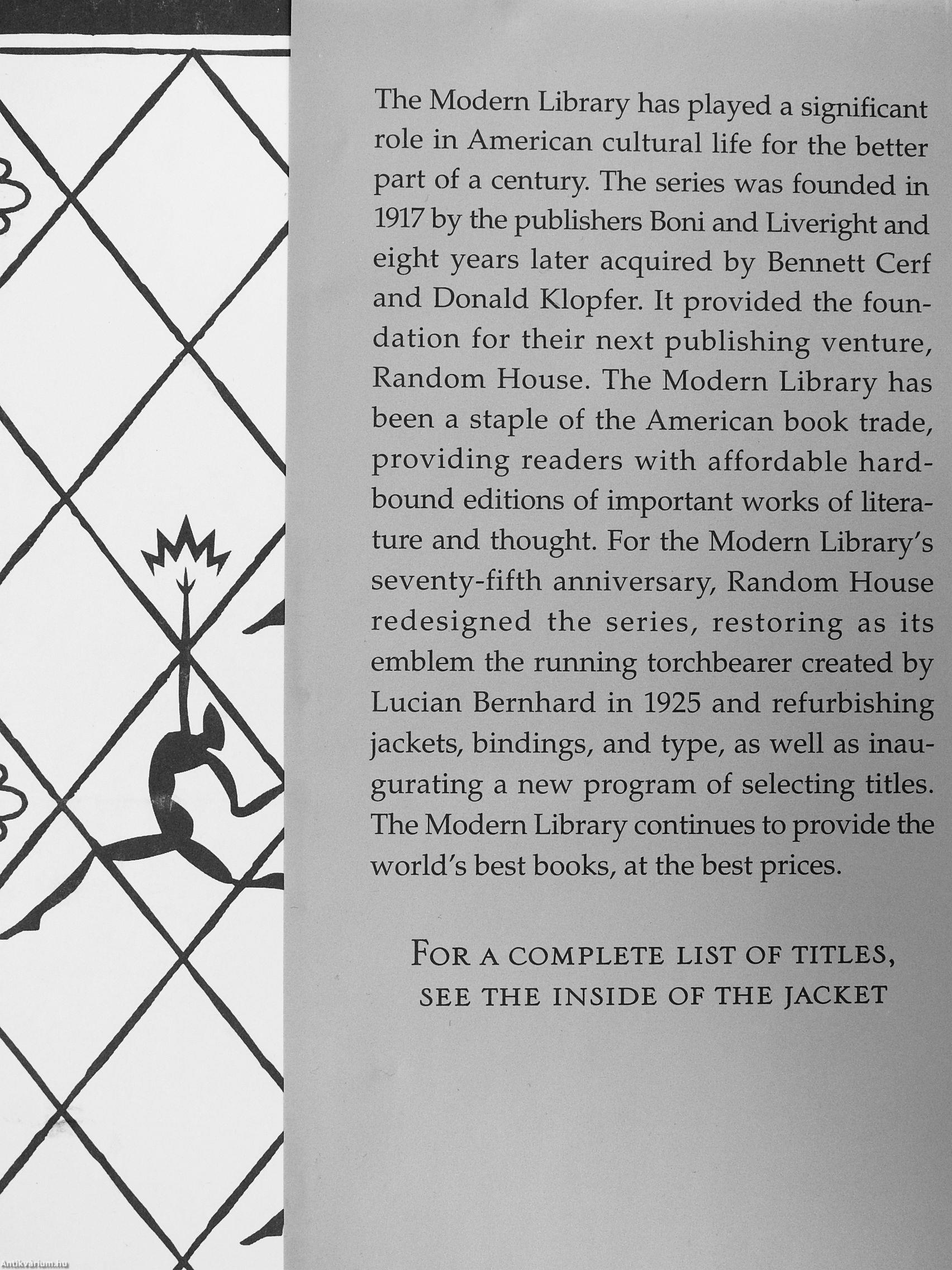
The Modern Library has played a significant role in American cultural life for the better part of a century. The series was founded in 1917 by the publishers Boni and Liveright and eight years later acquired by Bennett Cerf and Donald Klopfer. It provided the foundation for their next publishing venture. Random House. The Modern Library has been a staple of the American book trade, providing readers with affordable hardbound editions of important works of literature and thought. For the Modern Library's seventy-fifth anniversary. Random House redesigned the series, restoring as its emblem the running torchbearer created by Lucian Bernhard in 1925 and refurbishing jackets, bindings, and type, as well as inaugurating a new program of selecting titles. The Modern Library continues to provide the world's best books, at the best prices.
For a complete list of titles, see the inside of the jacket Vissza
Témakörök
- Idegennyelv > Idegennyelvű könyvek > Angol > Szépirodalom > Regény, novella, elbeszélés
- Szépirodalom > Regény, novella, elbeszélés > Az író származása szerint > Európa > Írország
- Szépirodalom > Regény, novella, elbeszélés > Tartalom szerint > Filozófikus regények
- Szépirodalom > Regény, novella, elbeszélés > Tartalom szerint > Filmregények
- Szépirodalom > Regény, novella, elbeszélés > Tartalom szerint > Kor- és társadalomrajz
James Joyce
James Joyce műveinek az Antikvarium.hu-n kapható vagy előjegyezhető listáját itt tekintheti meg: James Joyce könyvek, művekMegvásárolható példányok
Nincs megvásárolható példány
A könyv összes megrendelhető példánya elfogyott. Ha kívánja, előjegyezheti a könyvet, és amint a könyv egy újabb példánya elérhető lesz, értesítjük.
 Folytatás Microsoft-tal