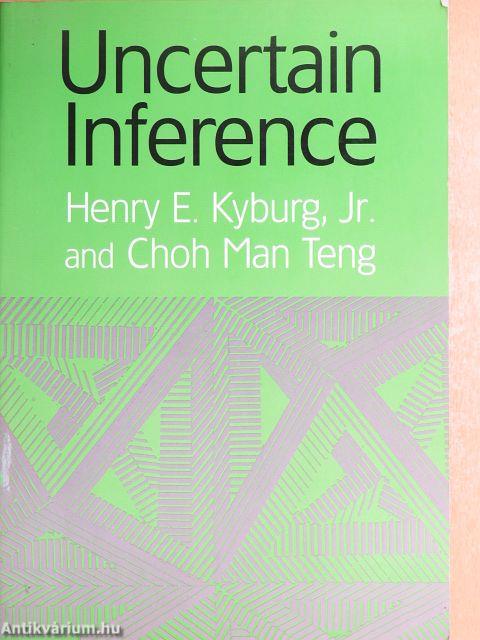
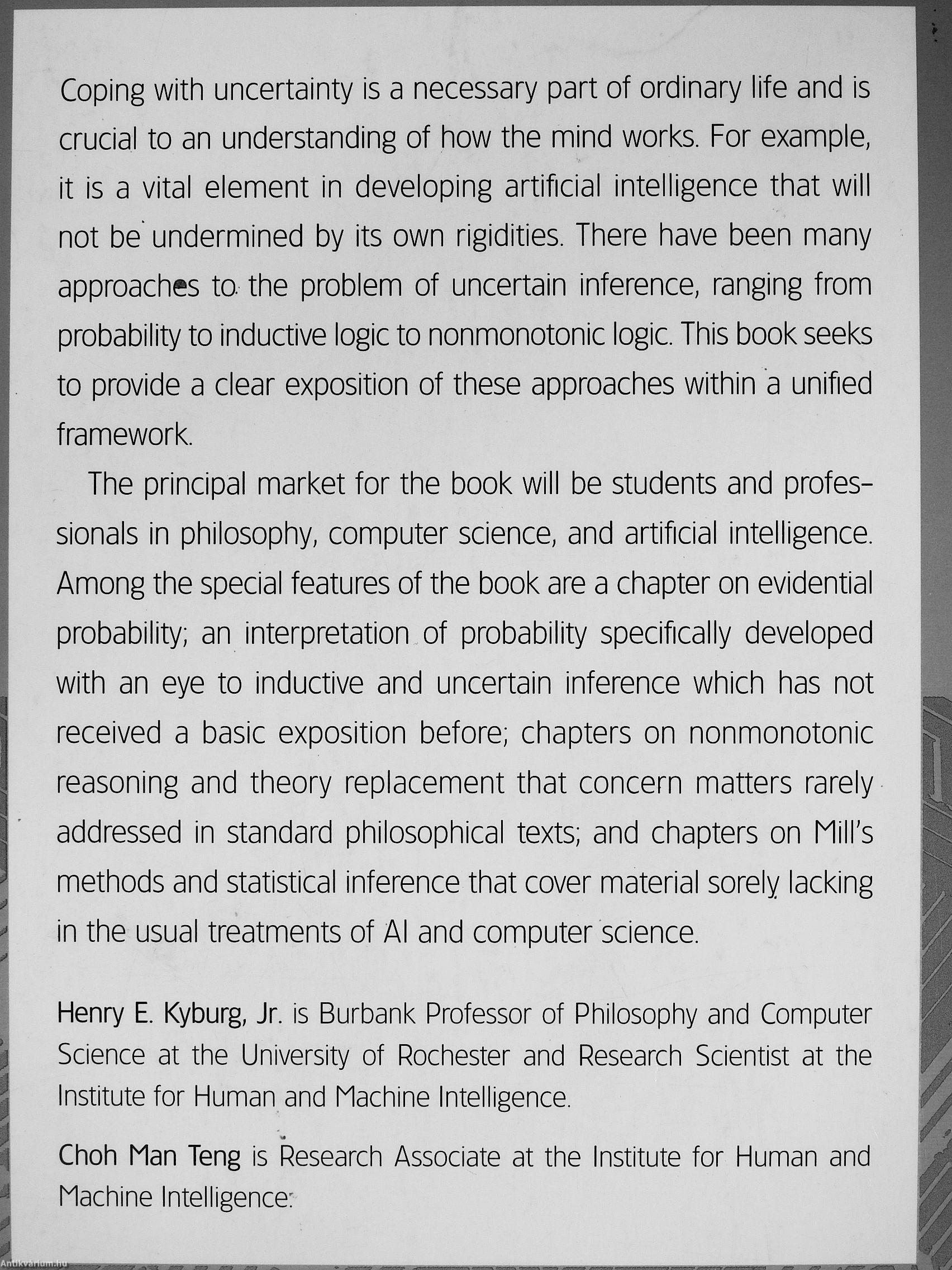
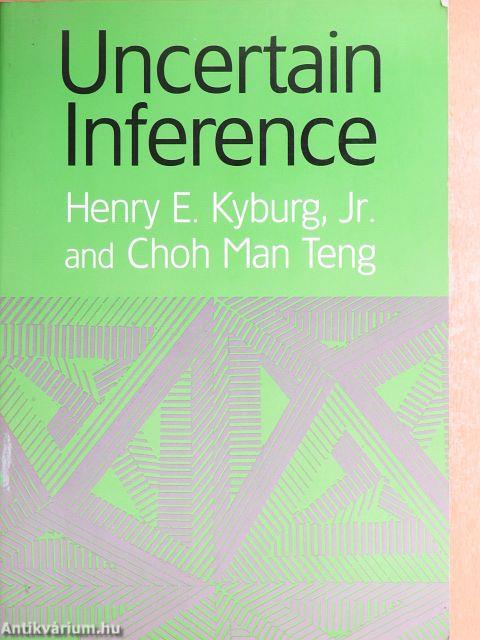
Coping with uncertainty is a necessary part of ordinary life and is crucial to an understanding of how the mind works. For example, it is a vital element in developing artificial intelligence that will not be undermined by its own rigidities. There have been many approaches to. the problem of uncertain inference, ranging from probability to inductive logic to nonmonotonic logic. This book seeks to provide a clear exposition of these approaches within a unified framework.
The principal market for the book will be students and professionals in philosophy, computer science, and artificial intelligence. Among the special features of the book are a chapter on evidential probability; an interpretation of probability specifically developed with an eye to inductive and uncertain inference which has not received a basic exposition before; chapters on nonmonotonic reasoning and theory replacement that concern matters rarely addressed in standard philosophical texts; and chapters on Mill's...
Tovább
Fülszöveg
Coping with uncertainty is a necessary part of ordinary life and is crucial to an understanding of how the mind works. For example, it is a vital element in developing artificial intelligence that will not be undermined by its own rigidities. There have been many approaches to. the problem of uncertain inference, ranging from probability to inductive logic to nonmonotonic logic. This book seeks to provide a clear exposition of these approaches within a unified framework.
The principal market for the book will be students and professionals in philosophy, computer science, and artificial intelligence. Among the special features of the book are a chapter on evidential probability; an interpretation of probability specifically developed with an eye to inductive and uncertain inference which has not received a basic exposition before; chapters on nonmonotonic reasoning and theory replacement that concern matters rarely addressed in standard philosophical texts; and chapters on Mill's methods and statistical inference that cover material sorely lacking in the usual treatments of Al and computer science.
Henry E. Kyburg, Jr. is Burbank Professor of Philosophy and Computer Science at the University of Rochester and Research Scientist at the Institute for Human and Machine Intelligence.
Choh Man Teng is Research Associate at the Institute for Human and Machine Intelligence:
Vissza
Google, Facebook, Apple, Microsoft fiókkal való belépés/regisztráció eseténautomatikusan elfogadja az Általános Szerződési Feltételeket.
Elfelejtett jelszó
Kérjük, adja meg azonosítóját, és a hozzá tartozó email címet, hogy jelszavát elküldhessük Önnek!
A *-gal jelölt mezők kitöltése kötelező!
Azonosító név/E-mail cím* Azonosító és e-mail cím megegyező
E-mail cím*
(2009 március óta a regisztrált ügyfelek azonosító neve megegyezik az email címmel)
Ha az azonosítóját sem tudja megadni, kérjük, hívja az ügyfélszolgálati vonalat:
+36-62-452-833
1
2
3
Regisztráció
Regisztráció
Regisztrációja sikeresen megtörtént.
Megadott e-mail címére megerősítő e-mailt küldtünk. Ahhoz, hogy a regisztrációja véglegesedjen, és le tudja adni rendeléseit, kérjük, kattintson a levélben található linkre. A megerősítő link a kiküldéstől számított 48 óráig érvényes, ezután a regisztrációs adatok törlésre kerülnek.
Kérjük, jelölje meg az érdeklődési körébe tartozó témaköröket!
Regisztráció
Az ön által megjelölt témakörök:
Temakor_1
Beállíthatja, hogy emailben értesítőt kapjon az újonnan beérkezett példányokról a bejelölt témaköröknek megfelelően.
Beállított értesítőit belépés után bármikor módosíthatja az Értesítő menüpont alatt:
létrehozhat új témaköri értesítőt
inaktiválhatja értesítőjét, ha éppen nem kíván a megadott témában értesítőt kapni
törölheti véglegesen az adott értesítőjét
szerkesztheti jelenlegi értesítőjét, ha még részletesebben szeretné megadni mi érdekli.
Az Ön választása alapján naponta vagy 3 naponta kap tőlünk emailt a beállított értesítőjéről.



 Folytatás Microsoft-tal