
1.136.737
kiadvánnyal nyújtjuk Magyarország legnagyobb antikvár könyv-kínálatát

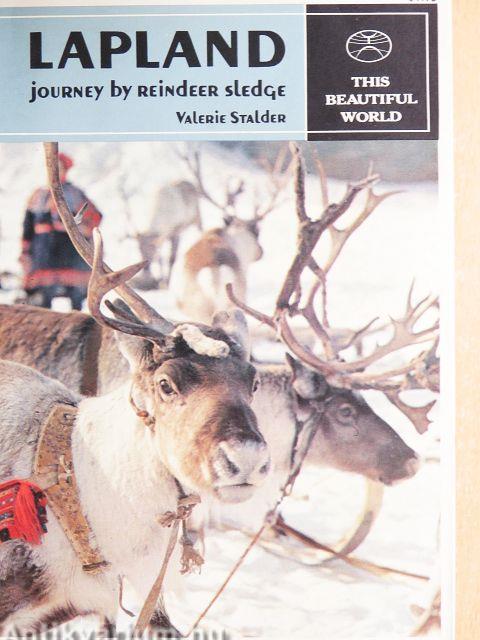
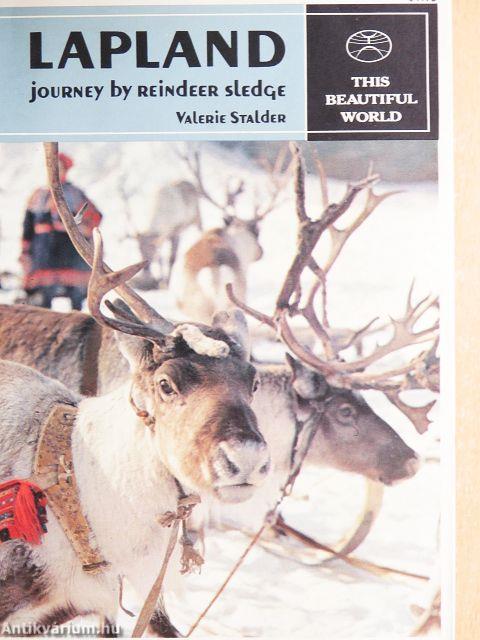
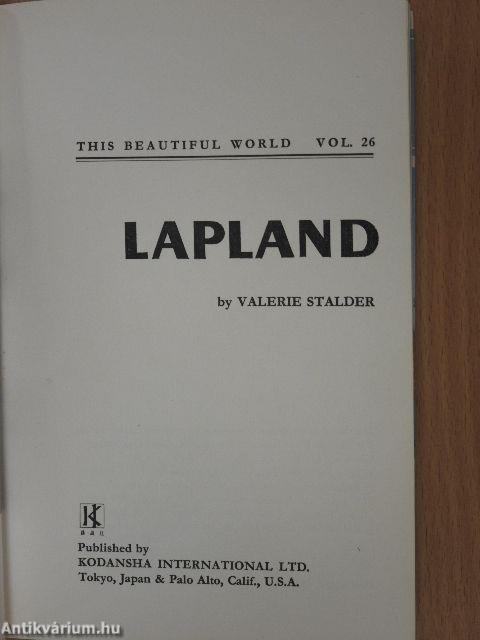
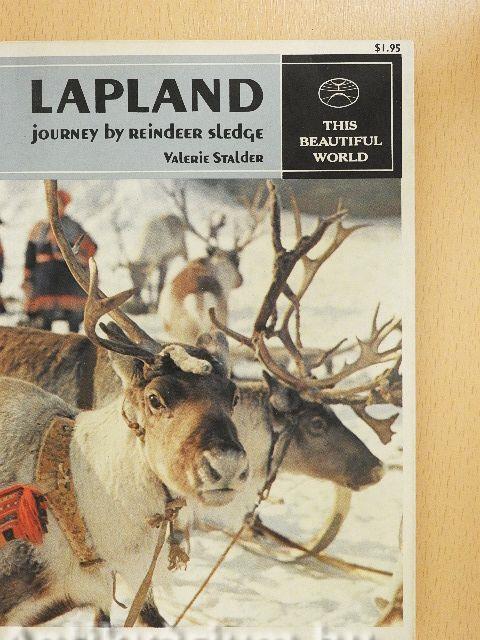
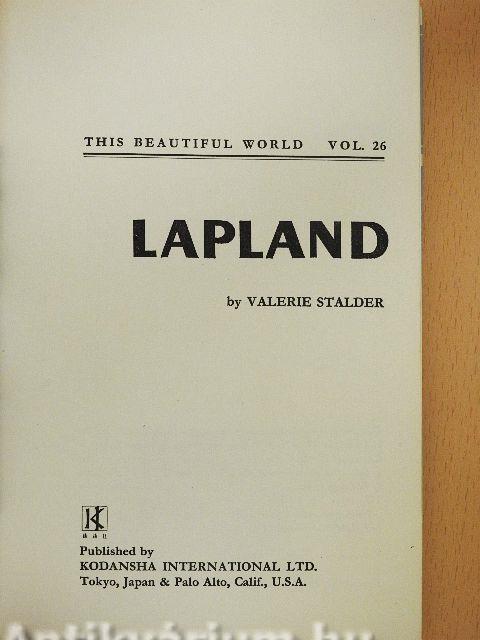
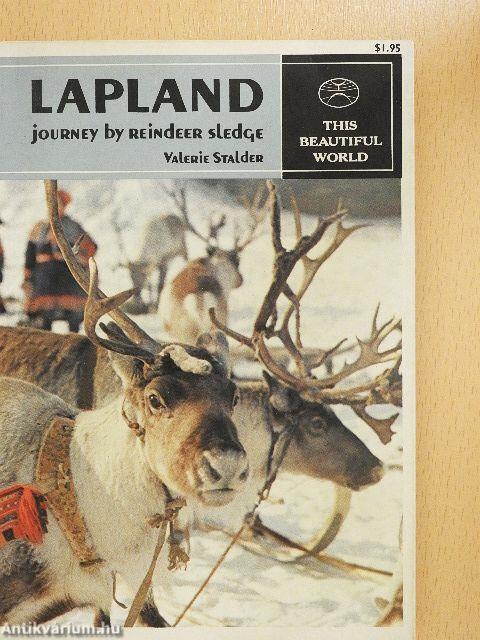
Lapland
Journey by Reindeer Sledge
Tokió-Palo Alto
| Kiadó: | Kodansha International Ltd. |
|---|---|
| Kiadás helye: | Tokió-Palo Alto |
| Kiadás éve: | |
| Kötés típusa: | Varrott papírkötés |
| Oldalszám: | 134 oldal |
| Sorozatcím: | This Beautiful World |
| Kötetszám: | 26 |
| Nyelv: | Angol |
| Méret: | 18 cm x 13 cm |
| ISBN: | |
| Megjegyzés: | Színes fotókkal. |
Értesítőt kérek a kiadóról
Értesítőt kérek a sorozatról
A beállítást mentettük,
naponta értesítjük a beérkező friss
kiadványokról
naponta értesítjük a beérkező friss
kiadványokról
A beállítást mentettük,
naponta értesítjük a beérkező friss
kiadványokról
naponta értesítjük a beérkező friss
kiadványokról
Előszó
Tovább
Fülszöveg
The symbol that distinguishes this series of books is a stylization of the Chinese character for beauty, the theme that underlies each volume in This Beautiful World. Excellent full-color photographs accompany an authoritative yet easily readable text; each book will open up new, fascinating horizons to the armchair or seasoned traveler as well as the general reader. The titles on the back flap are just a sample of the peoples, places, and arts encompassed.
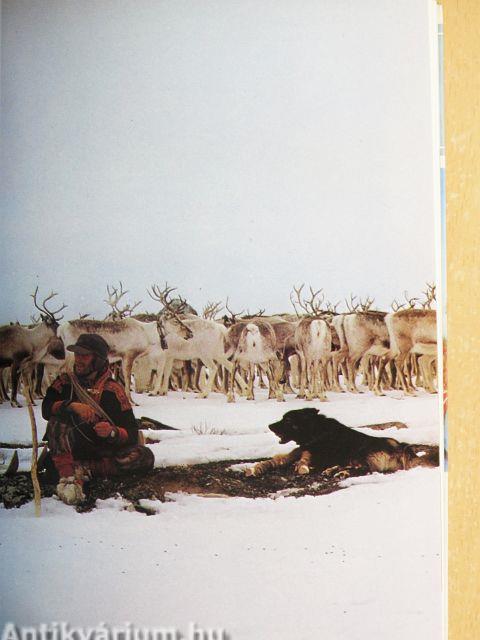
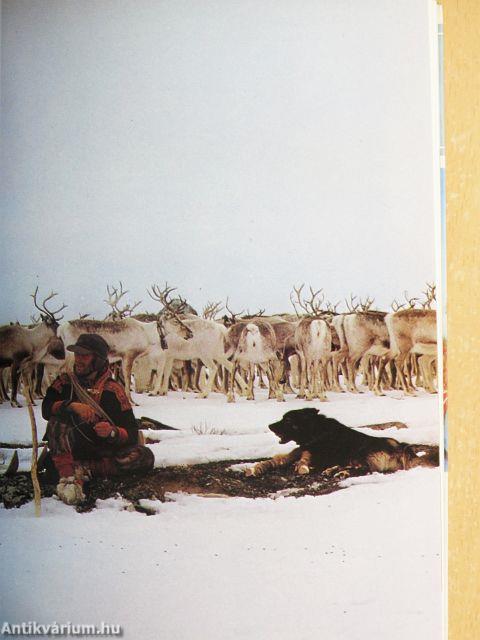
Where did the Lapps come from ? Who, indeed, are they? Lapland itself is vast, stretching across the northern half of Scandinavia and into Russia. For much of the year it is a stern and frozen wilderness. And from somewhere beyond have come the Lapps—and their reindeer.
This book is an account of the author's trip by reindeer sledge through a remote corner of Lapland. Drawing on her extensive knowledge of Lapp ways of life, Mrs. Stalder has skillfully blended into the scenes unfolding around her a record of what we know about... Tovább
Fülszöveg
The symbol that distinguishes this series of books is a stylization of the Chinese character for beauty, the theme that underlies each volume in This Beautiful World. Excellent full-color photographs accompany an authoritative yet easily readable text; each book will open up new, fascinating horizons to the armchair or seasoned traveler as well as the general reader. The titles on the back flap are just a sample of the peoples, places, and arts encompassed.
Where did the Lapps come from ? Who, indeed, are they? Lapland itself is vast, stretching across the northern half of Scandinavia and into Russia. For much of the year it is a stern and frozen wilderness. And from somewhere beyond have come the Lapps—and their reindeer.
This book is an account of the author's trip by reindeer sledge through a remote corner of Lapland. Drawing on her extensive knowledge of Lapp ways of life, Mrs. Stalder has skillfully blended into the scenes unfolding around her a record of what we know about the origins and history of the modern descendants of Europe's ancient nomadic tribes. She shows how the Lapps have met the challenges of this region by adapting its meager resources for their survival, how their customs and beliefs have shaped from within a life-style dictated by the rigors of life in the far north.
Inevitably, many of the old ways are being abandoned as intermarriage with Scandinavians, modernization and mechanization make themselves felt in Lapland. The village at the end of the author's trip is clearly marked by these changes.
e 26 7 -y 7 > k
The Author: Valerie Stalder is a professional photojournalist. Her photographs have won prizes in many photo competitions, including a special award in the New York Worlds Fair of 1964. She is a regular contributor to a score of European periodicals. Between her frequent trips abroad, Mrs. Stalder makes her home near Oslo, Norway.
THIS BEAUTIFUL WORLD
The Himalayas San Francisco
Palaces of Kyoto Bali
Peking Spain
Gods of Kumano Mexico
Moscow Imperial Villas
Michelangelo of Kyoto
Afghanistan Journey Through
Hawaii Africa
Seoul California
Goya The Grand Canyon
The Alps Mongolia
Vienna Angkor Wat
African Animals Hong Kong
Thailand The Greek Islands
Yosemite
Books in preparation:
New Guinea Istanbul
Central Andes Marketplaces of
Burma the World
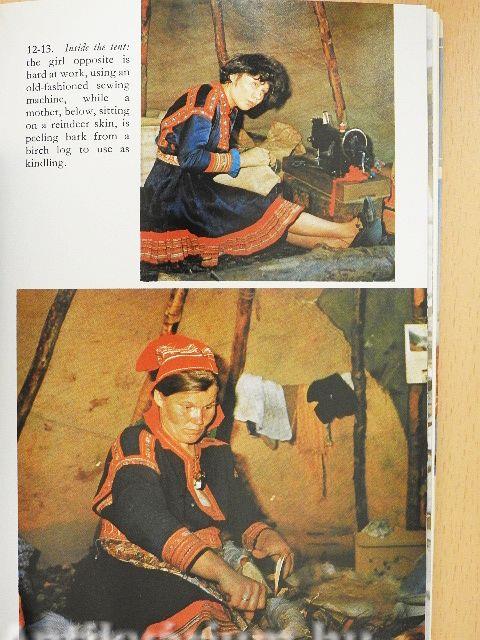
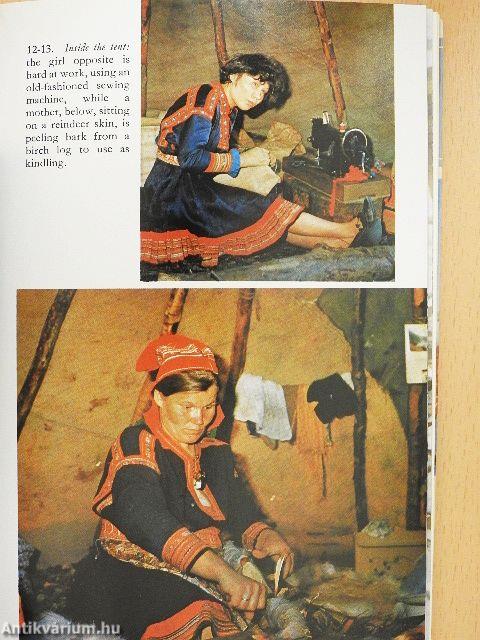
indispensible to the Lapp way of life; back: A healthy Laplander, in her tribal costume.
Jacket design by M. Kuwata Printed in Japan Vissza
Témakörök
- Idegennyelv > Idegennyelvű könyvek > Angol > Művészetek > Fotóművészet
- Idegennyelv > Idegennyelvű könyvek > Angol > Művelődéstörténet
- Idegennyelv > Idegennyelvű könyvek > Angol > Helytörténet
- Művelődéstörténet > Civilizációtörténet > Európai
- Helytörténet > Külföldi > Egyéb
- Művészetek > Fotóművészet > Albumok > Tematikus
- Művészetek > Fotóművészet > Idegen nyelv > Angol
- Művészetek > Fotóművészet > Témái > Egyéb
Valerie Stalder
Valerie Stalder műveinek az Antikvarium.hu-n kapható vagy előjegyezhető listáját itt tekintheti meg: Valerie Stalder könyvek, művekMegvásárolható példányok
Állapotfotók
Jó állapotú példány.
Állapot:
Jó
3.240 ,-Ft
16
pont kapható
Kosárba
 Folytatás Microsoft-tal