
1.119.492
kiadvánnyal nyújtjuk Magyarország legnagyobb antikvár könyv-kínálatát

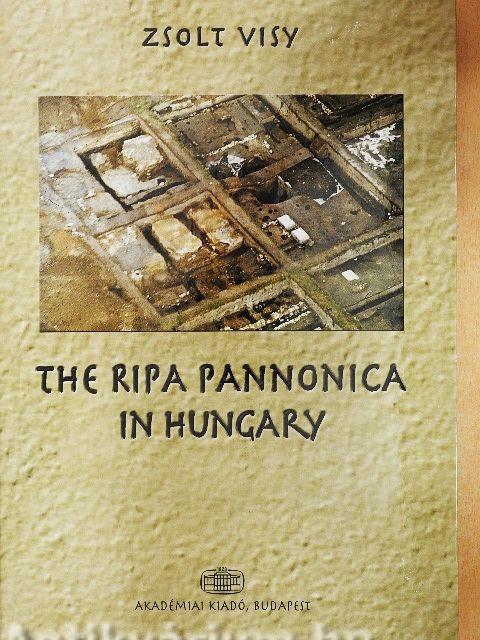
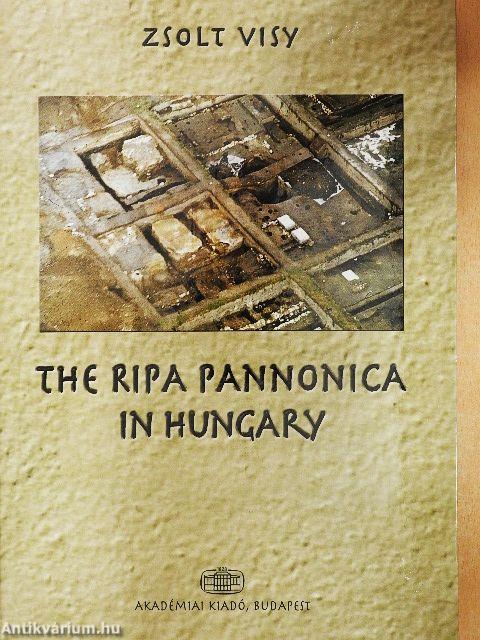
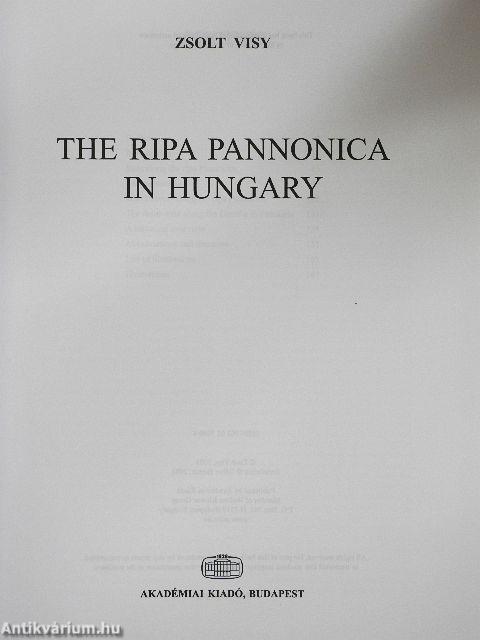
The Ripa Pannonica in Hungary

Budapest
| Kiadó: | Akadémiai Kiadó |
|---|---|
| Kiadás helye: | Budapest |
| Kiadás éve: | |
| Kötés típusa: | Fűzött kemény papírkötés |
| Oldalszám: | 341 oldal |
| Sorozatcím: | |
| Kötetszám: | |
| Nyelv: | Angol |
| Méret: | 29 cm x 21 cm |
| ISBN: | 963-05-7980-4 |
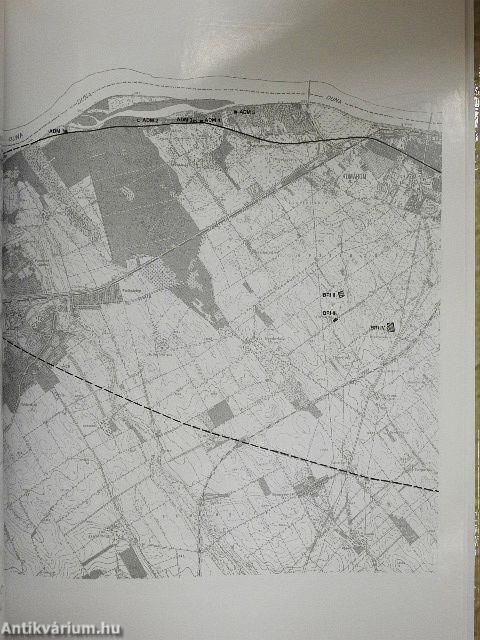
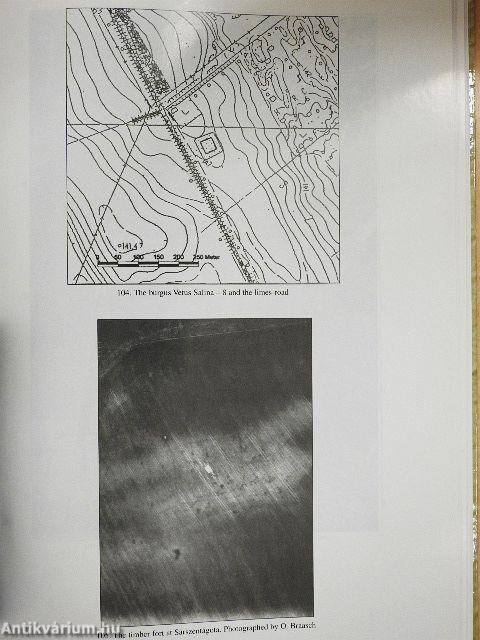
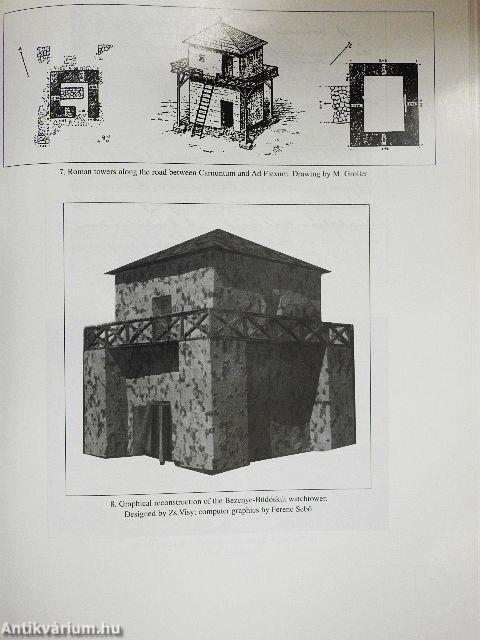
| Megjegyzés: | Fekete-fehér fotókkal, térképekkel, illusztrációkkal. |
Értesítőt kérek a kiadóról
A beállítást mentettük,
naponta értesítjük a beérkező friss
kiadványokról
naponta értesítjük a beérkező friss
kiadványokról
A beállítást mentettük,
naponta értesítjük a beérkező friss
kiadványokról
naponta értesítjük a beérkező friss
kiadványokról
Előszó
Tovább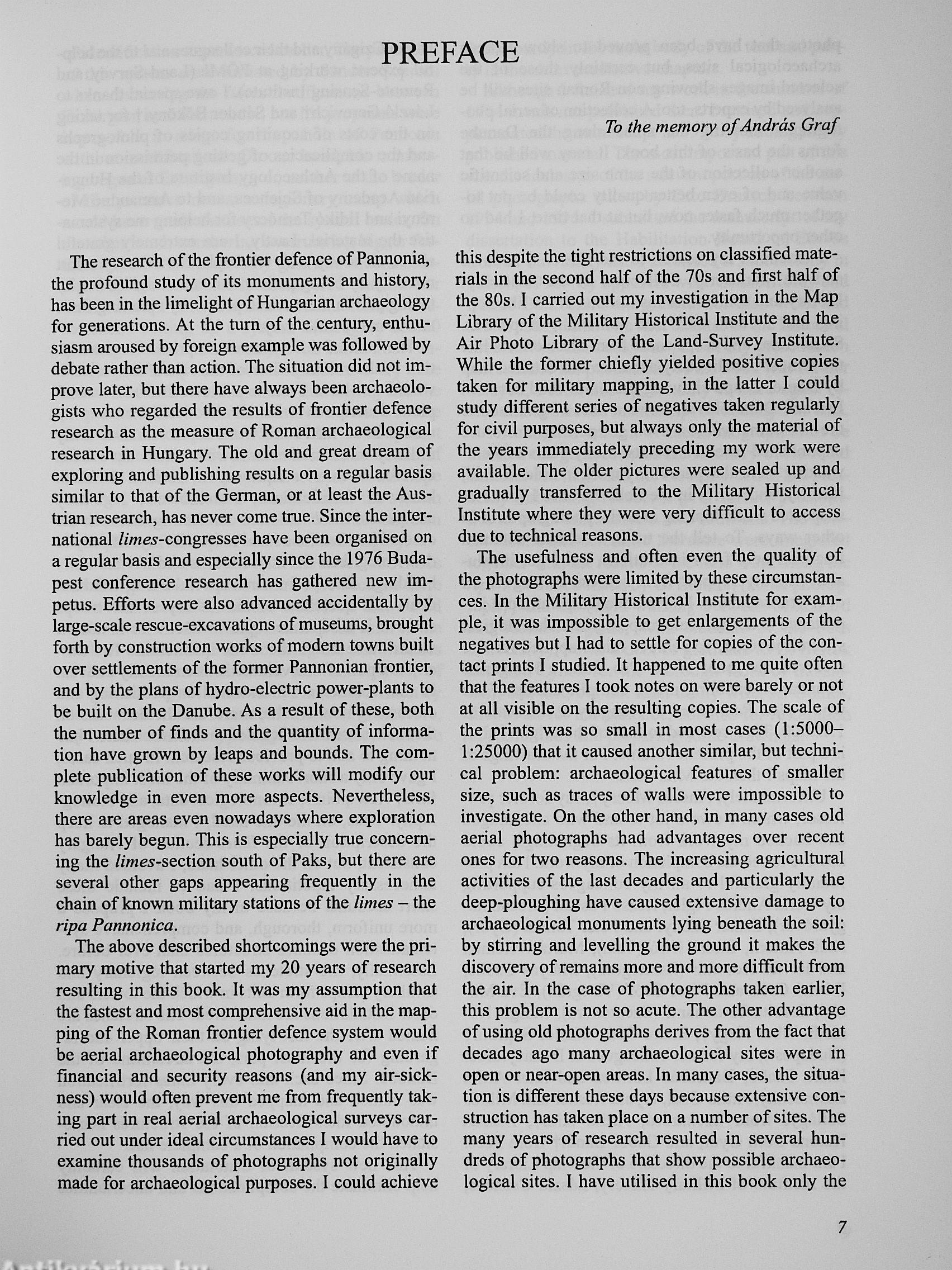
Fülszöveg
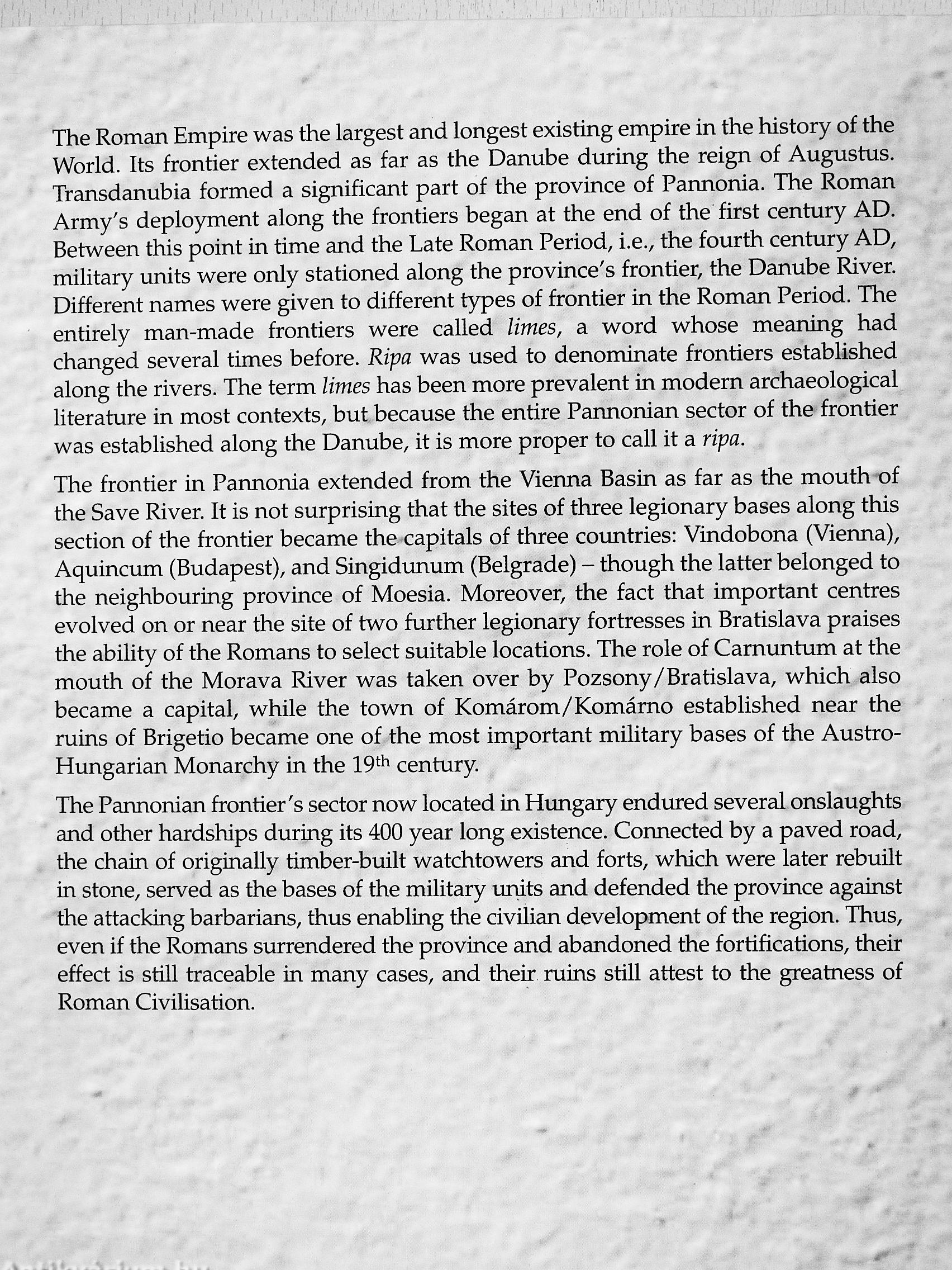
The Roman Empire was the largest and longest existing empire in the history of the World. Its frontier extended as far as the Danube during the reign of Augustus. Transdanubia formed a significant part of the province of Parmonia. The Roman Army's deployment along the frontiers began at the end of the first century AD. Between this point in time and the Late Roman Period, i.e., the fourth century AD, military units were only stationed along the province's frontier, the Danube River. Different names were given to different types of frontier in the Roman Period. The entirely man-made frontiers were called limes, a word whose meaning had changed several times before. Ripa was used to denominate frontiers established along the rivers. The term limes has been more prevalent in modern archaeological literature in most contexts, but because the entire Pannonian sector of the frontier was established along the Danube, it is more proper to call it a ripa.
The frontier in Pannonia extended... Tovább
Fülszöveg
The Roman Empire was the largest and longest existing empire in the history of the World. Its frontier extended as far as the Danube during the reign of Augustus. Transdanubia formed a significant part of the province of Parmonia. The Roman Army's deployment along the frontiers began at the end of the first century AD. Between this point in time and the Late Roman Period, i.e., the fourth century AD, military units were only stationed along the province's frontier, the Danube River. Different names were given to different types of frontier in the Roman Period. The entirely man-made frontiers were called limes, a word whose meaning had changed several times before. Ripa was used to denominate frontiers established along the rivers. The term limes has been more prevalent in modern archaeological literature in most contexts, but because the entire Pannonian sector of the frontier was established along the Danube, it is more proper to call it a ripa.
The frontier in Pannonia extended from the Vienna Basin as far as the mouth of the Save River. It is not surprising that the sites of three legionary bases along this section of the frontier became the capitals of three coimtries: Vindobona (Vienna), Aquincum (Budapest), and Singidunum (Belgrade) - though the latter belonged to the neighbouring province of Moesia. Moreover, the fact that important centres evolved on or near the site of two further legionary fortresses in Bratislava praises the ability of the Romans to select suitable locations. The role of Carnuntum at the mouth of the Morava River was taken over by Pozsony/Bratislava, which also became a capital, while the town of Komárom/Komárno established near the ruins of Brigetio became one of the most important military bases of the Austro-Hungarian Monarchy in the century.
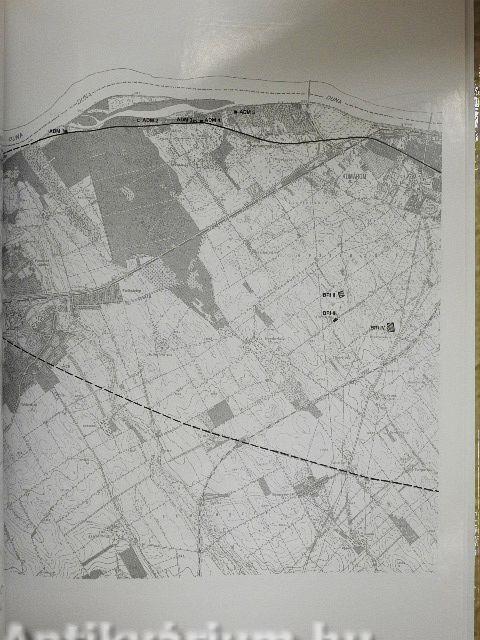
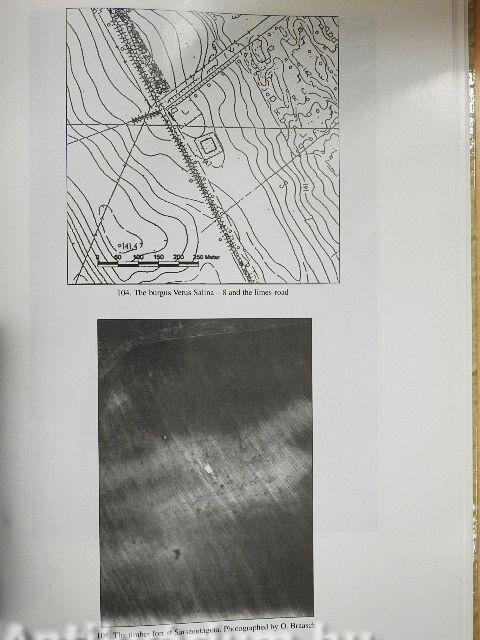
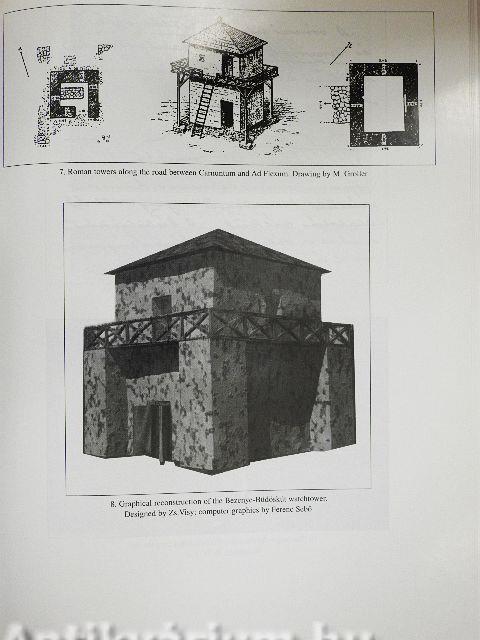
The Pannonian frontier's sector now located in Hungary endured several onslaughts and other hardships during its 400 year long existence. Cormected by a paved road, the chain of originally timber-built watchtowers and forts, which were later rebuilt in stone, served as the bases of the military units and defended the province against the attacking barbarians, thus enabling the civilian development of the region. Thus, even if the Romans surrendered the province and abandoned the fortifications, their effect is still traceable in many cases, and their ruins still attest to the greatness of Roman Civilisation. Vissza
Témakörök
- Idegennyelv > Idegennyelvű könyvek > Angol > Művelődéstörténet
- Idegennyelv > Idegennyelvű könyvek > Angol > Helytörténet
- Idegennyelv > Idegennyelvű könyvek > Angol > Történelem > Európa története > Egyéb
- Művelődéstörténet > Civilizációtörténet > Európai
- Helytörténet > Magyarország > Egyéb
- Történelem > Idegennyelvű > Angol
- Régészet > Általános régészet, antropológia > Ókor
- Régészet > Kontinensek szerint > Európa > Kárpát-medence, Magyarország
- Idegennyelv > Idegennyelvű könyvek > Angol > Régészet > Általános régészet, antropológia > Ókor
- Idegennyelv > Idegennyelvű könyvek > Angol > Régészet > Kontinensek szerint > Európa
- Történelem > Ókor > Római Birodalom
- Történelem > Régészet > Általános régészet, antropológia > Ókor
- Történelem > Régészet > Kontinensek szerint > Európa > Kárpát-medence, Magyarország
Megvásárolható példányok
Állapotfotók
Szép állapotú példány.
Állapot:
Jó
9.800 ,-Ft
49
pont kapható
Kosárba
 Folytatás Microsoft-tal