
1.150.341
kiadvánnyal nyújtjuk Magyarország legnagyobb antikvár könyv-kínálatát

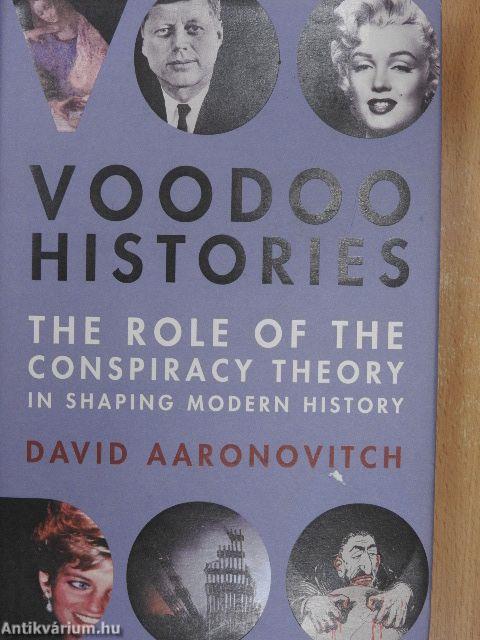
Voodoo Histories
The Role of the Conspiracy Theory in Shaping Modern History
London
| Kiadó: | Jonathan Cape |
|---|---|
| Kiadás helye: | London |
| Kiadás éve: | |
| Kötés típusa: | Ragasztott kemény kötés |
| Oldalszám: | 358 oldal |
| Sorozatcím: | |
| Kötetszám: | |
| Nyelv: | Angol |
| Méret: | 24 cm x 16 cm |
| ISBN: | 978-0-224-07470-4 |
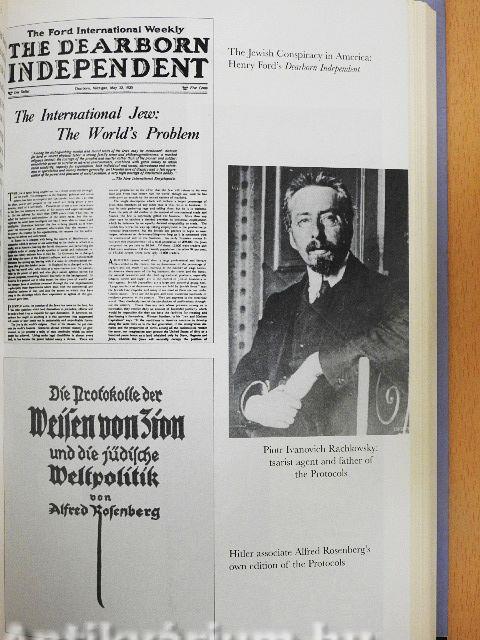
| Megjegyzés: | Fekete-fehér fotókkal. |
Értesítőt kérek a kiadóról
A beállítást mentettük,
naponta értesítjük a beérkező friss
kiadványokról
naponta értesítjük a beérkező friss
kiadványokról
A beállítást mentettük,
naponta értesítjük a beérkező friss
kiadványokról
naponta értesítjük a beérkező friss
kiadványokról
Előszó
Tovább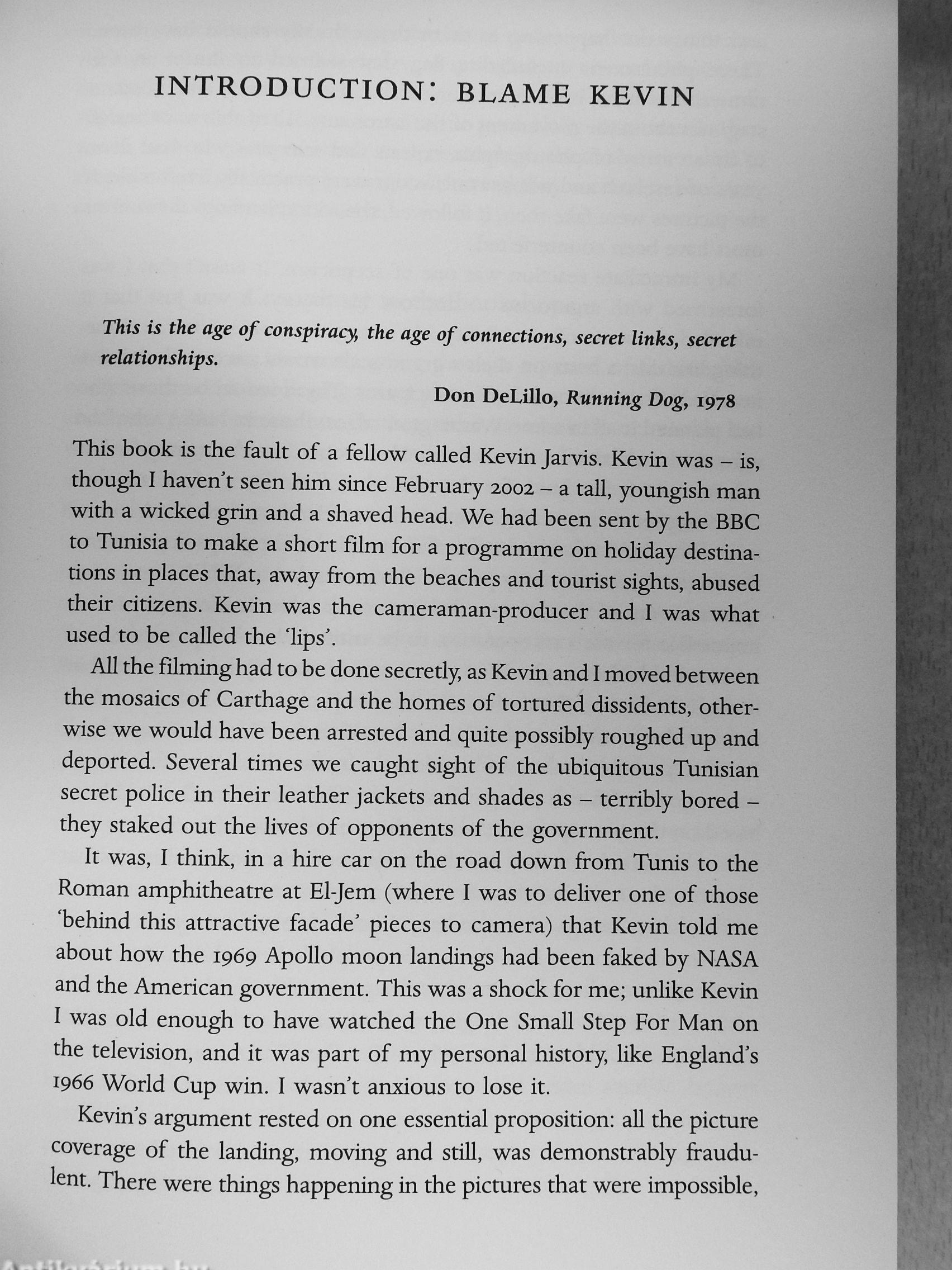
Fülszöveg
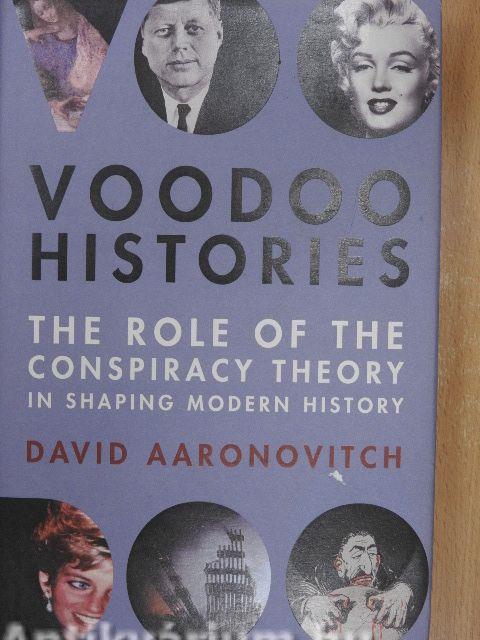
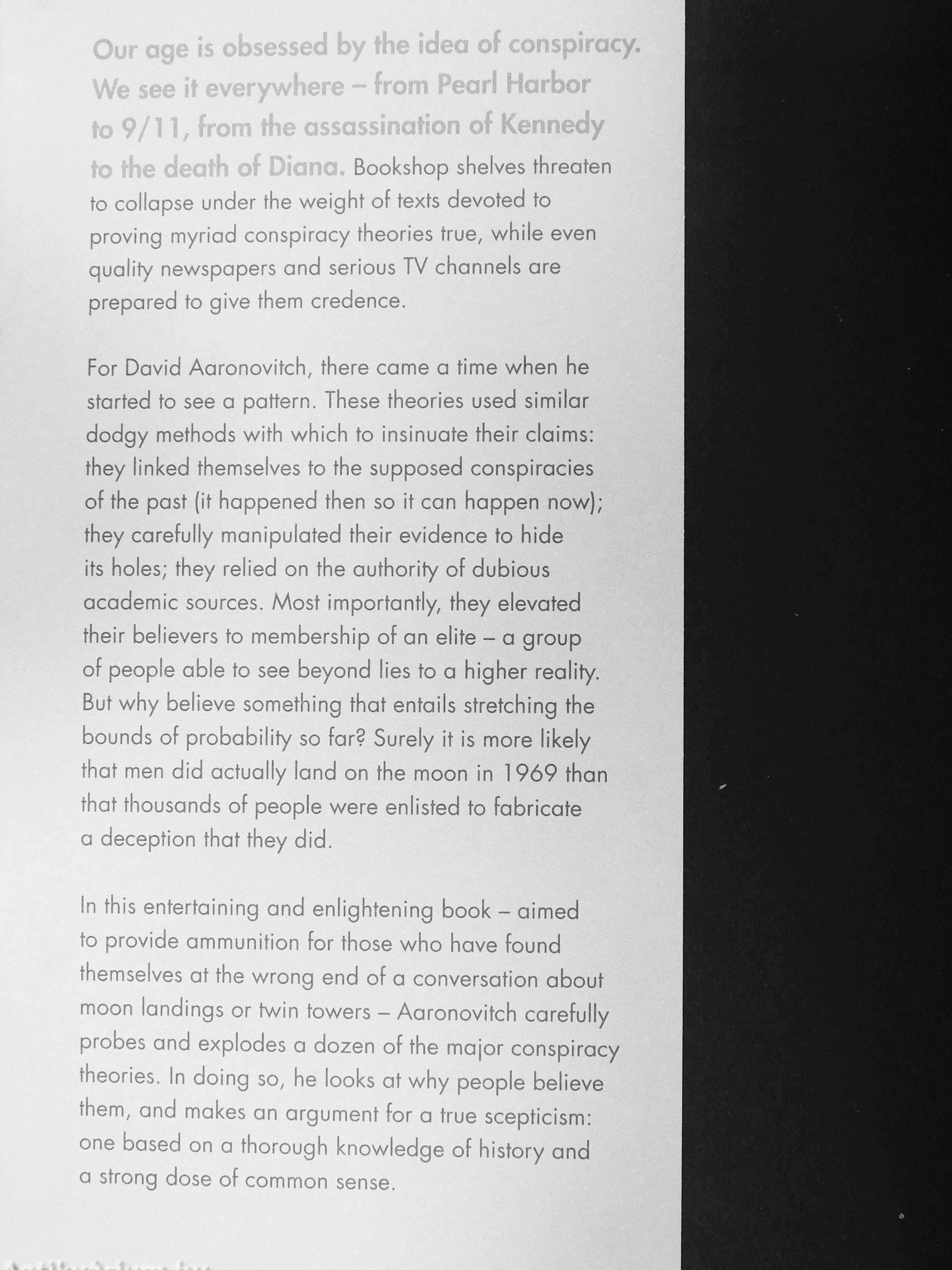
Our age is obsessed by the idea of conspiracy, ee it everywhere - from Pearl Harbor ¦ 9/11, from the assassination of Kennedy . death j Diana. Bookshop shelves threaten to collapse under the weight of texts devoted to proving myriad conspiracy theories true, v^hile even quality newspapers and serious TV channels are prepared to give them credence.
For David Aaronovitch, there came a time when he started to see a pattern. These theories used similar dodgy methods with which to insinuate their claims: they linked themselves to the supposed conspiracies of the past (it happened then so it can happen now); they carefully manipulated their evidence to hide its holes; they relied on the authority of dubious academic sources. Most importantly, they elevated their believers to membership of an elite - a group of people able to see beyond lies to a higher reality. But why believe something that entails stretching the bounds of probability so far? Surely it is more likely that men did... Tovább
Fülszöveg
Our age is obsessed by the idea of conspiracy, ee it everywhere - from Pearl Harbor ¦ 9/11, from the assassination of Kennedy . death j Diana. Bookshop shelves threaten to collapse under the weight of texts devoted to proving myriad conspiracy theories true, v^hile even quality newspapers and serious TV channels are prepared to give them credence.
For David Aaronovitch, there came a time when he started to see a pattern. These theories used similar dodgy methods with which to insinuate their claims: they linked themselves to the supposed conspiracies of the past (it happened then so it can happen now); they carefully manipulated their evidence to hide its holes; they relied on the authority of dubious academic sources. Most importantly, they elevated their believers to membership of an elite - a group of people able to see beyond lies to a higher reality. But why believe something that entails stretching the bounds of probability so far? Surely it is more likely that men did actually land on the moon in 1969 than that thousands of people were enlisted to fabricate a deception that they did.
In this entertaining and enlightening book - aimed to provide ammunition for those who have found themselves at the wrong end of a conversation about moon landings or twin towers - Aaronovitch carefully probes and explodes a dozen of the major conspiracy theories. In doing so, he looks at why people believe them, and makes on argument for a true scepticism: one based on a thorough knowledge of history and a strong dose of common sense.
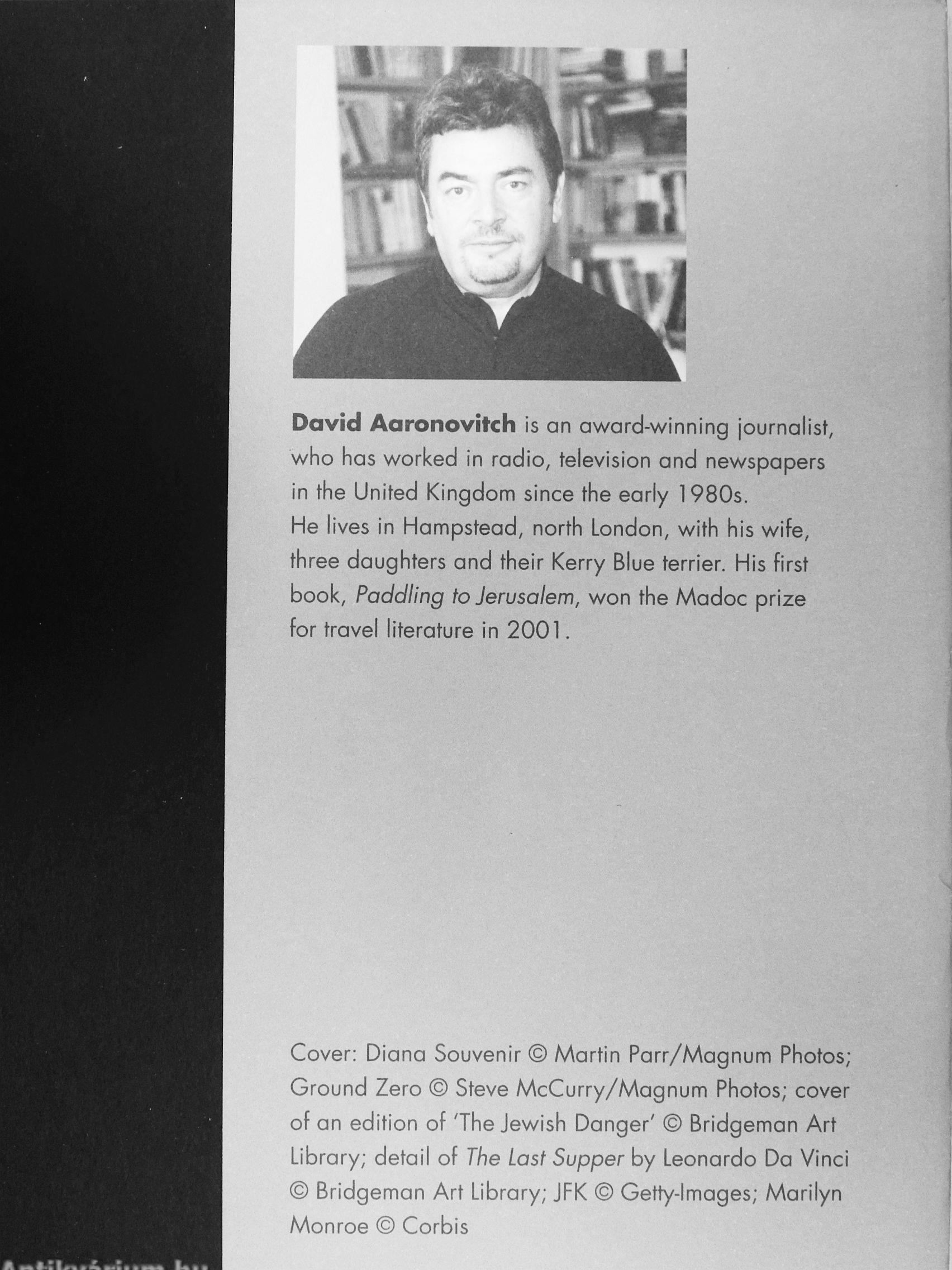
David Aaronovitch is an award-winning journalist, who has worked in radio, television and newspapers in the United Kingdom since the early 1980s. He lives in Hampstead, north London, with his wife, three daughters and their Kerry Blue terrier. His first book. Paddling to Jerusalem, won the Madoc prize for travel literature in 2001.
Cover: Diana Souvenir © Martin Parr/Magnum Photos; Ground Zero © Steve McCurry/Magnum Photos; cover of an edition of 'The Jewish Danger' © Bridgeman Art Library; detail of The Last Supper by Leonardo Da Vinci © Bridgeman Art Library; JFK © Getty-Images; Marilyn Monroe © Corbis
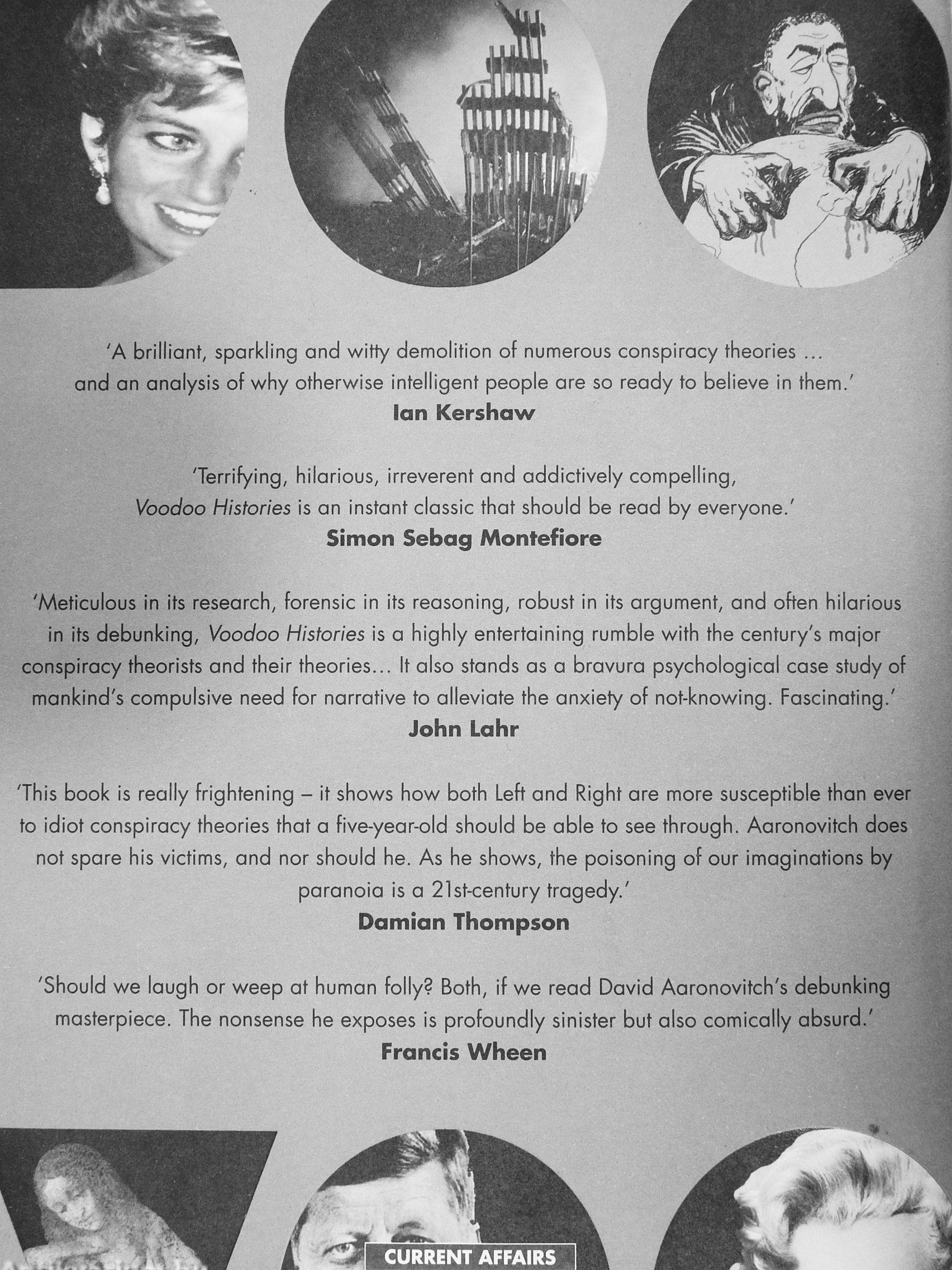
'A brilliant, sparkling and witty demolition of numerous conspiracy theories and an analysis of why otherwise intelligent people are so ready to believe in them.'
Ian Kershaw
'Terrifying, hilarious, irreverent and addictively compelling, Voodoo Histories is an instant classic that should be read by everyone.' Simon Sebag Montefiore
'Meticulous in its research, forensic in its reasoning, robust in its argument, and often hilarious in its debunking, Voodoo Histories is a highly entertaining rumble with the century's major conspiracy theorists and their theories It also stands as a bravura psychological case study of mankind's compulsive need for narrative to alleviate the anxiety of not-knowing. Fascinating.'
John Lahr
'This book is really frightening - it shows how both Left and Right are more susceptible than ever to idiot conspiracy theories that a five-year-old should be able to see through. Aaronovitch does not spare his victims, and nor should he. As he shows, the poisoning of our imaginations by , ^ paranoia is a 21st-century tragedy.' -
Damian Thompson
'I
'Should we laugh or weep at human folly? Both, if we read David Aaronovitch's debunking masterpiece. The nonsense he exposes is profoundly sinister but also comically absurd.' J
Francis Wheen 'M
/
Vissza
Témakörök
- Idegennyelv > Idegennyelvű könyvek > Angol > Művelődéstörténet
- Idegennyelv > Idegennyelvű könyvek > Angol > Történelem > Egyéb
- Művelődéstörténet > Eszmetörténet > Történelem > Politika
- Pszichológia > Alkalmazott lélektan > Csoportpszichológia > Egyéb
- Pszichológia > Idegennyelvű > Angol
- Történelem > Idegennyelvű > Angol
- Történelem > Legújabb kor > Egyéb
- Idegennyelv > Idegennyelvű könyvek > Angol > Pszichológia
- Történelem > Politika > Pártok, szervezetek
David Aaronovitch
David Aaronovitch műveinek az Antikvarium.hu-n kapható vagy előjegyezhető listáját itt tekintheti meg: David Aaronovitch könyvek, művekMegvásárolható példányok
Állapotfotók
Állapot:
Jó
4.240 ,-Ft
21
pont kapható
Kosárba
 Folytatás Microsoft-tal