Fülszöveg
¦ ¦¦iV.'ii'i
^''i-l' v I f I
'' ,'i
I . ' ' ' • ¦
i:'l ii , ¦iV.v.^ , Tv I' j.'
!! ' ill . T I I '
i i
ilfeipi
ti^Slv. iiip
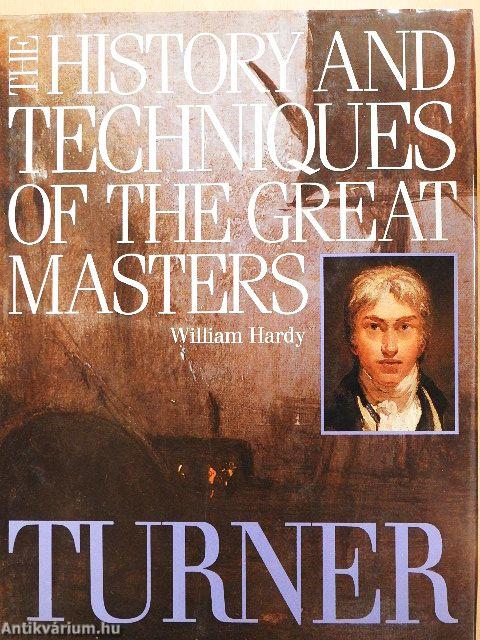
Anyone who has visited an art gallery will understand the value of being able to looli at paintings close up, to see the way the colours have been used and how the paint has been handled. Now you can have your own personal art gallery in this series of boolis, The History and Tectiniques of tfie Great Masters. Each book brings you a selection of ten or more famous paintings, magnificently reproduced in full colour, and with actual size details so that you can see the way the artist has worked — just as though the paintings were hanging on your own walls. The text analyses each painting in turn, and informative captions tell you exactly which techniques the artist has used to obtain particular effects, what type of canvas and priming was used, and how the colours were chosen, mixed and applied.
Joseph Mallobd William Tubner was higiily successful...
Tovább
Fülszöveg
¦ ¦¦iV.'ii'i
^''i-l' v I f I
'' ,'i
I . ' ' ' • ¦
i:'l ii , ¦iV.v.^ , Tv I' j.'
!! ' ill . T I I '
i i
ilfeipi
ti^Slv. iiip
Anyone who has visited an art gallery will understand the value of being able to looli at paintings close up, to see the way the colours have been used and how the paint has been handled. Now you can have your own personal art gallery in this series of boolis, The History and Tectiniques of tfie Great Masters. Each book brings you a selection of ten or more famous paintings, magnificently reproduced in full colour, and with actual size details so that you can see the way the artist has worked — just as though the paintings were hanging on your own walls. The text analyses each painting in turn, and informative captions tell you exactly which techniques the artist has used to obtain particular effects, what type of canvas and priming was used, and how the colours were chosen, mixed and applied.
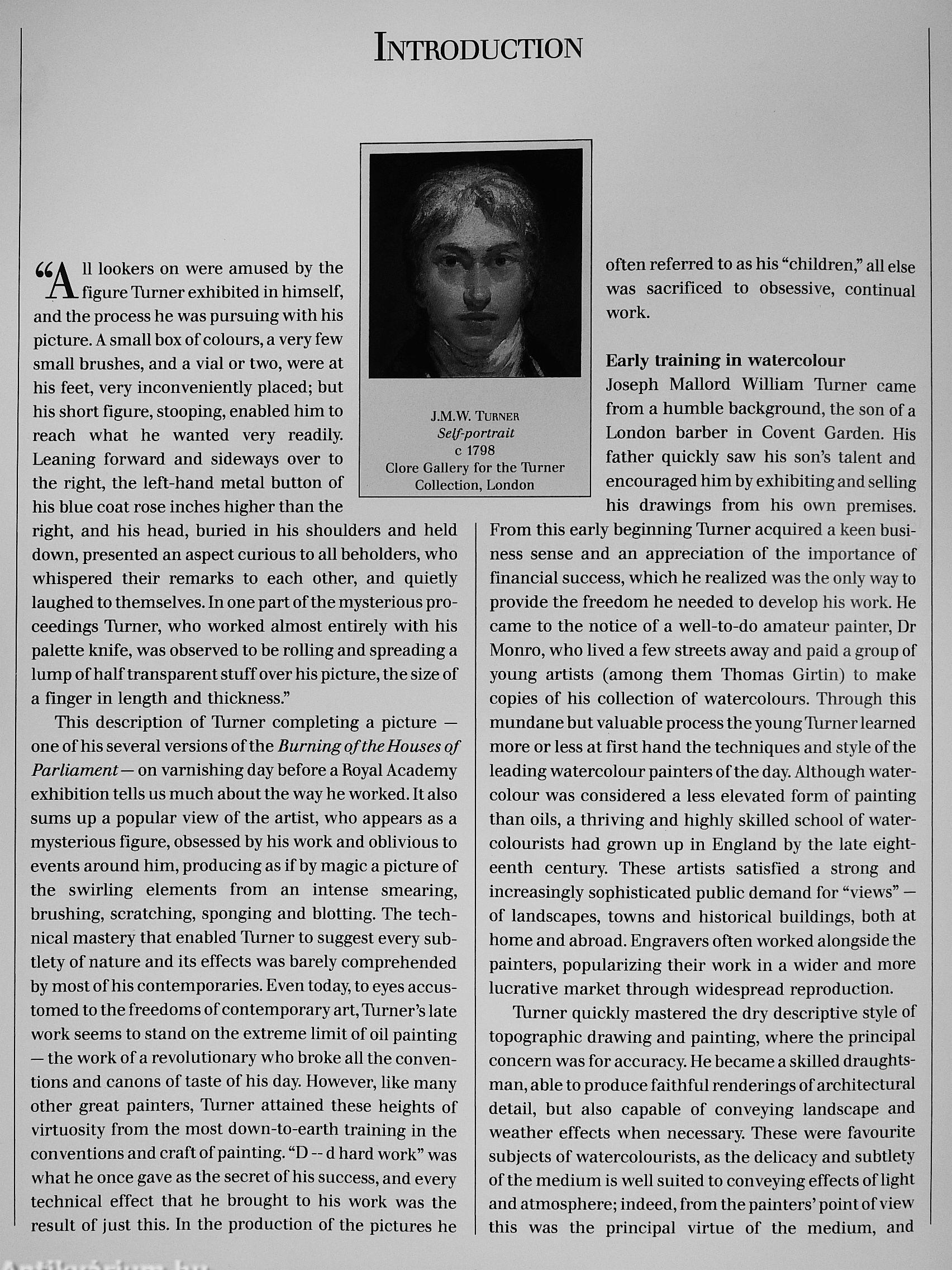
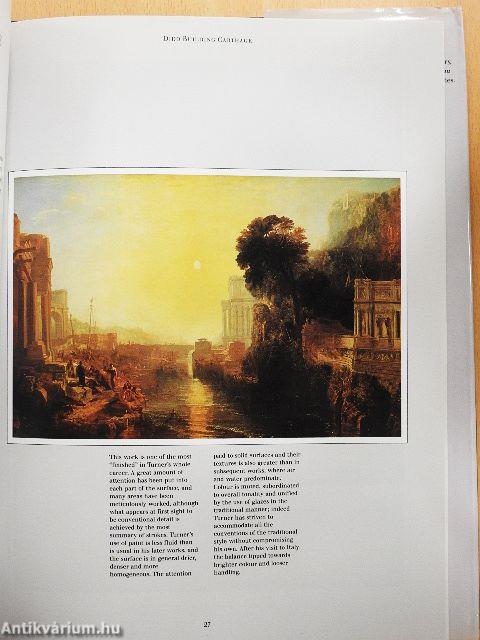
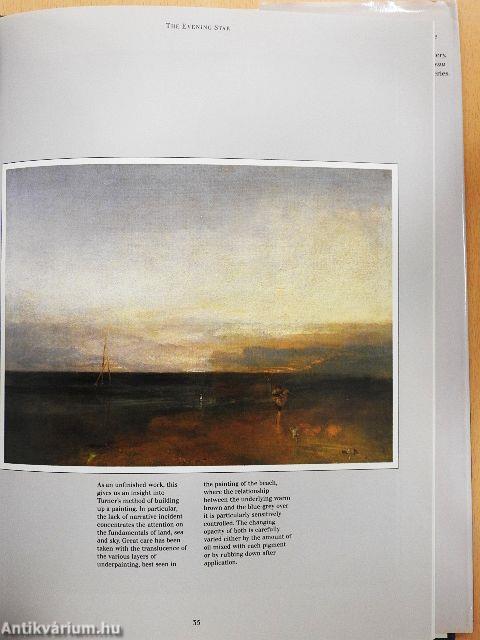
Joseph Mallobd William Tubner was higiily successful in liis lifetime, but his later works, wliich we admire so mucli today, were mocked by critics and described as "soapsuds and wliitewash" or "eggs and spinach." He was ahead of his time, both in his personal vision and in his technique, but he was also very much of his time, typifying the Romantic movement in painting and literature. TUmer came from a humble backgroimd, the son of a London barber, but his father quickly perceived his talent, encouraged his early training in watercolour, and was to remain his "business manager" throughout his life. Tbmer had a deep respect for history and literature and was a fervent upholder of the artistic establishment. He studied the Old Masters assiduously, and his earUer works are in the tradition of the seventeenth-century "historical landscape" painters such as Claude Lorraine. But towards the middle of his life he began increasingly to develop his own style, and his revolutionary use of both oil paint and watercolour are the result of his untiring search for new ways of expressing his personal preoccupations. Although ¦nirner's atmospheric light effects were sometimes described as being "invented," he was deeply committed to working from nature, and filled sketchbook after sketchbook with walercolours and pencil drawings which he would later use as reference for finished compositions. "D d hard work" was what he once gave as the secret of his success, and every technical effect he brought to his work was the result of just this.
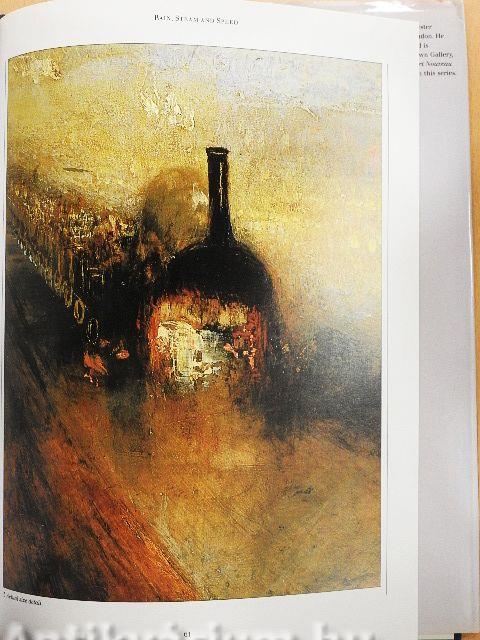
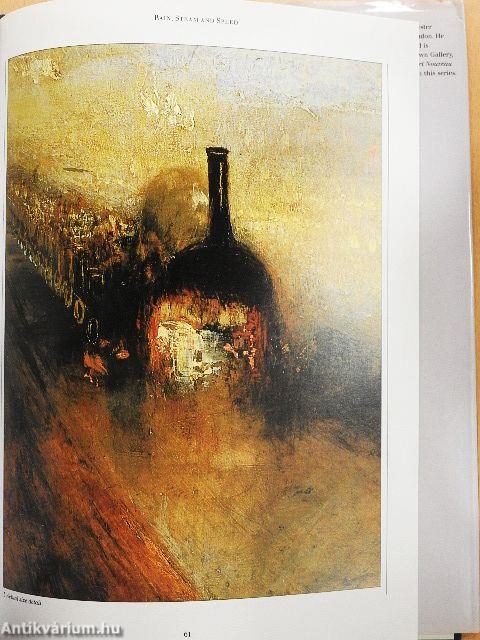
The selection of paintings shown here presents a visual record of this great artist's progress from his early topographical watercolours to the visionary and highly personal works of his later years, such as Norham Castle, Sunrise and Rain, Steam and Speed The text outlines the major events in his life and explains the important influences on his work.
Vissza 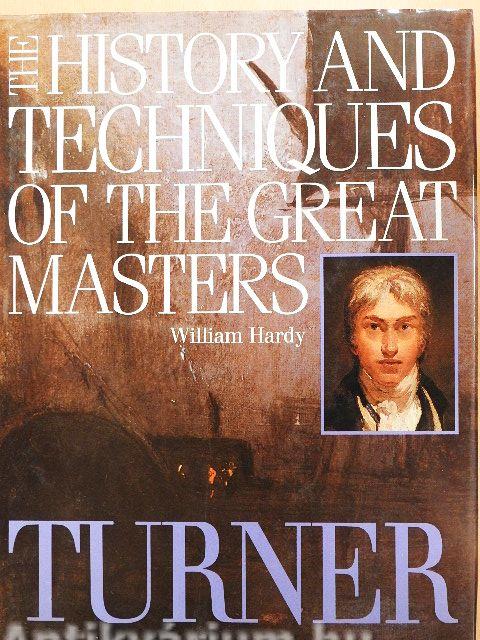



 Folytatás Microsoft-tal