Fülszöveg
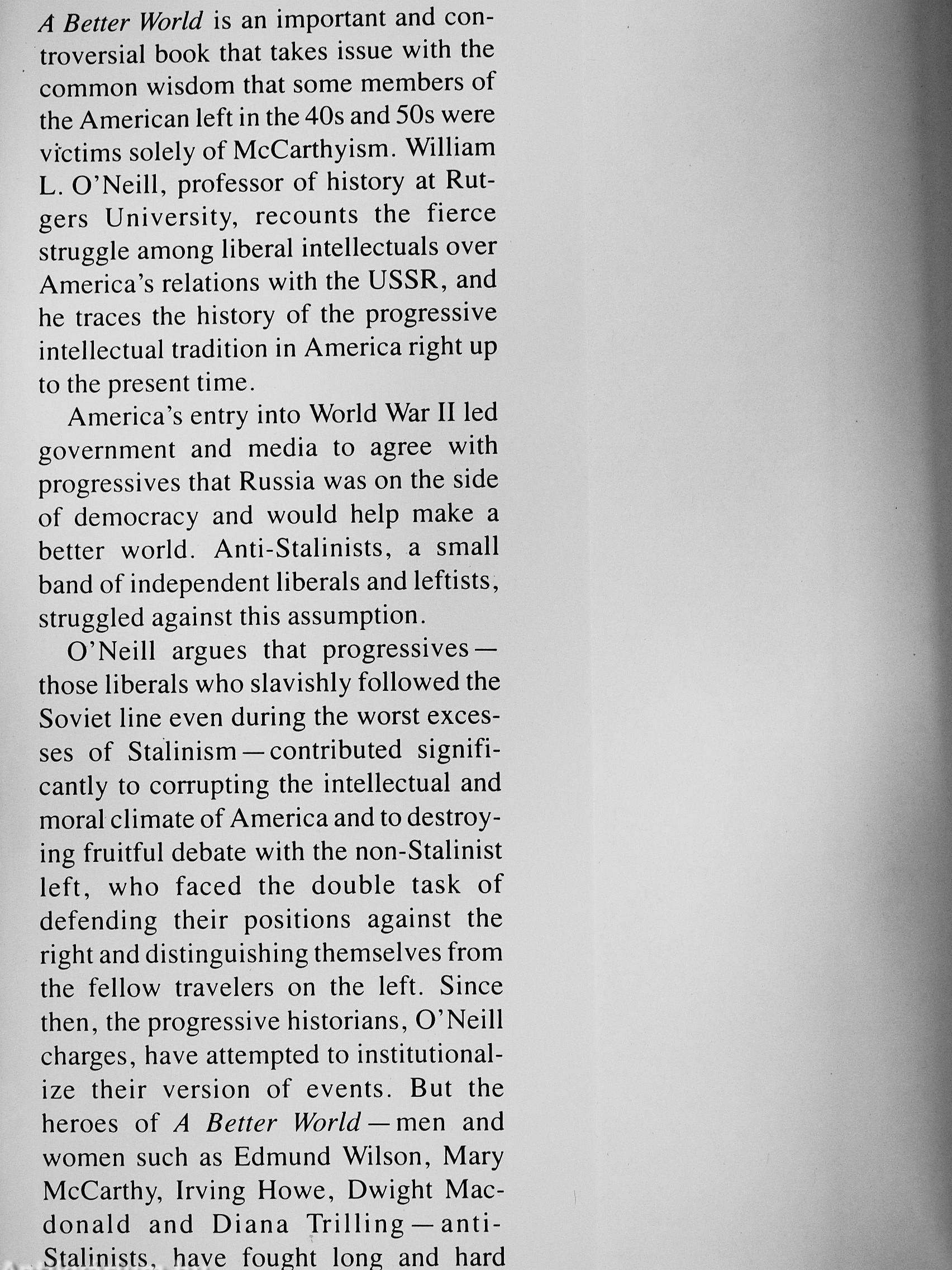
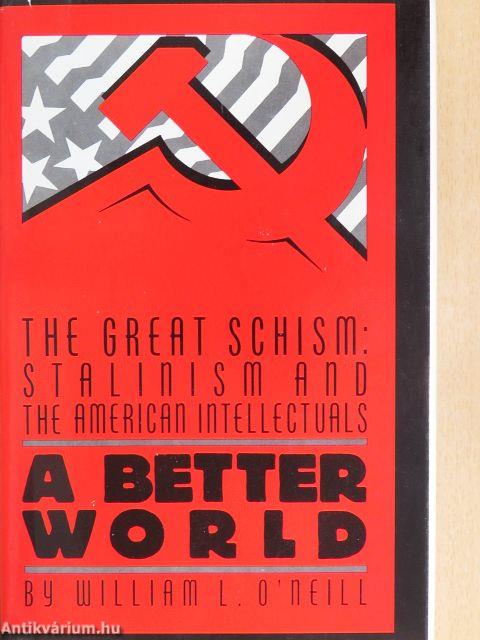
A Better World is an important and controversial book that takes issue with the common wisdom that some members of the American left in the 40s and 50s were victims solely of McCarthy ism. William L. O'Neill, professor of history at Rutgers University, recounts the fierce Struggle among liberal intellectuals over America's relations with the USSR, and he traces the history of the progressive intellectual tradition in America right up to the present time.
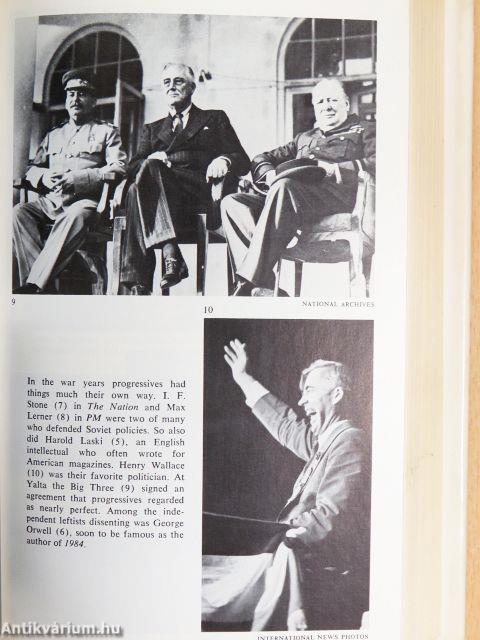
America's entry into World War II led government and media to agree with progressives that Russia was on the side of democracy and would help make a better world. Anti-Stalinists, a small band of independent hberals and leftists, struggled against this assumption.
O'Neill argues that progressives — those liberals who slavishly followed the Soviet line even during the worst excesses of Stalinism —contributed significantly to corrupting the intellectual and moral climate of America and to destroying fruitful debate with the...
Tovább
Fülszöveg
A Better World is an important and controversial book that takes issue with the common wisdom that some members of the American left in the 40s and 50s were victims solely of McCarthy ism. William L. O'Neill, professor of history at Rutgers University, recounts the fierce Struggle among liberal intellectuals over America's relations with the USSR, and he traces the history of the progressive intellectual tradition in America right up to the present time.
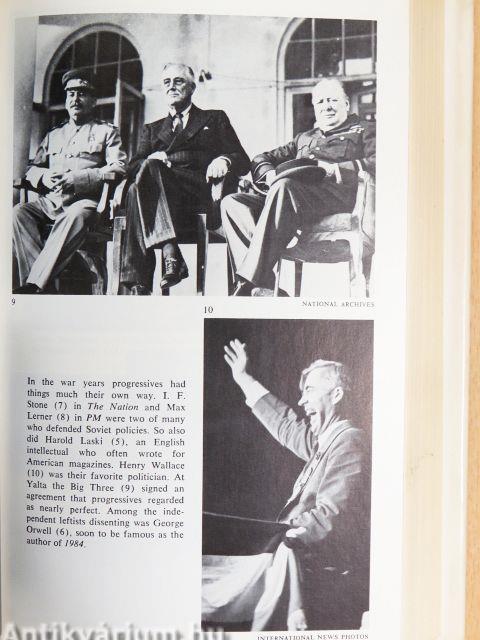
America's entry into World War II led government and media to agree with progressives that Russia was on the side of democracy and would help make a better world. Anti-Stalinists, a small band of independent hberals and leftists, struggled against this assumption.
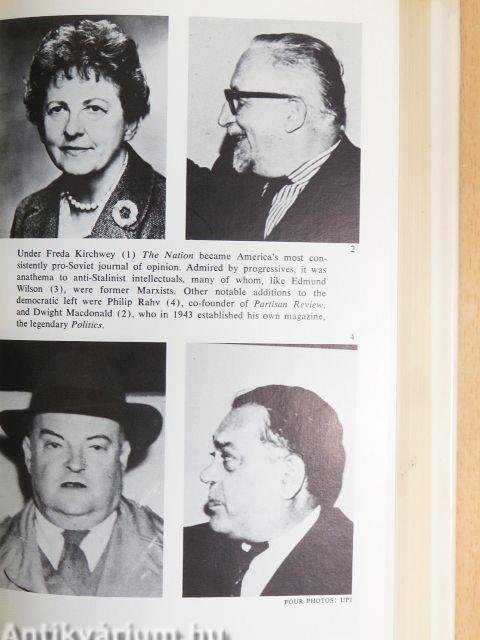
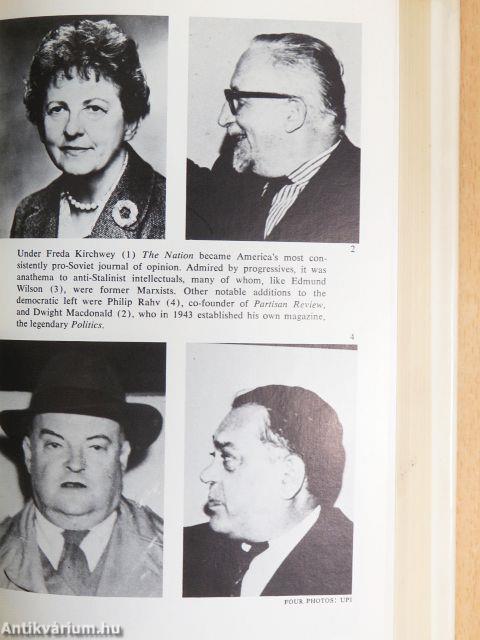
O'Neill argues that progressives — those liberals who slavishly followed the Soviet line even during the worst excesses of Stalinism —contributed significantly to corrupting the intellectual and moral climate of America and to destroying fruitful debate with the non-Stalinist left, who faced the double task of defending their positions against the right and distinguishing themselves from the fellow travelers on the left. Since then, the progressive historians, O'Neill charges, have attempted to institutionalize their version of events. But the heroes of A Better World — xx\&x\ and women such as Edmund Wilson, Mary McCarthy, Irving Howe, Dwight Macdonald and Diana Trilling — anti-Stalinists, have fought long and hard
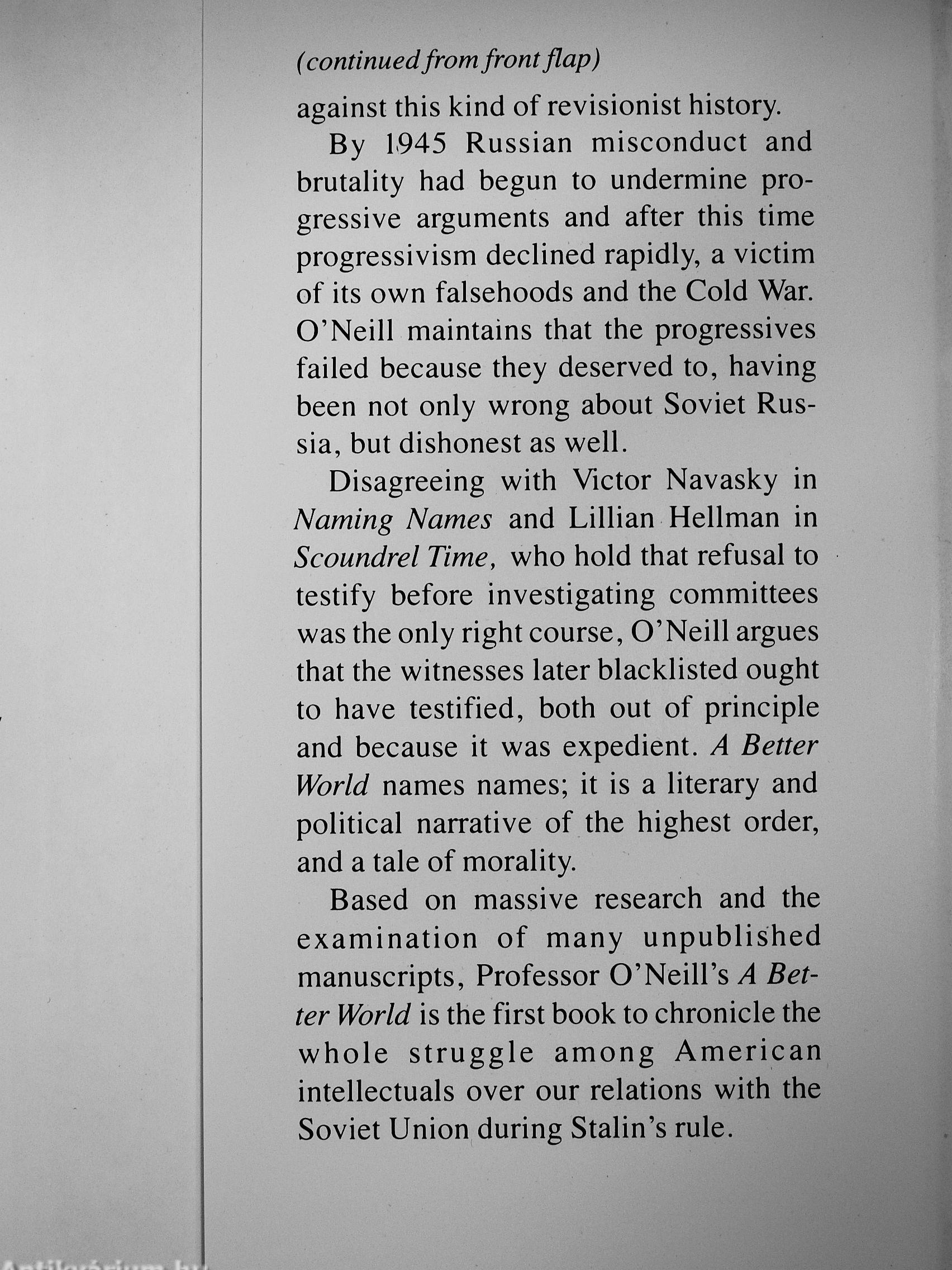
(continued from front flap)
against this kind of revisionist history.
By 1945 Russian misconduct and brutality had begun to undermine progressive arguments and after this time progressivism declined rapidly, a victim of its own falsehoods and the Cold War. O'Neill maintains that the progressives failed because they deserved to, having been not only wrong about Soviet Russia, but dishonest as well.
Disagreeing with Victor Navasky in Naming Names and Lillian Hellman in Scoundrel Time, who hold that refusal to testify before investigating committees was the only right course, O'Neill argues that the witnesses later blacklisted ought to have testified, both out of principle and because it was expedient. A Better World names names; it is a literary and political narrative of the highest order, and a tale of morality.
Based on massive research and the examination of many unpublished manuscripts. Professor O'Neill's A Better World is the first book to chronicle the whole struggle among American intellectuals over our relations with the Soviet Union during Stalin's rule.
Vissza 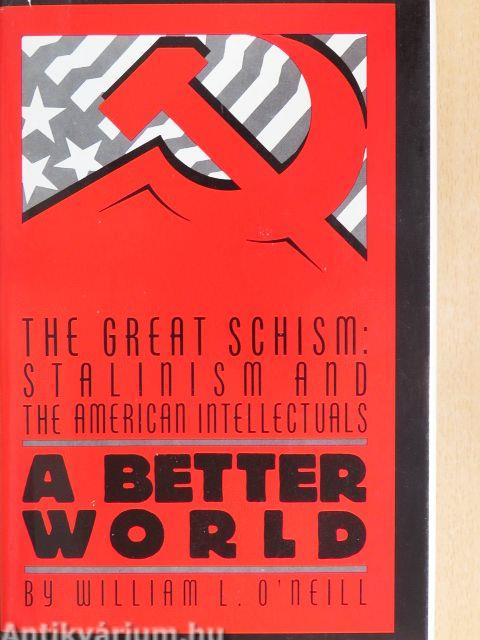



 Folytatás Microsoft-tal