
1.155.932
kiadvánnyal nyújtjuk Magyarország legnagyobb antikvár könyv-kínálatát

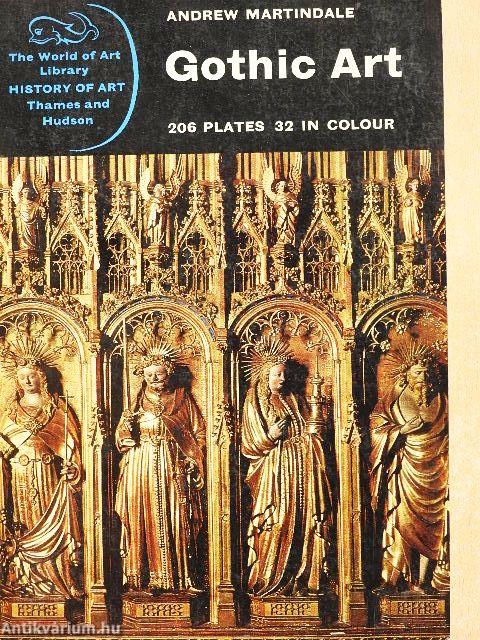
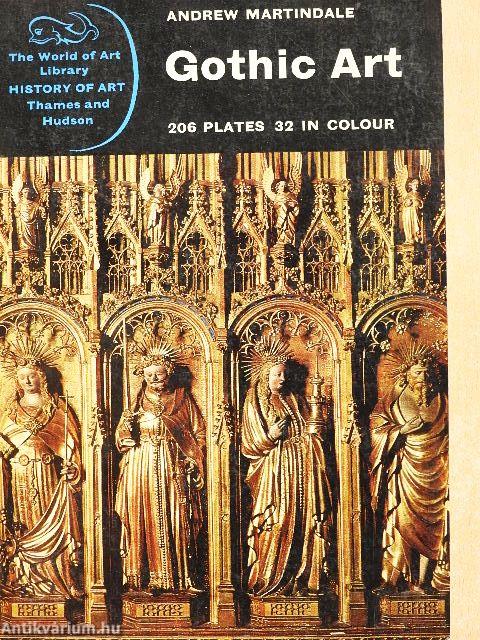
Gothic Art

London
| Kiadó: | Thames and Hudson |
|---|---|
| Kiadás helye: | London |
| Kiadás éve: | |
| Kötés típusa: | Ragasztott papírkötés |
| Oldalszám: | 287 oldal |
| Sorozatcím: | The World of Art Library-History of Art |
| Kötetszám: | |
| Nyelv: | Angol |
| Méret: | 21 cm x 15 cm |
| ISBN: | |
| Megjegyzés: | Fekete-fehér és színes reprodukciókkal, fotókkal. |
Értesítőt kérek a kiadóról
Értesítőt kérek a sorozatról
A beállítást mentettük,
naponta értesítjük a beérkező friss
kiadványokról
naponta értesítjük a beérkező friss
kiadványokról
A beállítást mentettük,
naponta értesítjük a beérkező friss
kiadványokról
naponta értesítjük a beérkező friss
kiadványokról
Előszó
Tovább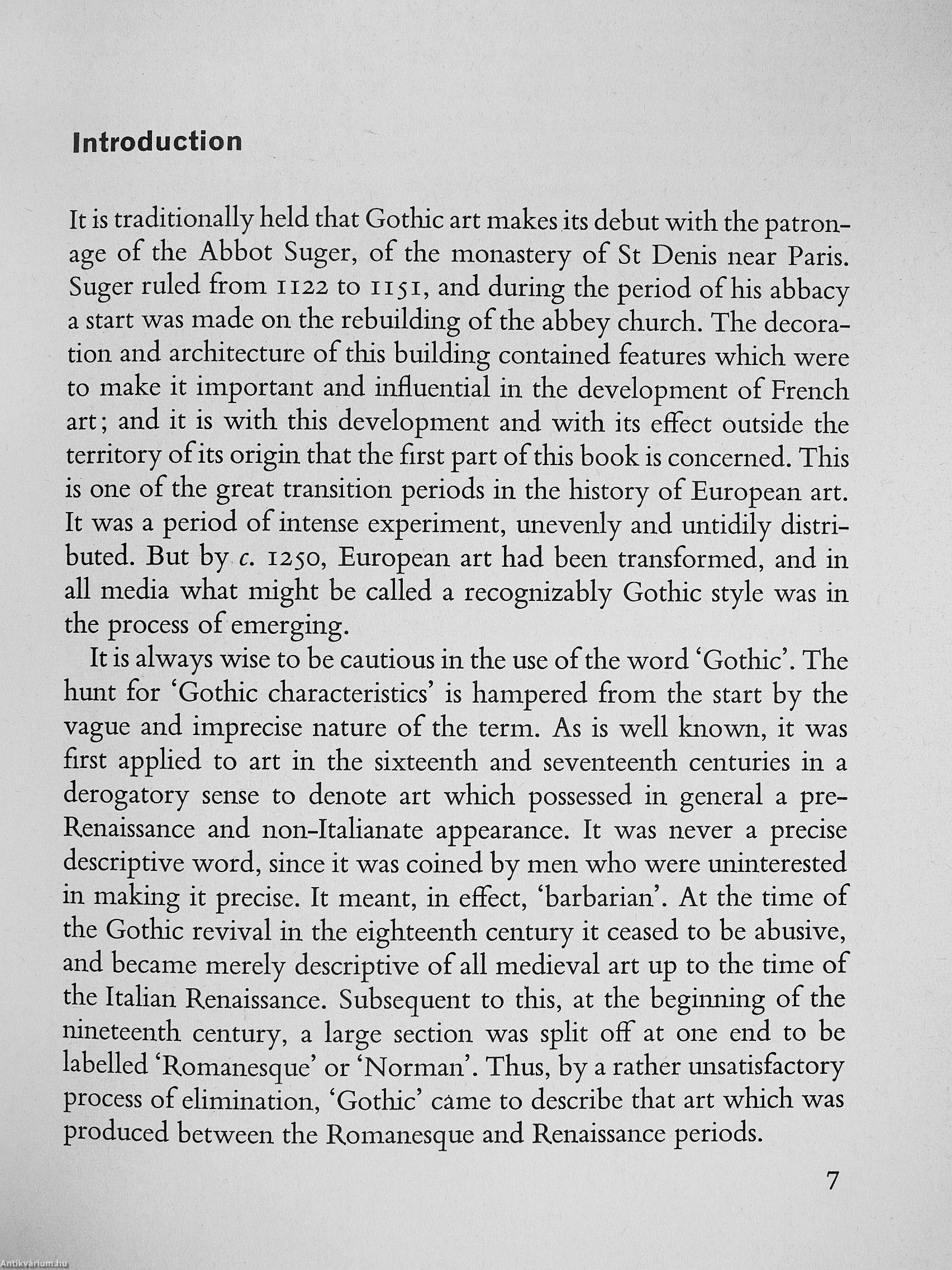
Fülszöveg
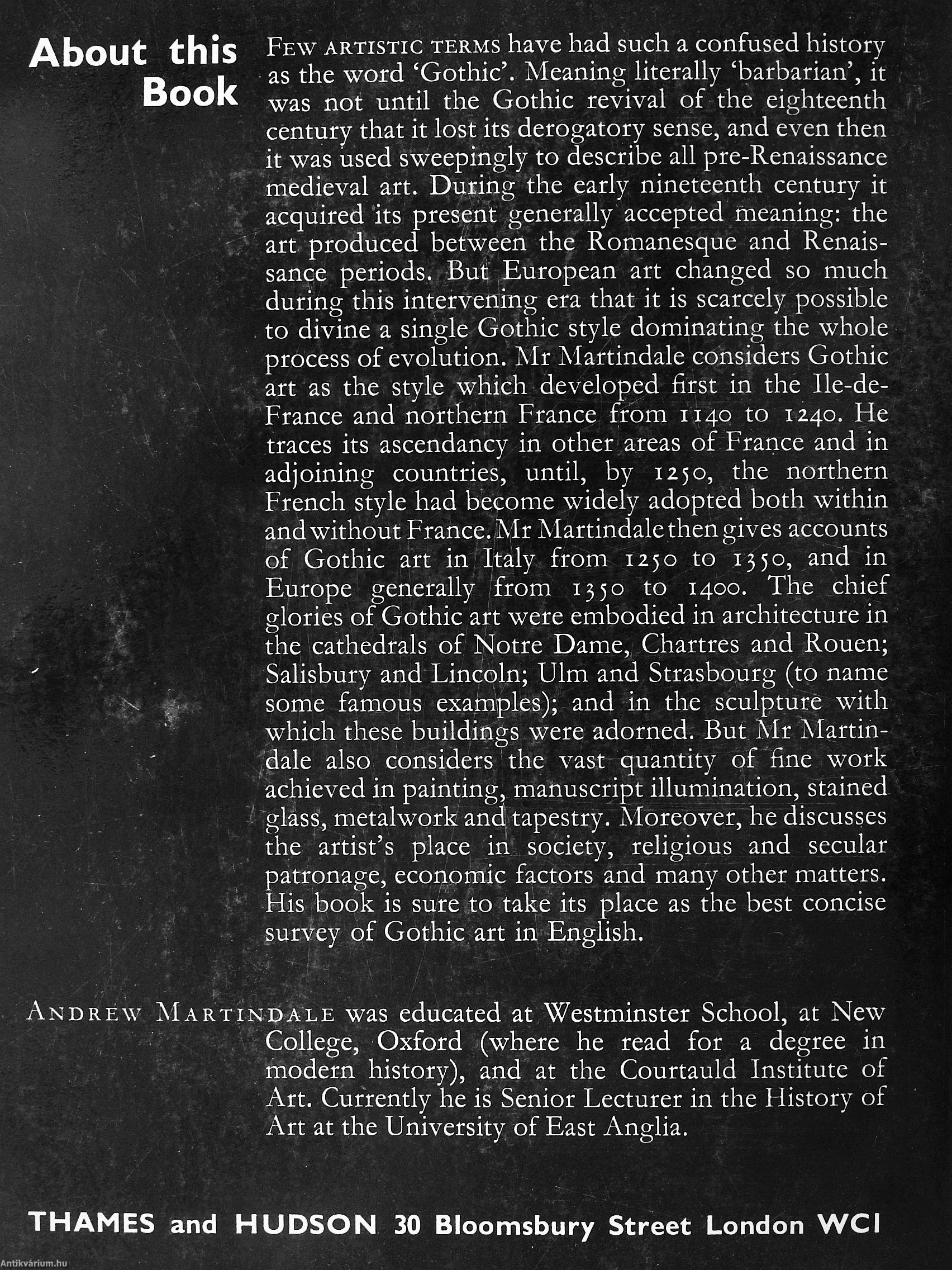
About this Book
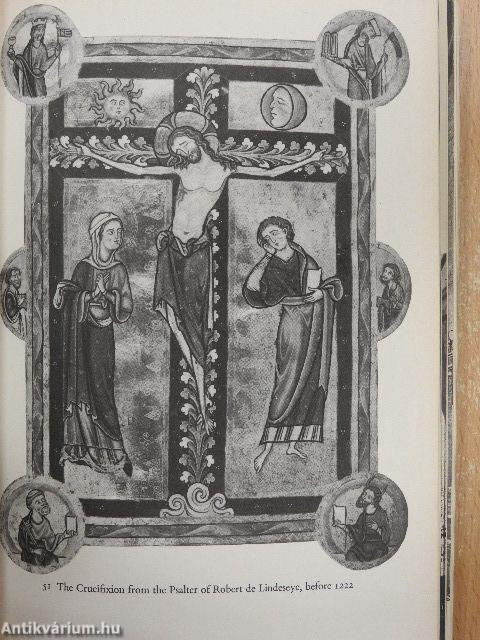
Few artistic terms have had such a confused history as the word 'Gothic'. Meaning literally 'barbarian', it was not until the Gothic revival of the eighteenth century that it lost its derogatory sense, and even then it was used sweepingly to describe all pre-Renaissance medieval art. During the early nineteenth century it acquired its present generally accepted meaning: the art produced between the Romanesque and Renaissance periods. But European art changed so much during this intervening era that it is scarcely possible to divine a single Gothic style dominating the whole process of evolution. Mr Martindale considers Gothic art as the style which developed first in the lle-de-France and northern France from 1140 to 1240. He traces its ascendancy in other areas of France and in adjoining countries, until, by 1250, the northern French style had become widely adopted both within and without France. Mr Martindale then gives accounts of Gothic art in Italy from 1250... Tovább
Fülszöveg
About this Book
Few artistic terms have had such a confused history as the word 'Gothic'. Meaning literally 'barbarian', it was not until the Gothic revival of the eighteenth century that it lost its derogatory sense, and even then it was used sweepingly to describe all pre-Renaissance medieval art. During the early nineteenth century it acquired its present generally accepted meaning: the art produced between the Romanesque and Renaissance periods. But European art changed so much during this intervening era that it is scarcely possible to divine a single Gothic style dominating the whole process of evolution. Mr Martindale considers Gothic art as the style which developed first in the lle-de-France and northern France from 1140 to 1240. He traces its ascendancy in other areas of France and in adjoining countries, until, by 1250, the northern French style had become widely adopted both within and without France. Mr Martindale then gives accounts of Gothic art in Italy from 1250 to 1350, and in Europe generally from 1350 to 1400. The chief glories of Gothic art were embodied in architecture in the cathedrals of Notre Dame, Chartres and Rouen; Salisbury and Lincoln; Ulm and Strasbourg (to name some famous examples); and in the sculpture with which these buildings were adorned. But ISIr Martindale also considers the vast quantity of fine work achieved in painting manuscript illumination, stained glass, metalwork and tapestry. Moreover, he discusses the artist's place in society, religious and secular patronage, economic factors and many other matters. His book is sure to take its place as the best concise survey of Gothic art in English.
Andrew Martindale was educated at Westminster School, at New College, Oxford (where he read for a degree in modern history), and at the Courtauld Institute of Art. Currently he is Senior Lecturer in the History of Art at the University of East Anslia.
THAMES and HUDSON 30 Bloomsbury Street London WCI Vissza

Témakörök
- Idegennyelv > Idegennyelvű könyvek > Angol > Művészetek > Művészettörténet, általános
- Művészetek > Művészettörténet általános > Kontinensek művészete > Európa
- Művészetek > Művészettörténet általános > Idegen nyelv > Angol
- Művészetek > Művészettörténet általános > Művészettörténet > Külföldi
- Művészetek > Művészettörténet általános > Korszakok, stílusok > Középkor > Gótika
- Művészetek > Művészettörténet általános > Összefoglalók > Nemzetközi > Európai


Andrew Martindale
Andrew Martindale műveinek az Antikvarium.hu-n kapható vagy előjegyezhető listáját itt tekintheti meg: Andrew Martindale könyvek, művekMegvásárolható példányok
Nincs megvásárolható példány
A könyv összes megrendelhető példánya elfogyott. Ha kívánja, előjegyezheti a könyvet, és amint a könyv egy újabb példánya elérhető lesz, értesítjük.
 Folytatás Microsoft-tal