
1.155.268
kiadvánnyal nyújtjuk Magyarország legnagyobb antikvár könyv-kínálatát

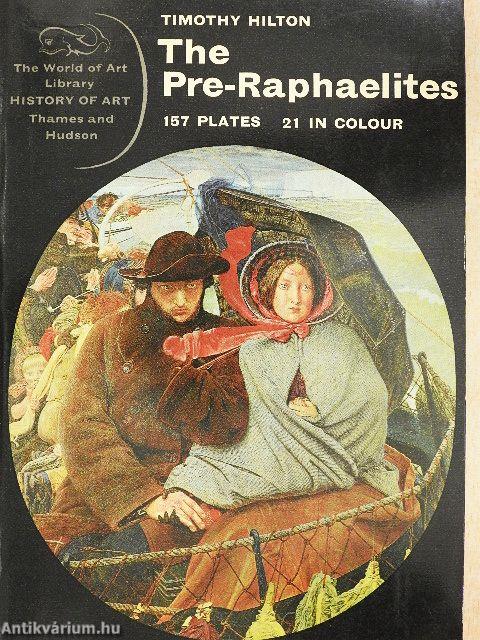
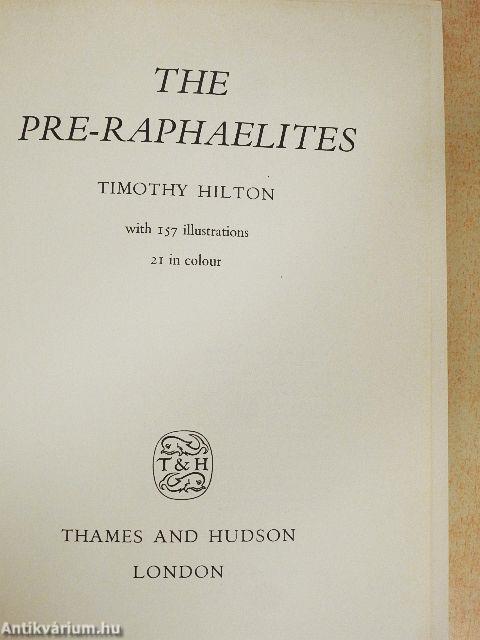
The Pre-Raphaelites
London
| Kiadó: | Thames and Hudson |
|---|---|
| Kiadás helye: | London |
| Kiadás éve: | |
| Kötés típusa: | Ragasztott papírkötés |
| Oldalszám: | 216 oldal |
| Sorozatcím: | The World of Art Library-History of Art |
| Kötetszám: | |
| Nyelv: | Angol |
| Méret: | 21 cm x 15 cm |
| ISBN: | 0-500-20102-1 |
| Megjegyzés: | Színes és fekete-fehér reprodukciókkal. |
Értesítőt kérek a kiadóról
Értesítőt kérek a sorozatról
A beállítást mentettük,
naponta értesítjük a beérkező friss
kiadványokról
naponta értesítjük a beérkező friss
kiadványokról
A beállítást mentettük,
naponta értesítjük a beérkező friss
kiadványokról
naponta értesítjük a beérkező friss
kiadványokról
Előszó
Tovább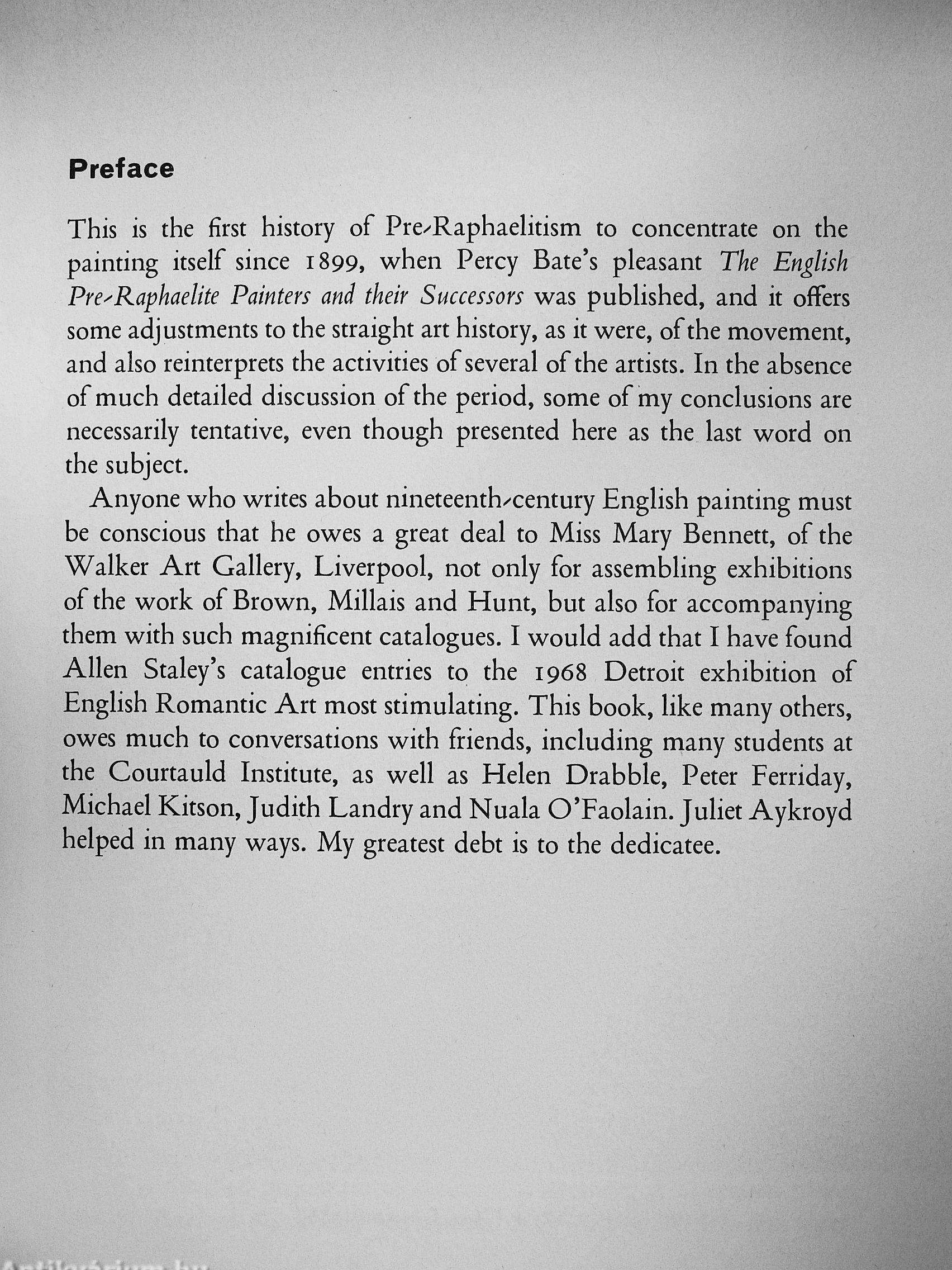
Fülszöveg
L2-50 NET IN UK ONLY
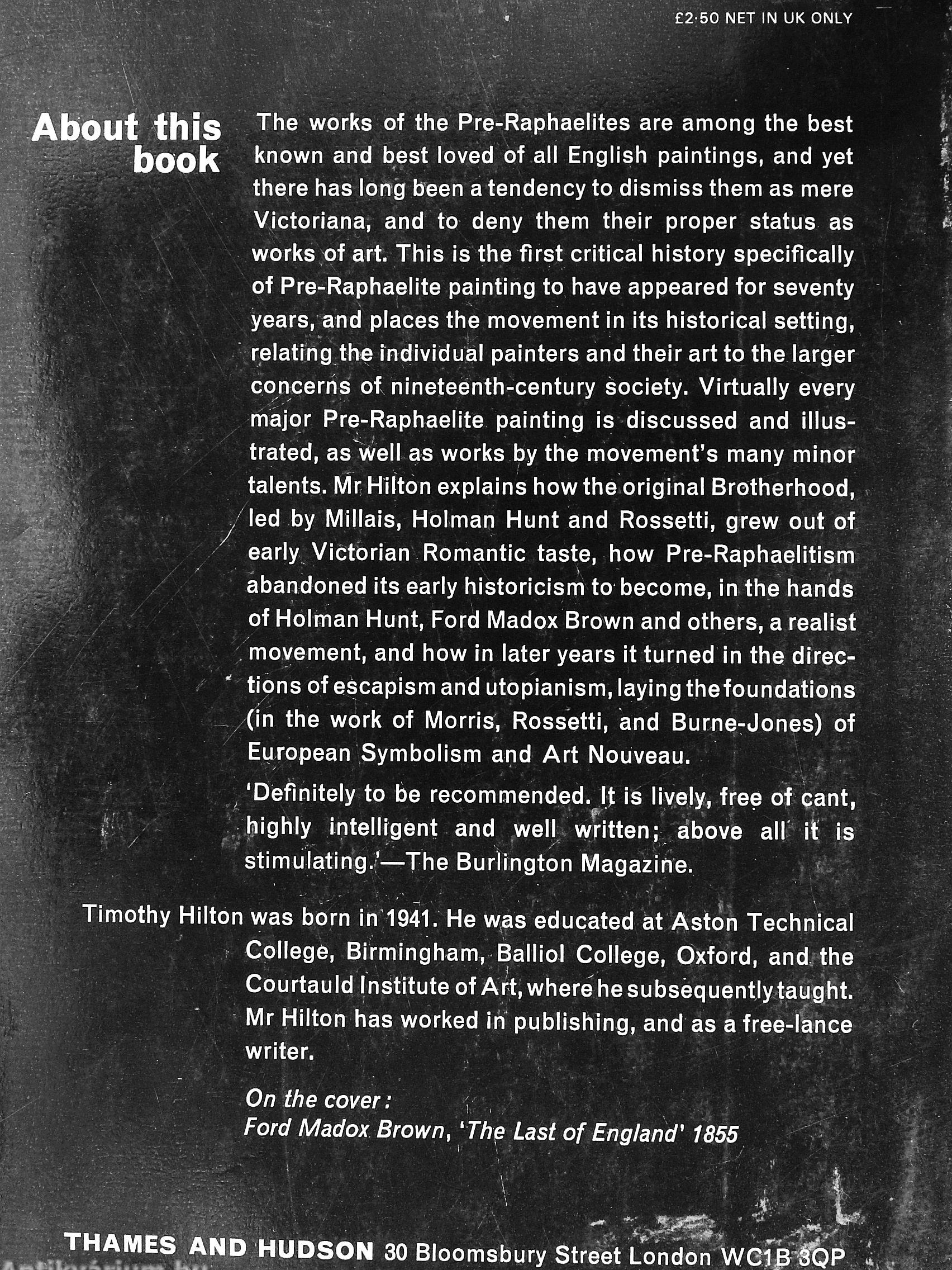
lOUt this works of the Pre-Raphaelites are among the best
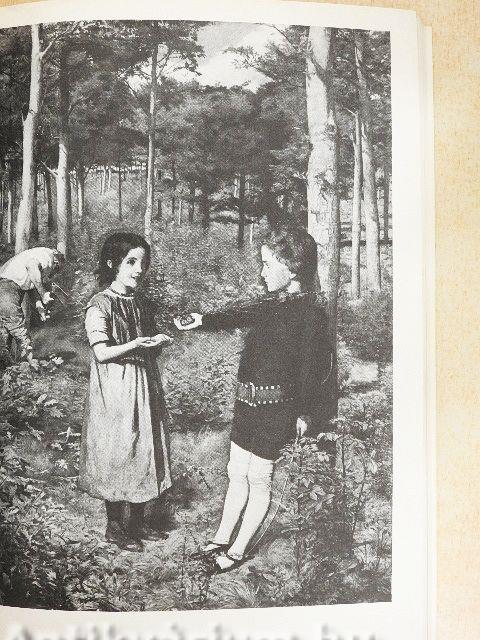
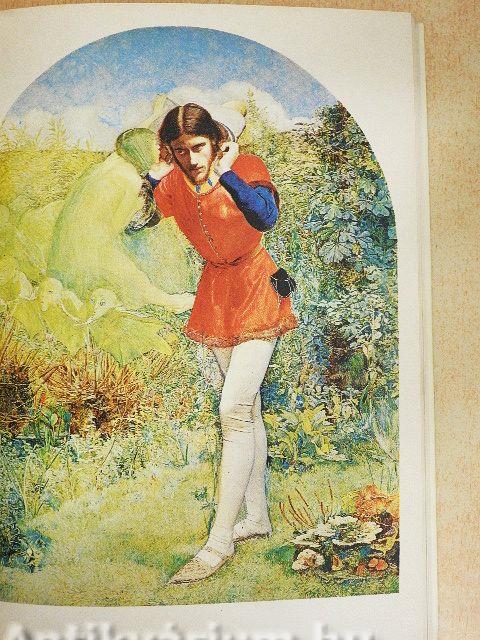
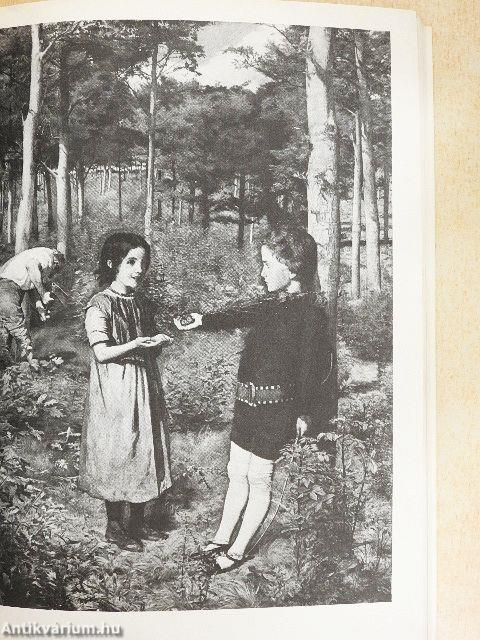
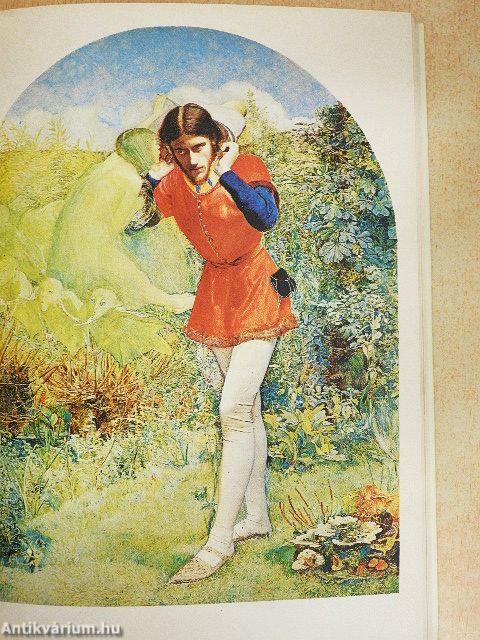
book known and best loved of all English paintings, and yet there has long been a tendency to dismiss them as mere Victoriana, and to deny them their proper status as works of art. This is the first critical history specifically of Pre-Raphaelite painting to have appeared for seventy years, and places the movement in its historical setting, relating the individual painters and their art to the larger concerns of nineteenth-century society. Virtually every major Pre-Raphaelite painting is discussed and illustrated, as well as works by the movement's many minor talents. Mr Hilton explains how the original Brotherhood, ^ led by Millais, Holman Hunt and Rossetti, grew out of early Victorian Romantic taste, how Pre-Raphaeiitism abandoned its early historicism to become, in the hands of Holman Hunt, Ford Madox Brown and others, a realist movement, and how in later years it turned in the direc-' tions of... Tovább
Fülszöveg
L2-50 NET IN UK ONLY
lOUt this works of the Pre-Raphaelites are among the best
book known and best loved of all English paintings, and yet there has long been a tendency to dismiss them as mere Victoriana, and to deny them their proper status as works of art. This is the first critical history specifically of Pre-Raphaelite painting to have appeared for seventy years, and places the movement in its historical setting, relating the individual painters and their art to the larger concerns of nineteenth-century society. Virtually every major Pre-Raphaelite painting is discussed and illustrated, as well as works by the movement's many minor talents. Mr Hilton explains how the original Brotherhood, ^ led by Millais, Holman Hunt and Rossetti, grew out of early Victorian Romantic taste, how Pre-Raphaeiitism abandoned its early historicism to become, in the hands of Holman Hunt, Ford Madox Brown and others, a realist movement, and how in later years it turned in the direc-' tions of escapism and utopianism, laying thefoundations (in the work of Morris, Rossetti, and Burne-Jones) of European Symbolism and Art Nouveau.
'Definitely to be recommended. IJ is lively, free of cant, i; highly intelligent and well written; above all it is
stimulating.'—The Burlington Magazine.
Timothy Hilton was born in 1941. He was educated at Aston Technical College, Birmingham, Balliol College, Oxford, and the Courtauld Institute of Art, where hesubsequently taught. Mr Hilton has worked in publishing, and as a free-lance writer.
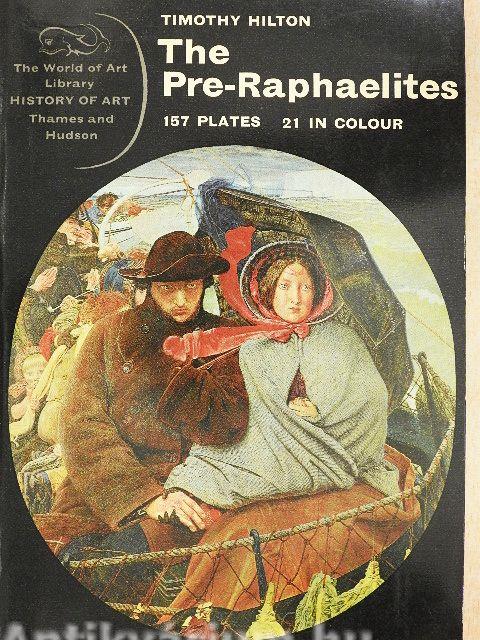
On the cover: , .
Ford Madox Brown, ' The Last of England' 1855
THAMES AND HUDSON 30 Bloomsbury Street L^nd^Weig^S^'p Vissza
Témakörök
- Idegennyelv > Idegennyelvű könyvek > Angol > Művészetek > Festészet
- Idegennyelv > Idegennyelvű könyvek > Angol > Művészetek > Művészettörténet, általános
- Művészetek > Művészettörténet általános > Kontinensek művészete > Európa
- Művészetek > Művészettörténet általános > Idegen nyelv > Angol
- Művészetek > Festészet > Korszakok, stílusok > XIX. század > Egyéb
- Művészetek > Festészet > Művésztelepek > Egyéb
- Művészetek > Festészet > Idegen nyelv > Angol
- Művészetek > Festészet > Tanulmányok, összefoglalók > Külföldi
- Művészetek > Festészet > Általános festészet > Története
Timothy Hilton
Timothy Hilton műveinek az Antikvarium.hu-n kapható vagy előjegyezhető listáját itt tekintheti meg: Timothy Hilton könyvek, művekMegvásárolható példányok
Nincs megvásárolható példány
A könyv összes megrendelhető példánya elfogyott. Ha kívánja, előjegyezheti a könyvet, és amint a könyv egy újabb példánya elérhető lesz, értesítjük.
 Folytatás Microsoft-tal